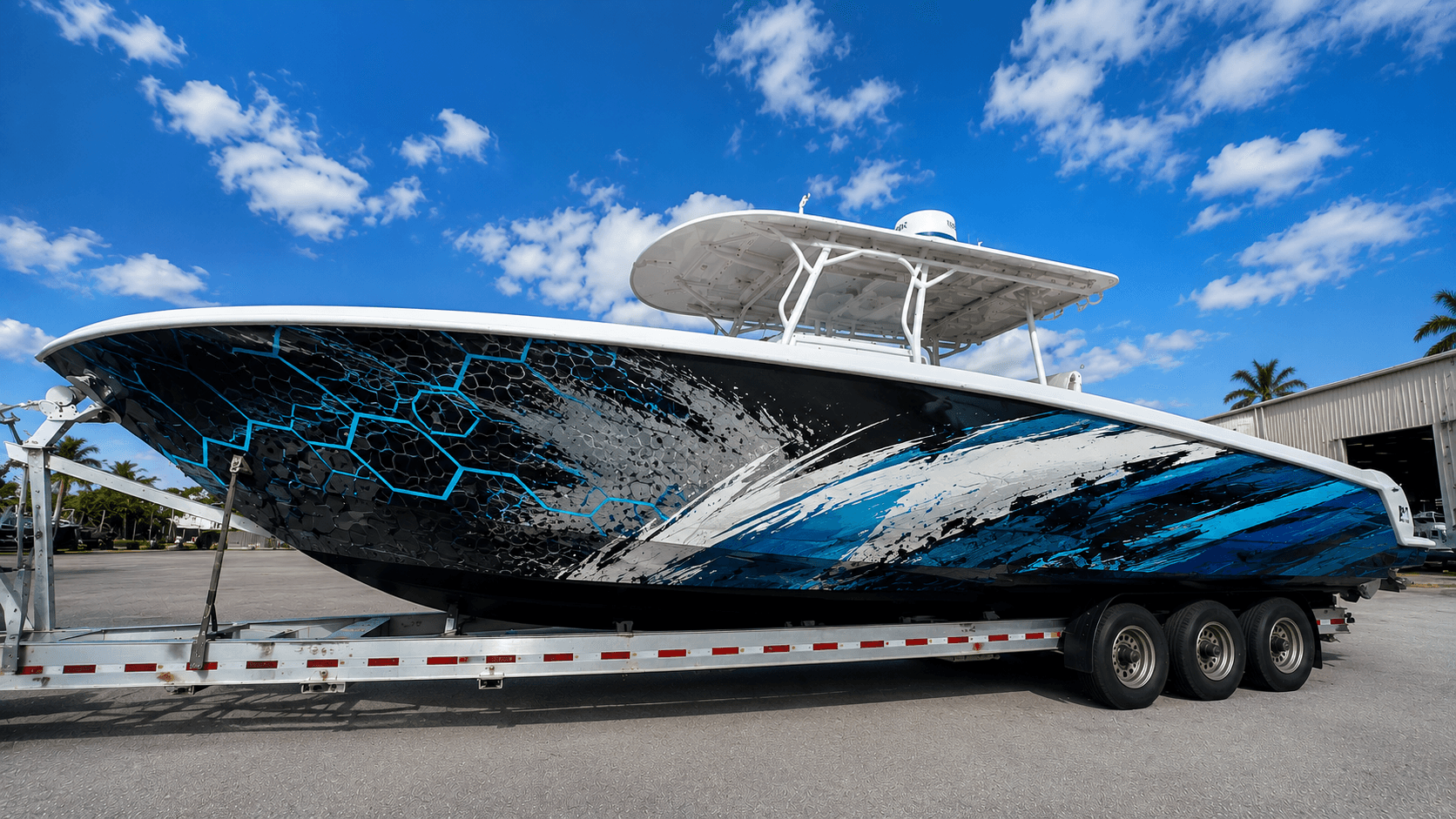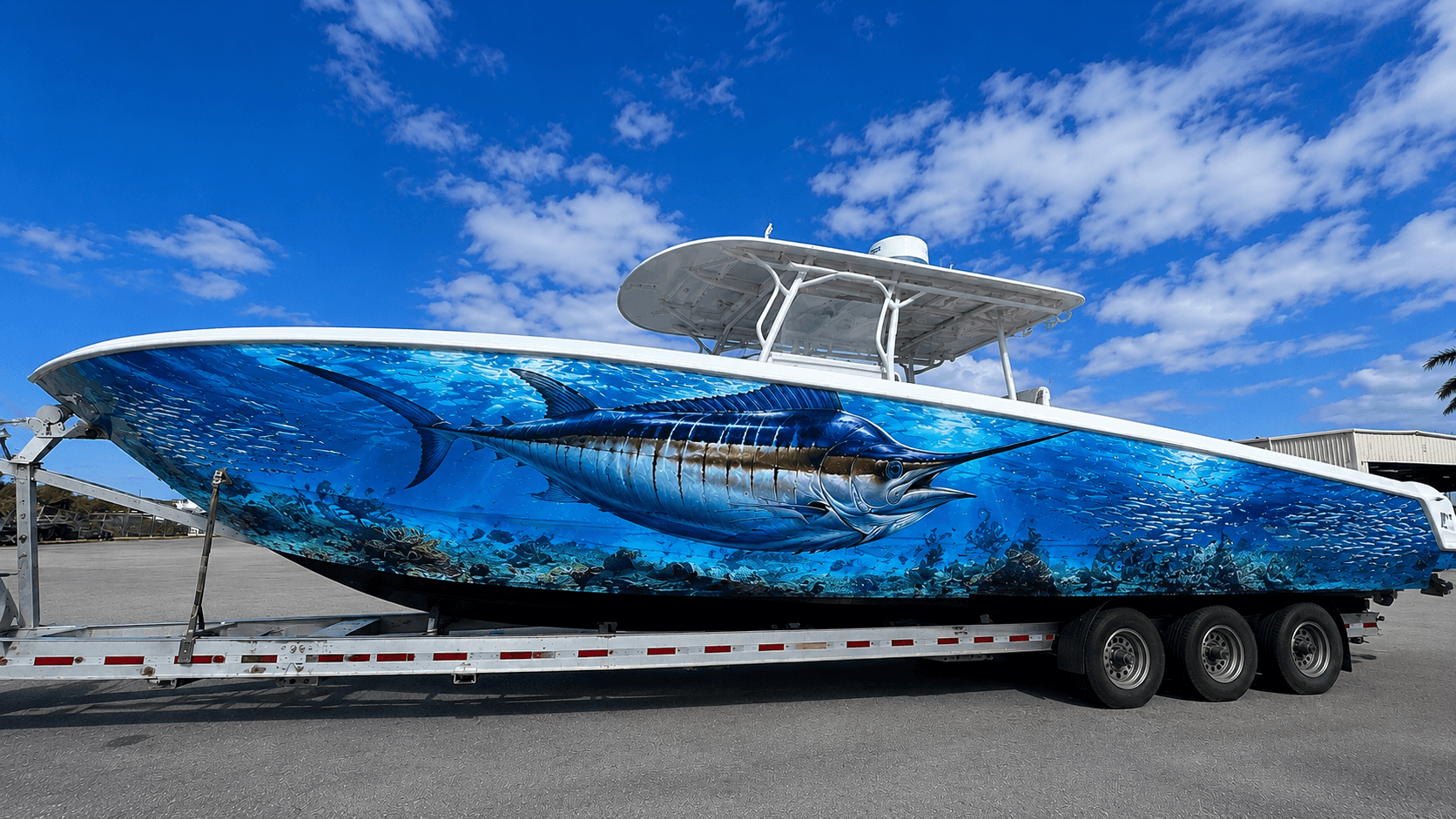

Your boat wrap is more than just a stunning visual upgrade; it's a protective layer and a statement on the water. Like any premium investment, its longevity depends heavily on the care it receives. Proactive, consistent maintenance isn't just about cleaning—it's a strategic approach to preventing damage, preserving color, and ensuring you get the maximum value and enjoyment from your wrap for years to come. By following a few key practices, you can combat the primary enemies of vinyl: UV radiation, salt, chemicals, and physical abrasion.
The Foundation: Routine Cleaning Protocol#
Regular cleaning is the single most effective thing you can do to extend your wrap's life. It removes contaminants that can chemically break down the vinyl's top coat and embed themselves, causing dullness and premature aging.
Step-by-Step Cleaning Best Practices#
- Rinse First: Always start with a thorough rinse using fresh water to loosen and remove loose dirt and salt crystals. This prevents scratching during the wash.
- Use Proper Solutions: Use only mild, non-abrasive, ammonia-free soaps or cleaners specifically formulated for vinyl wraps or automotive finishes. Dish soap can strip protective coatings.
- Employ Soft Tools: Use a soft microfiber wash mitt, sponge, or cloth. Never use stiff brushes, abrasive pads, or harsh scrapers.

- Wash in the Shade: Clean your boat when the surface is cool to the touch. Washing in direct sun can cause soap to dry too quickly, leaving residues and potentially causing streaking.
- Rinse Thoroughly: Remove all soap residue with fresh water.
- Dry Gently: Pat dry with a clean, soft microfiber towel to prevent water spots, especially in areas with hard water.
What to Avoid During Cleaning#
High-pressure washers can be used with extreme caution. Keep the nozzle at least 12 inches away and use a wide-angle tip. Never use a concentrated stream directly on wrap edges or seams, as it can lift the vinyl. Avoid solvents, gasoline, abrasive cleaners, and acidic or alkaline hull cleaners not labeled as wrap-safe.
Strategic Protection and Conditioning#
The Role of UV Protectants and Sealants#
While high-performance cast vinyl films have built-in UV inhibitors, adding an extra layer of protection is a wise proactive step. Periodically applying a UV protectant spray or sealant designed for vinyl wraps can help shield the graphics from solar radiation and environmental pollutants, keeping colors vibrant. Always ensure the surface is perfectly clean and dry before application.
Mind Your Docking and Storage Habits#
Physical abrasion is a constant threat. Use fenders liberally and ensure they are clean. When storing your boat, a breathable cover is ideal. Avoid tight-fitting, non-breathable tarps that can trap moisture and heat, creating a humid environment that can promote adhesive issues. If storing outdoors long-term, consider a sheltered location to minimize UV exposure.
Addressing Common Issues Proactively#
Handling Stains and Debris Immediately#
Bird droppings, tree sap, diesel soot, and fish blood are highly acidic and can stain or etch the wrap's laminate if left unattended. Remove them as soon as possible by re-wetting the area with fresh water and gentle soap, then gently wiping. For stubborn organic stains, a dedicated vinyl wrap detailer spray can be effective.
Monitoring Edges and Seams#
Periodically inspect the edges of your wrap, especially near high-stress areas like chines and rails. If you notice any slight lifting (often called a "finger" or "curl"), do not pull on it. Contact your installer for a potential touch-up with vinyl primer and a heat tool to reseal it, preventing water intrusion.
Seasonal and Long-Term Storage Considerations#
Proper off-season storage is crucial for wrap longevity. As of February 18, 2026, the consensus among marine professionals remains that a final, meticulous cleaning before storage is non-negotiable. Remove all salt, pollutants, and biological growth. Ensure the wrap is completely dry before covering. Store in a cool, dry, and well-ventilated space. Avoid heated sheds where temperatures can fluctuate dramatically.
Frequently Asked Questions on Wrap Care#
How often should I clean my boat wrap?#
For optimal protection, rinse with fresh water after every outing, especially in saltwater. A full, gentle wash with appropriate soap should be performed every 1-2 weeks during the active season, or immediately after exposure to contaminants like salt spray, bird droppings, or pollution.
Can I wax my boat wrap?#
No. Traditional paste or carnauba-based waxes are not recommended for vinyl wraps. They can create a hazy buildup and may contain abrasives or chemicals that degrade the vinyl. Use only products specifically labeled as safe for vinyl wraps, such as polymer-based sealants or spray-on UV protectants.
What should I do if my wrap gets a small scratch or cut?#
For very minor surface scuffs, a dedicated vinyl wrap detailer can sometimes minimize the appearance. For any cut or puncture that penetrates the vinyl, it's best to consult a professional like Ocean Wraps to assess it. Small repairs can often be made to prevent further lifting or water ingress, protecting the underlying gel coat.
Is it safe to use an automatic car wash on my wrapped boat?#
It is strongly discouraged. The stiff brushes and aggressive cleaning solutions used in many automatic washes are designed for much harder automotive clear coats and can scratch, dull, or chemically damage your boat wrap. Hand washing is always the recommended method.
Your Partner in Long-Lasting Graphics#
A beautiful boat wrap reflects your passion for the water. By integrating these proactive care steps into your regular boating routine, you actively defend that investment against the marine environment. This commitment ensures your graphics remain sharp, glossy, and impactful season after season. For specific questions about caring for your particular wrap or to explore professional maintenance options, feel free to reach out to our team.