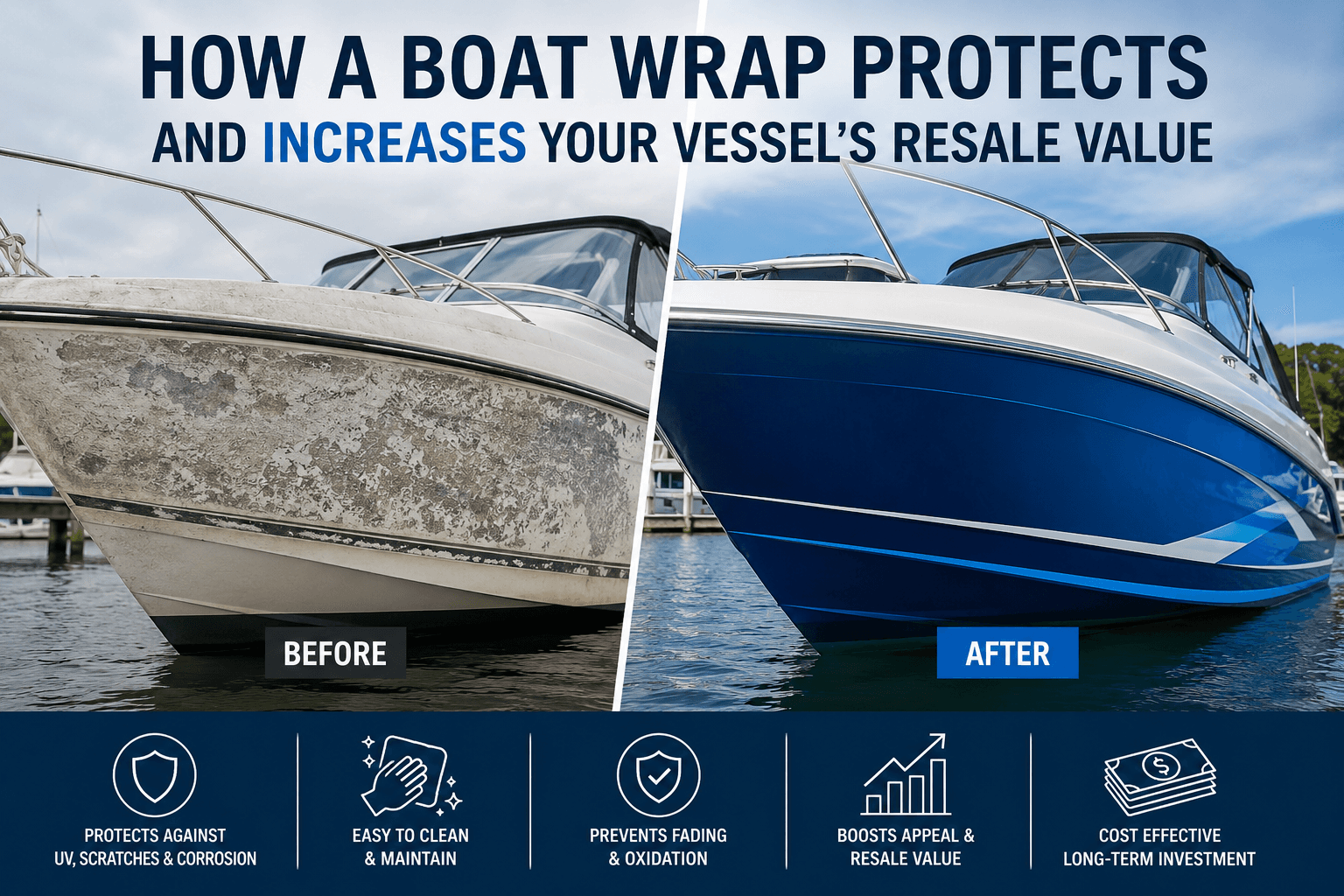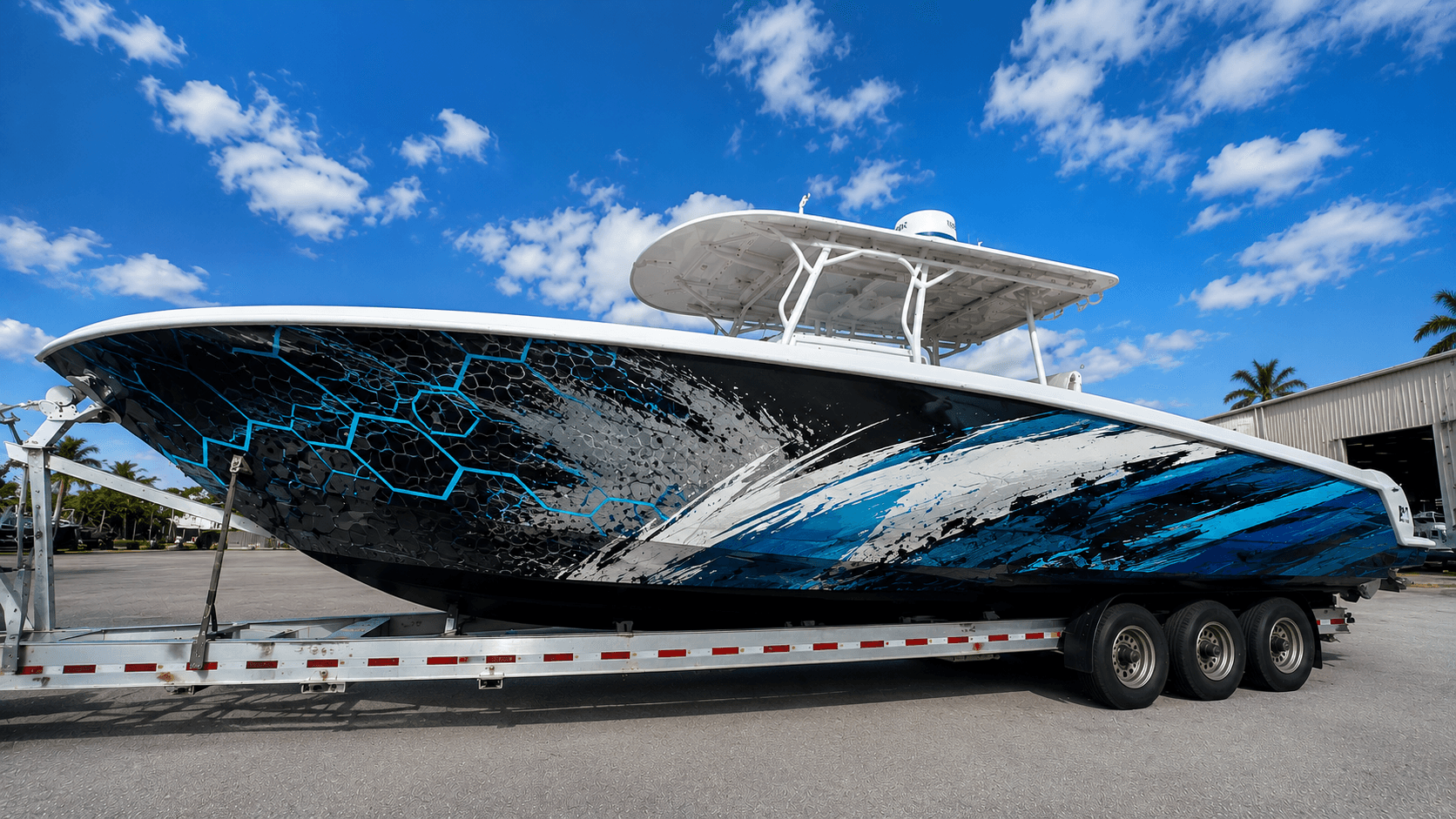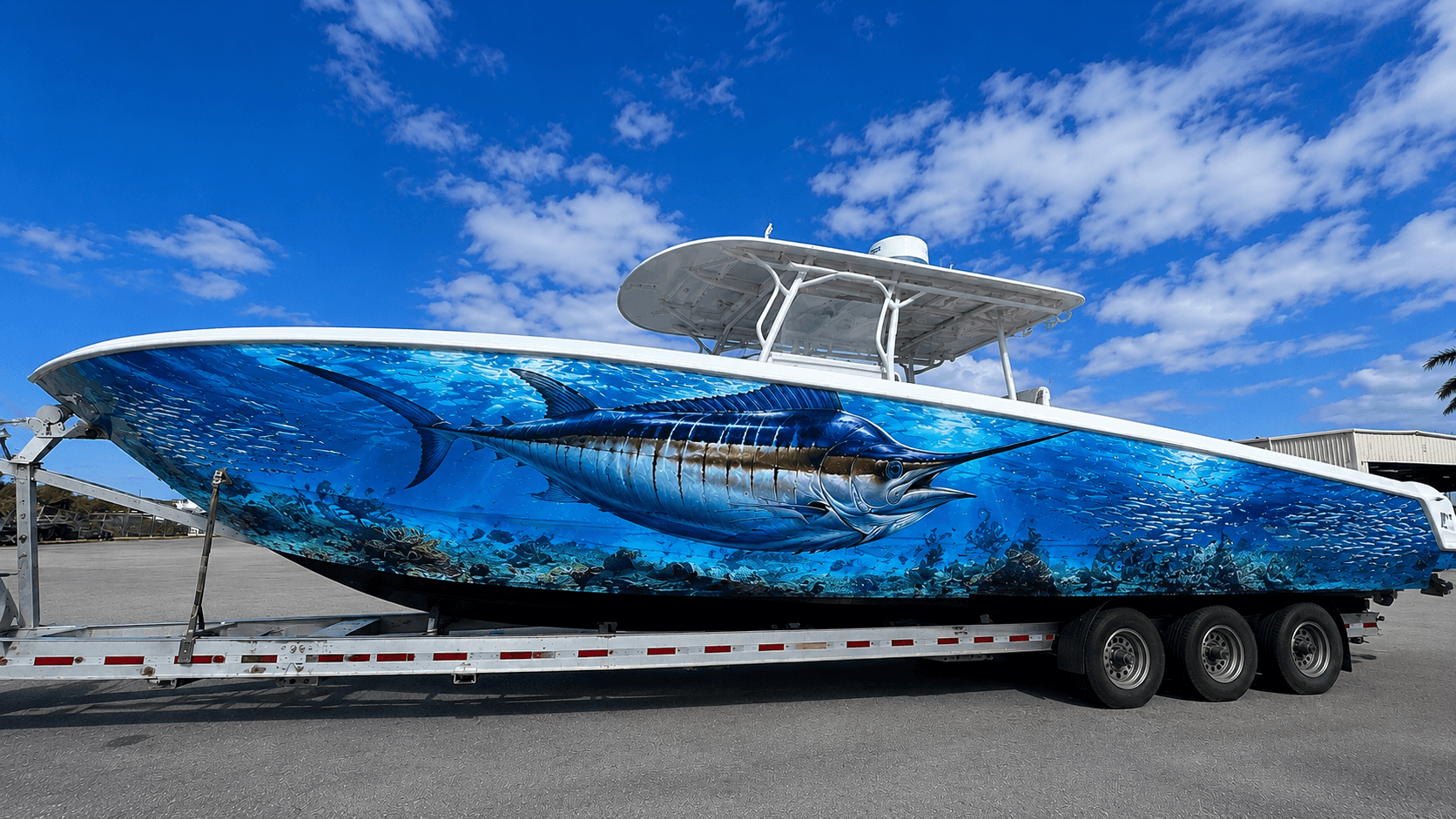

Introduction: Protecting Your Investment#
A professionally installed boat wrap transforms your vessel's appearance with vibrant color and graphics. Like any high-quality exterior finish, its longevity depends significantly on the care it receives. Proper maintenance not only preserves the visual impact but also protects the underlying gelcoat, ensuring your boat looks its best season after season. This guide provides practical, expert-recommended steps to extend the life of your wrap.
The Fundamentals of Routine Cleaning#
Regular and correct cleaning is the single most important factor in preserving your wrap's finish. Removing contaminants like salt, bird droppings, pollution, and hard water spots prevents them from bonding to or degrading the vinyl's top coat.
Recommended Cleaning Process#
- Always rinse the surface thoroughly with fresh water before washing to loosen debris.
- Use a dedicated, marine-grade vinyl wrap cleaner or a mild, pH-neutral car wash soap. Avoid household detergents, degreasers, or abrasive cleaners.

- Wash with a soft microfiber mitt or sponge using plenty of soapy water. Use a gentle, linear motion rather than circular scrubbing.
- Rinse completely with fresh water. Avoid allowing soap to dry on the surface.
- Dry with a clean, soft microfiber towel or a dedicated soft drying cloth to prevent water spotting.
Products and Tools to Avoid#
Never use stiff brushes, abrasive pads, or scrapers on a wrapped surface. Avoid cleaners containing citrus, acetone, bleach, or other harsh solvents. High-pressure washers can be used with extreme caution; keep the nozzle at least 12 inches away and use a wide fan pattern on a low-pressure setting to avoid lifting edges.
Strategic Storage and Sun Protection#
Minimizing UV Exposure#
While modern cast vinyl films include UV inhibitors, prolonged, direct sunlight is the primary cause of fading and eventual embrittlement. Whenever possible, store your boat under a cover or in a shaded slip. Using a breathable, soft-lined boat cover is ideal, but ensure the cover itself is clean to prevent abrasion.
Off-Season and Long-Term Storage#
For winter or extended storage, a clean, dry, and cool environment is best. Ensure the wrap is completely clean and dry before covering. Avoid shrink-wrapping directly on the vinyl without a protective cloth barrier, as condensation and tight contact can cause issues.
Handling, Docking, and Preventing Physical Damage#
Preventing scratches, punctures, and edge lifting is crucial. Be mindful of dock lines, fenders, and gear that could rub against the hull. Use adequate fenders and adjust them regularly to prevent constant friction in one spot. When trailering, use protective straps where they contact the wrap and avoid driving through overgrown brush.
Addressing Minor Lifts and Damage#
Inspect edges and high-wear areas periodically. If you notice a very small edge beginning to lift, you can carefully apply low heat from a hairdryer to reactivate the adhesive and gently press it down. For any significant lifting, punctures, or graphic damage, contact a professional installer like Ocean Wraps for repair to prevent further compromise.
Enhancing and Protecting the Finish#
The Role of Protective Coatings#
Applying a vinyl-safe spray sealant or ceramic coating designed for wraps can provide an additional layer of protection. These products help repel water, contaminants, and UV rays, making cleaning easier and adding gloss. Always test any product in a small, inconspicuous area first and follow the manufacturer's instructions precisely.
What Not to Use#
Do not apply traditional waxes, polishing compounds, or abrasive glazes to a vinyl wrap. These products are formulated for painted gelcoat and can damage the vinyl's printable top coat, leading to dullness or hazing.
Frequently Asked Questions#
How often should I clean my boat wrap?#
Rinse with fresh water after every saltwater use. A full wash with appropriate cleaner should be performed every 1-2 weeks during the active season, and always before extended storage. Promptly clean off bird droppings, tree sap, or fuel spills.
Can I use a pressure washer on my wrap?#
Use extreme caution. Keep the nozzle at least 12 inches away, use a wide 40-degree fan tip, and the lowest effective pressure setting. Never aim the stream directly at seams or edges, as this can force water underneath and lift the vinyl.
What should I do if my wrap gets a scratch or tear?#
For minor surface scuffs, a dedicated vinyl cleaner may lessen their appearance. For cuts or punctures that penetrate the film, it is best to have the area professionally assessed and patched to prevent water intrusion and further lifting. The team at Ocean Wraps can provide seamless repairs.
Is it safe to dock my wrapped boat in a covered slip?#
Yes, covered storage is excellent for reducing UV exposure. Ensure the cover structure is sound and does not allow materials to rub consistently against the hull. Good ventilation is also beneficial.
Conclusion: Consistency is Key#
Extending the lifespan of your boat wrap is straightforward with a consistent, informed care routine. By committing to gentle cleaning, mindful storage, and prompt attention to minor issues, you safeguard both the aesthetics and the protective function of your wrap. This proactive approach ensures your vessel continues to make a powerful statement on the water for the long term.
Proper care doesn't just maintain looks; it preserves the integrity of your entire graphic investment.