Custom Boat Wraps for High-Performance Sportfishing Boats & Center Consoles
Professional custom boat wraps for high-performance sportfishing boats and center consoles. Durable marine vinyl graphics for hulls and topsides.
Last updated February 21, 2026
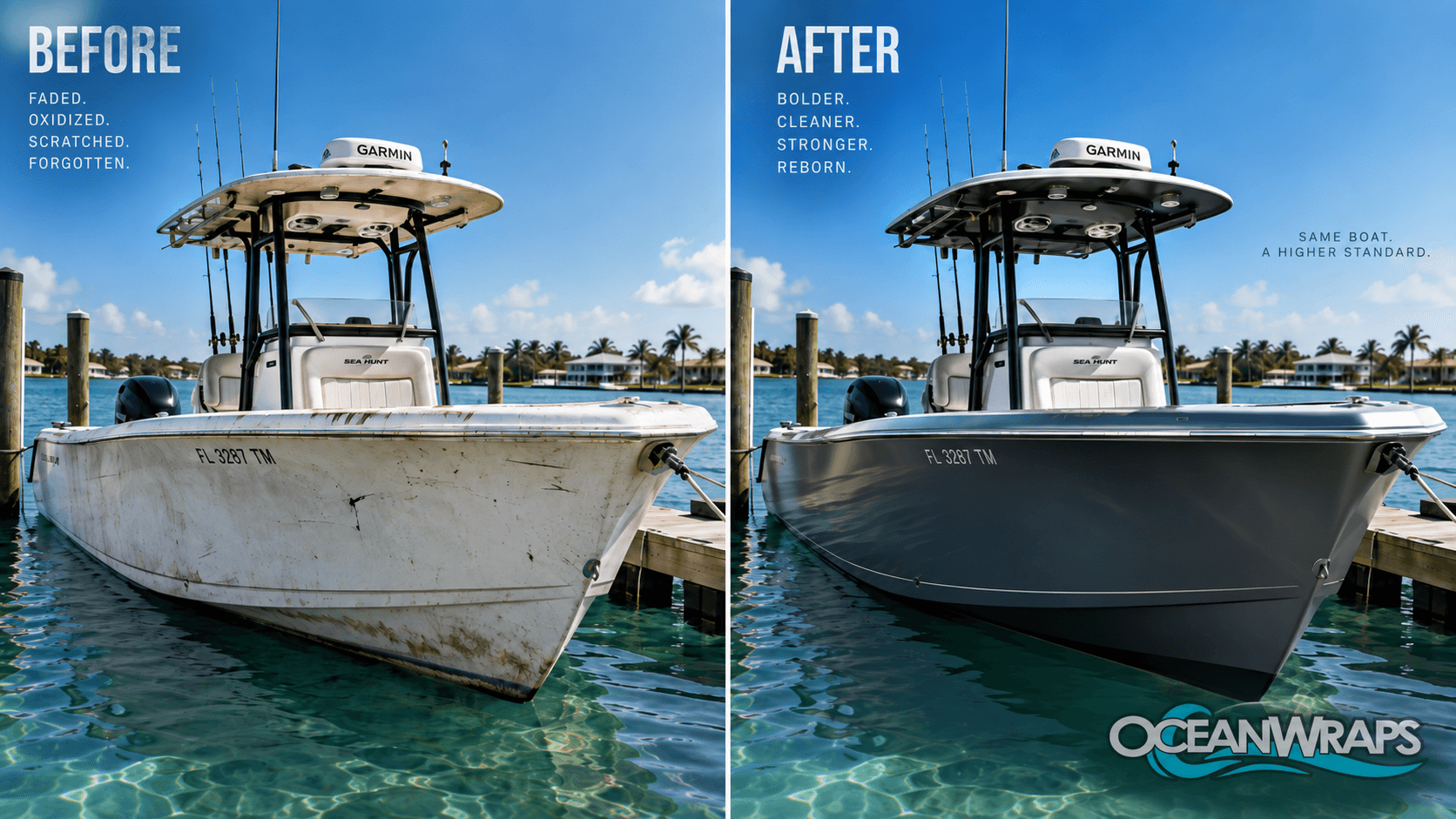
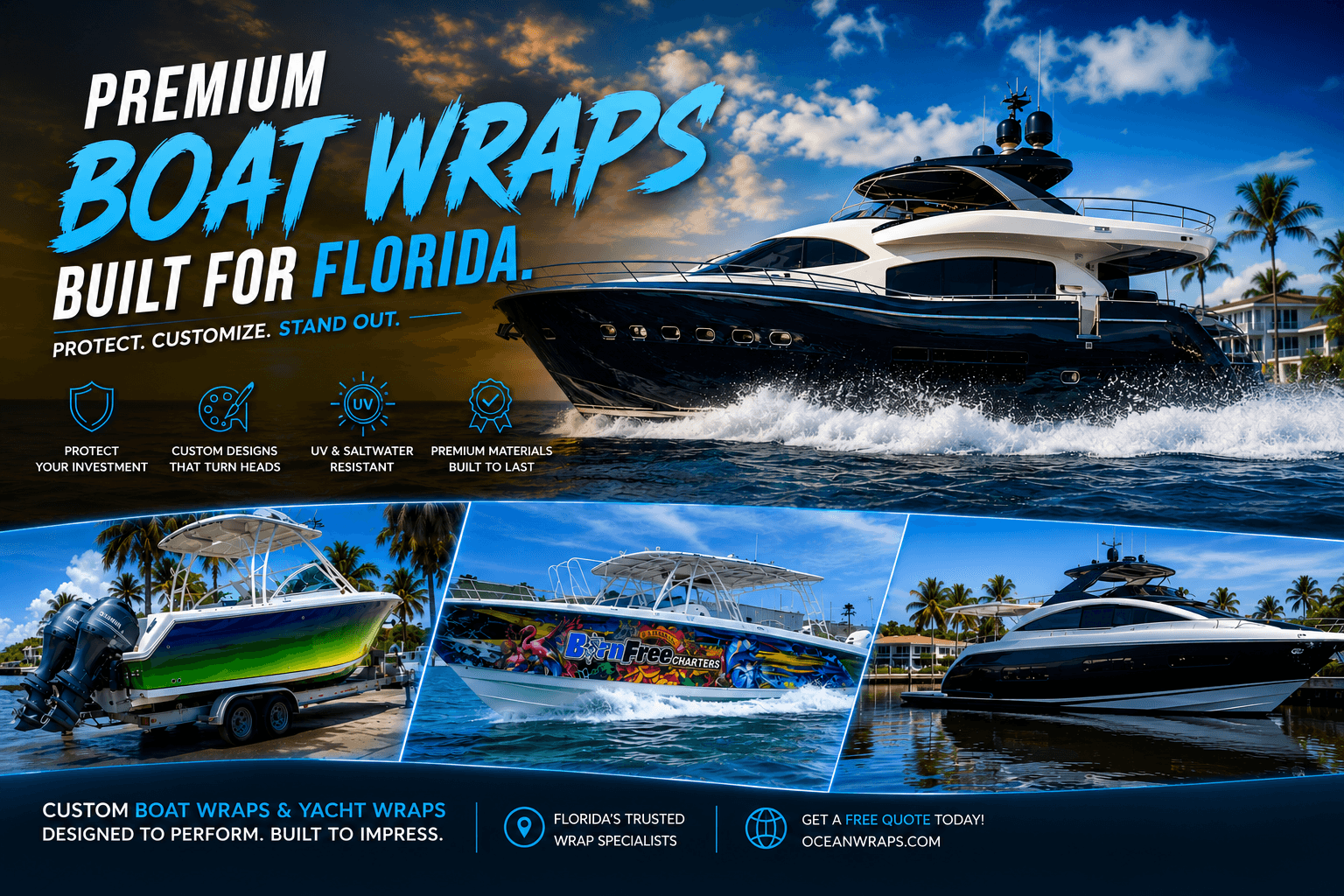
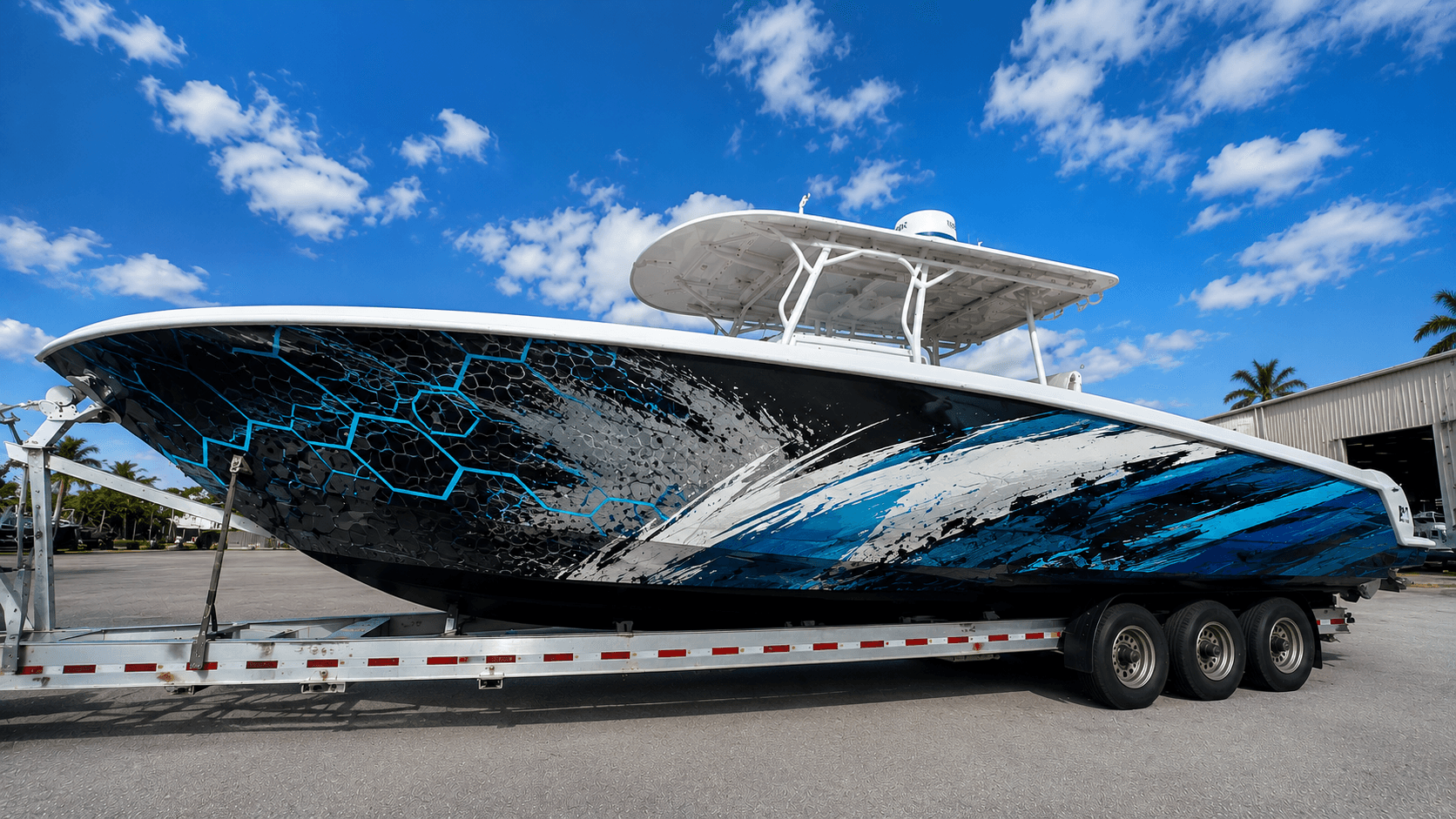
Boat wraps for owners of high-performance sportfishing boats and center consoles, a custom boat wrap is a strategic upgrade. It goes beyond aesthetics to become a functional asset, offering a durable, protective layer and a highly visible brand statement on the water. Unlike generic applications, wrapping these vessels demands expertise in handling complex hull curves, aggressive topside angles, and the demanding marine environment. Ocean Wraps specializes in this niche, translating high-impact designs into long-lasting marine graphics.
Boat Wraps Overview: Custom wraps for high-performance sportfishing boats and cen#
The hull design of a sportfisher or center console presents unique challenges. Deep-V entries, stepped hulls, and sharp chines are common. Topsides are often crowded with rod holders, rigging stations, and hardware. A proper wrap must conform perfectly to these surfaces without bridging, wrinkling, or compromising edges. This requires a technician skilled in advanced relief cutting, post-heating, and stretching techniques specific to high-performance marine shapes. The goal is a seamless graphic that appears painted-on, even over aggressive contours.
Long-term adhesion starts with flawless substrate preparation. The gelcoat must be thoroughly de-waxed, decontaminated, and polished to remove oxidation. Any existing hull graphics or compromised clear coat must be removed. This stage often reveals minor gelcoat imperfections that should be addressed before vinyl application. Proper prep ensures the vinyl bonds correctly and can withstand the constant flexing and impact of high-speed operation.
The process begins with a detailed assessment of your vessel. We evaluate the condition of the gelcoat, note all hardware and complex curves, and discuss design intent, usage patterns, and storage conditions. This informs the material selection and installation plan.
Using boat dimensions and photos, our designers create precise digital templates. This allows for accurate graphic placement around hardware and complex shapes. You will review proofs to ensure the design aligns with your vision before any material is printed.
The approved design is printed on high-grade marine vinyl. It is then immediately laminated with a clear protective layer. Using the digital template, the graphics are then precision-cut on a flatbed cutter, ready for installation.
Trained installers methodically apply the vinyl panels, using heat and specialized tools to conform the material to every curve and edge. Meticulous attention is paid to seam placement, wrap-around edges, and the sealing of all cut lines. The final step is a thorough inspection under different light conditions.
The marine environment demands specific material properties. The standard construction for a long-lasting boat wrap involves three layers. The base is a marine-grade cast vinyl film, chosen for its superior conformability and long-term dimensional stability compared to calendared vinyl. The middle layer is the printed graphic. The top layer is a clear, polyurethane laminate. This laminate is critical, providing abrasion resistance, enhanced UV protection to prevent fading, and a consistent gloss or matte finish. At Ocean Wraps, we select materials based on the project's specific demands for durability and aesthetics.
With proper installation and care, a high-quality marine wrap can last 5 to 7 years. Actual lifespan depends on sun exposure, usage frequency, storage conditions, and maintenance practices.
Can a wrap be applied over old graphics or damaged gelcoat?#
No. All existing graphics must be removed. The gelcoat surface must be sound, clean, and smooth. Wrapping over failing gelcoat or old vinyl will result in poor adhesion and visible imperfections.
When properly removed by a professional, high-quality marine vinyl should not damage intact gelcoat. In fact, the wrap protects the gelcoat from UV degradation and minor abrasions during its service life.
A wrap is a layered vinyl graphic system applied to the surface. It is typically faster to apply, offers complex graphics easily, is repairable in sections, and is removable. Paint is a permanent, sprayed-on coating that can be more durable against deep impacts but is less flexible for graphic designs and is a permanent alteration.
New Boat Prices Are Skyrocketing — Here's the Smarter Move Boat Owners Are Making
New boat prices are at record highs. Here's why more owners are choosing marine vinyl wraps to refresh their boat's look and protect the hull, without the cost of buying new
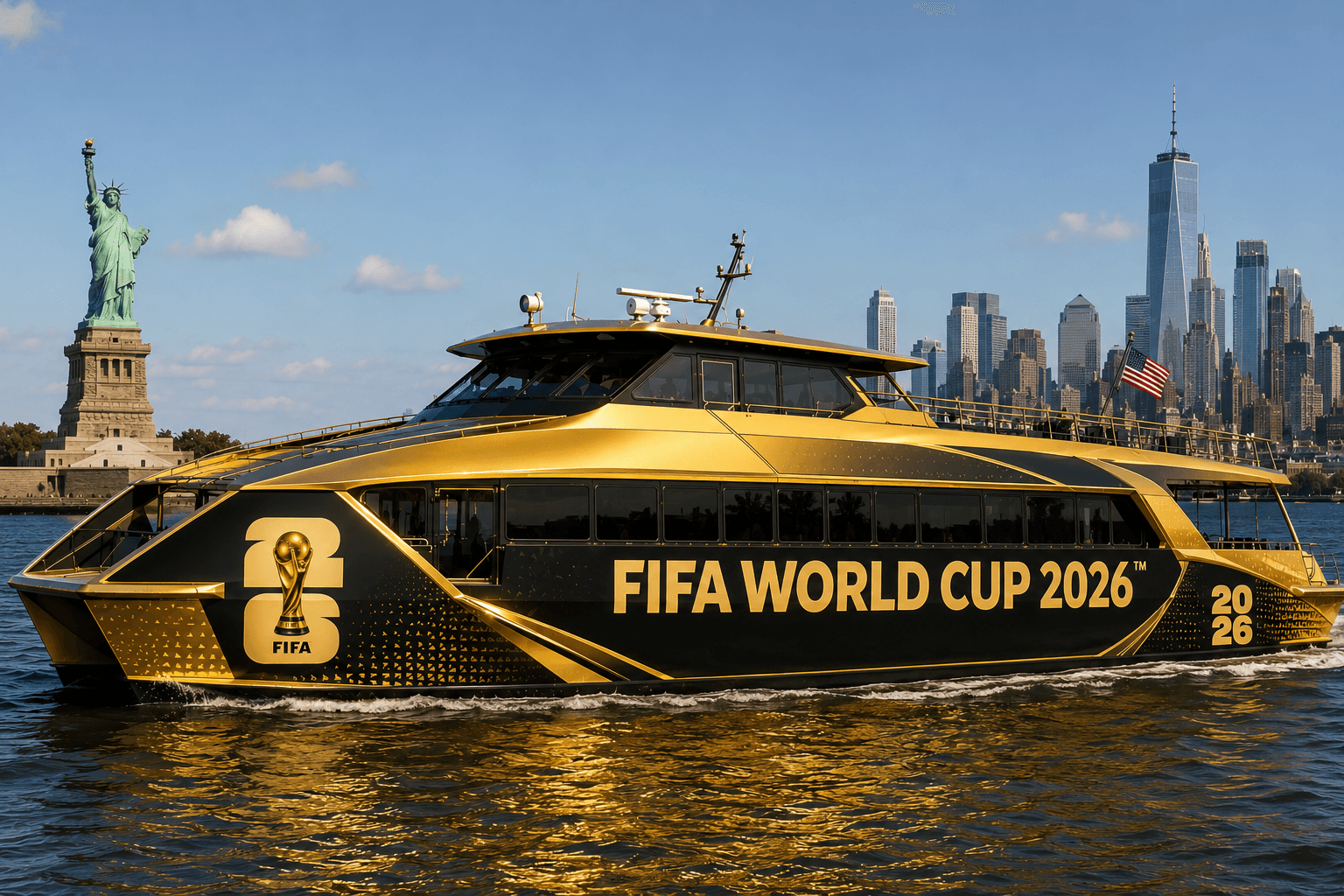
Get your boat ready for FIFA World Cup 2026 with a luxury custom wrap. Stand out on the water with premium marine graphics, gold finishes, and championship-inspired designs.
New Boat Prices Are Skyrocketing — Here's the Smarter Move Boat Owners Are Making
New boat prices are at record highs. Here's why more owners are choosing marine vinyl wraps to refresh their boat's look and protect the hull, without the cost of buying new
Boat Wraps Services
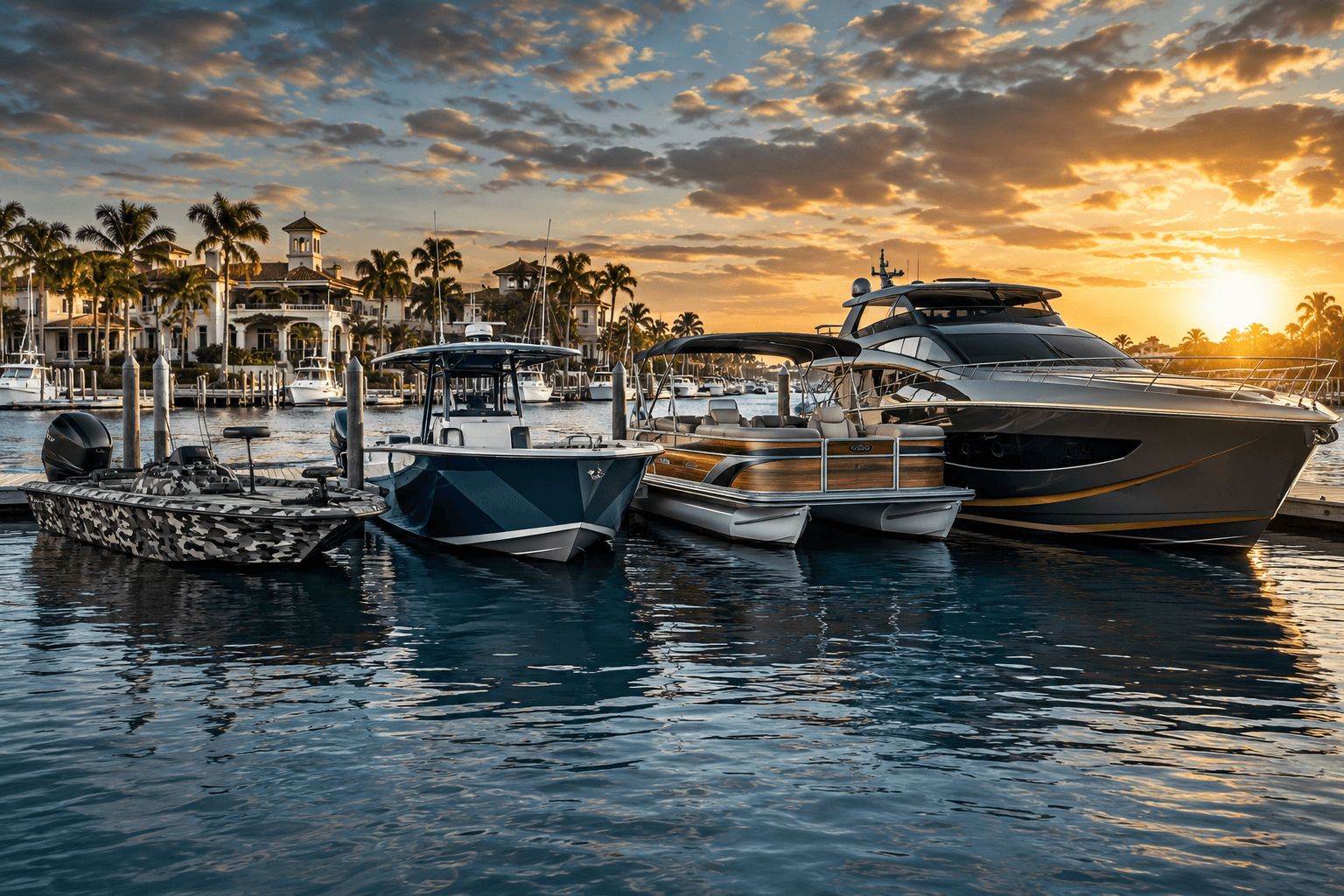
Boat Wrap Designs by Boat Type: What Actually Works on Your Vessel
A wrap that's perfect for a sportfishing boat chasing marlin offshore would look completely out of place on a family pontoon.
Boat Wraps Services
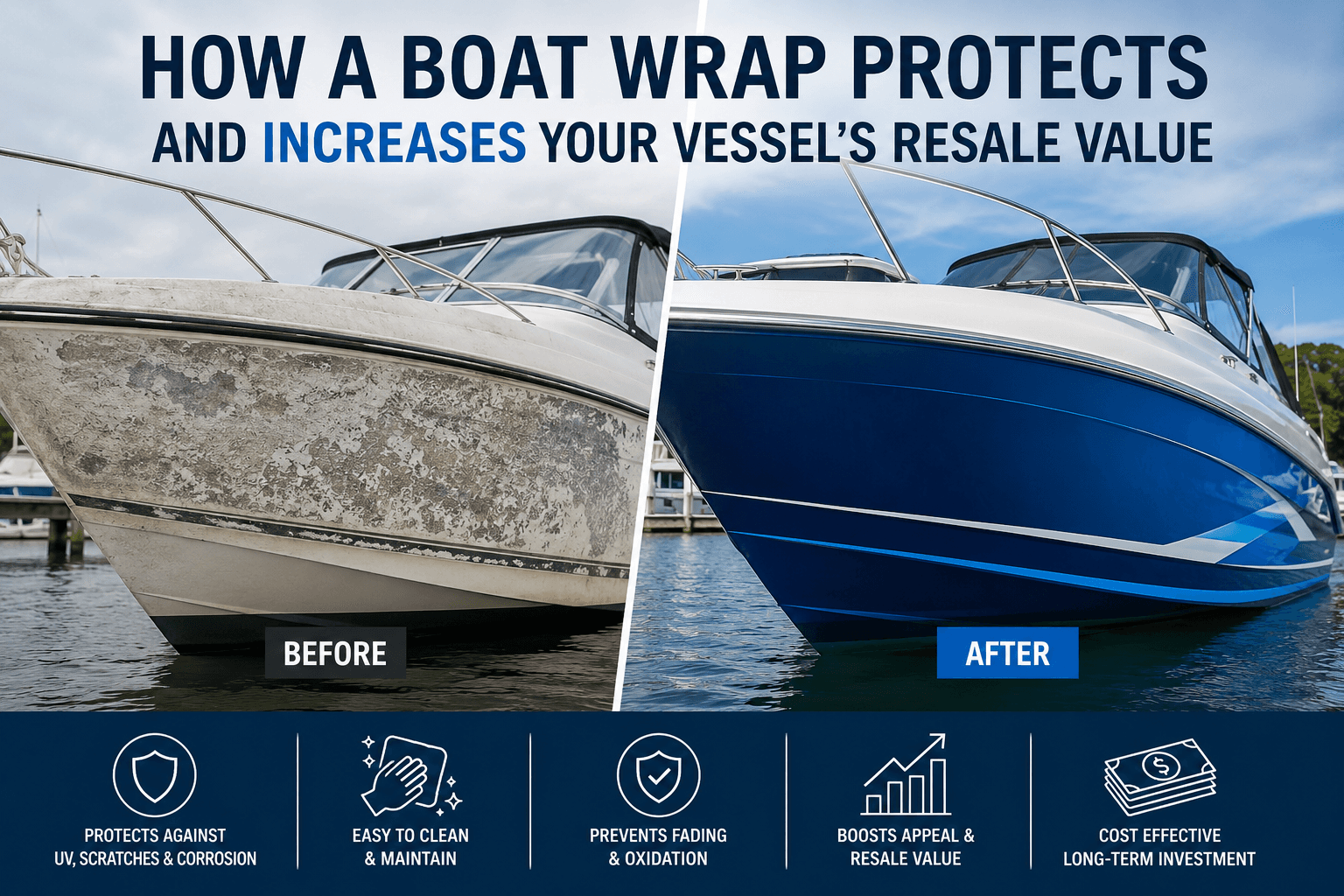
How a Boat Wrap Protects and Increases Your Vessel's Resale Value
How a Boat Wrap Can Protect and Increase Your Vessel's Resale Value
Boat Wraps Services
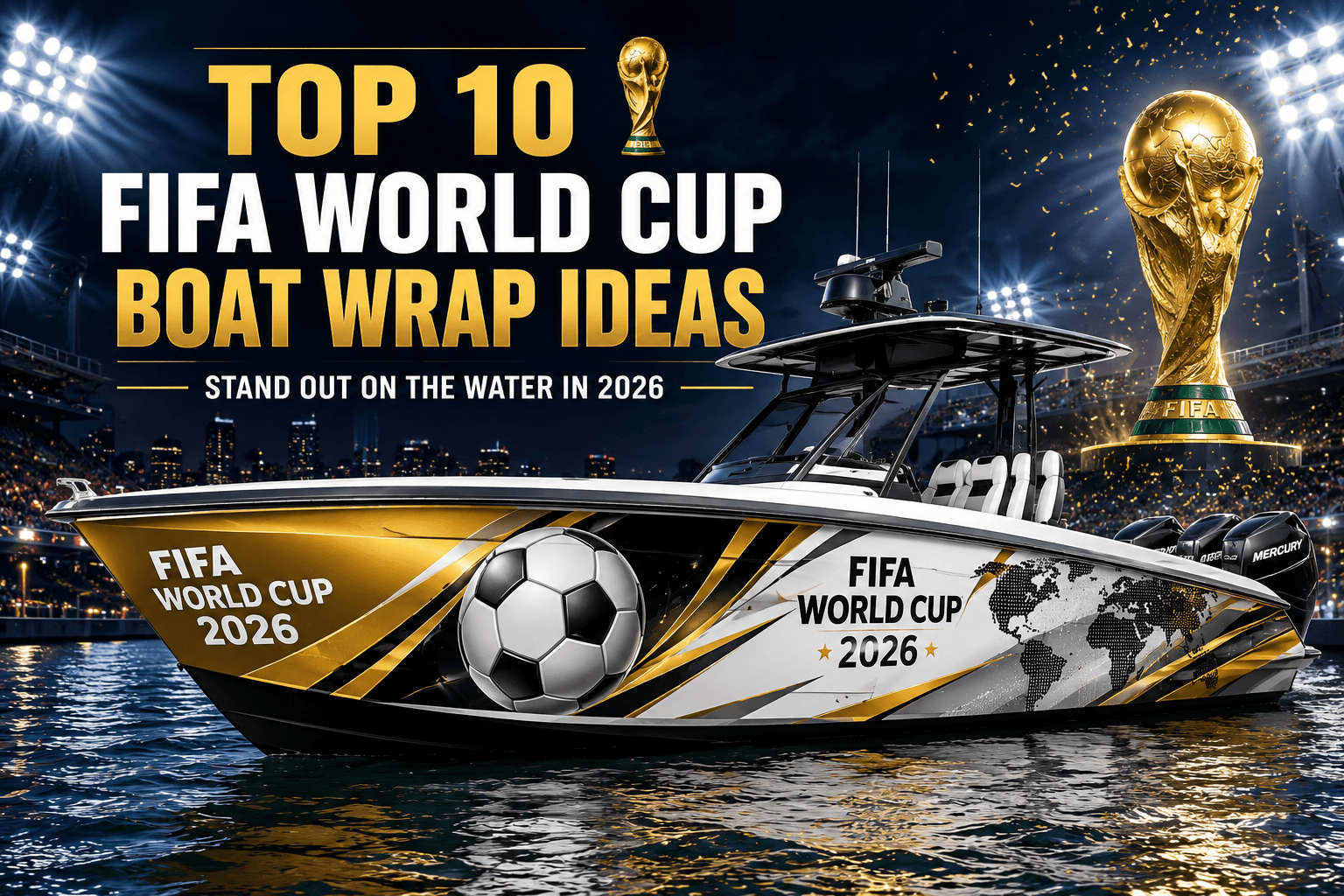
Top 10 FIFA World Cup Boat Wrap Ideas to Try This Season
If you already know you want your boat wrapped for World Cup season, the next question is which design actually fits your vessel.
Boat Wraps Services
Custom Boat Wraps for FIFA World Cup 2026
Get your boat ready for FIFA World Cup 2026 with a luxury custom wrap. Stand out on the water with premium marine graphics, gold finishes, and championship-inspired designs.
Boat Wraps Services
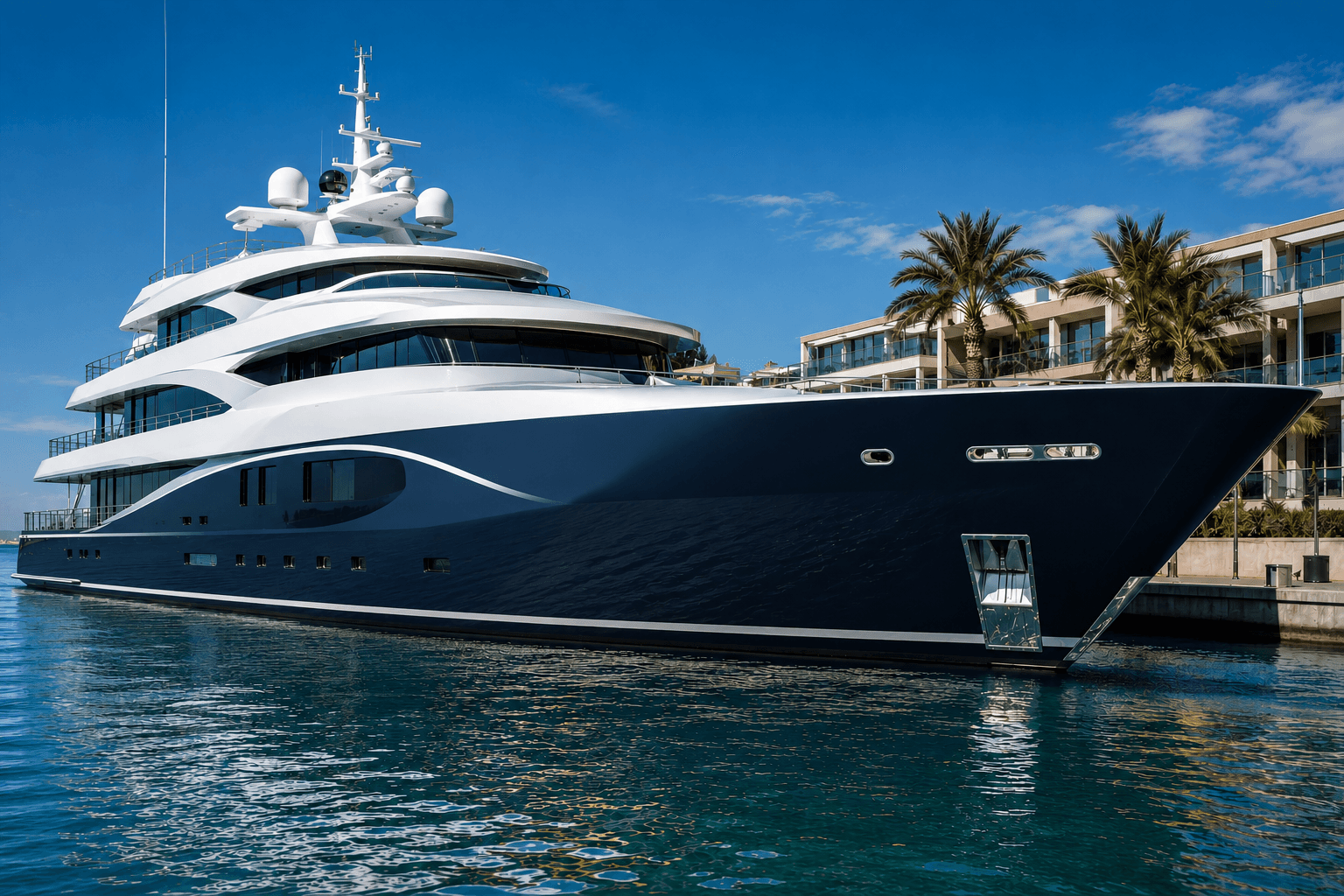
Luxury Yacht Wraps: The Complete Guide to Finishes, Styles, and Custom Marine Vinyl
Ocean Wraps works with luxury yacht and cruiser owners who want professional results, durable materials, and a finish that holds up on the water.
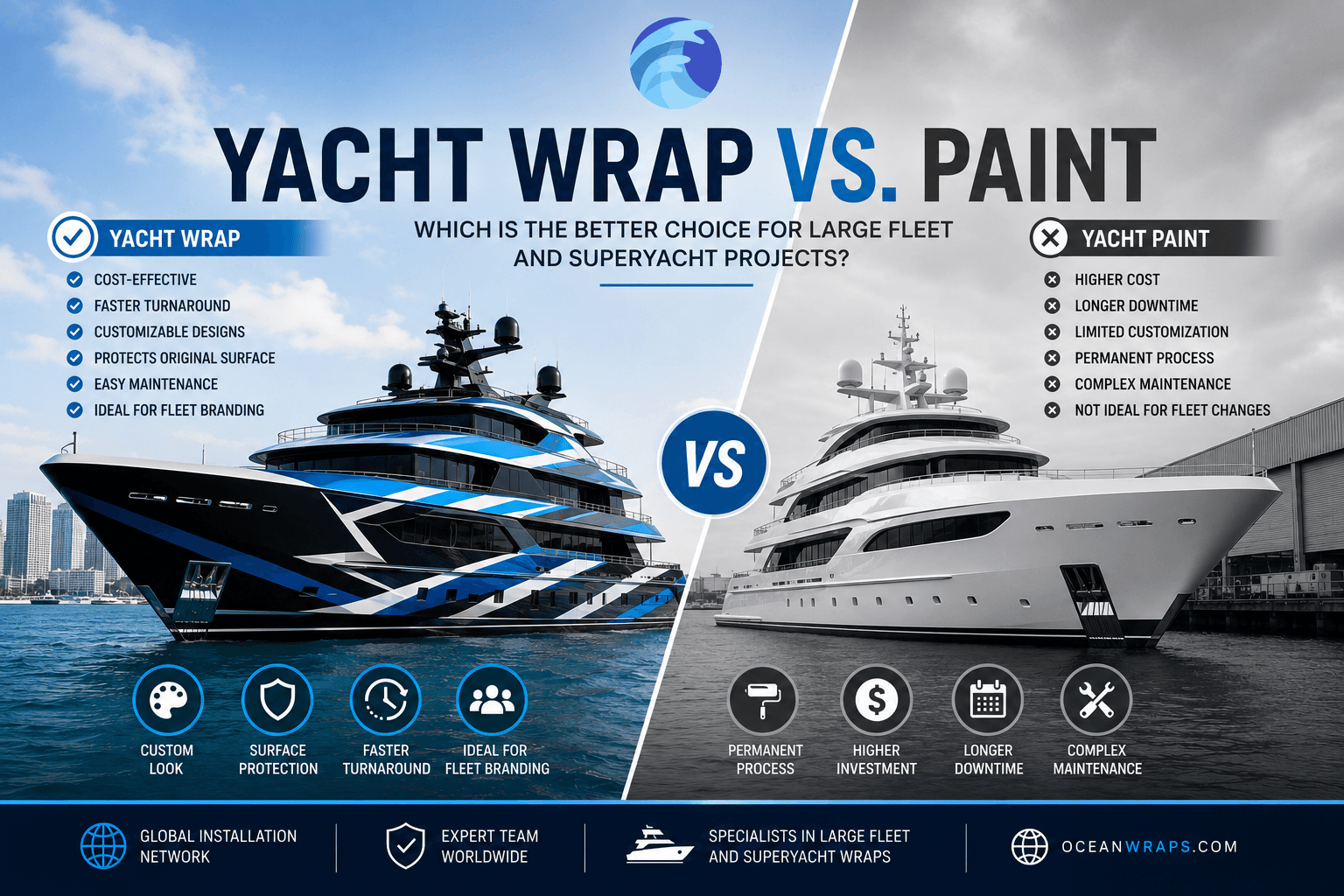
Yacht Wrap vs. Paint for Large Fleet & Superyacht Projects
Deciding between yacht wrap and paint for your fleet or superyacht? We break down real costs, downtime, durability, and which option actually makes sense at scale
How Much Does a Boat Wrap Cost? Complete Pricing Guide for 2026
Boat wrap prices vary widely depending on size, materials, and installer quality. Here's what a professional wrap actually costs in 2026 — and what to watch out for.
Luxury Yacht Wraps: The Complete Guide to Finishes, Styles, and Custom Marine Vinyl
Ocean Wraps works with luxury yacht and cruiser owners who want professional results, durable materials, and a finish that holds up on the water.
Boat Wraps Services
Why Florida Boat Owners Are Choosing Vinyl Boat Wraps in 2026
Discover why Florida boat owners are switching from paint to vinyl boat wraps. Learn the benefits, costs, protection, and customization options.
Guides
Boat Wraps vs Paint: 5 Reasons Why Wraps Win
Boat wraps cost less, install faster, and protect your gel coat better than traditional paint. Here's why so many boat owners are making the switch.
Guides
Yacht Wrap vs. Paint for Large Fleet & Superyacht Projects
Deciding between yacht wrap and paint for your fleet or superyacht? We break down real costs, downtime, durability, and which option actually makes sense at scale
Guides
How Much Does a Boat Wrap Cost? Complete Pricing Guide for 2026
Boat wrap prices vary widely depending on size, materials, and installer quality. Here's what a professional wrap actually costs in 2026 — and what to watch out for.