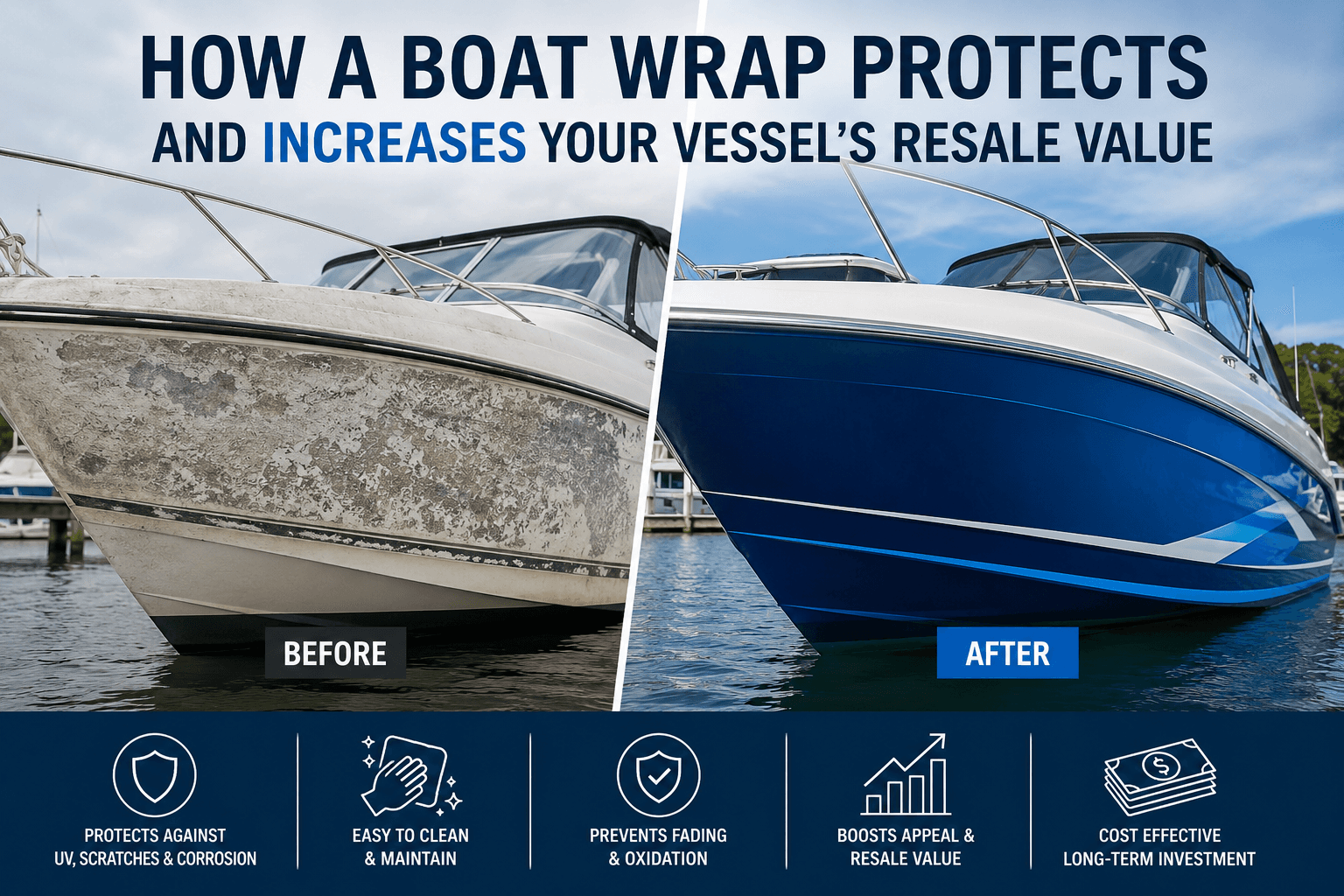

The Marine Environment: Your Wrap's Greatest Challenge#
Your boat faces a relentless combination of elements: intense ultraviolet (UV) radiation, corrosive saltwater, abrasive winds, and dramatic temperature shifts. These factors work synergistically to break down materials over time. A boat wrap, while incredibly durable, is not immune. However, with informed, proactive care, you can dramatically slow this degradation, preserving the vibrant appearance and protective function of your graphics for many extra seasons. Understanding the threats is the first step toward defeating them.
Proactive Protection: The Foundation of Longevity#
The Critical Role of Professional Installation#
Longevity begins long before the first cleaning. A flawless, professional installation by a team like Ocean Wraps is non-negotiable. Proper surface preparation, precise application without bubbles or wrinkles, and meticulous edge sealing (known as 'post-heating') create a barrier against moisture intrusion. Any tiny imperfection in the installation is a potential entry point for salt and water, leading to premature lifting or failure. Investing in expert installation is investing in years of additional service life.
Strategic Storage and Mooring#
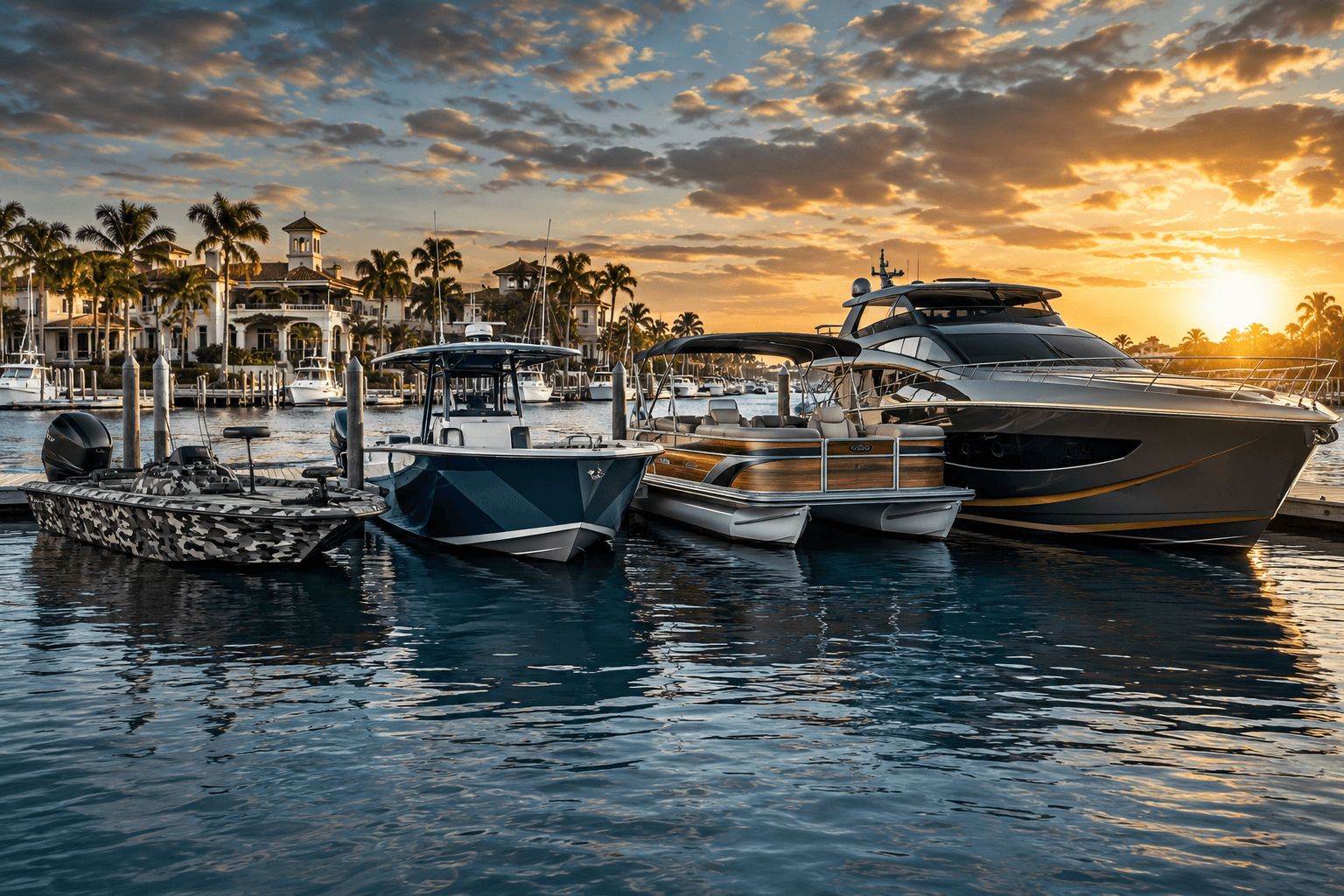
When not in use, minimize exposure. If possible, store your boat under a cover or in a covered slip. Use a breathable, soft fabric cover to protect from UV and bird droppings while allowing moisture to escape. When mooring, consider the sun's path; partial shade can reduce daily UV load. Also, use adequate fenders to prevent abrasive contact with docks and pilings, which can scratch the laminate.
The Cleaning Ritual: Your Most Powerful Tool#
Regular, gentle cleaning is the single most effective practice for extending wrap life. It removes contaminants before they can bond chemically or cause physical damage.
- Frequency: Rinse with fresh water after every saltwater use. Perform a thorough wash every 1-2 weeks during the season.
- Technique: Always rinse loose debris first. Use a soft microfiber mitt or sponge, a pH-neutral automotive or marine wash soap, and copious amounts of fresh water. Work in the shade on a cool surface.
- The 'No' List: Never use abrasive pads, stiff brushes, harsh detergents, household cleaners, or waxes not formulated for vinyl wraps. Avoid high-pressure washers; keep the nozzle wide and stay at least 12 inches from the surface.
- Target Contaminants: Promptly remove fuel spills, bird droppings, tree sap, and salt crust. These can stain or etch the laminate if left unattended.
The Importance of a Protective Top Coat#
After cleaning and completely drying the surface, applying a marine-grade vinyl wrap sealant or spray wax (specifically designed for wraps) is highly recommended. These products add a sacrificial layer of UV inhibitors and polymers that help repel water, contaminants, and minor abrasions. Reapply this top coat every 3-4 months for continuous protection.
Monitoring, Maintenance, and Timely Repair#
Regular Inspections#
Every few weeks, do a close visual and tactile inspection of your wrap. Pay special attention to high-stress areas: sharp corners, edges, rub rails, and anywhere lines or fenders make contact. Look for signs of lifting, small nicks, or scratches. Early detection is key to preventing a minor issue from becoming a major failure.
Addressing Minor Damage#
For small scratches, a quality vinyl wrap repair compound can often fill and mask the damage. For edges that begin to lift, a careful application of heat from a heat gun (on low setting) can reactivate the adhesive, allowing you to re-seal it. If you are unsure, consult a professional. Promptly repairing minor damage prevents water from getting underneath the vinyl.
Frequently Asked Questions#
How long should a boat wrap last in harsh conditions?#
With premium materials and professional installation, you can expect 5 to 7 years of service. However, this timeline is heavily dependent on the care regimen outlined here. Neglect can shorten lifespan significantly, while obsessive care can extend it beyond typical expectations. Exposure level (tropical vs. temperate) is also a major factor.
Can I use regular boat wax on my wrap?#
No. Many traditional boat waxes and compounds contain abrasives or chemicals that can dull or damage the vinyl's printable surface and protective laminate. Always use products specifically labeled as safe for vinyl wraps or vehicle graphics. The team at Ocean Wraps can recommend proven, effective products.
What is the biggest mistake owners make?#
Letting contaminants sit. Salt crystals are abrasive, and bird droppings are acidic. Both act quickly to degrade the top coat and can lead to permanent staining or etching. The simple habit of a fresh-water rinse after use is the easiest and most impactful longevity practice.
Is it normal for the wrap to look slightly duller over time?#
Yes, a very gradual reduction in gloss is normal due to microscopic surface degradation from UV exposure. This is why the protective top coat is so valuable—it slows this process dramatically. Proper cleaning also removes oxidized material, restoring much of the shine. A significant, patchy, or chalky dullness may indicate a problem with the laminate or prolonged neglect.
Your Partner in Preservation#
Think of your boat wrap not as a permanent finish, but as a durable, protective skin that thrives with care. By integrating these practices—gentle cleaning, proactive protection, and prompt repair—into your regular boating routine, you defend your graphic investment against the marine environment. This commitment ensures your vessel continues to turn heads and reflect your pride on the water for the long haul. For a professional assessment or repair consultation, reaching out to your installer is always a wise step.
A boat wrap's longevity is determined less by the calendar and more by the care it receives between voyages.