Extending Your Boat Wrap's Life in Harsh Marine Climates
Expert guide to protect your boat wrap from UV rays, salt, and weather. Learn maintenance, cleaning, and storage tips to maximize longevity in marine environmen
Last updated February 18, 2026
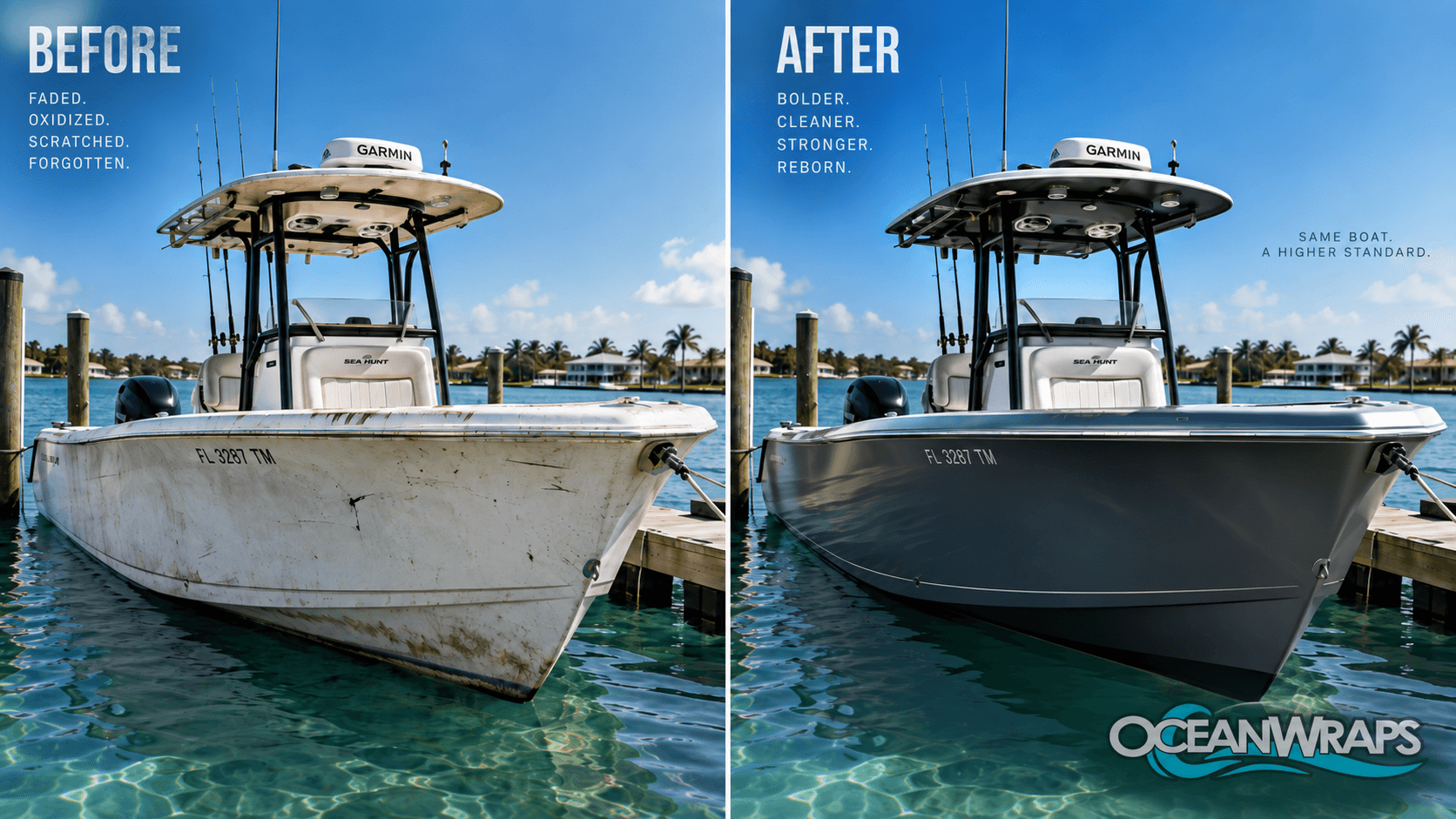
A high-quality boat wrap transforms your vessel's appearance, but the marine environment is one of the most demanding on earth. Constant UV radiation, corrosive salt, abrasive winds, and biological growth relentlessly test the limits of even the best materials. Protecting your investment isn't just about aesthetics; it's about preserving the wrap's integrity and the underlying gel coat. With a proactive care regimen, you can significantly extend the life and vibrancy of your wrap, ensuring it looks brilliant for years. This guide provides practical, actionable steps tailored for boaters in harsh coastal and offshore climates.
Understanding the Enemies: Sun, Salt, and Abrasion#
To defend your wrap effectively, you must know what you're up against. Ultraviolet (UV) radiation is the primary culprit in graphic degradation, causing colors to fade and the vinyl's top coat to break down over time. Salt, whether airborne spray or dried crystals, is hygroscopic and corrosive. It can trap moisture against the vinyl and promote oxidation. Physical abrasion comes from many sources: dock lines, fenders, sand particles in the wind, and even improper cleaning tools. Each factor works in concert, accelerating wear if left unchecked.
Regular, correct cleaning is the single most effective practice for wrap longevity. It removes salt, pollutants, and organic residues before they can cause permanent damage.
After every saltwater excursion, a thorough rinse with fresh, clean water is non-negotiable. This simple step flushes away salt and minerals before they dry and crystallize. For boats kept in saltwater marinas, a weekly freshwater rinse is a minimum standard.
For a deeper clean, use a dedicated vinyl wrap or automotive wash solution in a bucket. Avoid household detergents, dish soaps, or abrasive cleaners, as they can strip protective coatings. Use a soft, clean microfiber mitt or cloth, working from the top down in straight lines. A gentle stream from a hose is best; avoid high-pressure washers, especially on edges and seams, as they can force water underneath the material.
While the vinyl itself has UV inhibitors, adding an extra layer of protection is wise for harsh climates. Specially formulated marine vinyl sealants and spray coatings provide a sacrificial barrier. They enhance gloss, make future cleaning easier by creating a slick surface, and add supplemental UV protection. A quality product applied once or twice a season, following the manufacturer's instructions precisely, can dramatically slow fade and repel contaminants. The team at Ocean Wraps can recommend compatible protectants for your specific wrap material.
Whenever possible, store your boat under a cover or in a covered slip. Consistent shade is the ultimate defense against UV degradation. If a full cover isn't feasible, consider a fitted bow or cockpit cover to protect the most exposed and complex graphic areas.
Marine growth like algae and waterline stains are inevitable. Address them promptly. For organic growth, use a marine-grade, vinyl-safe cleaner. Apply it, allow it to dwell as directed, and gently agitate with a soft brush before rinsing thoroughly. Never use metal scrapers, abrasive pads, or harsh chemicals like acetone or gasoline. For stubborn tar or oil, a small amount of isopropyl alcohol on a microfiber cloth can be used with spot testing first.
Conduct a detailed inspection of your wrap monthly. Look for lifting edges, small punctures, or stone chips. Heat from the sun can reactivate the adhesive on some materials, allowing you to gently press down minor lifts with a soft, felt-edged squeegee. For any compromise in the vinyl, contact a professional installer immediately. A small, repaired flaw prevents water intrusion and larger failures. Keeping a small touch-up kit from your installer on board is a smart precaution for extended voyages.
For boats in intense, year-round sun and salt, applying a high-quality marine vinyl sealant every 3-4 months is ideal. In seasonal climates, a thorough application at spring commissioning and another at mid-season will provide robust protection. Always follow the specific product's label for optimal results.
No. Traditional paste or liquid carnauba waxes and compound polishes are not formulated for vinyl wraps and can cause hazing, residue buildup, or damage the top coat. Only use products specifically labeled as safe for vinyl, vehicle wraps, or graphics. These are typically polymer sealants or spray coatings.
Neglecting the immediate freshwater rinse after saltwater use. Allowing salt to dry and bake onto the surface is highly corrosive and abrasive. The second most common error is using abrasive cleaning tools like stiff brushes or harsh chemicals, which microscratch the protective laminate.
If you notice significant color fade, widespread cracking of the laminate, large areas of lifting film, or adhesive failure, it's time for a professional evaluation. An expert can determine if a section can be replaced or if a full rewrap is the most cost-effective solution. Proactive maintenance, as outlined here, will delay this need for as long as possible.
Your boat wrap is a durable, high-performance asset. By integrating these protective habits into your regular boating routine, you actively combat the harsh marine climate. Consistent care maximizes your enjoyment and return on investment, keeping your vessel looking its absolute best. For personalized advice on caring for your specific graphics, consult with your installation professional. Published with the latest marine care insights as of February 18, 2026.
New Boat Prices Are Skyrocketing — Here's the Smarter Move Boat Owners Are Making
New boat prices are at record highs. Here's why more owners are choosing marine vinyl wraps to refresh their boat's look and protect the hull, without the cost of buying new
Get your boat ready for FIFA World Cup 2026 with a luxury custom wrap. Stand out on the water with premium marine graphics, gold finishes, and championship-inspired designs.
New Boat Prices Are Skyrocketing — Here's the Smarter Move Boat Owners Are Making
New boat prices are at record highs. Here's why more owners are choosing marine vinyl wraps to refresh their boat's look and protect the hull, without the cost of buying new
Boat Wraps Services
Boat Wrap Designs by Boat Type: What Actually Works on Your Vessel
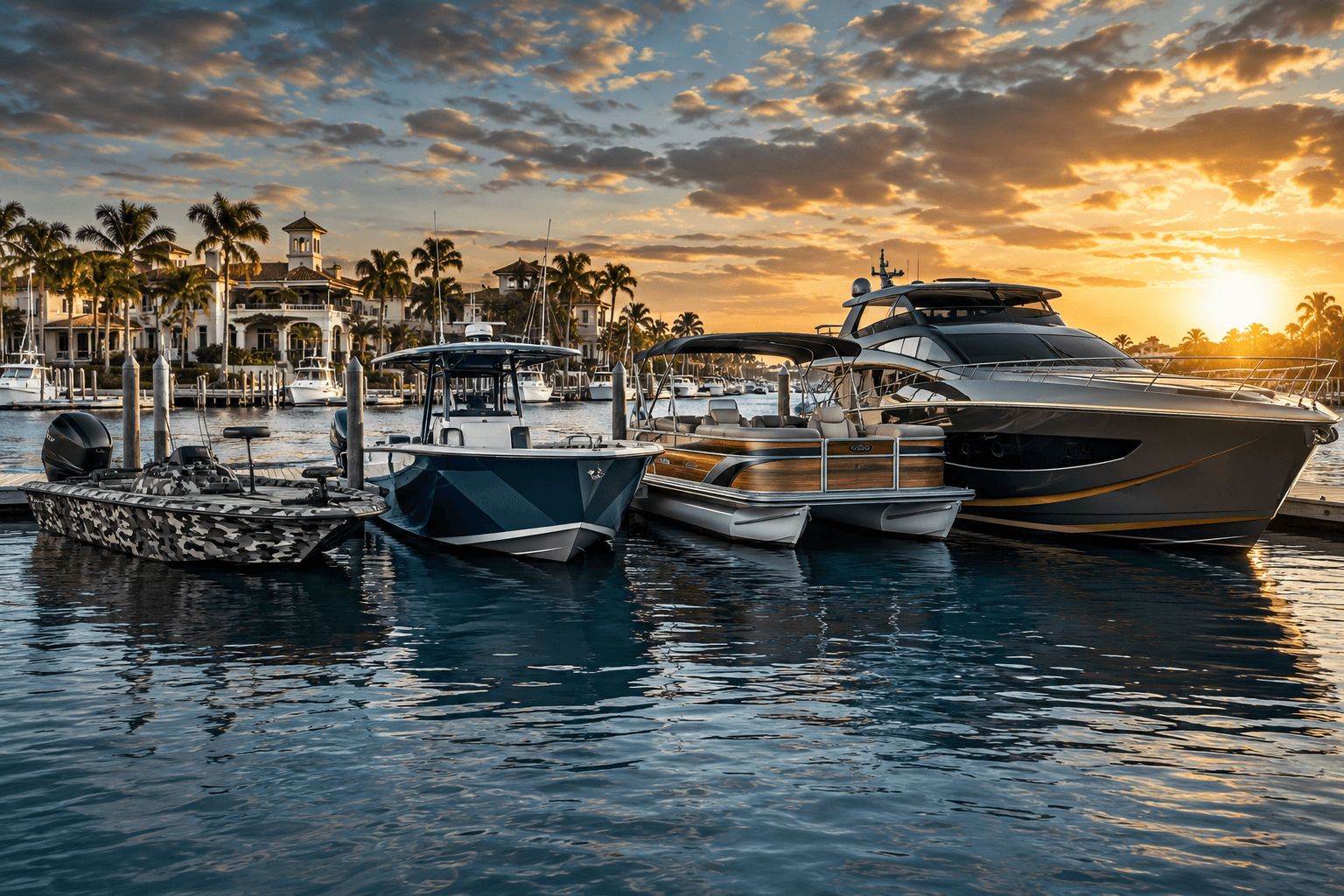
A wrap that's perfect for a sportfishing boat chasing marlin offshore would look completely out of place on a family pontoon.
Boat Wraps Services
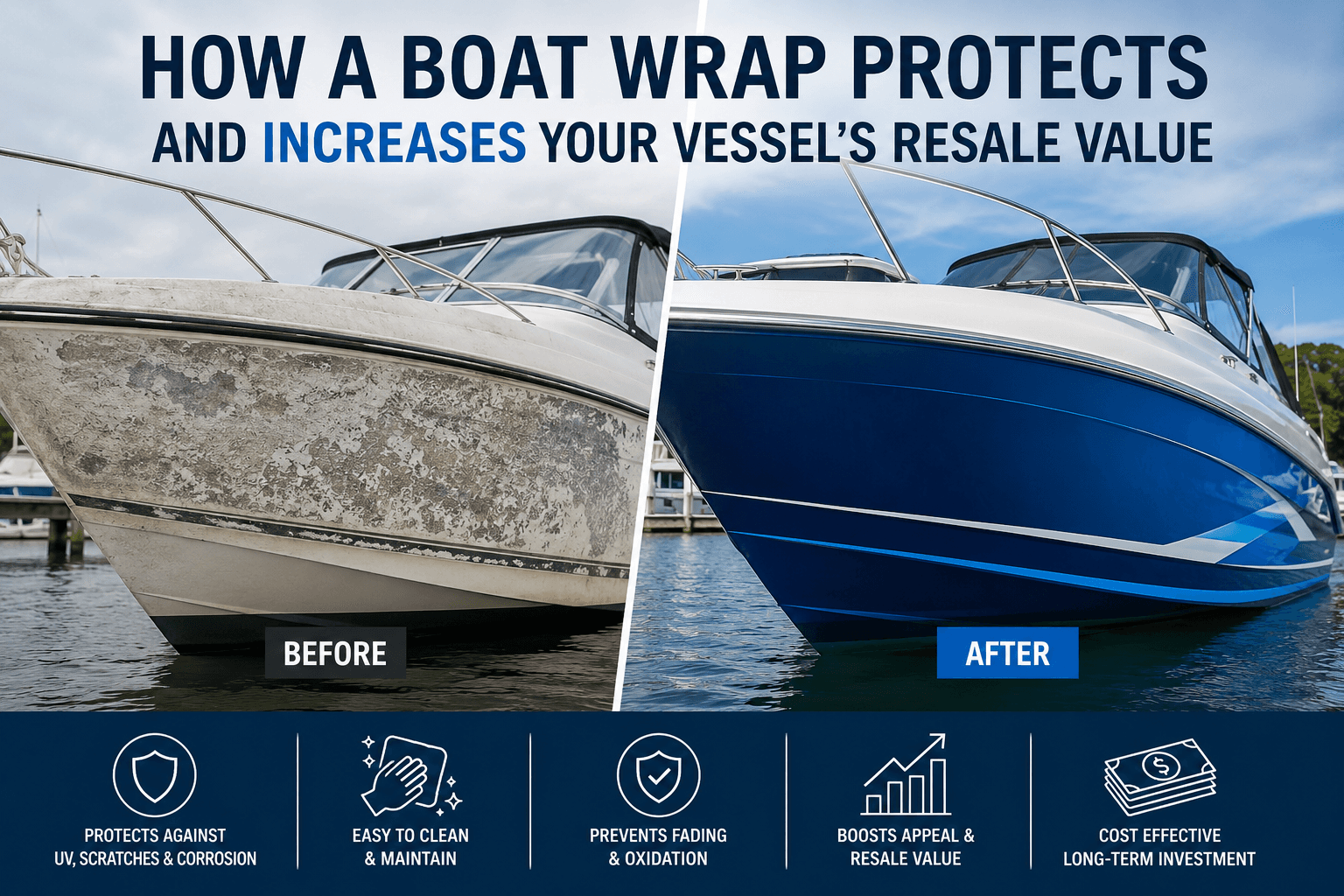
How a Boat Wrap Protects and Increases Your Vessel's Resale Value
How a Boat Wrap Can Protect and Increase Your Vessel's Resale Value
Boat Wraps Services
Top 10 FIFA World Cup Boat Wrap Ideas to Try This Season
If you already know you want your boat wrapped for World Cup season, the next question is which design actually fits your vessel.
Boat Wraps Services
Custom Boat Wraps for FIFA World Cup 2026
Get your boat ready for FIFA World Cup 2026 with a luxury custom wrap. Stand out on the water with premium marine graphics, gold finishes, and championship-inspired designs.
Boat Wraps Services
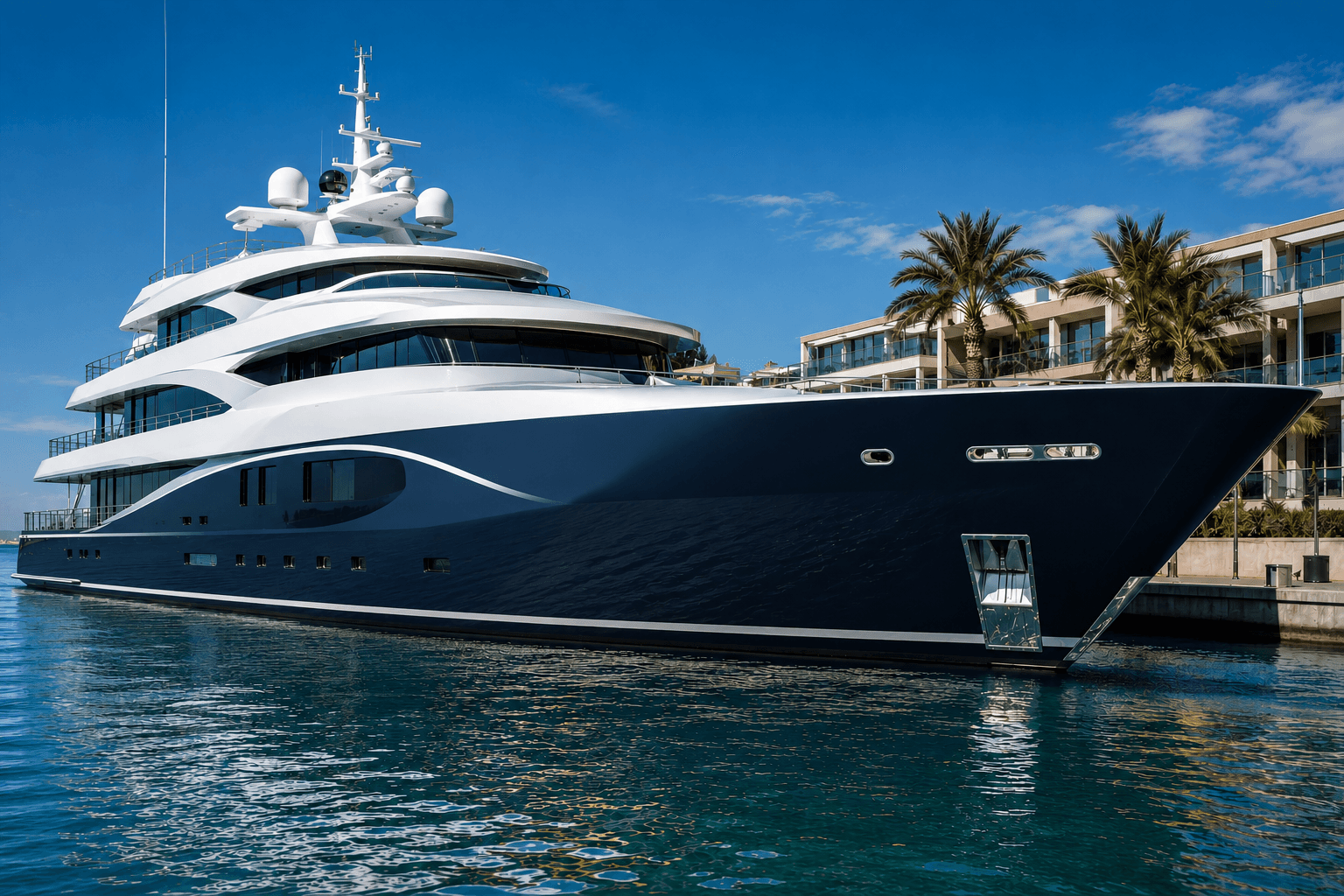
Luxury Yacht Wraps: The Complete Guide to Finishes, Styles, and Custom Marine Vinyl
Ocean Wraps works with luxury yacht and cruiser owners who want professional results, durable materials, and a finish that holds up on the water.
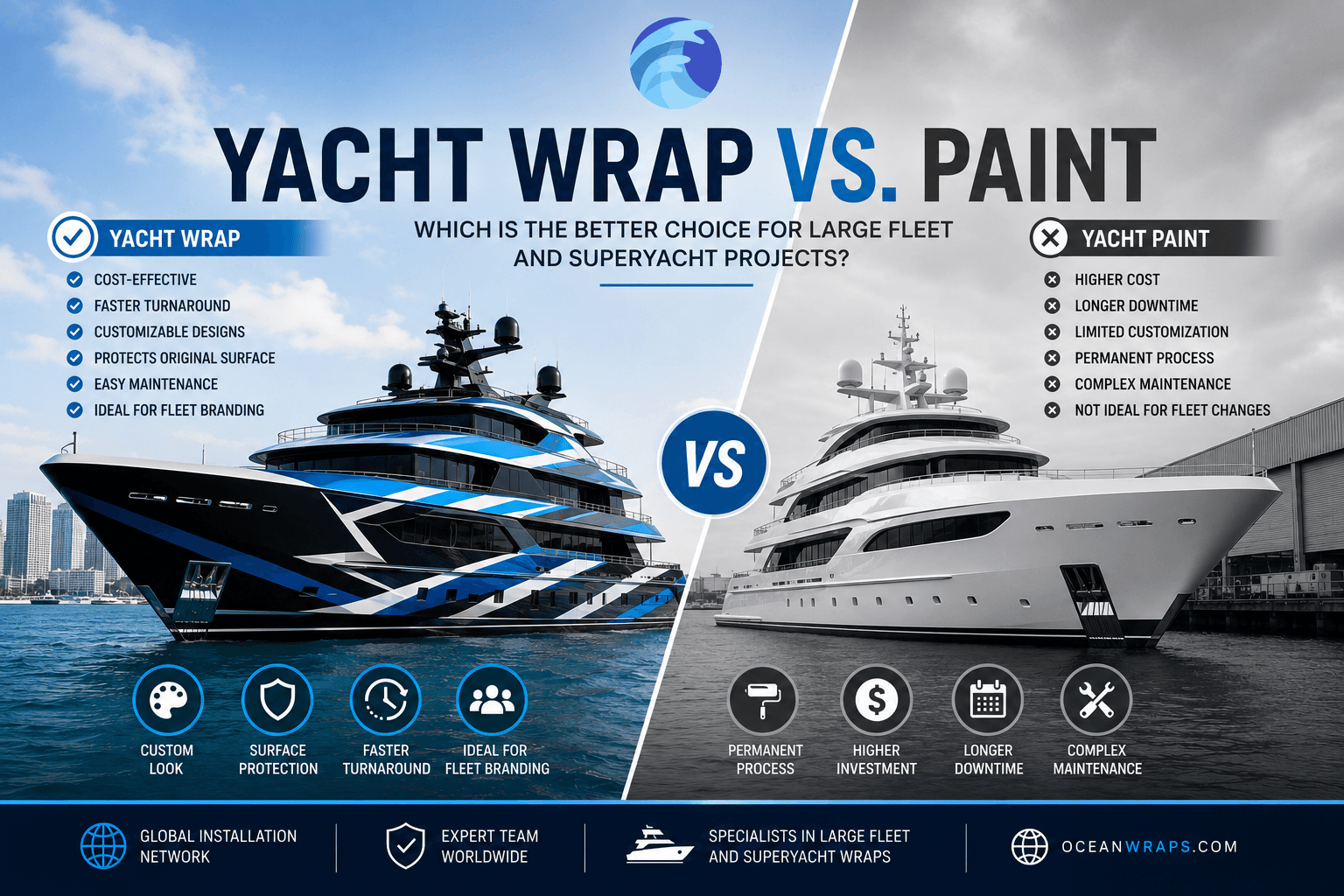
Yacht Wrap vs. Paint for Large Fleet & Superyacht Projects
Deciding between yacht wrap and paint for your fleet or superyacht? We break down real costs, downtime, durability, and which option actually makes sense at scale
How Much Does a Boat Wrap Cost? Complete Pricing Guide for 2026
Boat wrap prices vary widely depending on size, materials, and installer quality. Here's what a professional wrap actually costs in 2026 — and what to watch out for.
Luxury Yacht Wraps: The Complete Guide to Finishes, Styles, and Custom Marine Vinyl
Ocean Wraps works with luxury yacht and cruiser owners who want professional results, durable materials, and a finish that holds up on the water.
Boat Wraps Services
Why Florida Boat Owners Are Choosing Vinyl Boat Wraps in 2026
Discover why Florida boat owners are switching from paint to vinyl boat wraps. Learn the benefits, costs, protection, and customization options.
Guides
Boat Wraps vs Paint: 5 Reasons Why Wraps Win
Boat wraps cost less, install faster, and protect your gel coat better than traditional paint. Here's why so many boat owners are making the switch.
Guides
Yacht Wrap vs. Paint for Large Fleet & Superyacht Projects
Deciding between yacht wrap and paint for your fleet or superyacht? We break down real costs, downtime, durability, and which option actually makes sense at scale
Guides
How Much Does a Boat Wrap Cost? Complete Pricing Guide for 2026
Boat wrap prices vary widely depending on size, materials, and installer quality. Here's what a professional wrap actually costs in 2026 — and what to watch out for.