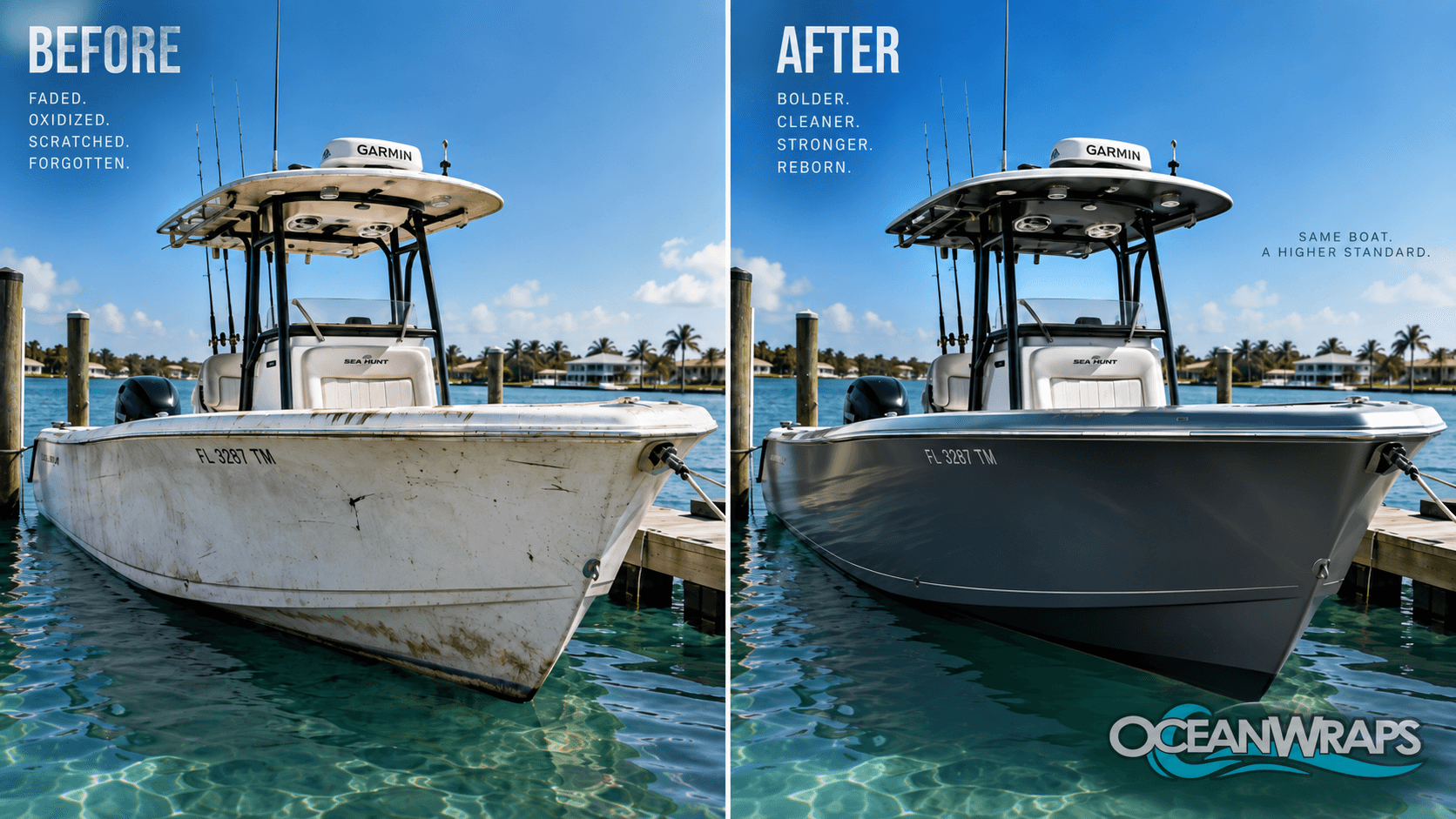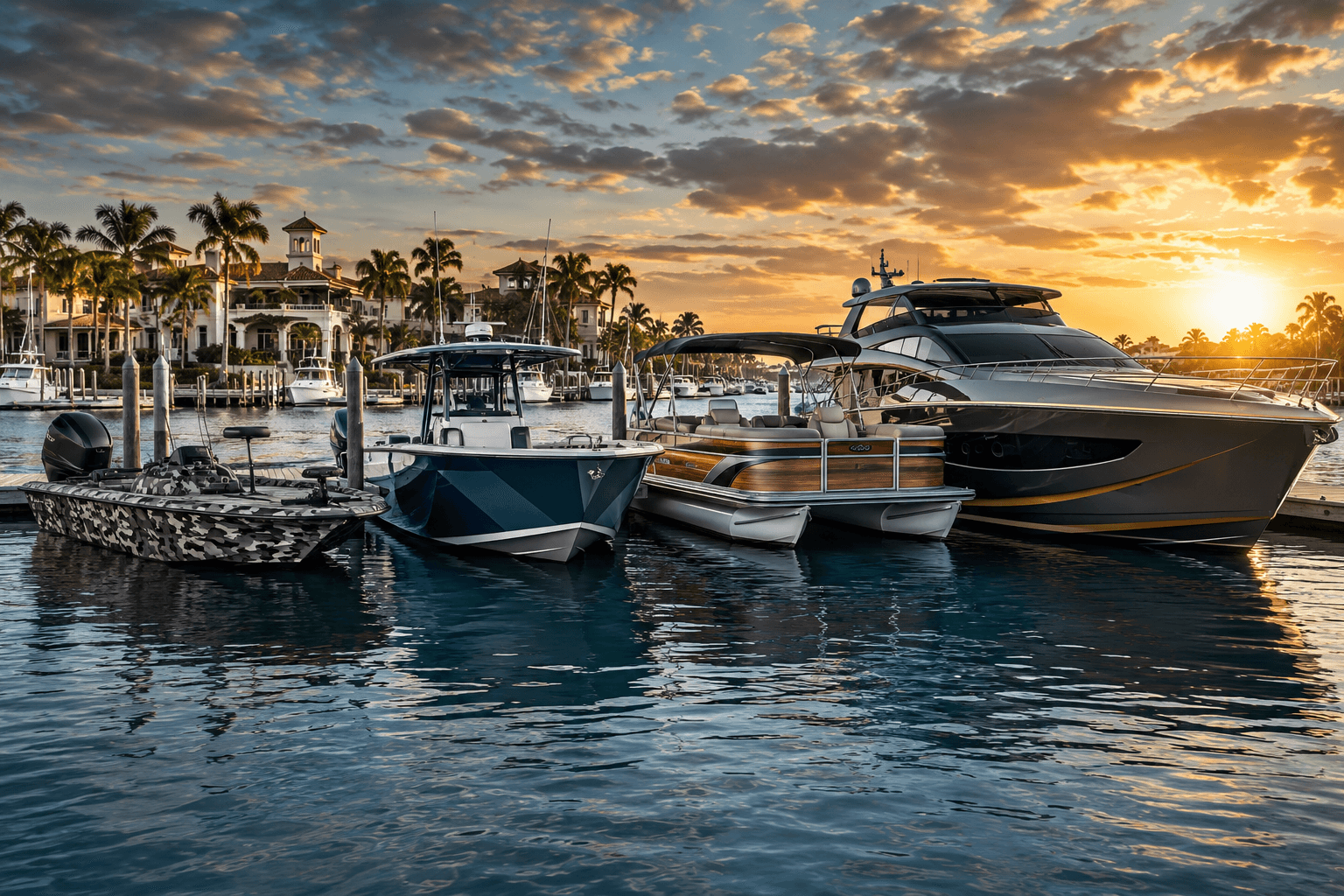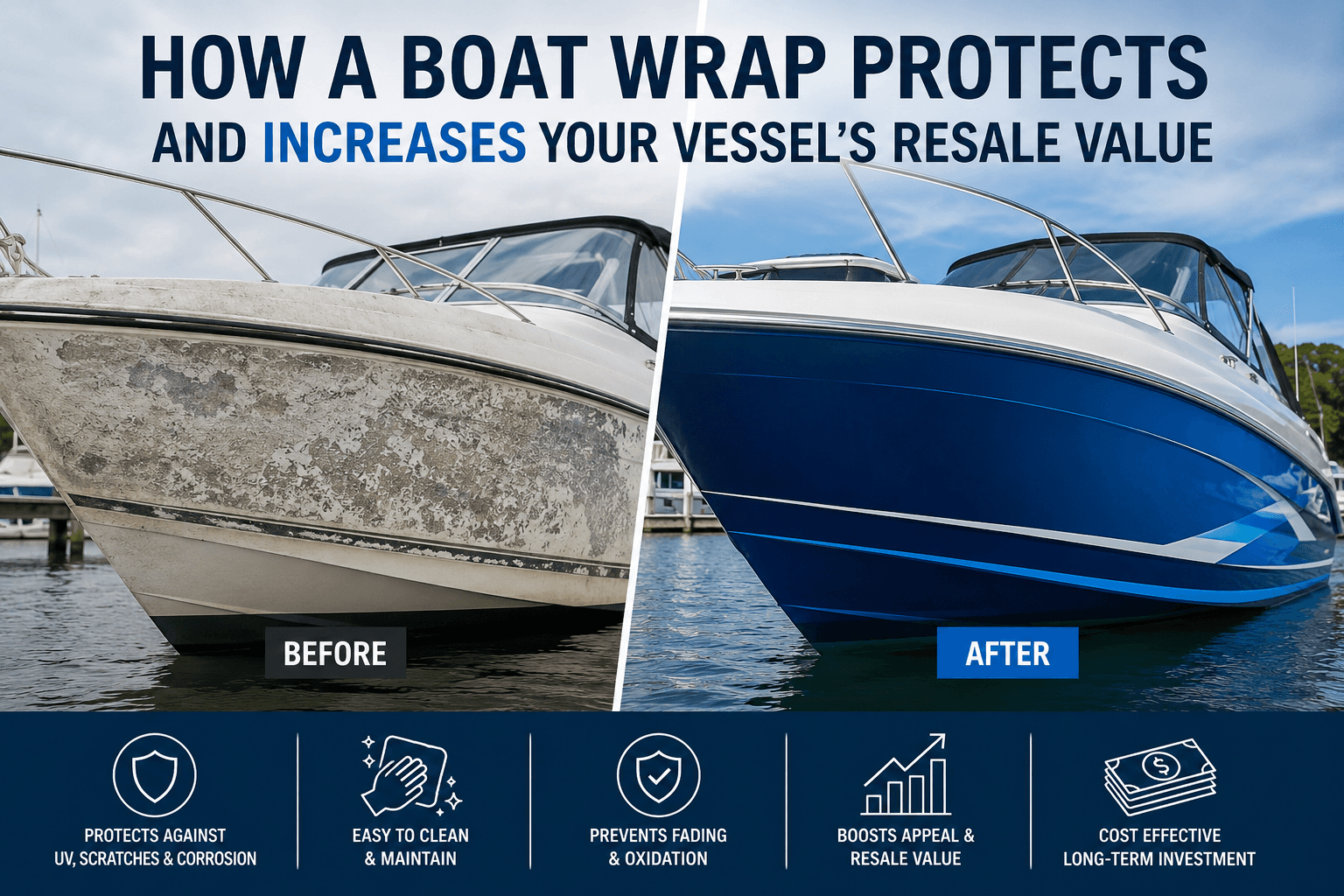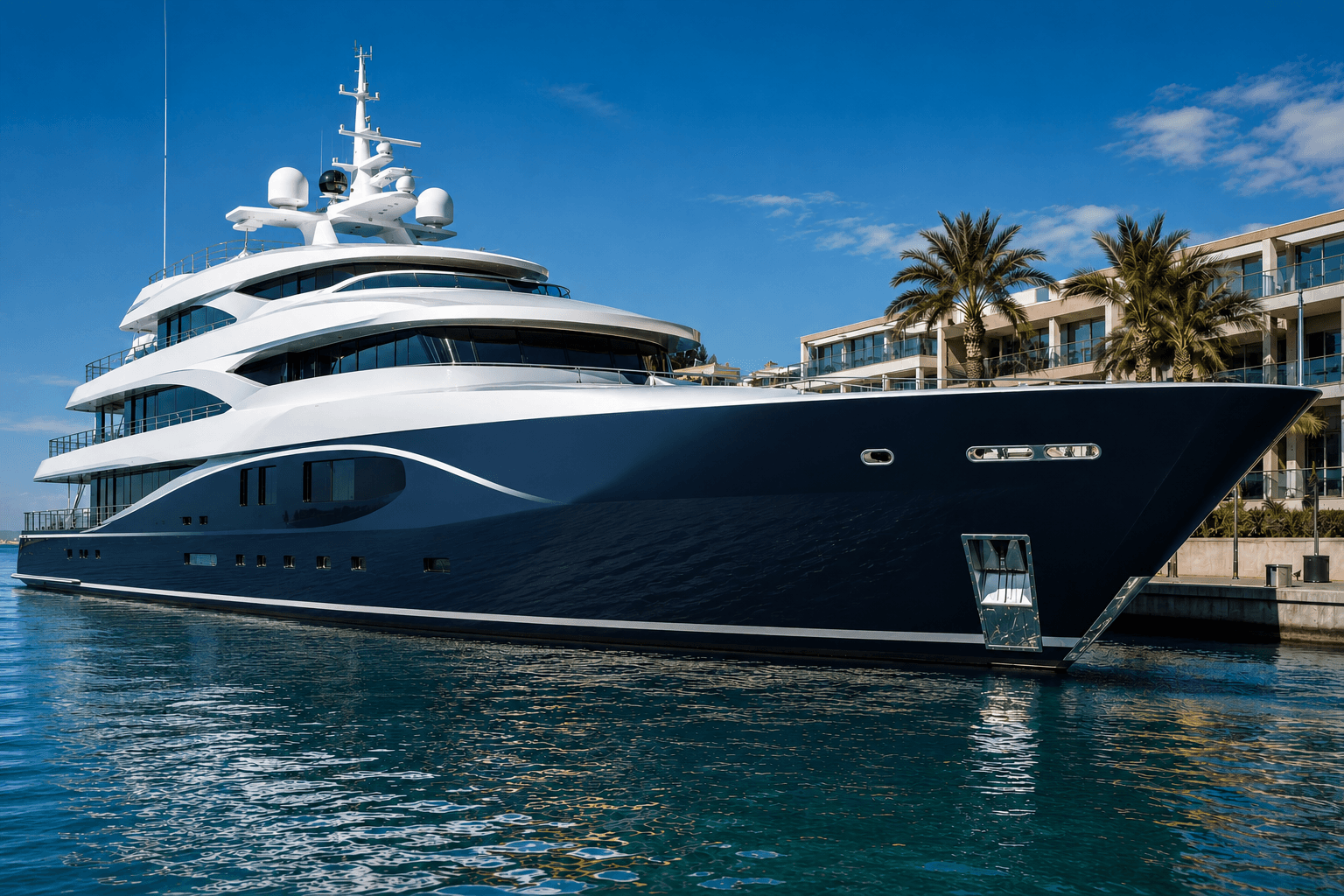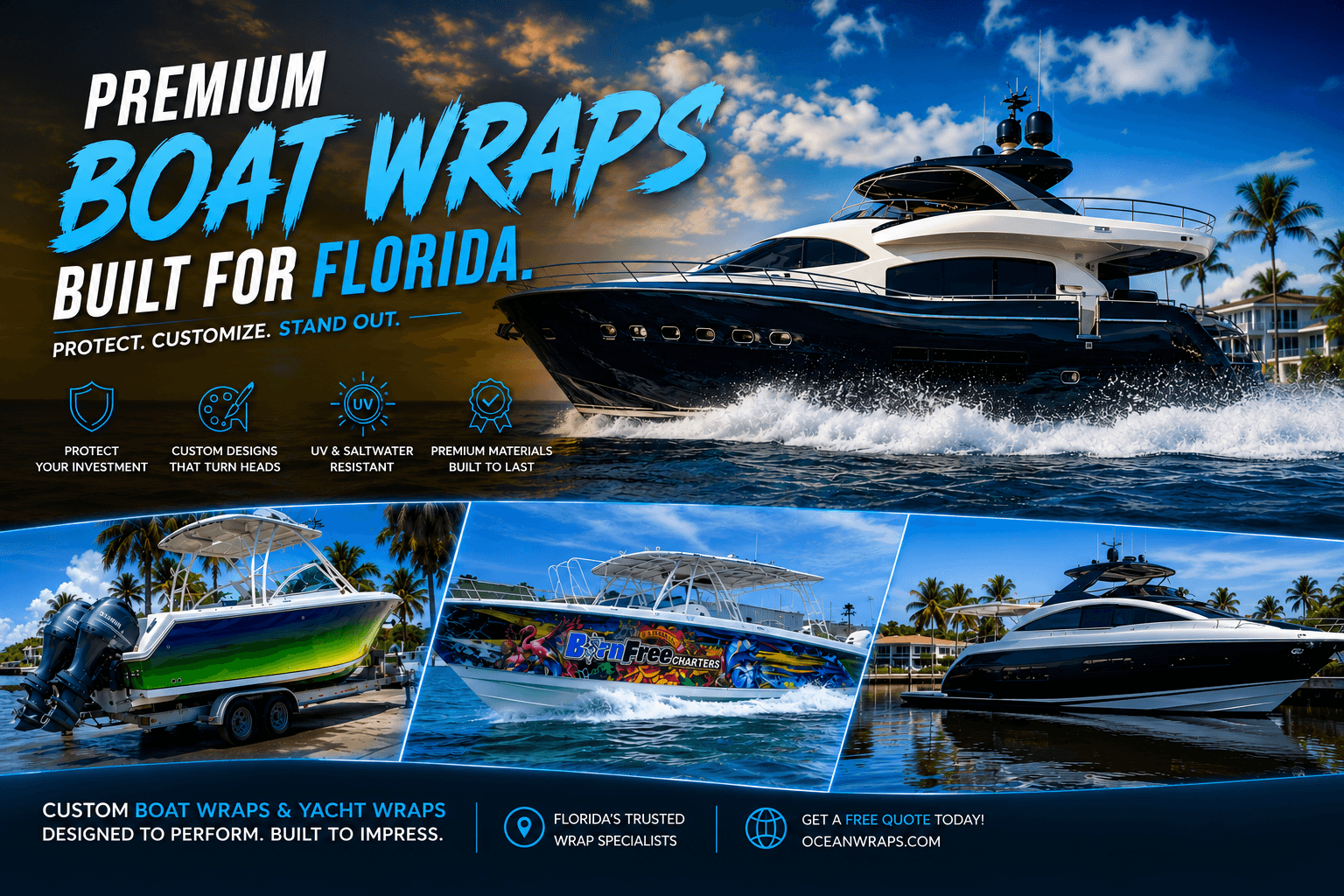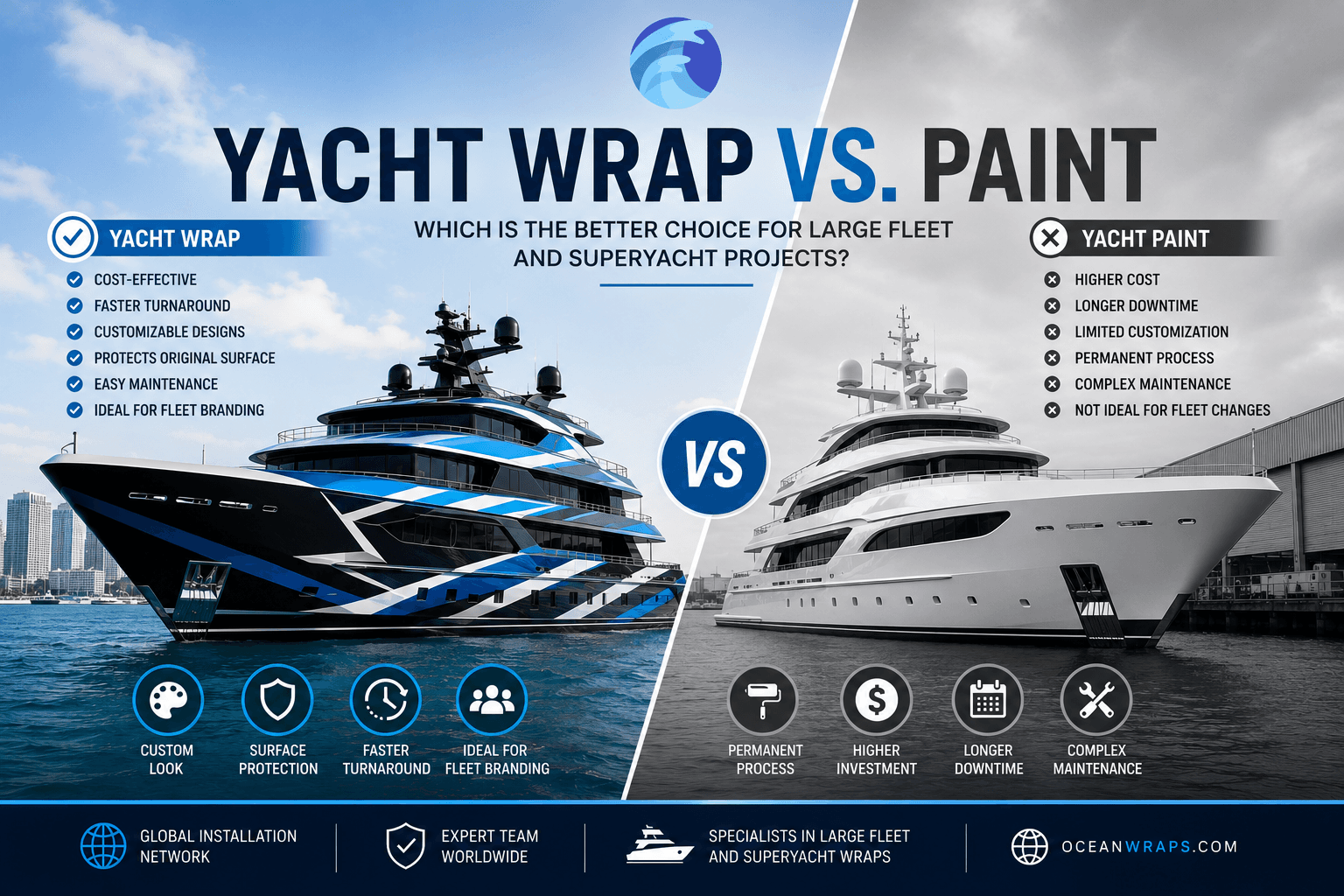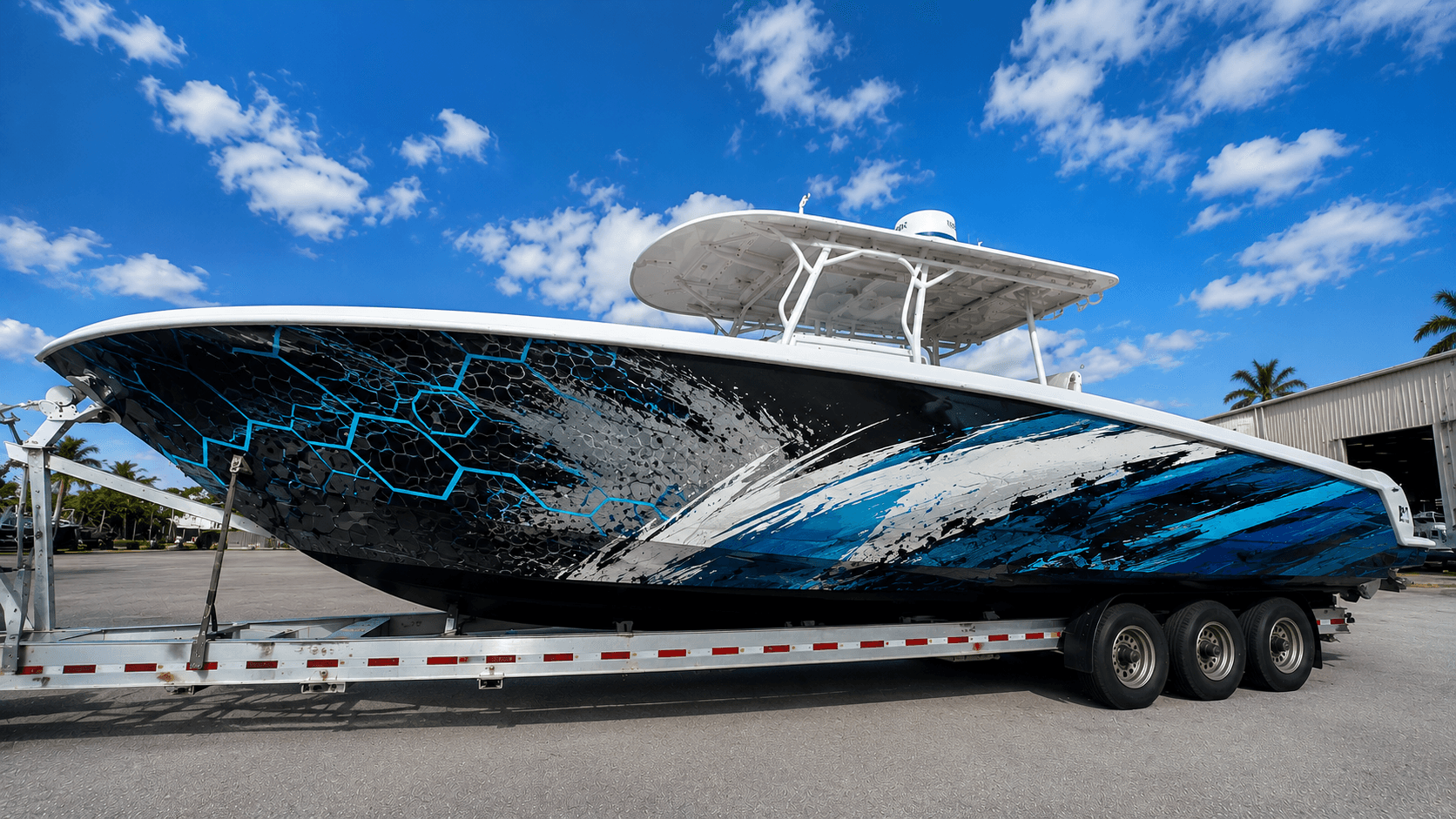
For Tampa Bay boat owners, the intense marine climate demands proactive hull protection. While traditional gelcoat restoration is a recurring cost, a strategic investment in professional boat wraps provides superior UV defense and measurable long-term savings. This analysis compares the return on investment between these two approaches for vessels navigating local waters.
Key Takeaways#
- Professional expertise - OceanWraps certified team. High-performance boat wraps act as a sacrificial UV barrier, preventing oxidation and fading that degrade underlying gelcoat.
- The ROI calculation must include avoided costs of professional gelcoat restoration, typically needed every 3-5 years in Tampa's climate.
- Expert installation is critical for durability; proper surface prep, seam placement, and edge sealing prevent failure in salt-air environments.
- Beyond protection, a wrap delivers immediate graphic impact and can enhance resale value in the local brokerage market.
- Using certified materials and proven techniques ensures longevity, making the wrap a capitalized asset rather than a recurring expense.
- Partnering with a trusted provider ensures the job meets marine-specific standards for performance and aesthetics.
The Tampa-Specific Cost of UV Damage#
Tampa's high UV index and salt spray create a perfect storm for gelcoat degradation. This leads to chalking, fading, and eventually, compromised structural integrity. Once the gelcoat fails, water intrusion and osmotic blistering can begin, requiring far more extensive repairs.
The Annual Restoration Cycle: A Recurring Cost#
Traditional maintenance involves compounding and waxing, which removes gelcoat over time. Eventually, full restoration is required—a costly service that recurs every few years. This represents a perpetual operational expense with no lasting asset benefit.
Boat Wraps as a Capitalized Protective Asset#
A professionally installed wrap transforms hull protection from an operational cost into a long-term asset. Premium materials block over 98% of harmful UV rays, acting as a sacrificial layer. This preserves the factory gelcoat underneath in pristine condition for the life of the installation.
Calculating the ROI for a Tampa Vessel#
For a typical vessel, the one-time cost of a wrap offsets at least one major gelcoat restoration over its 5-8 year lifespan. The ROI is realized in direct cash savings, reduced maintenance time, and preserved hull value—critical in Tampa's demanding environment.
Process Overview#
The performance of a boat wrap depends entirely on installation quality. A professional process ensures durability in Florida conditions.
- Preparation: The hull is meticulously cleaned, dewaxed, and polished to create a perfect bonding surface free of contaminants.
- Design & Templating: Digital templates and marine-specific design software ensure graphics align with complex hull curves and hardware.
- Installation: Certified technicians use specialized tools and heat to conform the material seamlessly over compound curves without bridging or wrinkles.
- Finishing: All edges are meticulously post-heated and sealed—the most critical step for preventing moisture ingress and ensuring saltwater longevity.
Materials & Finish Options#
Marine applications demand specific materials. Cast vinyl is the industry standard for hulls due to its superior conformability and long-term stability. A marine-grade laminate is then applied; this layer contains UV absorbers and stabilizers that provide the primary solar shield. Gloss, matte, and metallic finishes are available, each requiring specific care protocols for the local environment.
FAQ#
How long do boat wraps last in Tampa?#
With expert installation and proper care, a marine wrap typically lasts 5 to 8 years. Lifespan directly correlates with sun exposure, maintenance, and initial installation quality. A vessel in covered storage will see maximum longevity.
Can a wrap be applied over old gelcoat?#
A wrap requires a sound, solid surface. While it can conceal minor fading, severely chalked or damaged gelcoat must be restored first for proper adhesion. A professional assessment is essential.
How do I maintain a wrapped boat in salt water?#
Rinse with fresh water after every saltwater exposure. Use only non-abrasive, ammonia-free cleaners. Avoid high-pressure washes near edges. An annual professional inspection can identify and address minor issues proactively.
Will removal damage my gelcoat?#
Properly installed and removed marine vinyl will not damage sound gelcoat. By shielding it from UV and oxidation, the protected gelcoat is often in superior condition. Professional removal using correct techniques is recommended.