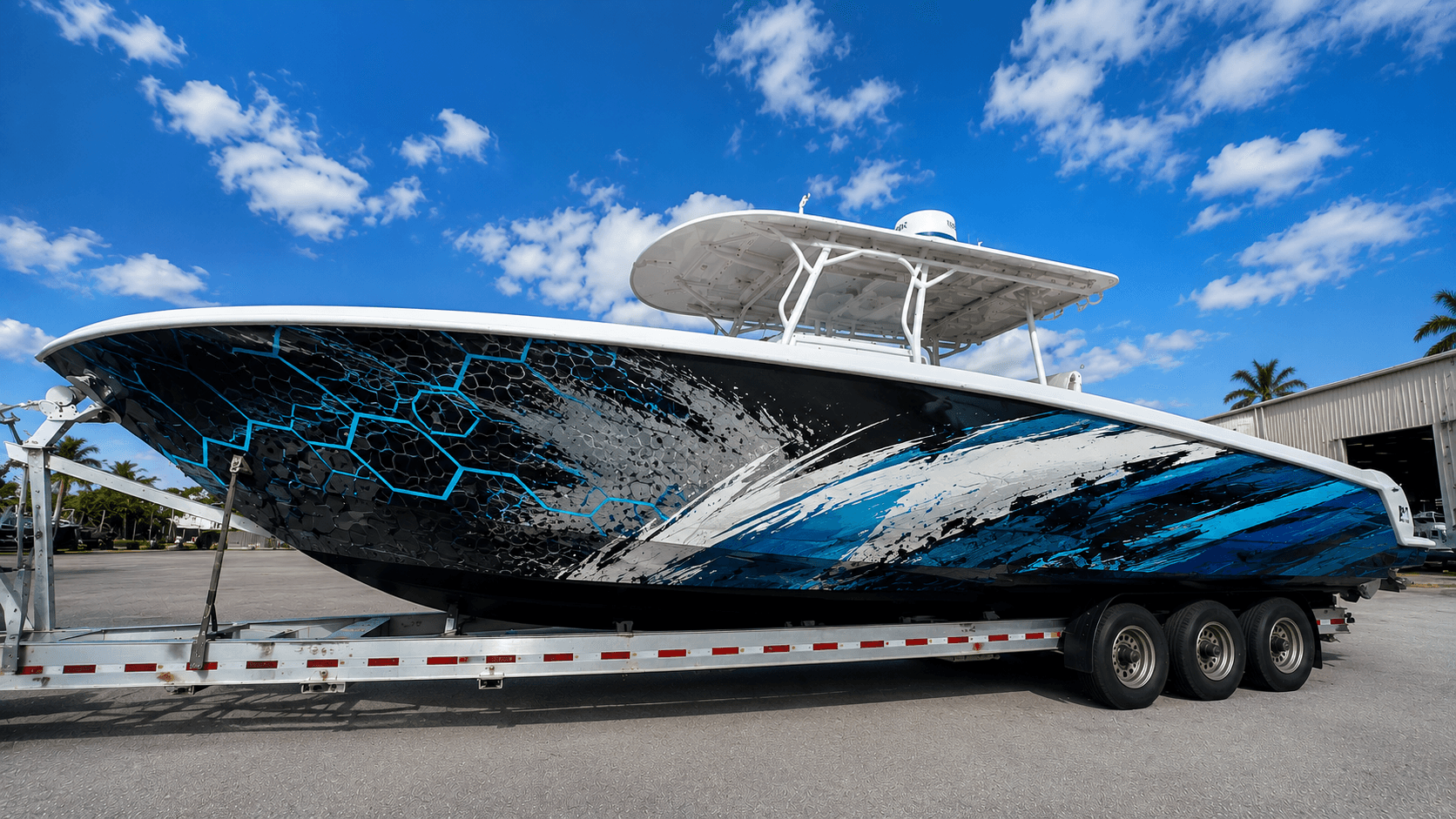
Boat Wraps and Environmental Compliance: Navigating Eco-Friendly Marina Regulations
Learn how professional boat wraps meet strict marina environmental regulations. Expert guide on compliant materials, installation, and maintenance for vessel ow
Last updated March 13, 2026
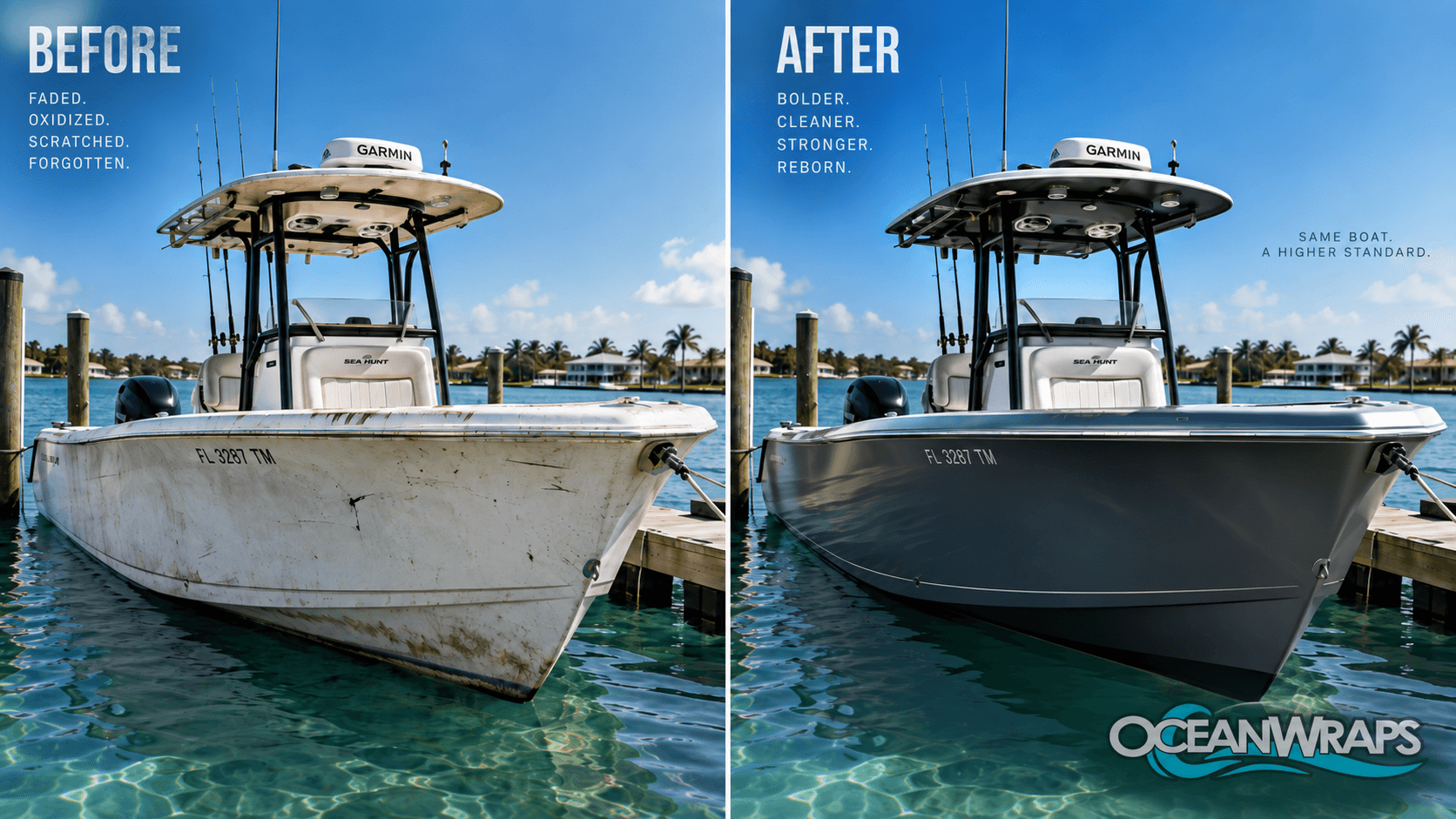
For vessel owners, navigating the growing landscape of eco-friendly marina regulations is a critical operational consideration. Traditional antifouling paints and solvent-based coatings are increasingly scrutinized for their environmental impact. As a result, high-performance boat wraps have emerged as a sophisticated, compliant solution for hull and topside graphics, offering superior durability and environmental safety without sacrificing aesthetic impact.
Understanding the intersection of professional vessel graphics and environmental stewardship is key. Here are the core advantages of opting for a certified, professional boat wrap solution in regulated marinas.
Professional marine-grade vinyl wraps contain no volatile organic compounds (VOCs) during application, eliminating a primary regulatory concern associated with liquid paints.
Premium cast vinyl films and protective laminates are inert once installed, preventing leaching of heavy metals or biocides into the water column, a critical factor for hull applications.
Certified installers, like the team at OceanWraps, follow stringent surface prep and sealing protocols that ensure long-term adhesion and prevent material degradation.
Superior UV resistance in professional-grade materials drastically extends service life, reducing the frequency of reapplication and associated waste.
A professionally installed boat wrap protects the underlying gelcoat, preserving the vessel's structure and resale value while allowing for easy, non-damaging removal.
Custom graphics and finishes are achieved without the environmental footprint of paint overspray, containment barriers, or chemical strippers.
The Regulatory Shift: Why Boat Wraps Are a Compliant Choice#
Marinas, especially those in ecologically sensitive areas or with Blue Flag status, are adopting stringent rules to protect water quality. These often prohibit in-water painting, mandate containment for sanding, and restrict certain chemical compounds. A professional vinyl wrap installation circumvents these issues entirely. The process is dry, generates minimal waste, and uses materials that are stable in marine environments. This proactive approach positions responsible owners in good standing with marina management and environmental auditors.
Surface Preparation: Expert prep is non-negotiable. The hull or topside must be impeccably clean, dewaxed, and polished. Any contaminants trapped under the film can lead to failure and are a sign of amateur installation.
Edge Sealing and Hardware: Professional installers meticulously wrap edges and remove hardware where possible. Proper sealing techniques prevent water ingress and peeling, which is vital for both durability and preventing debris.
Managing Complex Curvature: A vessel's complex curves require high-conformability cast vinyl and expert heat application. Inferior materials or techniques will crease or fail, creating potential points for environmental wear and tear.
Understanding Marina Specifics: Always consult your marina's specific bylaws. A professional provider like OceanWraps can often provide documentation on material specifications to facilitate approval.
Post-Installation Care: Proper wash practices using mild, phosphate-free soaps maintain the wrap's integrity and prevent harmful runoff. Professional installers provide clear maintenance guidelines.
The superiority of a professional boat wrap lies in a meticulous, multi-stage process. This disciplined approach ensures compliance, longevity, and a flawless finish that DIY kits or generic sign shops cannot replicate.
The process begins with a detailed assessment of the vessel, its use, and the marina environment. Digital designs are rendered to scale, accounting for hull curvature and hardware. This planning stage is where professional expertise translates regulatory needs into a viable graphic solution.
The existing gelcoat or paint is mechanically polished and chemically decontaminated. This critical step removes oxidation, salts, and silicones that compromise adhesion. A professionally prepared surface is the foundation of a durable, long-lasting wrap that withstands marine conditions.
Using premium marine vinyl, certified installers apply the material with precision tensioning and heat application to conform to compound curves. All edges are meticulously sealed or terminated behind trim. This prevents lifting and protects the substrate, a key factor in environmental protection and durability.
The installation is thoroughly inspected for any imperfections or potential failure points. The adhesive is allowed to fully cure according to manufacturer specifications before the vessel is returned to the water, ensuring optimal performance.
The environmental and performance credentials of a boat wrap are directly tied to material science. Professional installations utilize a specific hierarchy of materials.
Marine Vinyl: This denotes a category of films specifically engineered for the marine environment, featuring enhanced UV stabilizers, plasticizers resistant to water immersion, and aggressive adhesive systems.
Cast Vinyl: The professional standard for hull and topside wraps. Cast vinyl is manufactured in a way that allows it to stretch and conform to complex curves without thinning or losing graphic integrity. Its superior durability and conformability make it the only choice for large, curved surfaces.
Protective Laminate: An optional but highly recommended clear polyurethane layer laminated over the printed graphics. It provides an additional sacrificial barrier against abrasion, UV radiation, and chemical exposure, significantly extending the life of the wrap and protecting the investment.
Are boat wraps truly better for the environment than paint?#
Yes, when professionally installed using premium materials. The process eliminates VOC emissions, hazardous waste from sanding, and prevents toxic leaching. The long service life of a wrap from a provider like OceanWraps also reduces the recurring environmental impact of frequent repainting.
A premium marine wrap installed to certified standards typically lasts 5-7 years, and often longer with proper care. This exceeds the lifespan of many paint systems, especially on high-wear areas. The key factors are material quality, installation expertise, and maintenance.
No, a professionally installed and removed wrap will protect the underlying gelcoat from UV degradation and oxidation. Inferior materials or improper removal can cause damage, which is why using a certified installer with a proven track record is critical. OceanWraps' process is designed to preserve your vessel's substrate.
Can I wrap a boat hull that will be in saltwater full-time?#
Absolutely. Professional marine vinyl systems are engineered for full-time immersion. The combination of a high-conformability cast film, a marine-specific adhesive, and expert edge sealing creates a robust barrier. This is a standard application for professional services, though specific material recommendations may vary based on water temperature and conditions.
In today's regulated marinas, a professional boat wrap is not just a cosmetic upgrade; it's a strategic decision for environmental compliance and long-term asset protection. The quality of the installation defines its success.
New Boat Prices Are Skyrocketing — Here's the Smarter Move Boat Owners Are Making
New boat prices are at record highs. Here's why more owners are choosing marine vinyl wraps to refresh their boat's look and protect the hull, without the cost of buying new
Get your boat ready for FIFA World Cup 2026 with a luxury custom wrap. Stand out on the water with premium marine graphics, gold finishes, and championship-inspired designs.
New Boat Prices Are Skyrocketing — Here's the Smarter Move Boat Owners Are Making
New boat prices are at record highs. Here's why more owners are choosing marine vinyl wraps to refresh their boat's look and protect the hull, without the cost of buying new
Boat Wraps Services
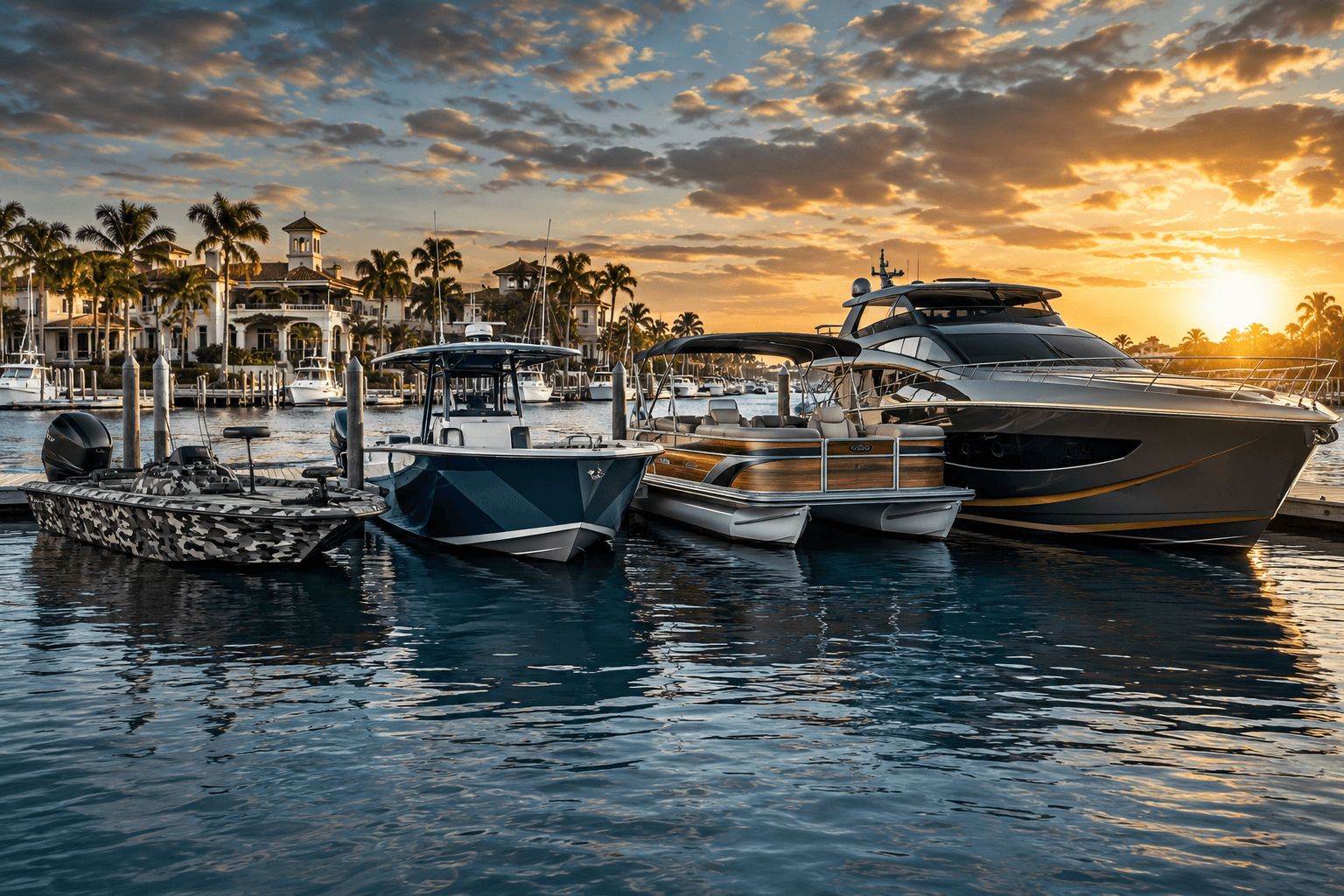
Boat Wrap Designs by Boat Type: What Actually Works on Your Vessel
A wrap that's perfect for a sportfishing boat chasing marlin offshore would look completely out of place on a family pontoon.
Boat Wraps Services
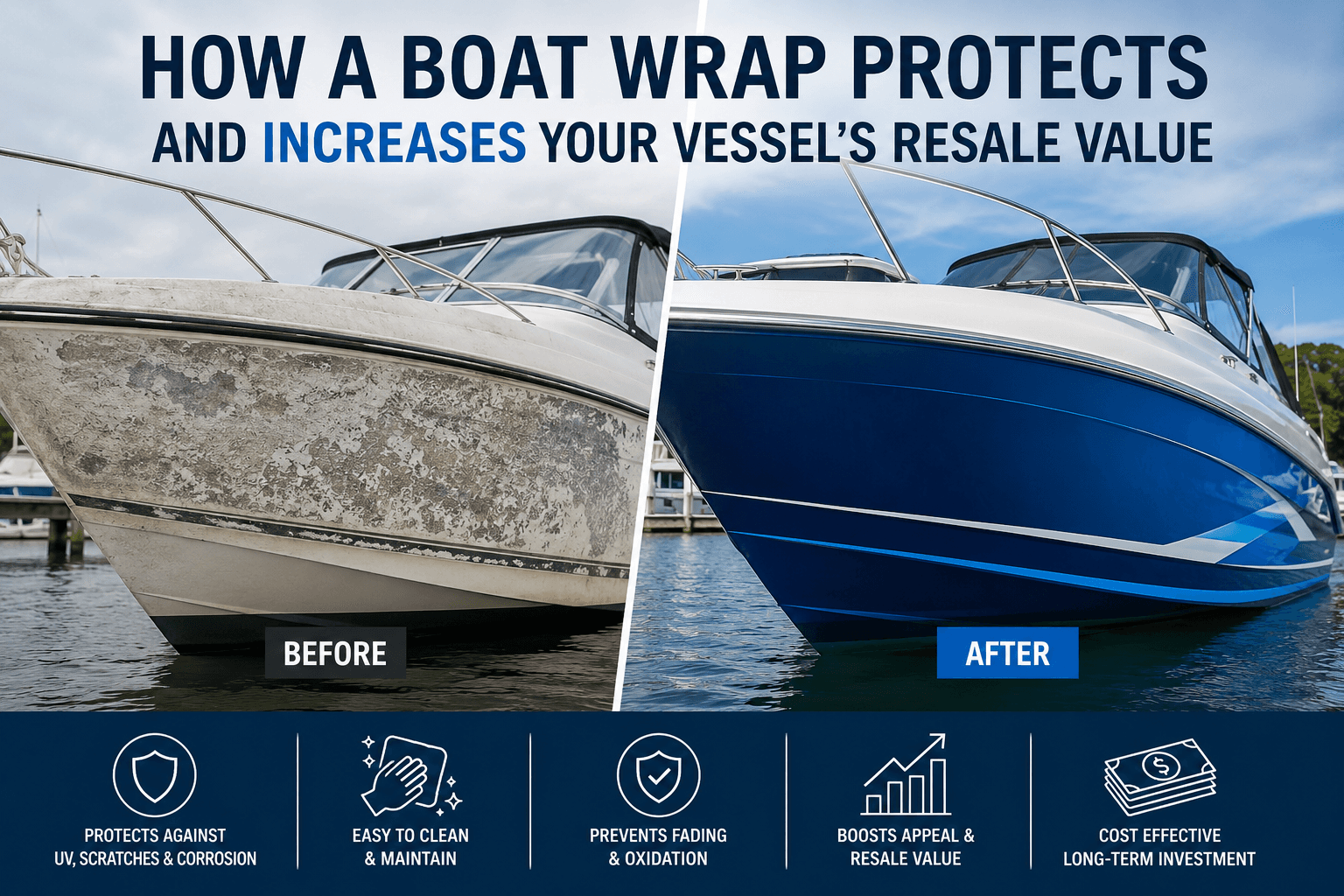
How a Boat Wrap Protects and Increases Your Vessel's Resale Value
How a Boat Wrap Can Protect and Increase Your Vessel's Resale Value
Boat Wraps Services
Top 10 FIFA World Cup Boat Wrap Ideas to Try This Season
If you already know you want your boat wrapped for World Cup season, the next question is which design actually fits your vessel.
Boat Wraps Services
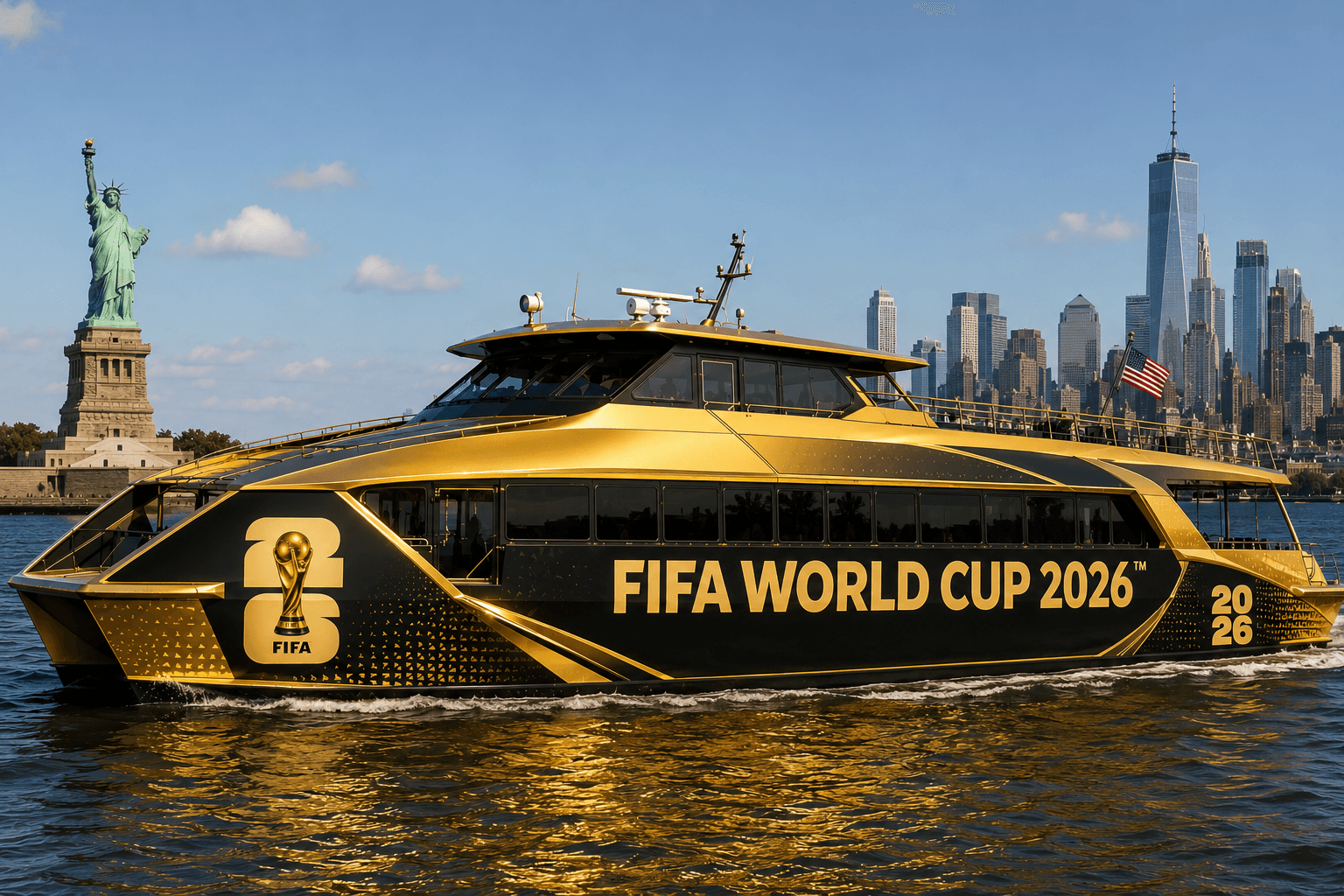
Custom Boat Wraps for FIFA World Cup 2026
Get your boat ready for FIFA World Cup 2026 with a luxury custom wrap. Stand out on the water with premium marine graphics, gold finishes, and championship-inspired designs.
Boat Wraps Services
Luxury Yacht Wraps: The Complete Guide to Finishes, Styles, and Custom Marine Vinyl
Ocean Wraps works with luxury yacht and cruiser owners who want professional results, durable materials, and a finish that holds up on the water.
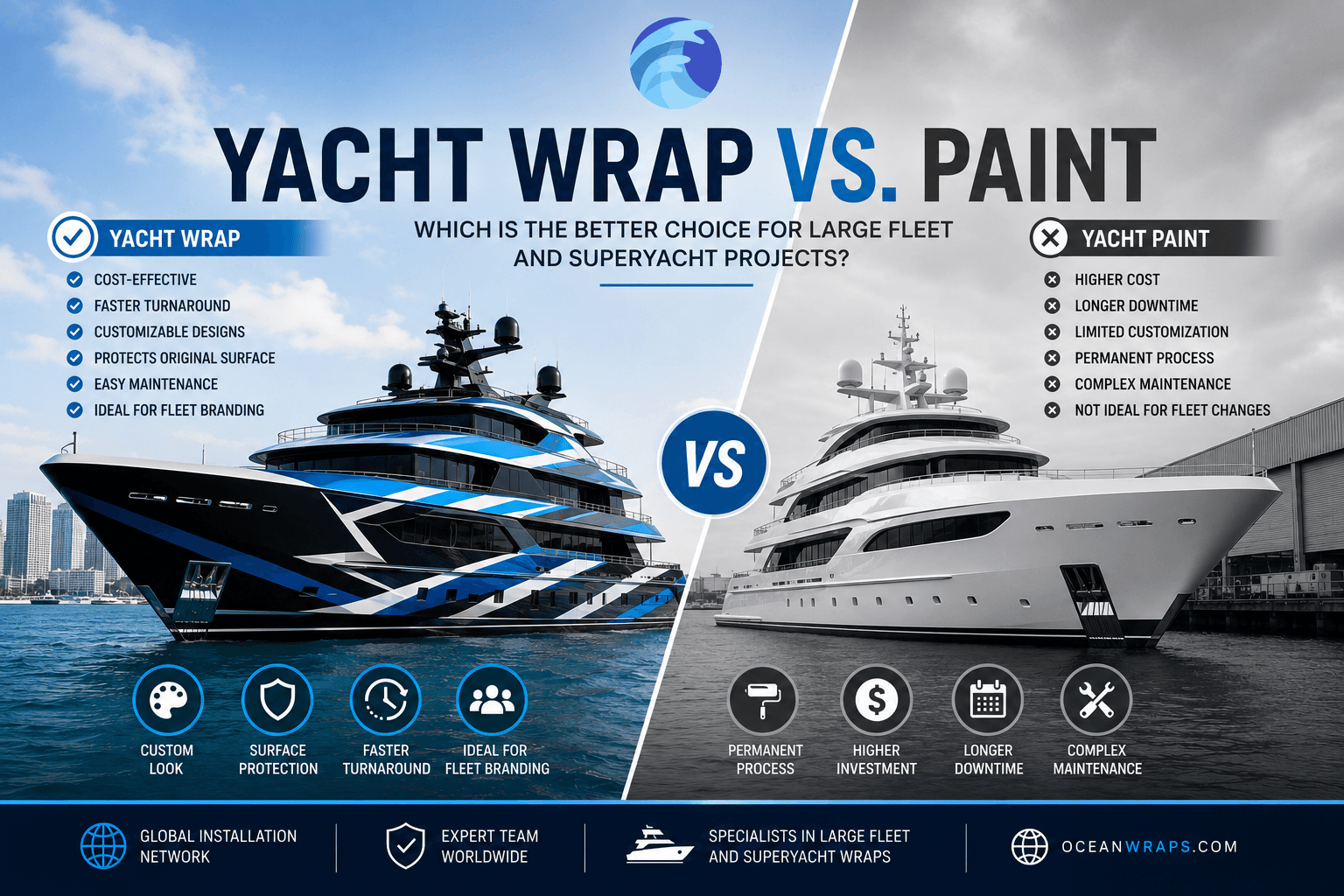
Yacht Wrap vs. Paint for Large Fleet & Superyacht Projects
Deciding between yacht wrap and paint for your fleet or superyacht? We break down real costs, downtime, durability, and which option actually makes sense at scale
How Much Does a Boat Wrap Cost? Complete Pricing Guide for 2026
Boat wrap prices vary widely depending on size, materials, and installer quality. Here's what a professional wrap actually costs in 2026 — and what to watch out for.
Luxury Yacht Wraps: The Complete Guide to Finishes, Styles, and Custom Marine Vinyl
Ocean Wraps works with luxury yacht and cruiser owners who want professional results, durable materials, and a finish that holds up on the water.
Boat Wraps Services
Why Florida Boat Owners Are Choosing Vinyl Boat Wraps in 2026
Discover why Florida boat owners are switching from paint to vinyl boat wraps. Learn the benefits, costs, protection, and customization options.
Guides
Boat Wraps vs Paint: 5 Reasons Why Wraps Win
Boat wraps cost less, install faster, and protect your gel coat better than traditional paint. Here's why so many boat owners are making the switch.
Guides
Yacht Wrap vs. Paint for Large Fleet & Superyacht Projects
Deciding between yacht wrap and paint for your fleet or superyacht? We break down real costs, downtime, durability, and which option actually makes sense at scale
Guides
How Much Does a Boat Wrap Cost? Complete Pricing Guide for 2026
Boat wrap prices vary widely depending on size, materials, and installer quality. Here's what a professional wrap actually costs in 2026 — and what to watch out for.