Custom Boat Wraps for Commercial Fishing Vessels: Durability & Compliance
Ocean Wraps provides durable, compliant custom boat wraps for commercial fishing fleets. Engineered for harsh marine conditions and regulatory marking requireme
Last updated February 28, 2026
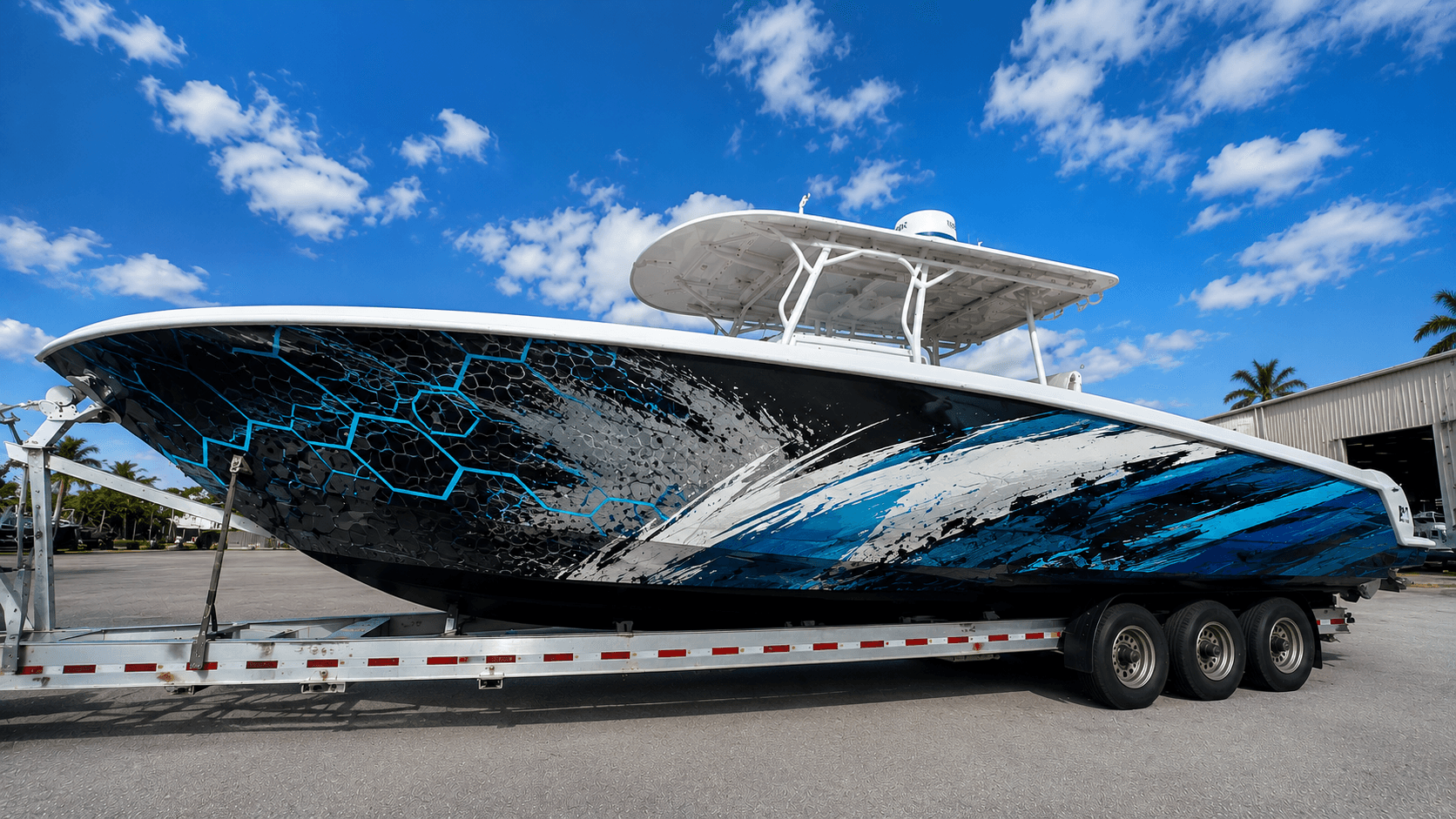
Boat wraps for commercial fishing operators, a vessel's exterior is a critical asset for identification, safety, and branding. Standard paint has limitations in flexibility and graphic complexity. A professionally installed custom boat wrap offers a robust solution, combining high-impact visual communication with exceptional durability for harsh marine environments. This service page details how a tailored vinyl wrap system addresses the unique demands of commercial fishing, from withstanding open-ocean punishment to ensuring regulatory marking compliance.
Commercial-grade boat wraps use cast vinyl and protective laminates engineered for superior UV resistance, saltwater exposure, and physical abrasion compared to standard films.
Wraps provide a precise, compliant canvas for permanent vessel markings, including official numbers, port of registry, and safety labels, without paint overspray or fading concerns.
Proper surface preparation on existing gelcoat is non-negotiable for long-term adhesion and preventing premature failure of the graphics.
A professional install includes strategic edge sealing and seam placement to handle complex hull curvature and resist water ingress.
Wraps can protect underlying gelcoat from UV degradation and minor abrasions, potentially extending the hull's substrate life.
Planning must account for marina rules for application and practical vessel storage or wash-down practices to maximize wrap longevity.
The Demands on Commercial Fishing Vessel Graphics#
Graphics on a working fishing boat are not merely decorative. They must remain legible under constant UV assault, salt spray, fuel spills, and physical contact with docks, gear, and catch. Furthermore, vessels are legally required to display clear, permanent markings. A failing, peeling, or faded wrap that obscures these details is a compliance issue. The solution requires a system approach: material science, meticulous application, and design that prioritizes both durability and mandatory information.
Balancing Aesthetics with Regulatory Requirements#
Design for a commercial wrap integrates branding with non-negotiable elements. The vessel's official number, port of registry, and any required safety or fishing zone identifiers must be permanently displayed, typically on the hull and topside. A well-executed wrap incorporates these into the overall graphic scheme, ensuring they are always present and meet size, color, and contrast regulations. This eliminates the need for separate, often poorly adhered, decals that can degrade independently.
Marine vinyl is a broad term for films engineered for wet environments. Cast vinyl is the premium category for complex hull curves and long-term durability. It is manufactured with a thinner, more flexible face stock and aggressive, long-lasting adhesive, allowing it to conform to challenging substrates like textured gelcoat and riveted surfaces without bridging or lifting.
A liquid laminate or overlaminate film is typically applied over the printed graphics. This clear layer provides the first line of defense against UV fading, chemical exposure, and abrasion from lines, fenders, and fish bins. The choice of laminate gloss or matte finish also affects the final appearance and ease of cleaning.
This is the most critical phase. The hull and topside must be immaculate, dry, and stable. Old paint, wax, oxidation, and contaminants are removed. Sound existing gelcoat may be lightly sanded to promote adhesion. Any substrate repairs must be completed beforehand, as the wrap will not bridge cracks or flaws.
Using vessel dimensions and photos, a digital template is created. This allows for precise placement of all graphics and regulatory markings. Designs are proofed with the operator to ensure all compliance elements are correct and integrated seamlessly.
Panels are meticulously applied using professional techniques to avoid air bubbles and wrinkles. Special attention is paid to complex curvature. All edges are firmly sealed and seams are strategically placed in less vulnerable areas to prevent lifting. The team at Ocean Wraps follows marine-specific protocols for a permanent bond.
After installation, a thorough inspection ensures quality. The client receives guidance on proper wash practices, such as avoiding harsh abrasive cleaners or high-pressure nozzles directed at edges, and considerations for long-term storage to maximize the investment.
How long do commercial fishing boat wraps typically last?#
With premium materials and professional installation, a wrap on a commercial vessel can last 5 to 7 years, depending on operational intensity, sun exposure, and maintenance. Harsh conditions in certain fisheries may reduce this timeframe.
Can you wrap over existing paint or old graphics?#
Yes, but the substrate must be stable. Loose, flaking paint or cracked gelcoat must be removed and repaired first. The old surface must be thoroughly cleaned and sanded to create a sound, smooth profile for the vinyl adhesive to bond to.
Are wraps strong enough for hulls that rub against docks?#
While the laminate offers abrasion resistance, consistent heavy abrasion will wear through any surface film. For high-impact zones like rub rails, dedicated physical fendering is still necessary. The wrap is designed for environmental and incidental contact, not as a replacement for proper dock fenders.
How are regulatory markings handled in the design?#
Compliance markings are integrated as permanent elements of the printed graphic layer, then protected under the clear laminate. They are not applied as separate decals. We work from your documentation to ensure size, font, color, and placement meet current regulations.
A commercial vessel wrap is a functional marine coating. Its success is measured in years of legible graphics and uninterrupted compliance, not just initial visual impact.
New Boat Prices Are Skyrocketing — Here's the Smarter Move Boat Owners Are Making
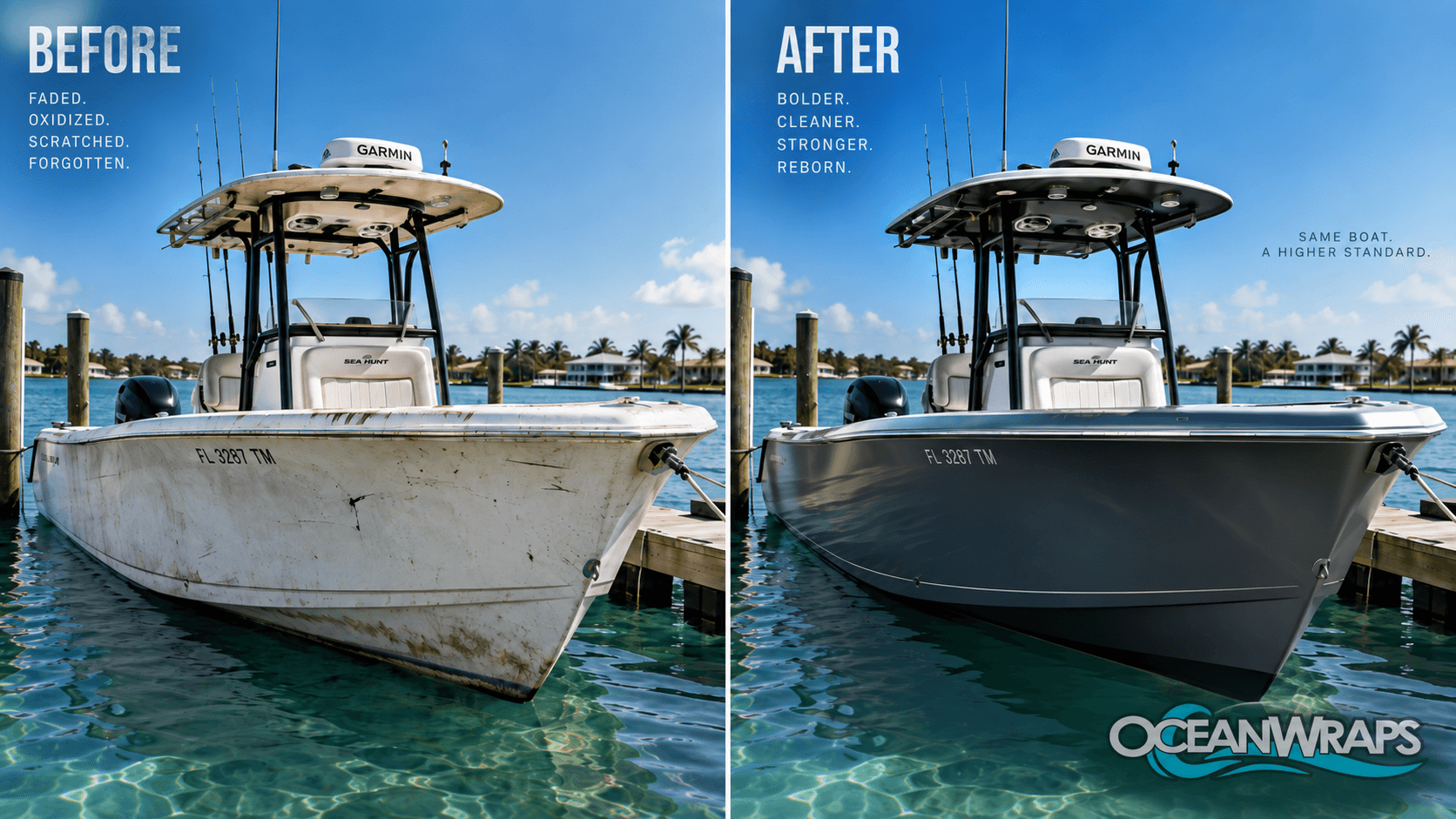
New boat prices are at record highs. Here's why more owners are choosing marine vinyl wraps to refresh their boat's look and protect the hull, without the cost of buying new
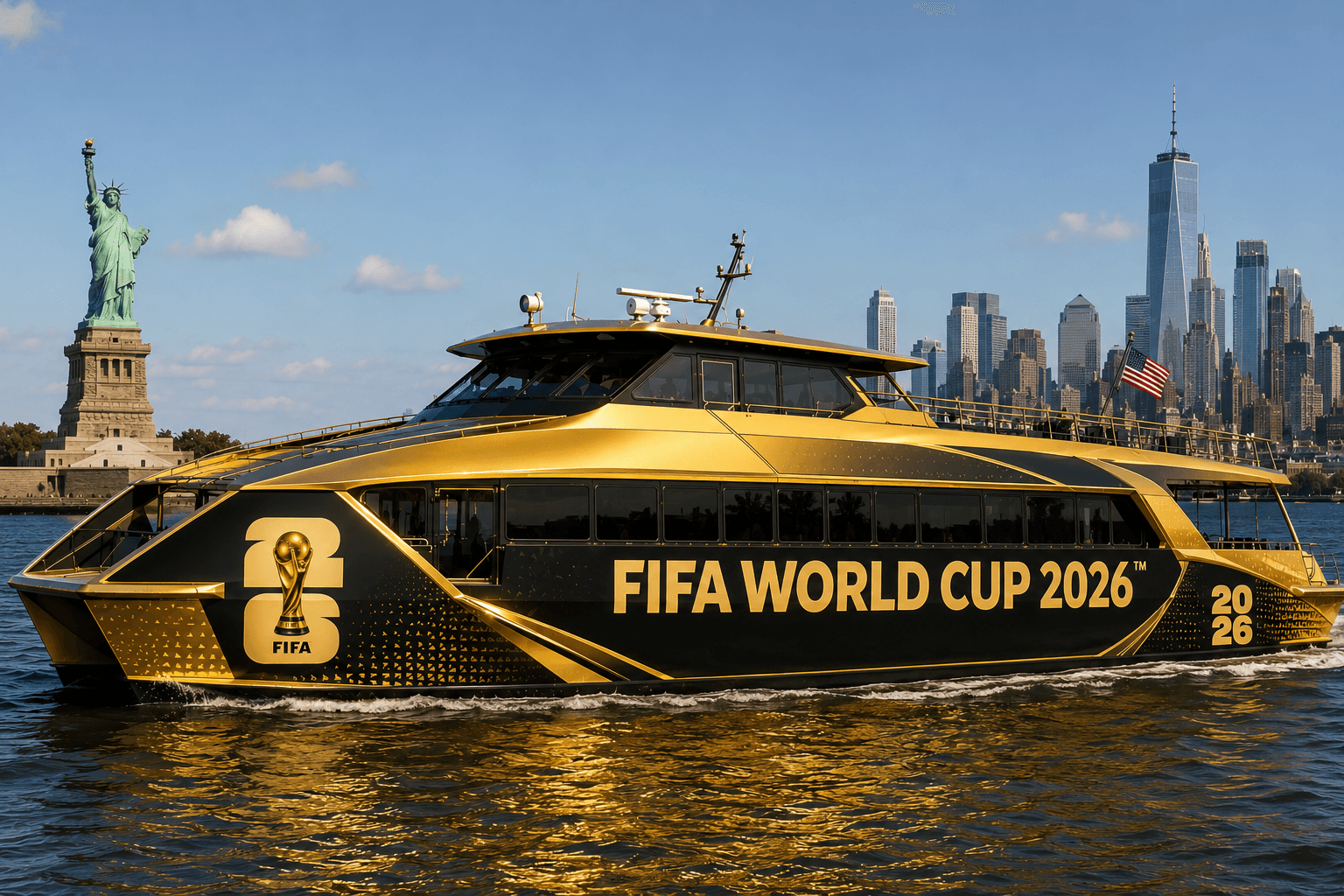
Get your boat ready for FIFA World Cup 2026 with a luxury custom wrap. Stand out on the water with premium marine graphics, gold finishes, and championship-inspired designs.
New Boat Prices Are Skyrocketing — Here's the Smarter Move Boat Owners Are Making
New boat prices are at record highs. Here's why more owners are choosing marine vinyl wraps to refresh their boat's look and protect the hull, without the cost of buying new
Boat Wraps Services
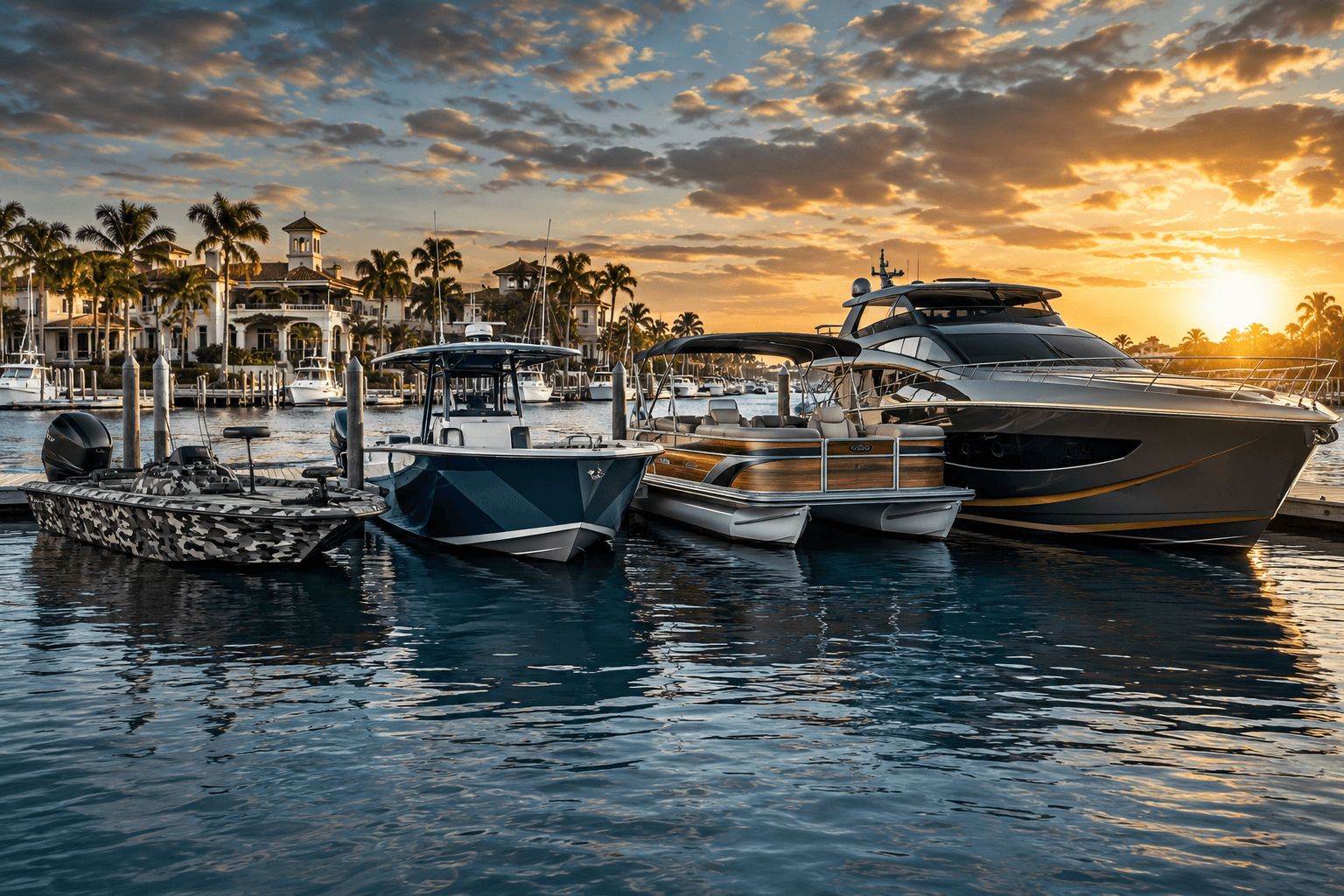
Boat Wrap Designs by Boat Type: What Actually Works on Your Vessel
A wrap that's perfect for a sportfishing boat chasing marlin offshore would look completely out of place on a family pontoon.
Boat Wraps Services
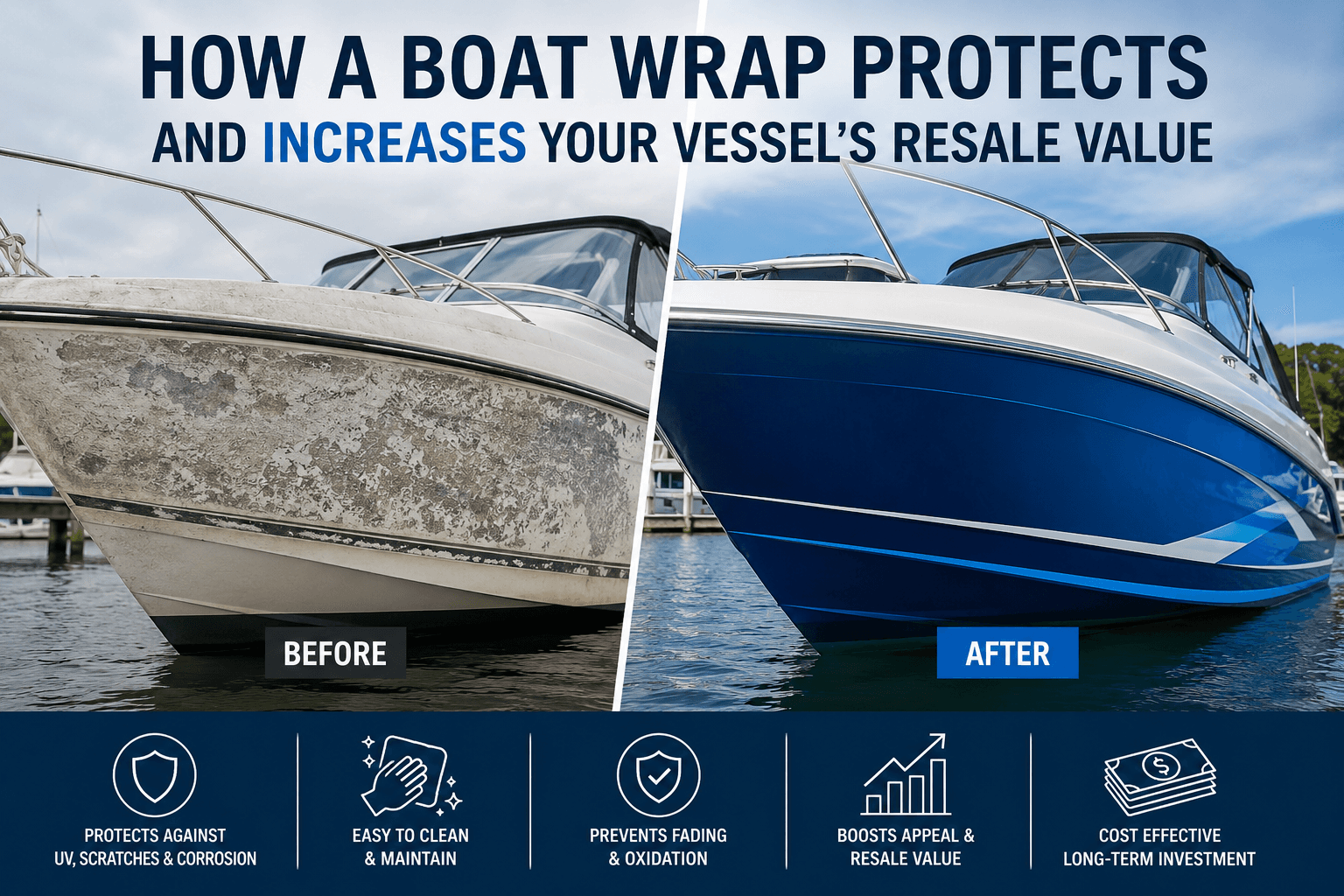
How a Boat Wrap Protects and Increases Your Vessel's Resale Value
How a Boat Wrap Can Protect and Increase Your Vessel's Resale Value
Boat Wraps Services
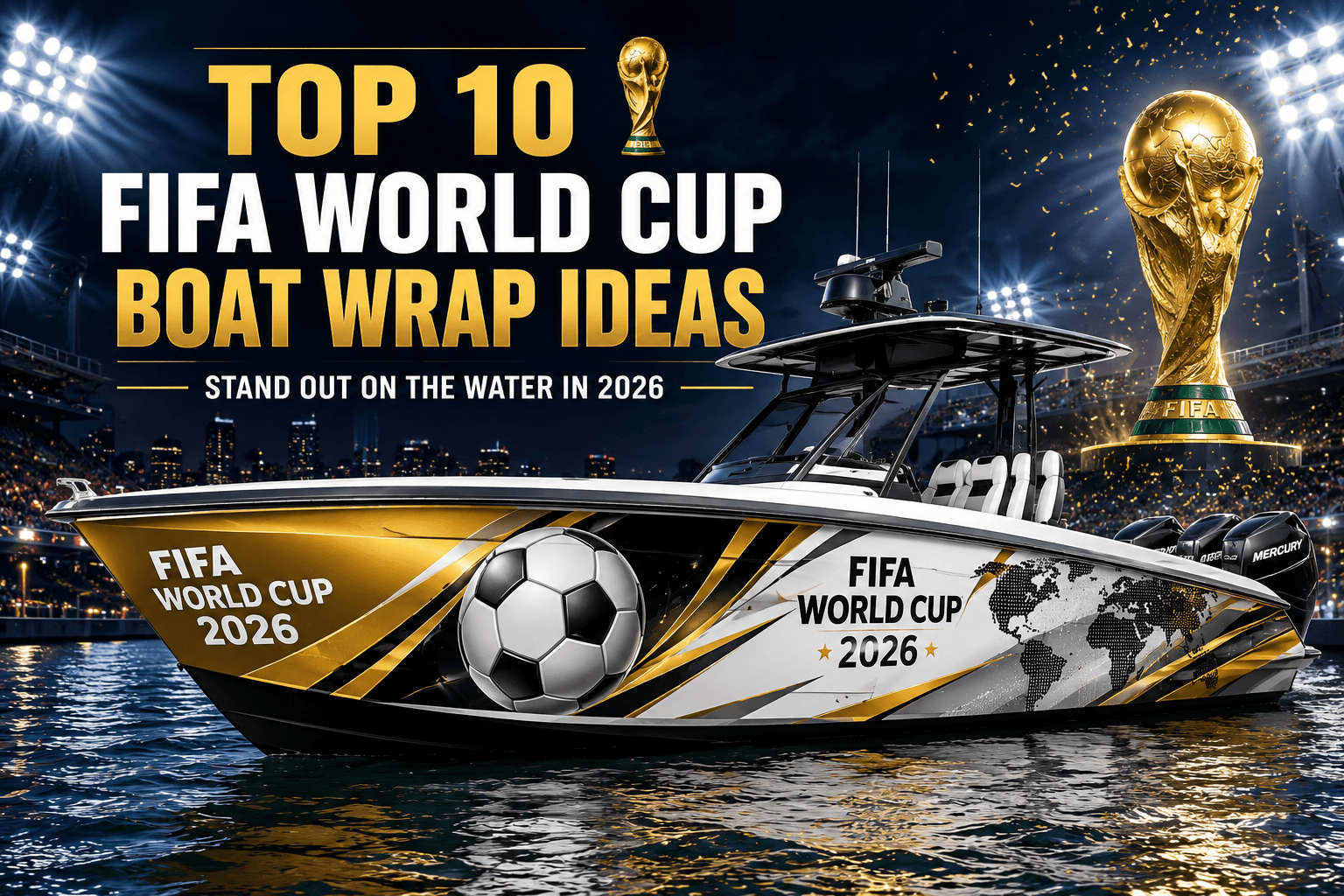
Top 10 FIFA World Cup Boat Wrap Ideas to Try This Season
If you already know you want your boat wrapped for World Cup season, the next question is which design actually fits your vessel.
Boat Wraps Services
Custom Boat Wraps for FIFA World Cup 2026
Get your boat ready for FIFA World Cup 2026 with a luxury custom wrap. Stand out on the water with premium marine graphics, gold finishes, and championship-inspired designs.
Boat Wraps Services
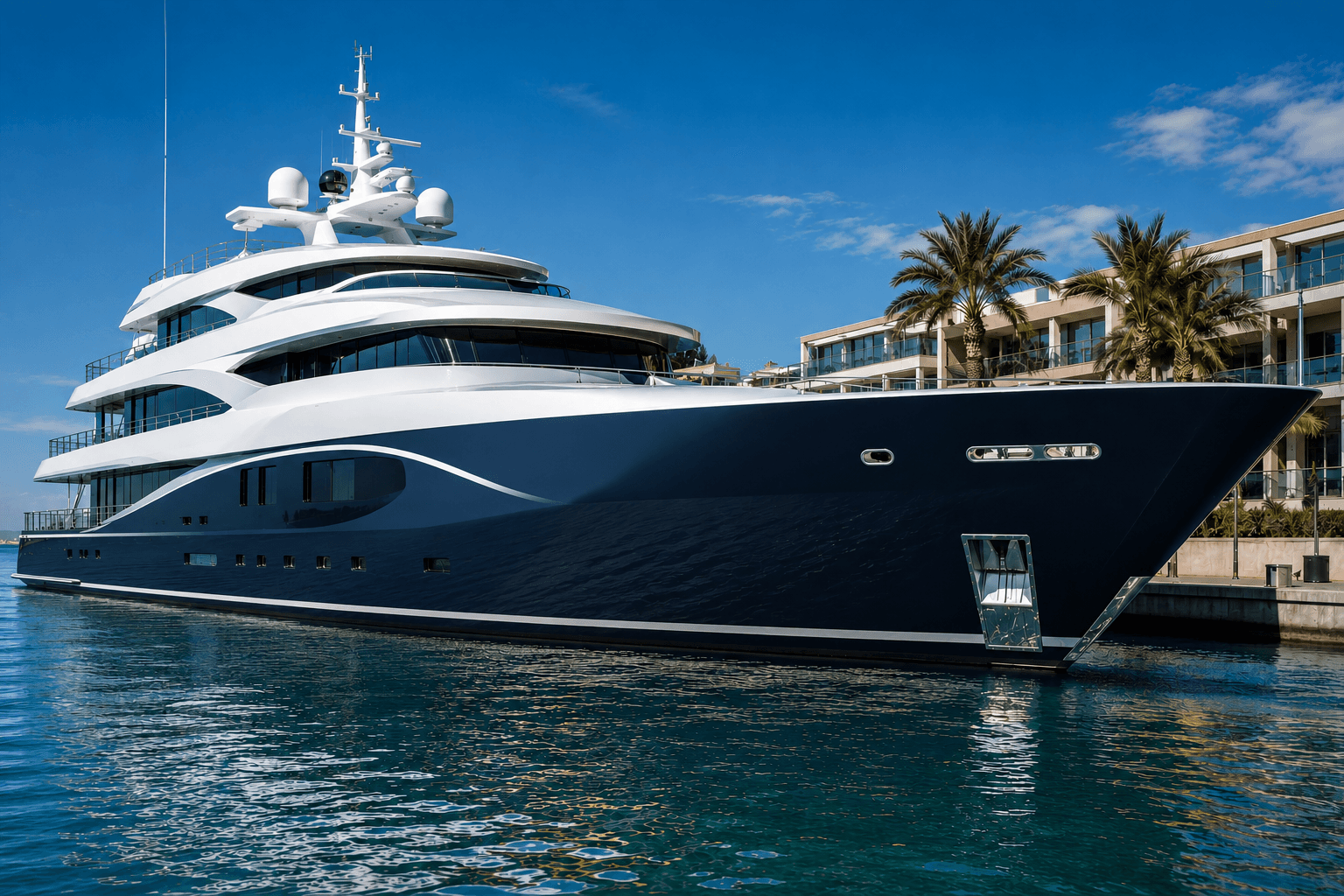
Luxury Yacht Wraps: The Complete Guide to Finishes, Styles, and Custom Marine Vinyl
Ocean Wraps works with luxury yacht and cruiser owners who want professional results, durable materials, and a finish that holds up on the water.
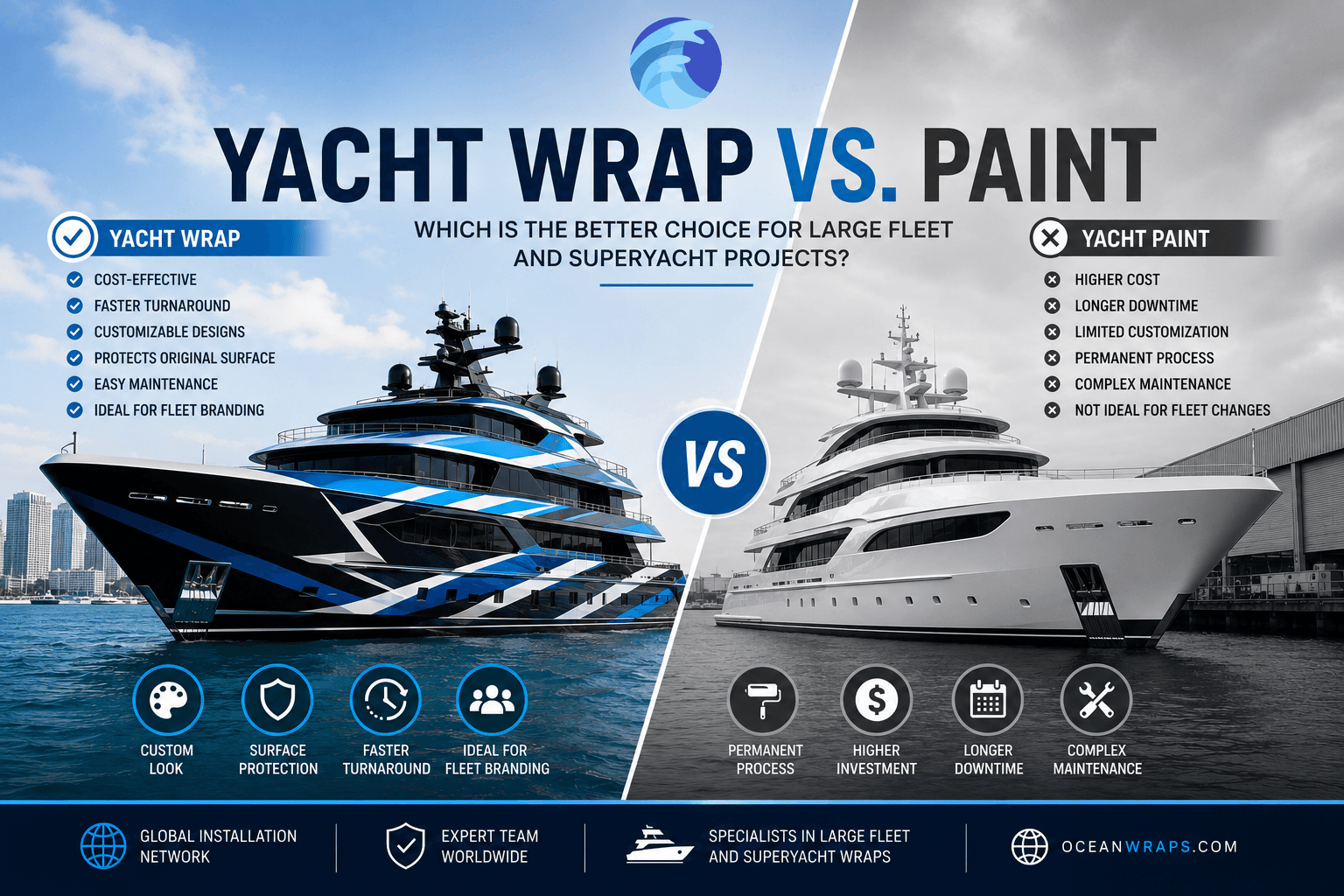
Yacht Wrap vs. Paint for Large Fleet & Superyacht Projects
Deciding between yacht wrap and paint for your fleet or superyacht? We break down real costs, downtime, durability, and which option actually makes sense at scale
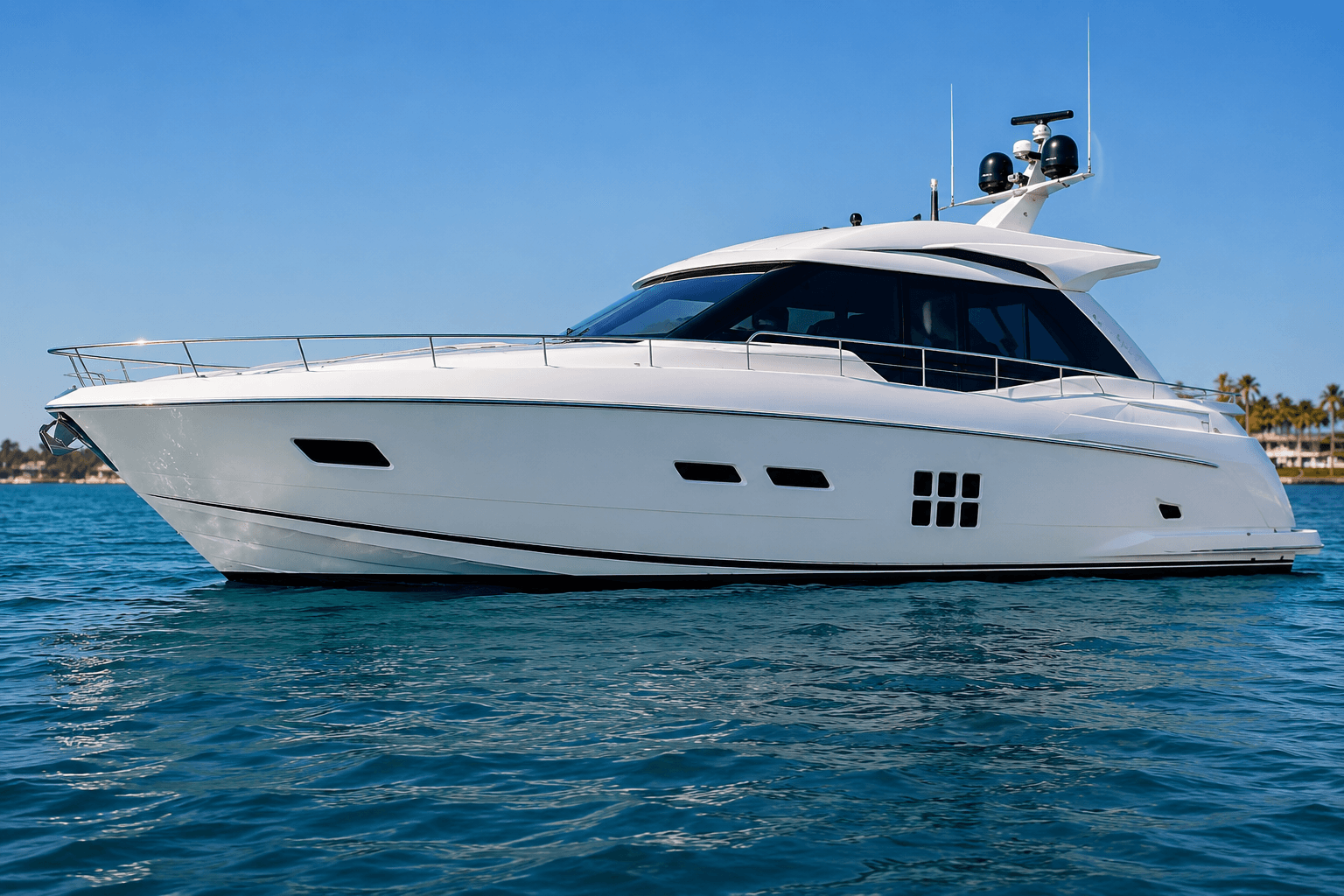
How Much Does a Boat Wrap Cost? Complete Pricing Guide for 2026
Boat wrap prices vary widely depending on size, materials, and installer quality. Here's what a professional wrap actually costs in 2026 — and what to watch out for.
Luxury Yacht Wraps: The Complete Guide to Finishes, Styles, and Custom Marine Vinyl
Ocean Wraps works with luxury yacht and cruiser owners who want professional results, durable materials, and a finish that holds up on the water.
Boat Wraps Services
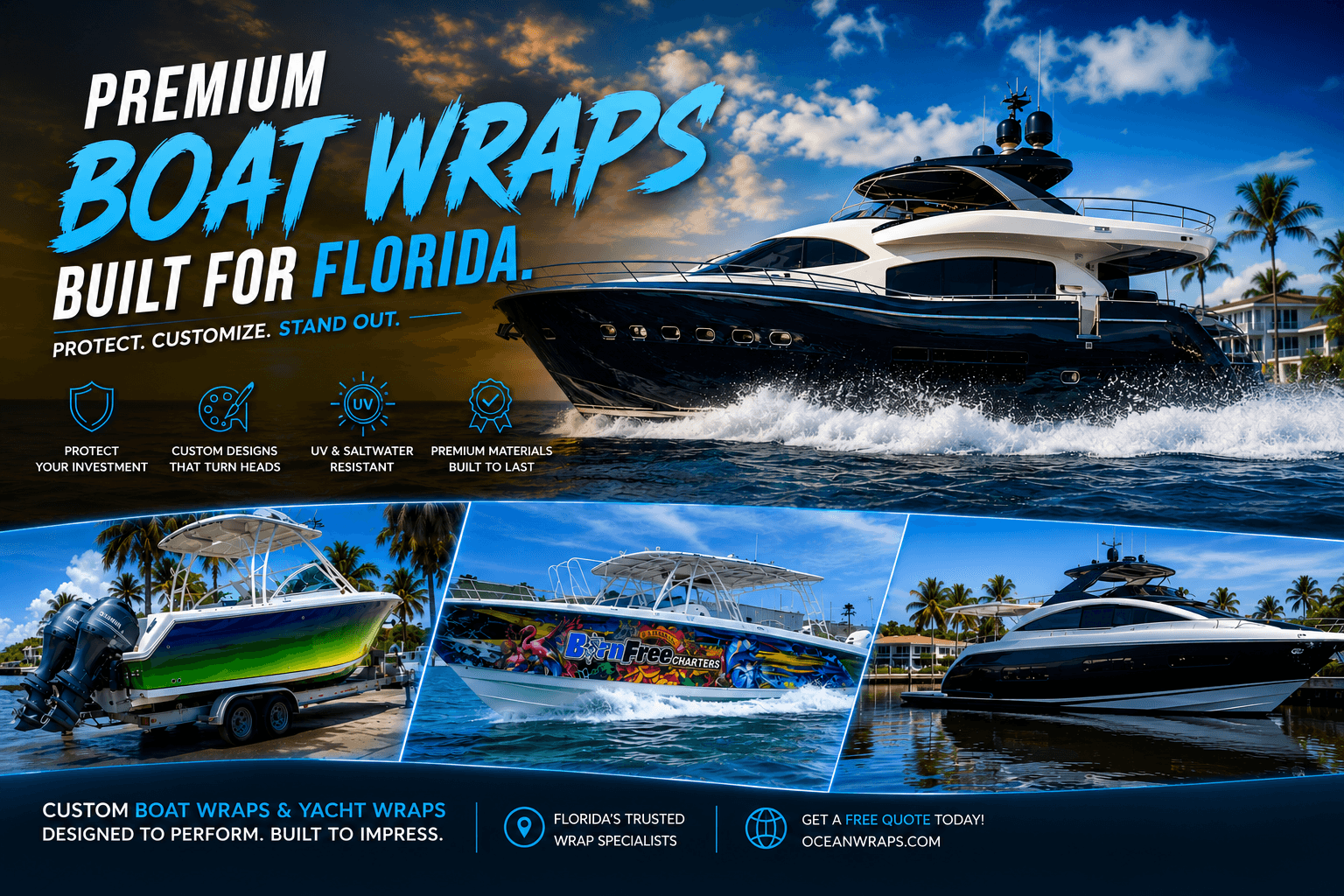
Why Florida Boat Owners Are Choosing Vinyl Boat Wraps in 2026
Discover why Florida boat owners are switching from paint to vinyl boat wraps. Learn the benefits, costs, protection, and customization options.
Guides
Boat Wraps vs Paint: 5 Reasons Why Wraps Win
Boat wraps cost less, install faster, and protect your gel coat better than traditional paint. Here's why so many boat owners are making the switch.
Guides
Yacht Wrap vs. Paint for Large Fleet & Superyacht Projects
Deciding between yacht wrap and paint for your fleet or superyacht? We break down real costs, downtime, durability, and which option actually makes sense at scale
Guides
How Much Does a Boat Wrap Cost? Complete Pricing Guide for 2026
Boat wrap prices vary widely depending on size, materials, and installer quality. Here's what a professional wrap actually costs in 2026 — and what to watch out for.