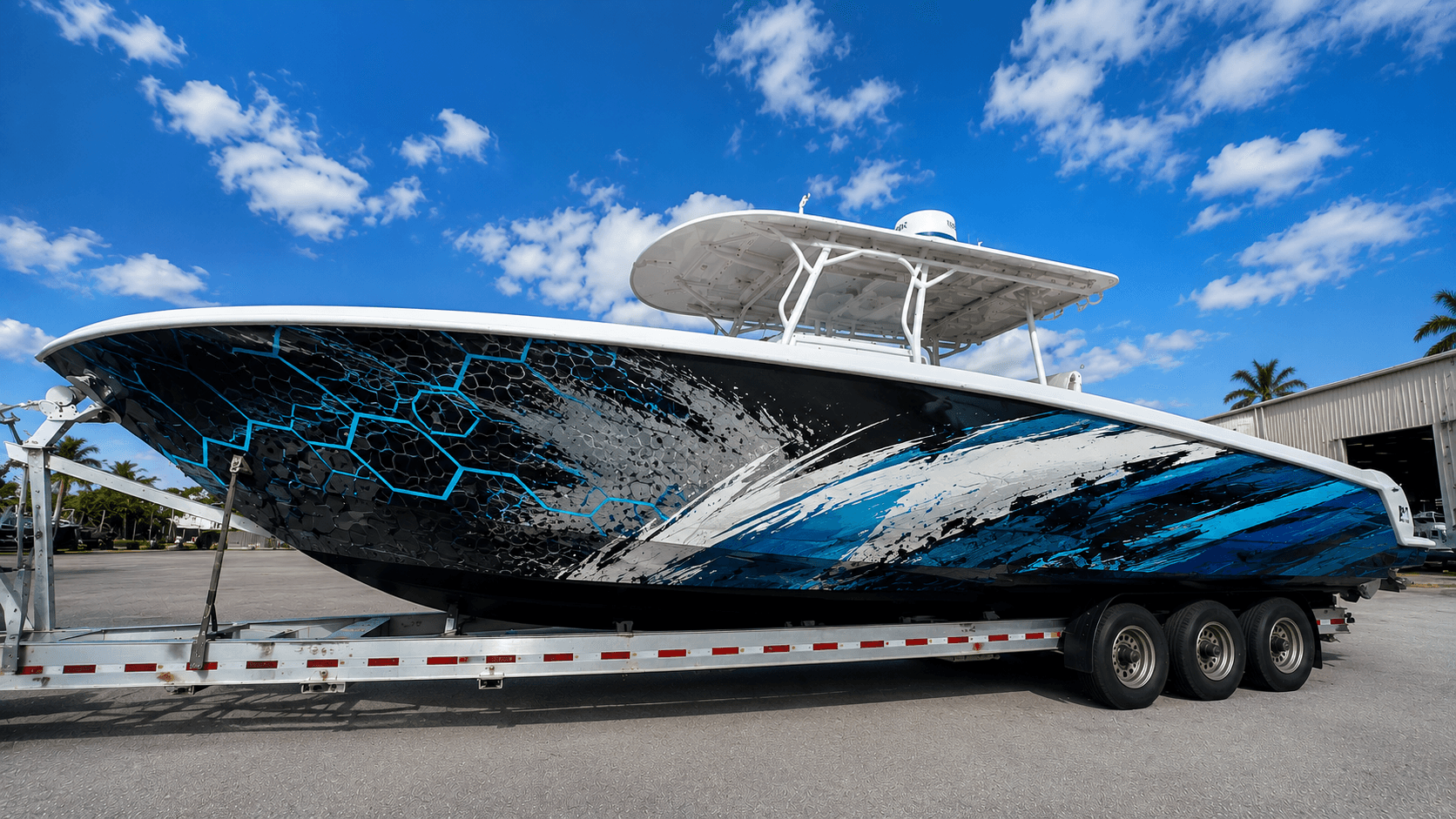
Boat Wraps for Classic Wooden Boats: Preserving Character vs Modern Graphics
Explore expert strategies for applying boat wraps to classic wooden boats. Learn how to preserve heritage or embrace modern graphics with premium marine vinyl.
Last updated March 11, 2026
Boat wraps the decision to apply a boat wrap to a classic wooden boat is more than a cosmetic upgrade; it is a nuanced design philosophy. Owners of these vessels face a compelling choice: use modern vinyl wrap technology to meticulously preserve the authentic look of varnished wood and traditional graphics, or leverage it to introduce bold, contemporary designs that reimagine the boat's character. This guide delves into that critical balance, outlining the professional expertise, materials, and processes required to execute either vision flawlessly, ensuring the vessel's integrity and beauty are enhanced, not compromised.
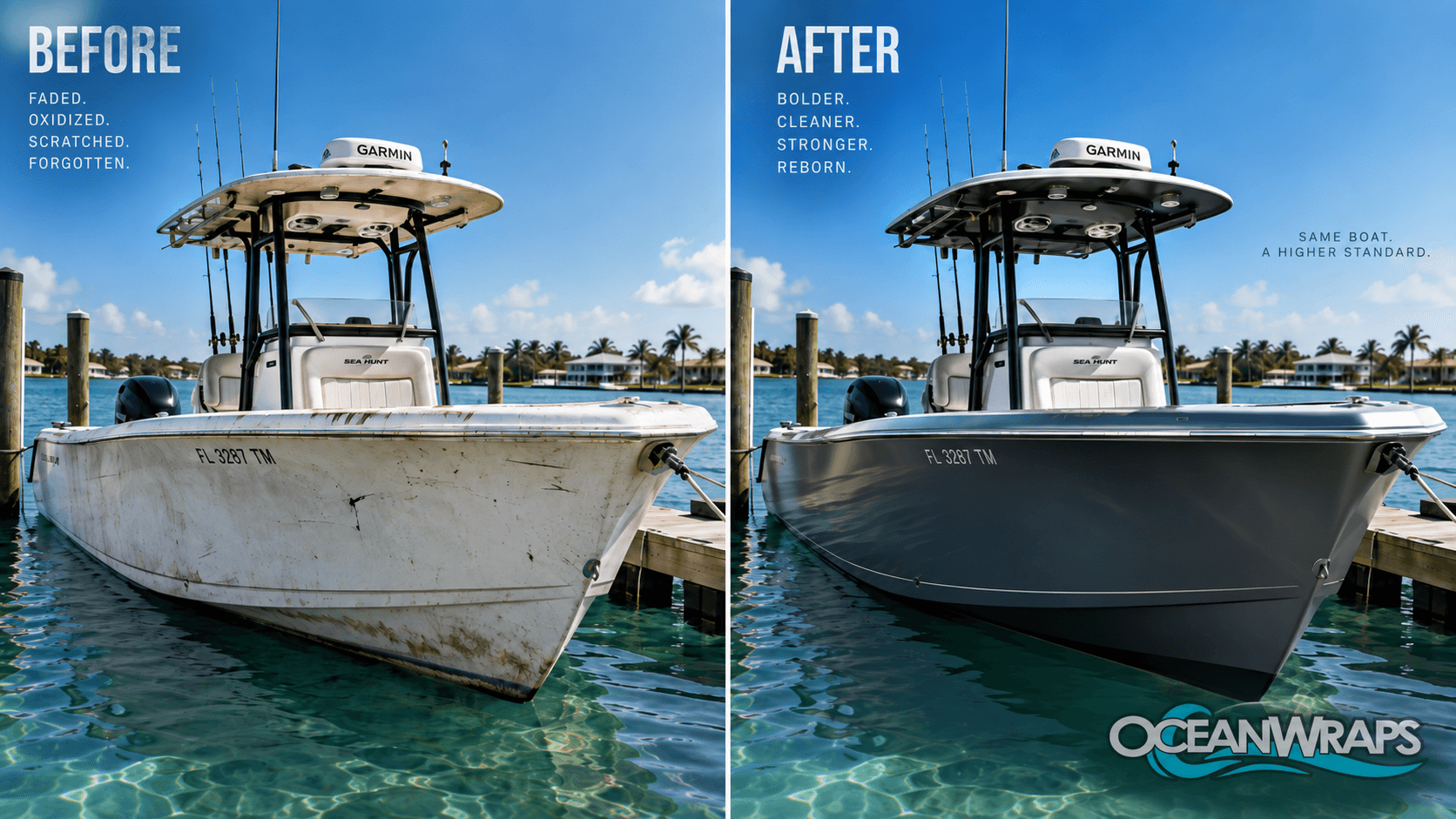
A professional-grade boat wrap is a superior protective layer for classic hulls, shielding precious wood from UV rays, salt, and minor abrasion without the constant maintenance of traditional varnish.
Design success hinges on a deep understanding of the boat's lines. Graphics must complement the vessel's inherent curvature and proportions, whether replicating wood grain or applying modern elements.
Surface preparation is non-negotiable. A certified installer will meticulously prepare the gelcoat or existing finish to ensure perfect vinyl adhesion and longevity.
Material selection is critical. Premium cast vinyl with a protective laminate offers the durability, conformability, and UV resistance needed for the marine environment.
The installation requires specialized skill. Handling complex compound curves on a classic topside and achieving seamless edge sealing are hallmarks of professional expertise.
Partnering with a trusted specialist like OceanWraps ensures access to certified installers, premium materials, and a proven track record with heritage vessels.
Preserving Classic Character with Modern Materials#
For many owners, the goal is invisibility—using a wrap to mimic the appearance of flawless, bright-finished wood or classic coach lines. This requires a highly technical approach. Advanced printing allows for photorealistic wood grain textures and precise color matching. The design process involves careful study of the original finish to replicate its depth and tone. The result is a durable, low-maintenance shield that looks authentic from the dock but offers far superior protection against the elements.
Conversely, a wrap can be a canvas for bold reinvention. Applying sleek stripes, geometric patterns, or vibrant colors to a classic hull creates a striking juxtaposition. The key is respectful design—using the boat's iconic lines to guide the graphics. Elements should flow with the sheer line and accentuate the hull's shape, not fight against it. This approach celebrates the boat's history while boldly stating its contemporary presence in the marina.
The journey from concept to completion for a classic boat wrap is a multi-stage operation where professional precision is paramount. Each step mitigates risk and ensures a premium outcome.
It begins with a thorough assessment of the hull and topside. The existing gelcoat or paint must be sound, clean, and flawlessly smooth. Professionals perform a detailed decontamination and compounding process to remove oxidation, old wax, and imperfections. Any cracks or chips are repaired. This foundational step, often overlooked in DIY attempts, is critical for vinyl adhesion and preventing underlying issues from telegraphing through.
Using precise digital measurements or physical templates, installers create a perfect map of the boat's complex surfaces. This digital canvas is where the design comes to life, allowing for accurate scaling and visualization. For heritage replication, this stage involves meticulous color calibration. For modern graphics, it ensures patterns align perfectly with hull features like planks, ports, and hardware.
Installation on curved wooden hulls demands advanced skill. Premium cast vinyl is carefully applied using specialized heat and tension techniques to conform to compound curves without stretching or distorting the graphics. Certified installers methodically work to eliminate air bubbles and ensure seamless panel alignment, paying particular attention to challenging areas like the transom and bow.
The final, critical phase involves precision trimming and edge sealing. All vinyl edges are meticulously post-heated and sealed to the substrate, creating a waterproof barrier that prevents lifting and moisture ingress. Hardware is carefully reinstalled over the wrap, and a final inspection guarantees a flawless, show-quality finish.
Not all vinyl is created equal, especially for marine use. Professional boat wraps utilize specific material systems engineered for durability.
Marine-Grade Cast Vinyl: This is the industry standard for complex hulls. Its thinner, more malleable construction allows it to conform deeply into curves and details without aggressive stretching, which can compromise longevity and color.
Protective Laminate: A clear, durable laminate is liquid-applied or laminated over the printed vinyl. This layer is essential, providing superior UV resistance, scratch protection, and enhanced gloss retention, shielding the graphics from sun and salt.
Finish Options: Gloss finishes are popular for their deep, reflective shine that can mimic varnish. Matte and satin finishes offer a contemporary look and are excellent at hiding minor surface imperfections on older hulls.
Beyond design and materials, several practical factors influence a successful project. Always check marina rules regarding dock-side work. Discuss long-term storage plans with your installer, as covers and fenders can affect wrap longevity. Establish proper wash-down practices using mild, non-abrasive cleaners to maintain the finish. Most importantly, verify that the wood beneath is structurally sound and dry; a wrap is a protective barrier, not a repair for underlying rot or damage.
Can a vinyl wrap damage my boat's original wood or finish?#
When installed and removed by certified professionals using correct techniques, a high-quality boat wrap will not damage a sound underlying surface. In fact, it acts as a protective layer. Reputable companies like OceanWraps use adhesives and methods designed for safe, residue-free removal, preserving your vessel's integrity.
How long does a wrap last on a classic boat used in saltwater?#
With premium marine-grade materials and expert installation, you can expect a lifespan of 5 to 7 years, even in harsh saltwater environments. This durability stems from the UV-resistant inks, protective laminate, and proper edge sealing that define a professional-grade installation.
Is the surface preparation different for a wooden hull versus fiberglass?#
The principle is the same—achieve a perfectly clean, smooth, and stable substrate—but the execution may differ. Older gelcoat over wood may require more extensive compounding to remove oxidation. The installer must assess the specific condition of your hull's finish, a process where proven expertise is critical for a lasting result.
Can I wrap only part of the boat, like just the topsides?#
Absolutely. Partial wraps are common for accent stripes, hull graphics, or protecting high-wear areas. The design challenge is ensuring the wrap integrates aesthetically with the uncovered portions. A professional designer can create graphics that start and stop cleanly, making the partial application look intentional and integrated.
New Boat Prices Are Skyrocketing — Here's the Smarter Move Boat Owners Are Making
New boat prices are at record highs. Here's why more owners are choosing marine vinyl wraps to refresh their boat's look and protect the hull, without the cost of buying new
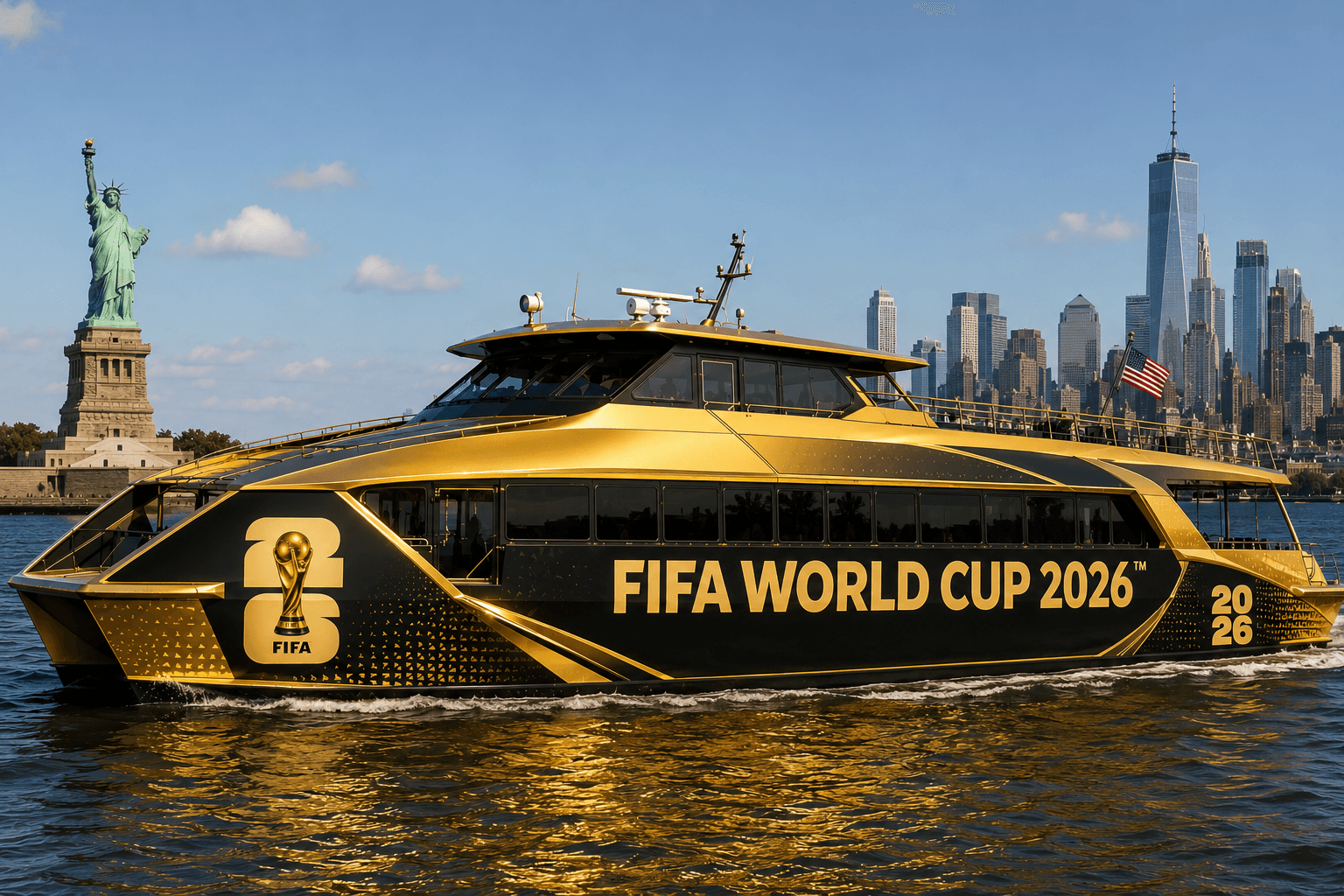
Get your boat ready for FIFA World Cup 2026 with a luxury custom wrap. Stand out on the water with premium marine graphics, gold finishes, and championship-inspired designs.
New Boat Prices Are Skyrocketing — Here's the Smarter Move Boat Owners Are Making
New boat prices are at record highs. Here's why more owners are choosing marine vinyl wraps to refresh their boat's look and protect the hull, without the cost of buying new
Boat Wraps Services
Boat Wrap Designs by Boat Type: What Actually Works on Your Vessel
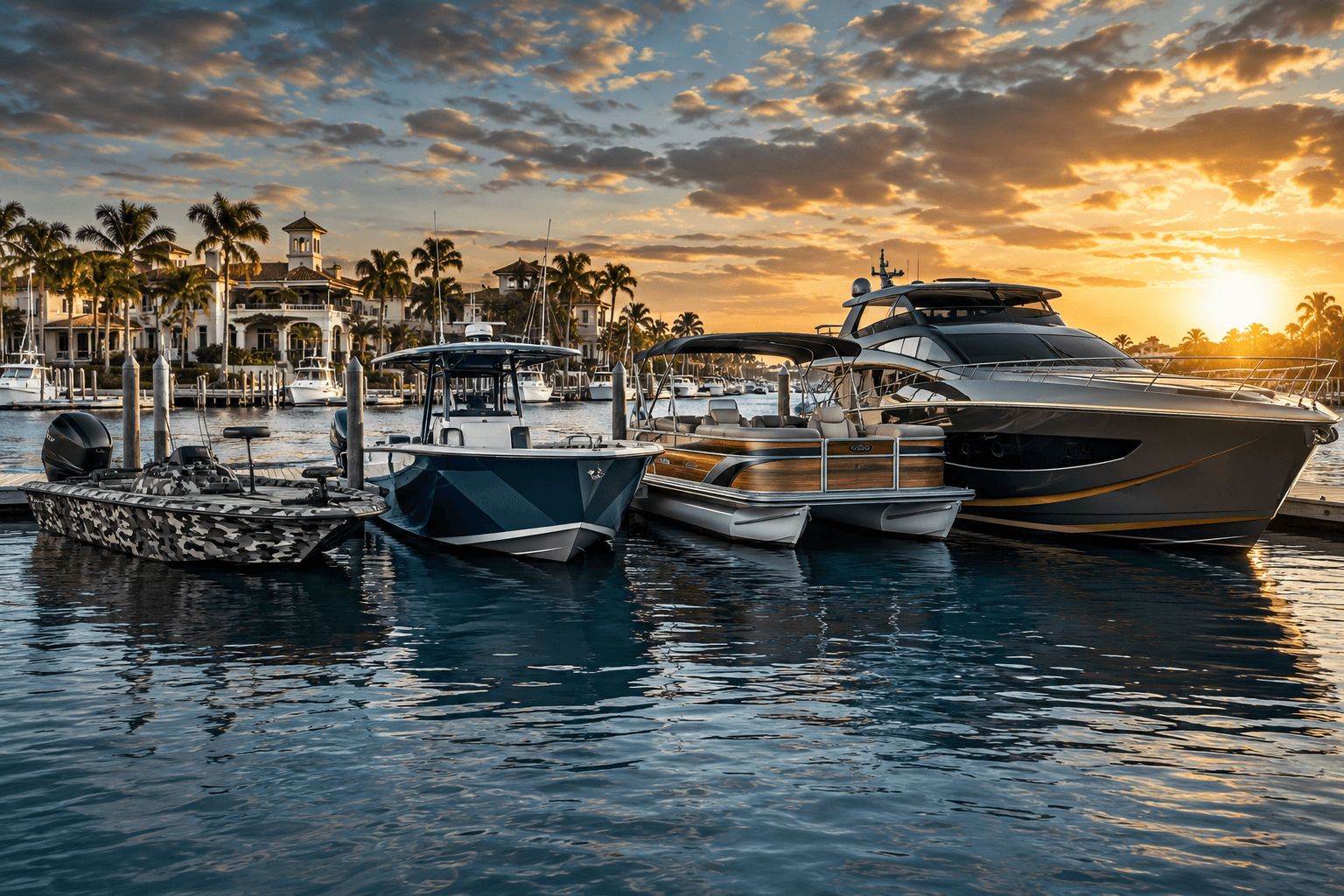
A wrap that's perfect for a sportfishing boat chasing marlin offshore would look completely out of place on a family pontoon.
Boat Wraps Services
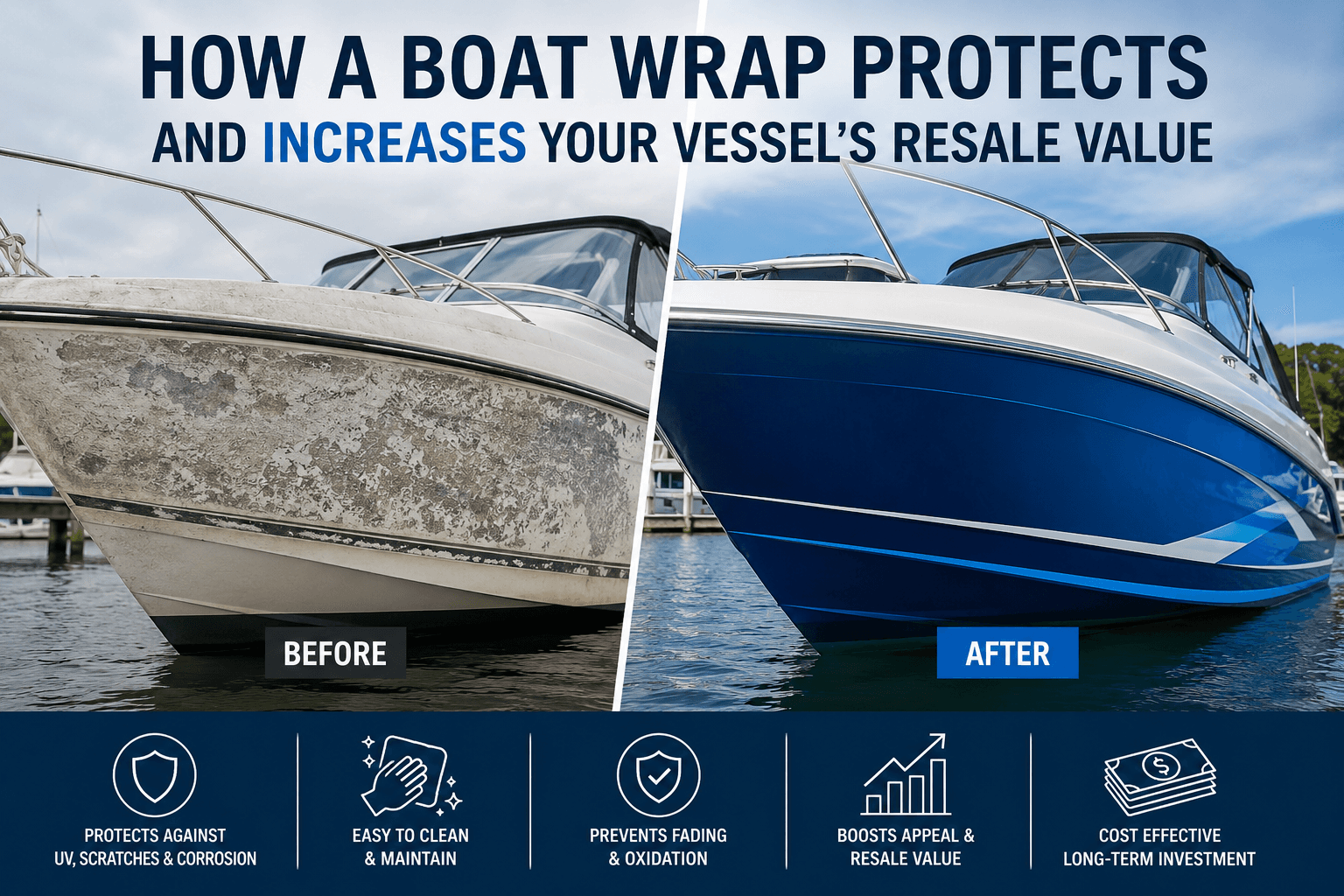
How a Boat Wrap Protects and Increases Your Vessel's Resale Value
How a Boat Wrap Can Protect and Increase Your Vessel's Resale Value
Boat Wraps Services
Top 10 FIFA World Cup Boat Wrap Ideas to Try This Season
If you already know you want your boat wrapped for World Cup season, the next question is which design actually fits your vessel.
Boat Wraps Services
Custom Boat Wraps for FIFA World Cup 2026
Get your boat ready for FIFA World Cup 2026 with a luxury custom wrap. Stand out on the water with premium marine graphics, gold finishes, and championship-inspired designs.
Boat Wraps Services
Luxury Yacht Wraps: The Complete Guide to Finishes, Styles, and Custom Marine Vinyl
Ocean Wraps works with luxury yacht and cruiser owners who want professional results, durable materials, and a finish that holds up on the water.
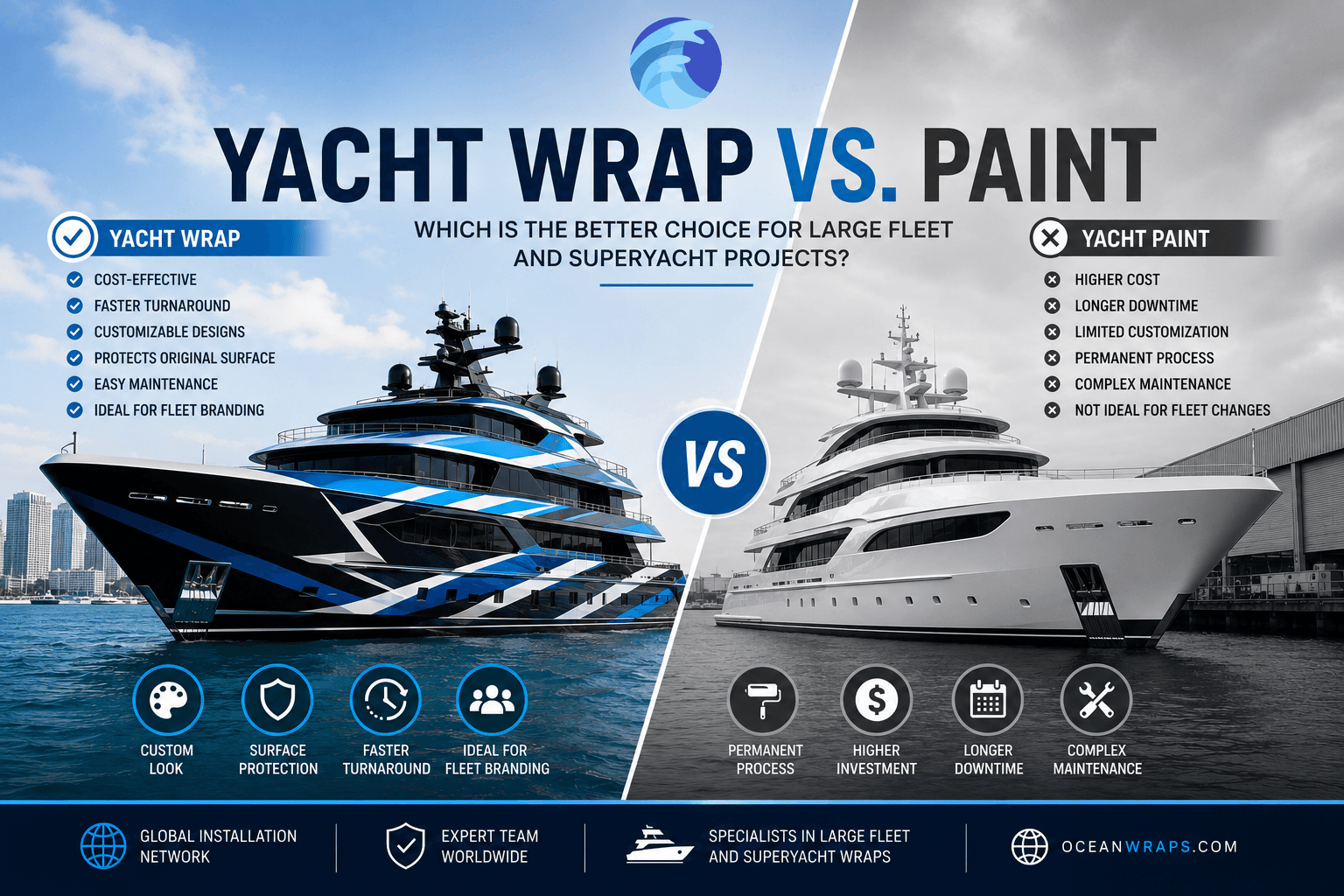
Yacht Wrap vs. Paint for Large Fleet & Superyacht Projects
Deciding between yacht wrap and paint for your fleet or superyacht? We break down real costs, downtime, durability, and which option actually makes sense at scale
How Much Does a Boat Wrap Cost? Complete Pricing Guide for 2026
Boat wrap prices vary widely depending on size, materials, and installer quality. Here's what a professional wrap actually costs in 2026 — and what to watch out for.
Luxury Yacht Wraps: The Complete Guide to Finishes, Styles, and Custom Marine Vinyl
Ocean Wraps works with luxury yacht and cruiser owners who want professional results, durable materials, and a finish that holds up on the water.
Boat Wraps Services
Why Florida Boat Owners Are Choosing Vinyl Boat Wraps in 2026
Discover why Florida boat owners are switching from paint to vinyl boat wraps. Learn the benefits, costs, protection, and customization options.
Guides
Boat Wraps vs Paint: 5 Reasons Why Wraps Win
Boat wraps cost less, install faster, and protect your gel coat better than traditional paint. Here's why so many boat owners are making the switch.
Guides
Yacht Wrap vs. Paint for Large Fleet & Superyacht Projects
Deciding between yacht wrap and paint for your fleet or superyacht? We break down real costs, downtime, durability, and which option actually makes sense at scale
Guides
How Much Does a Boat Wrap Cost? Complete Pricing Guide for 2026
Boat wrap prices vary widely depending on size, materials, and installer quality. Here's what a professional wrap actually costs in 2026 — and what to watch out for.