Boat Wraps vs Paint Cost: A South Carolina Owner's Guide
A detailed cost-benefit analysis of boat wraps vs paint for South Carolina vessels. Learn about durability, marine climate impact, and local advantages.
Last updated April 8, 2026
Boat wraps for South Carolina boat owners navigating the waters from Charleston Harbor to Lake Murray, protecting and personalizing your vessel is a critical investment. The decision between a professional boat wrap and a traditional paint job extends far beyond aesthetics. It involves a strategic cost-benefit analysis that must account for the unique marine climate, intense UV exposure, and active boating culture of the region. This guide provides a detailed, factual comparison to help you make an informed decision, focusing on long-term value and performance specific to South Carolina.
Boat Wraps Overview: Cost-Benefit Analysis: Boat Wraps vs Paint for South Carolin#
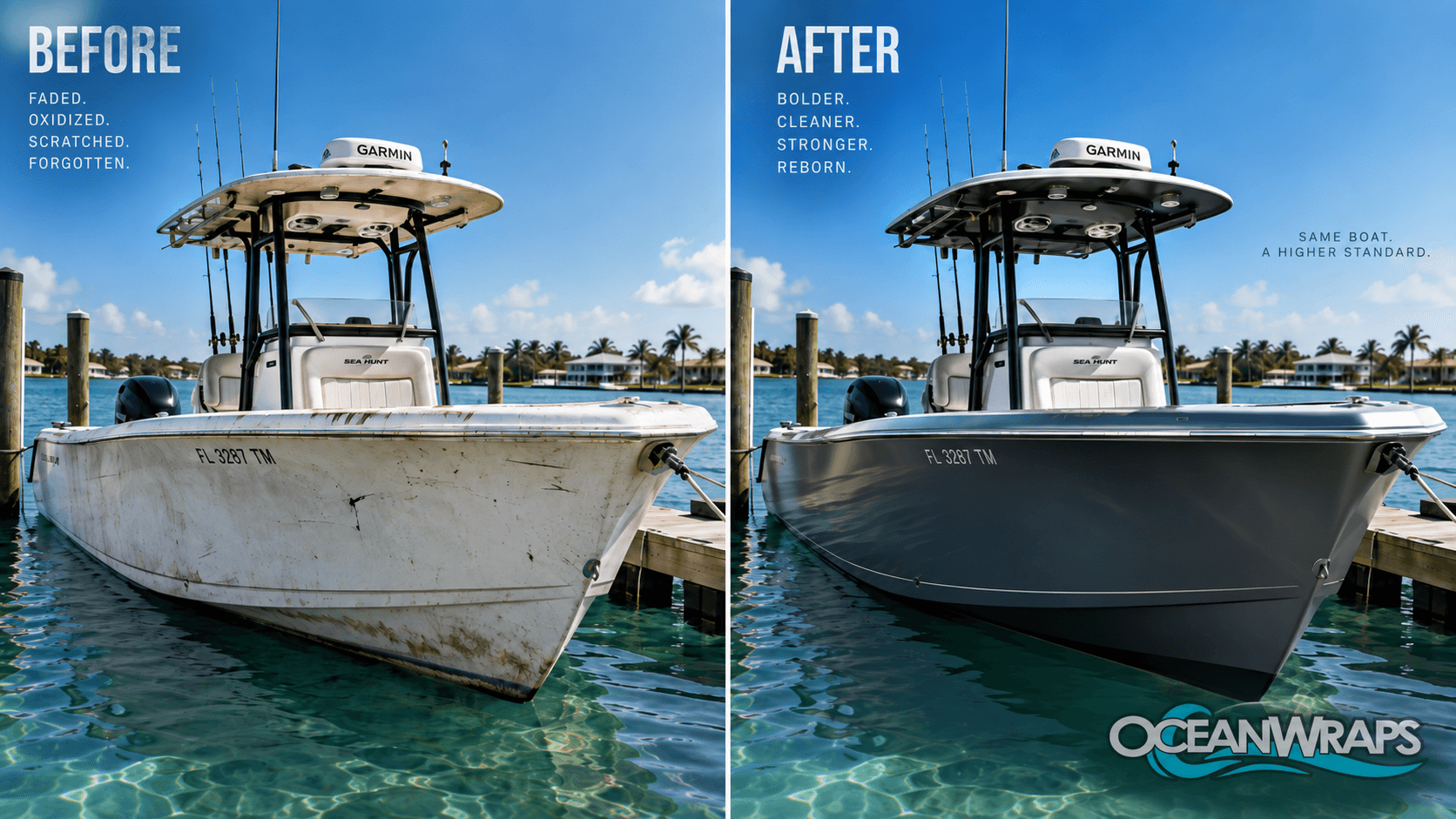
Professional boat wraps offer superior UV and saltwater protection, critical for South Carolina's coastal climate, without the extensive downtime of a paint job.
The initial boat wrap cost comparison often favors wraps when factoring in the vessel's operational readiness and lack of lost season revenue.
High-quality marine vinyl graphics preserve the underlying gelcoat, adding a protective layer against dockside scuffs and fuel spills common in busy marinas.
Get Started
Ready to bring your vision to life?
Get a fast free quote today. Let's create something amazing together.
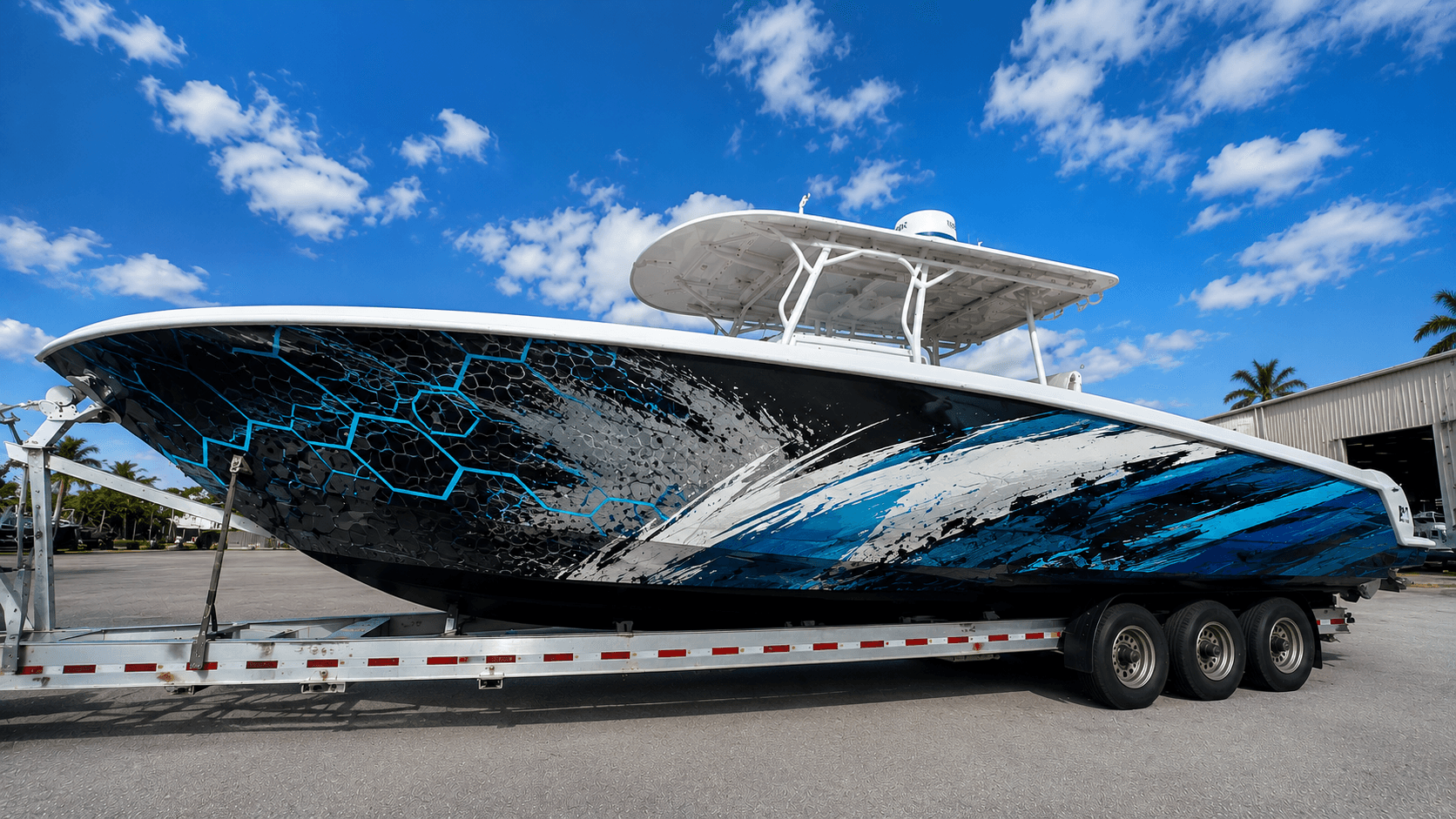
Design flexibility with wraps allows for complex graphics, custom lettering, and full-color imagery that paint cannot match without exorbitant cost.
Expert installation by a certified professional, like the team at OceanWraps, is non-negotiable for ensuring longevity, proper edge sealing, and warranty validation.
Removability is a key financial benefit, allowing for easy updates, branding changes, or a return to the original hull condition for resale.
The South Carolina Marine Environment: Why It Matters#
Your vessel's finish battles a harsh triad: relentless sun, pervasive salt, and high humidity. The South Carolina coast experiences significant UV radiation, which rapidly degrades unprotected pigments and resins. Saltwater spray and ambient moisture accelerate corrosion and adhesion failure. A professional boat wrap utilizes cast vinyl with UV-inhibitive laminates engineered to reflect these damaging rays, while the adhesive and material are tested for saltwater resistance. This built-in protection is a primary component of the long-term boat wrap cost comparison, as it drastically reduces annual maintenance and refinishing needs compared to paint, which can chalk, fade, and require compounding.
How and where you boat in South Carolina impacts your choice. Trailered boats used on freshwater lakes face different abrasion risks than vessels kept in tidal saltwater marinas like those in Myrtle Beach or Hilton Head. Wraps provide a sacrificial layer against dock rub, minor impacts, and trailering wear. For commercial operators or fishing guides, the ability to apply bold, durable branding without permanent alteration is a significant market advantage. Furthermore, marina rules often restrict sanding and spraying, making the clean, non-invasive installation of a wrap a practical benefit.
When evaluating boat wraps vs paint cost, look beyond the initial quote. A high-quality paint job requires extensive surface preparation, including stripping, fairing, and priming, often taking the vessel out of service for weeks or months. A professional wrap installation involves meticulous cleaning and decontamination but can typically be completed in days. This reduced downtime is a direct financial benefit, especially during peak South Carolina boating season. The boat wrap price vs paint equation must also factor in future costs: paint requires regular waxing, compounding, and eventual repainting. A premium wrap requires only routine washing and periodic inspection, with no degrading of the underlying gelcoat.
How much do boat wraps cost over a 5-10 year period? With a lifespan of 5-7 years for premium materials when professionally installed, a wrap acts as a long-term protective shield. Upon removal, the original, preserved gelcoat is revealed, often in superior condition to a painted hull that has been sanded multiple times. This preservation of the factory substrate can enhance resale value. For paint, the cost of a proper repaint must be factored into the ownership cycle, along with the potential devaluation from multiple layers of material on the hull.
The durability and finish of a boat wrap are directly tied to the precision of its installation. A professional process is systematic and non-negotiable for quality.
Every installation begins with a thorough inspection and an industrial-grade cleaning to remove contaminants, oxidation, and old wax. The hull and topside must be chemically decontaminated. Simultaneously, graphics are digitally designed and printed, allowing for precise color matching and complex designs that would be cost-prohibitive with paint.
Certified installers use specialized tools and techniques to handle complex curves, hardware, and hull strakes without wrinkles or bridging. The material is precisely post-heated to activate adhesives and conform to contours. Critical steps like edge sealing, seam placement in non-stress areas, and proper overlap technique are what separate a lasting installation from a premature failure. This expertise is why trusted providers like OceanWraps emphasize certified craftsmanship over DIY solutions.
Not all vinyl is created equal. Marine-grade cast vinyl is essential. It is more conformable and durable than calendared vinyl, allowing it to stretch and adhere to complex boat curves without shrinking or losing adhesion. A protective laminate is then applied over the printed graphics. This laminate is the workhorse, providing gloss retention, chemical resistance, and protection against abrasion and UV degradation. Finishes range from high-gloss and matte to textured surfaces, offering aesthetic choices that match or exceed paint.
Practical Considerations for South Carolina Owners#
Surface Prep is Paramount: Even minor gelcoat imperfections will telegraph through a wrap. Professional assessment and correction are crucial.
Edge Sealing Strategy: In a saltwater environment, proper edge sealing and termination points prevent moisture intrusion, a key factor in installation longevity.
Accounting for Curvature: Hull design matters. A skilled installer knows how to panel and seam material on deep-V hulls or complex topsides common on Carolina sportfishing boats.
Marina & Storage Practices: While durable, wraps benefit from covered storage or using a boat cover to maximize lifespan, just as paint does.
Wash Practices: Use non-abrasive, ammonia-free cleaners. Avoid high-pressure washes directly on seams and edges to maintain integrity.
How long does a boat wrap last in South Carolina?#
With premium materials and professional installation, a boat wrap can last 5 to 7 years in South Carolina's climate. The exact lifespan depends on exposure levels, maintenance, and storage. A trusted installer like OceanWraps uses top-tier marine vinyl with robust UV inhibitors specifically formulated for harsh coastal conditions.
Can a wrap be applied over existing paint or gelcoat?#
Yes, a wrap can be applied over sound, stable paint or factory gelcoat. The critical factor is surface preparation. The existing finish must be thoroughly cleaned, decontaminated, and free of any peeling, cracking, or significant oxidation. A professional assessment will determine if the substrate is suitable for wrapping.
Generally, yes. Significant damage to a wrapped section often requires replacing a panel, which can be color-matched and installed with minimal disruption to the surrounding area. Repairing a painted hull typically involves blending, which can be visually noticeable and may require repainting larger sections to achieve a perfect match.
How does maintenance differ between a wrap and paint?#
Wrap maintenance is simpler. It involves regular washing with mild, non-abrasive soap and water. Avoid harsh chemicals, abrasive pads, and waxing (which is not required). Painted surfaces require regular waxing or sealing to protect the finish and will eventually need compounding to remove oxidation, adding time and cost to annual upkeep.
New Boat Prices Are Skyrocketing — Here's the Smarter Move Boat Owners Are Making
New boat prices are at record highs. Here's why more owners are choosing marine vinyl wraps to refresh their boat's look and protect the hull, without the cost of buying new
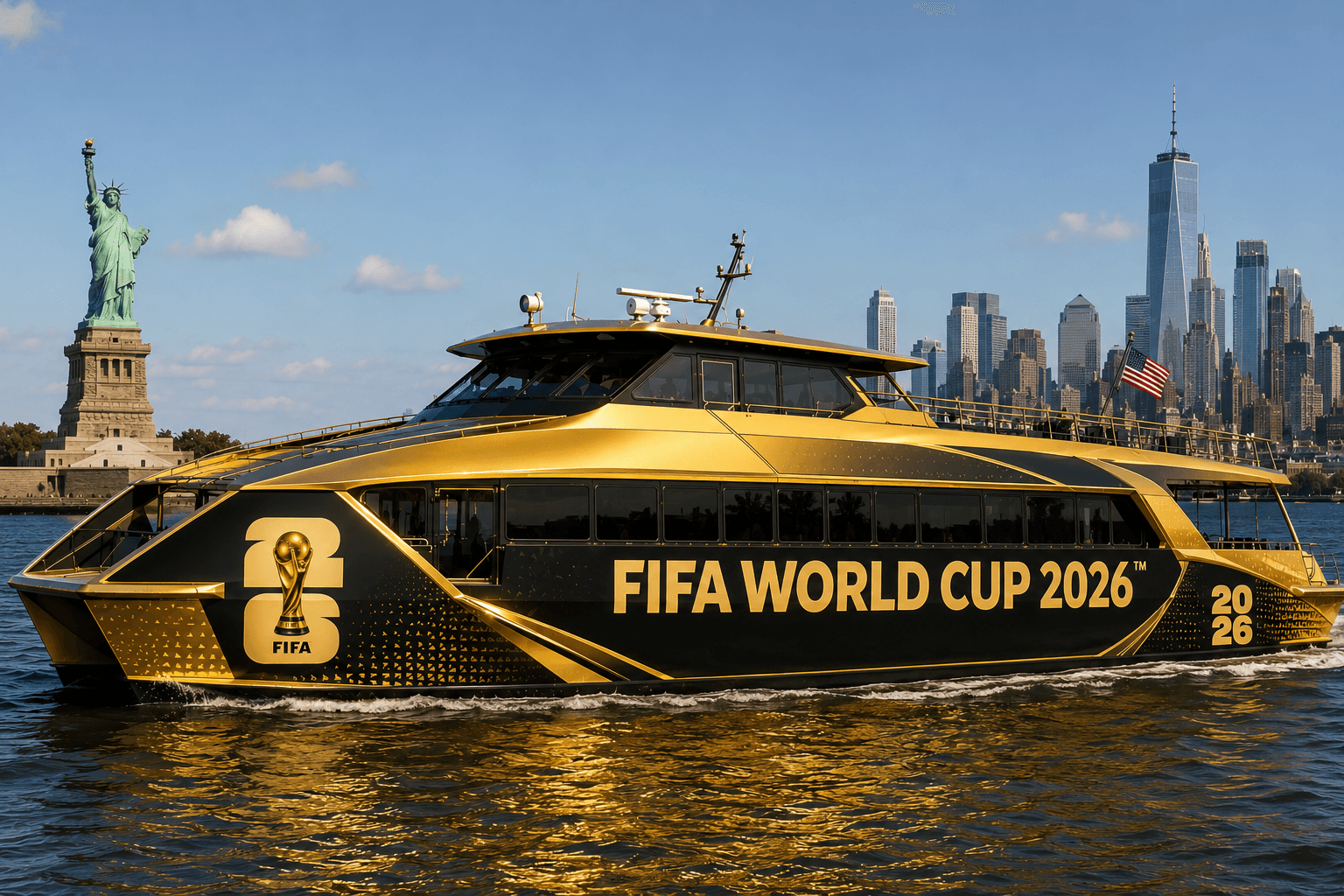
Get your boat ready for FIFA World Cup 2026 with a luxury custom wrap. Stand out on the water with premium marine graphics, gold finishes, and championship-inspired designs.
New Boat Prices Are Skyrocketing — Here's the Smarter Move Boat Owners Are Making
New boat prices are at record highs. Here's why more owners are choosing marine vinyl wraps to refresh their boat's look and protect the hull, without the cost of buying new
Boat Wraps Services
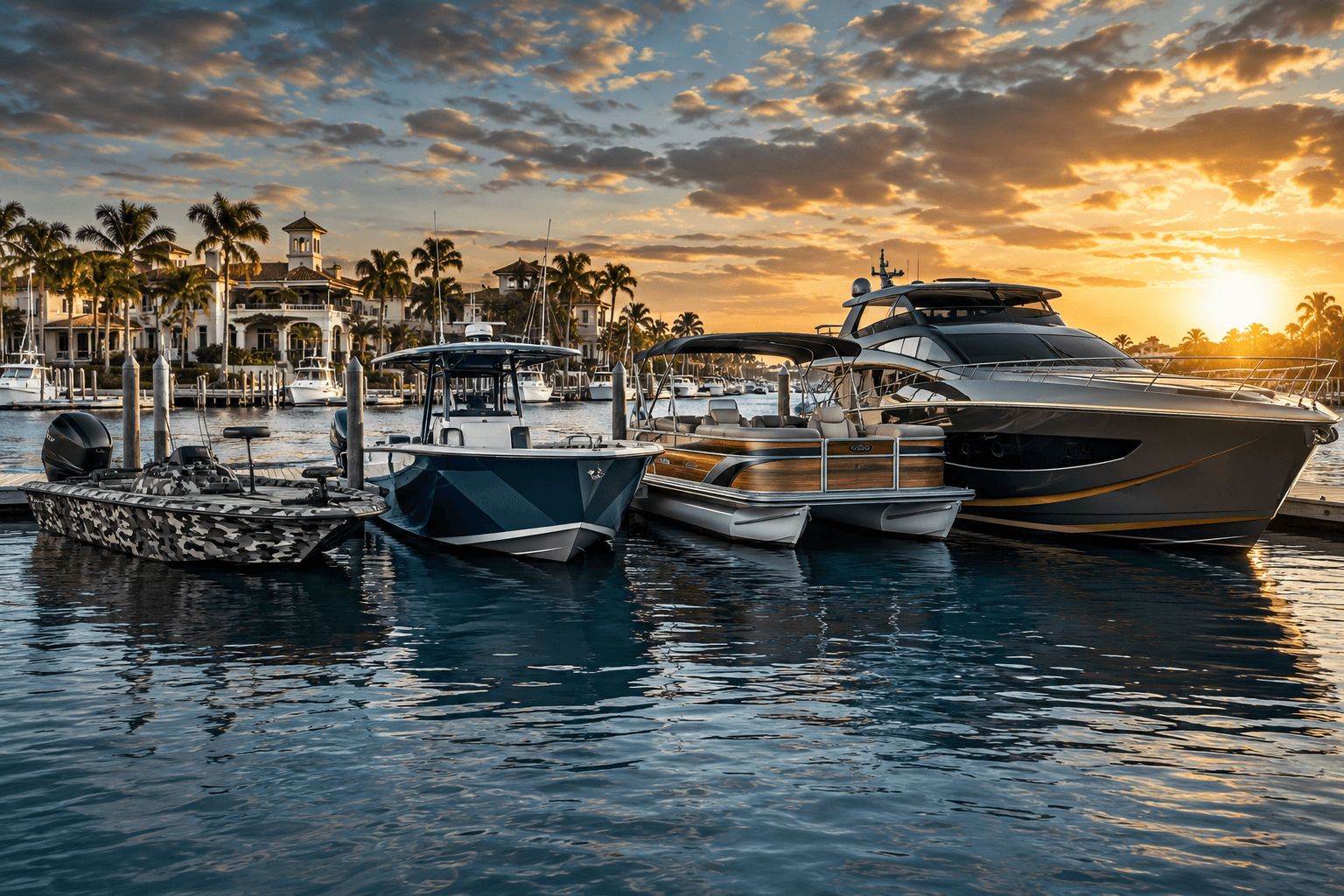
Boat Wrap Designs by Boat Type: What Actually Works on Your Vessel
A wrap that's perfect for a sportfishing boat chasing marlin offshore would look completely out of place on a family pontoon.
Boat Wraps Services
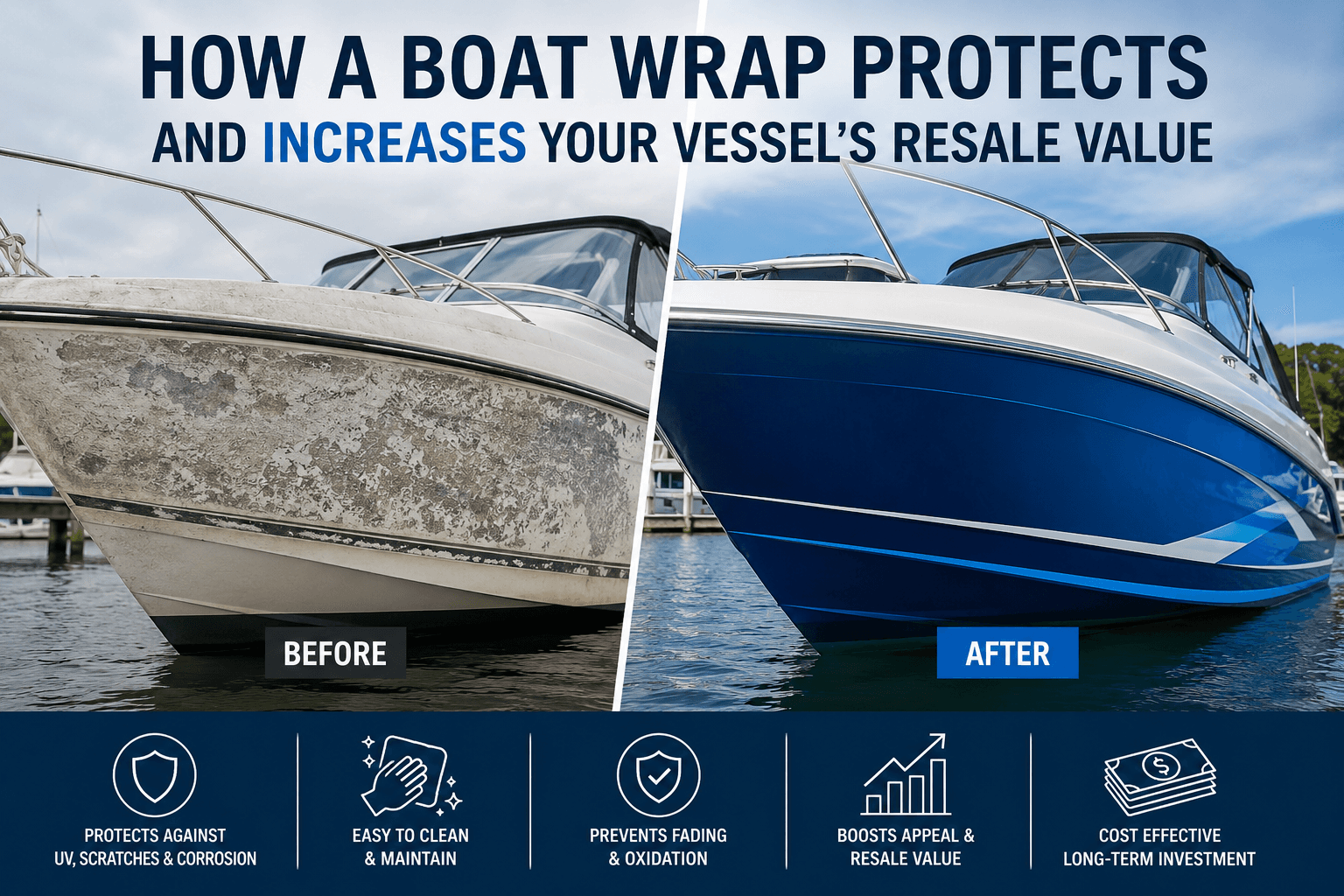
How a Boat Wrap Protects and Increases Your Vessel's Resale Value
How a Boat Wrap Can Protect and Increase Your Vessel's Resale Value
Boat Wraps Services
Top 10 FIFA World Cup Boat Wrap Ideas to Try This Season
If you already know you want your boat wrapped for World Cup season, the next question is which design actually fits your vessel.
Boat Wraps Services
Custom Boat Wraps for FIFA World Cup 2026
Get your boat ready for FIFA World Cup 2026 with a luxury custom wrap. Stand out on the water with premium marine graphics, gold finishes, and championship-inspired designs.
Boat Wraps Services
Luxury Yacht Wraps: The Complete Guide to Finishes, Styles, and Custom Marine Vinyl
Ocean Wraps works with luxury yacht and cruiser owners who want professional results, durable materials, and a finish that holds up on the water.
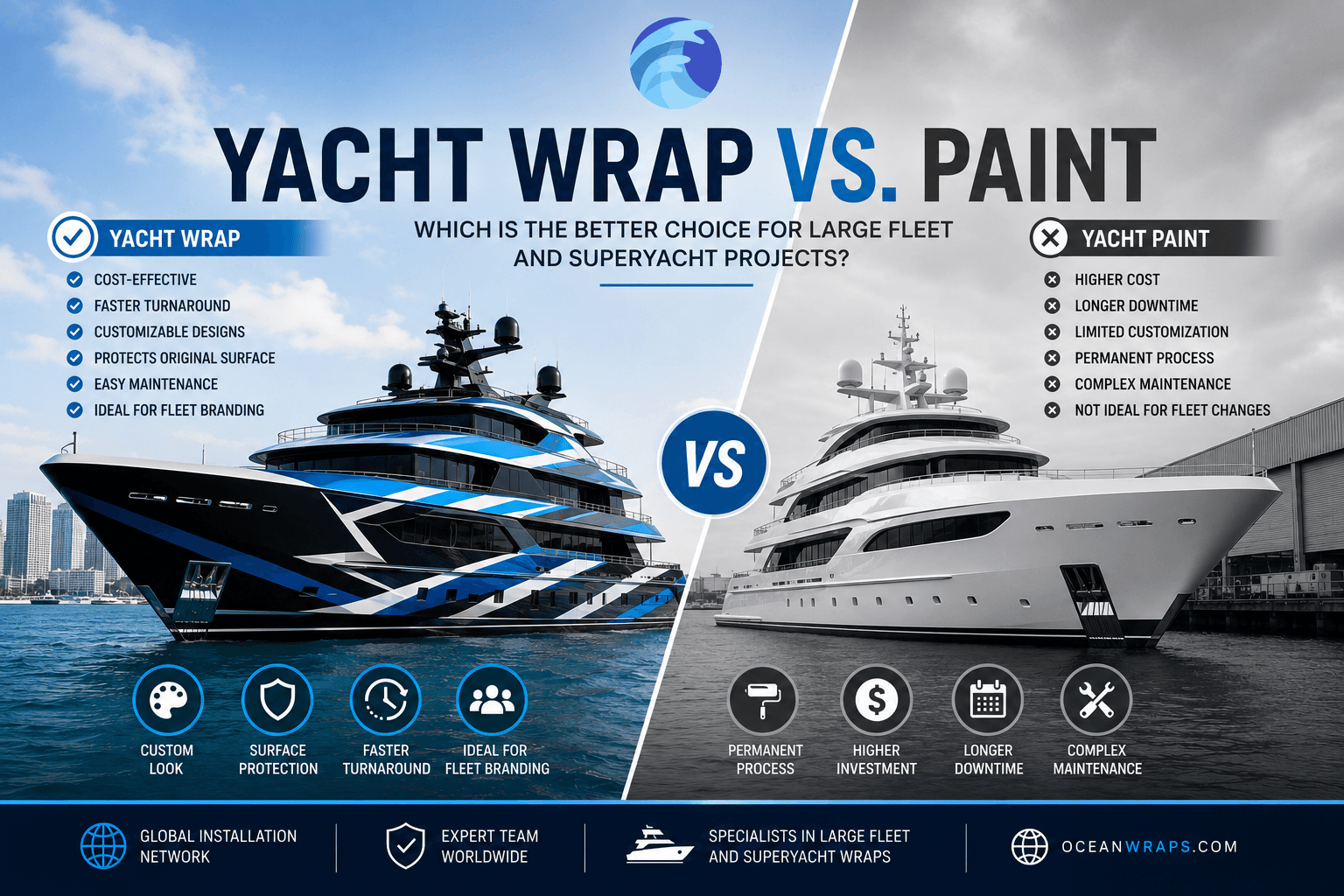
Yacht Wrap vs. Paint for Large Fleet & Superyacht Projects
Deciding between yacht wrap and paint for your fleet or superyacht? We break down real costs, downtime, durability, and which option actually makes sense at scale
How Much Does a Boat Wrap Cost? Complete Pricing Guide for 2026
Boat wrap prices vary widely depending on size, materials, and installer quality. Here's what a professional wrap actually costs in 2026 — and what to watch out for.
Luxury Yacht Wraps: The Complete Guide to Finishes, Styles, and Custom Marine Vinyl
Ocean Wraps works with luxury yacht and cruiser owners who want professional results, durable materials, and a finish that holds up on the water.
Boat Wraps Services
Why Florida Boat Owners Are Choosing Vinyl Boat Wraps in 2026
Discover why Florida boat owners are switching from paint to vinyl boat wraps. Learn the benefits, costs, protection, and customization options.
Guides
Boat Wraps vs Paint: 5 Reasons Why Wraps Win
Boat wraps cost less, install faster, and protect your gel coat better than traditional paint. Here's why so many boat owners are making the switch.
Guides
Yacht Wrap vs. Paint for Large Fleet & Superyacht Projects
Deciding between yacht wrap and paint for your fleet or superyacht? We break down real costs, downtime, durability, and which option actually makes sense at scale
Guides
How Much Does a Boat Wrap Cost? Complete Pricing Guide for 2026
Boat wrap prices vary widely depending on size, materials, and installer quality. Here's what a professional wrap actually costs in 2026 — and what to watch out for.