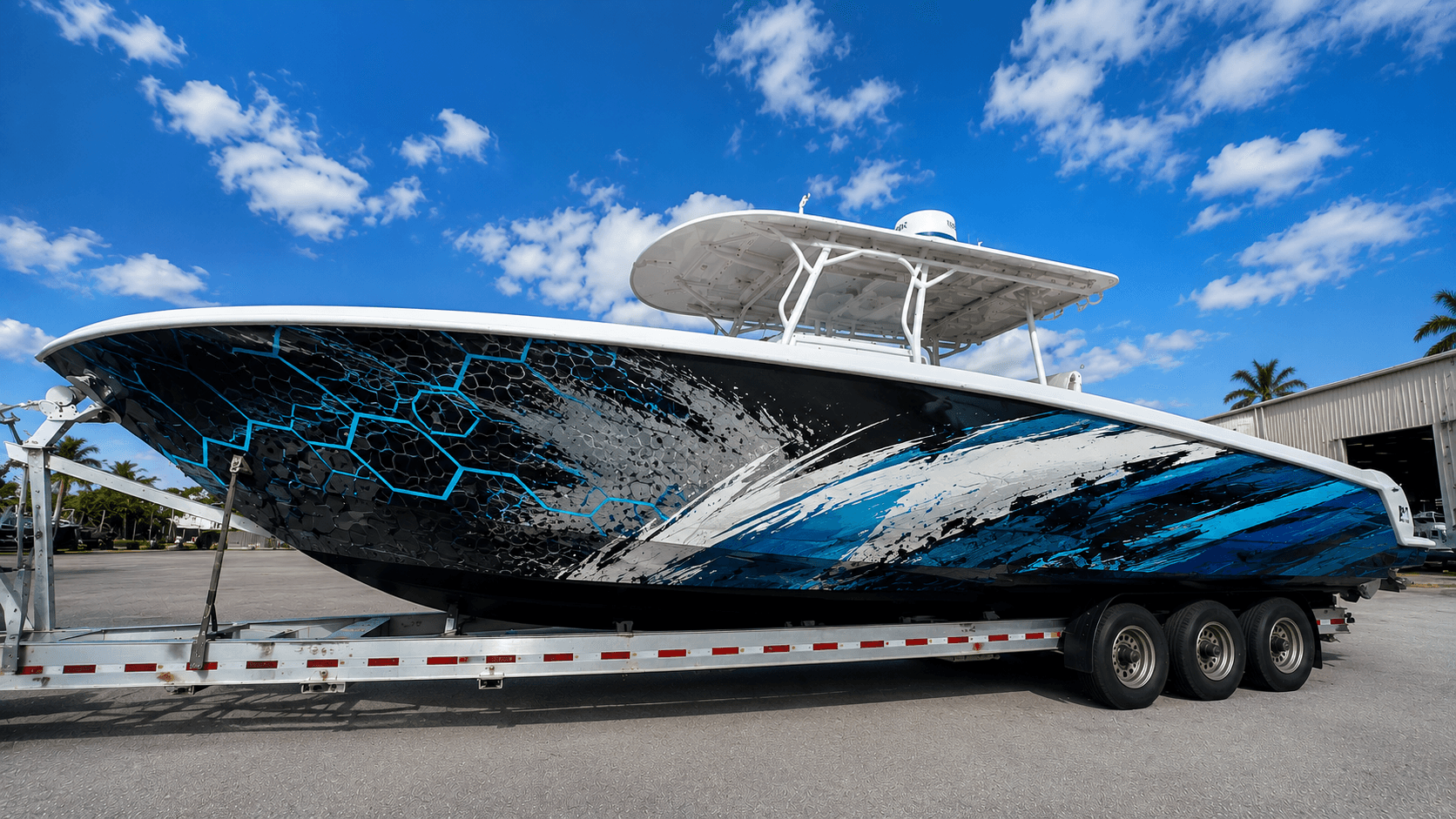
North Carolina Charter Boat Owners: Step-by-Step ROI Calculation for Boat Wraps
Calculate boat wrap ROI for North Carolina charter vessels. Professional marine vinyl, UV-resistant materials, and certified installation for Carolina boats.
Last updated April 24, 2026
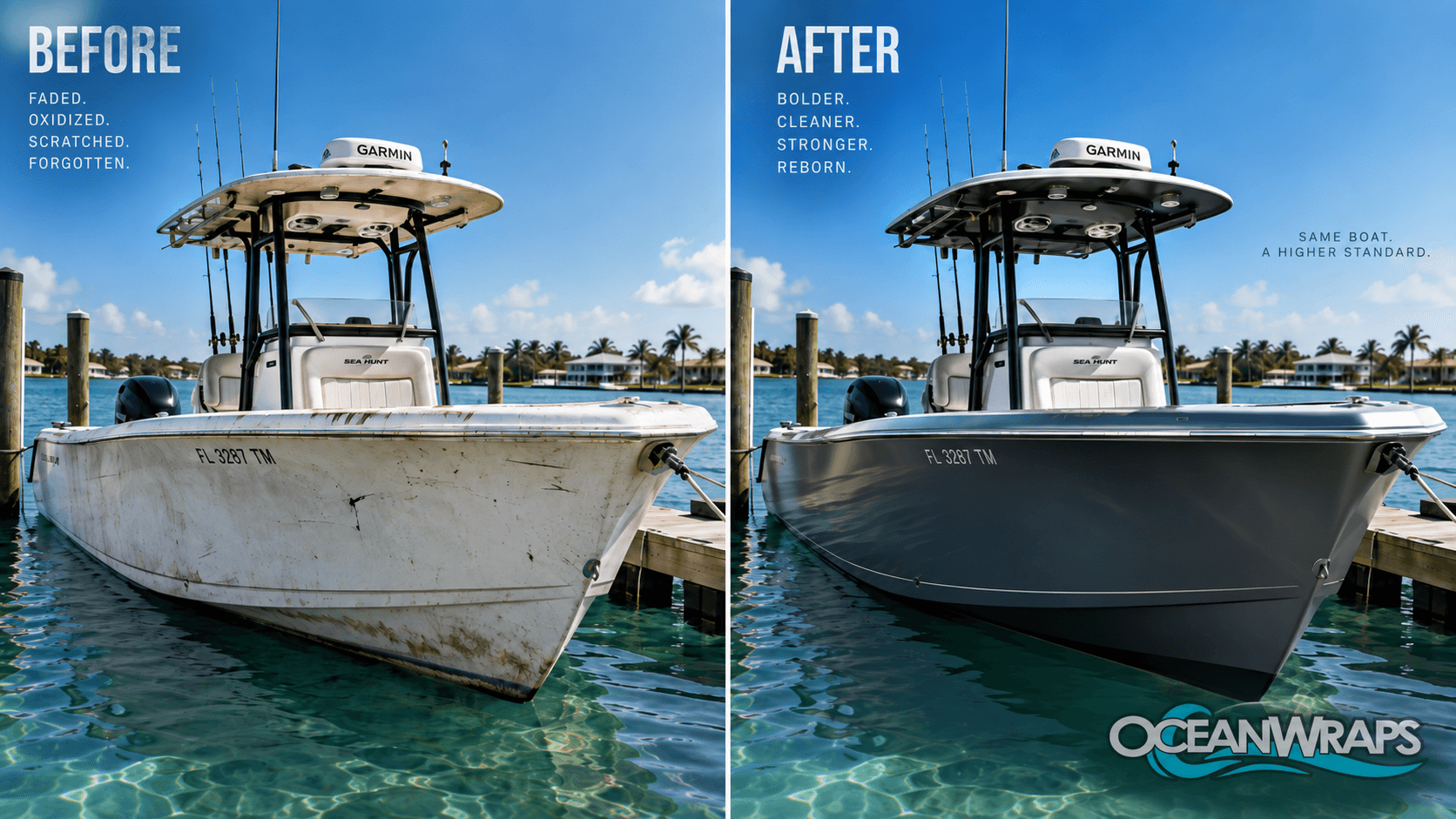
Boat wraps have become the preferred solution for North Carolina charter vessel owners seeking durable, customizable protection for their hulls and topsides. Unlike traditional gelcoat repairs or paint jobs, marine vinyl wraps offer a reversible transformation that protects the original surface while delivering eye-catching custom graphics. North Carolina waters present unique challenges, from salt air exposure to summer UV intensity. Whether you operate a fishing charter in Morehead City, a sailing vessel in Wilmington, or a wakeboard boat on Lake Norman, professional marine vinyl wraps provide the ideal balance of aesthetics and protection for your investment.
Boat Wraps Overview: North Carolina Charter Boat Owners: Step-by-Step ROI Calcula#
Professional expertise - OceanWraps certified team. Marine vinyl protects gelcoat from UV fading, salt damage, and abrasions common in coastal waters
Vinyl wraps cost significantly less than full paint jobs while delivering equal visual impact
Proper adhesion on curved hull sections and complex surfaces requires certified expertise
Removable vinyl preserves original finishes and maintains resale value for charter vessels
Premium cast vinyl with laminate overlay provides 5-7 year durability in marine environments
Professional boat wraps increase charter vessel visibility and brand recognition
OceanWraps addresses the specific needs of charter boat operators along the North Carolina coast, from the Outer Banks to the Cape Fear region. Certified installers understand how salt air accelerates deterioration and how summer heat affects vinyl adhesion. Working with experienced professionals ensures graphics resist peeling, bubbling, and UV degradation even after multiple seasons of use.
Understanding the marine vinyl installation process helps charter owners prepare for their project and ensures realistic expectations. Professional services follow a systematic approach that delivers lasting results.
Proper surface preparation determines wrap longevity. Technicians begin by removing all hardware, fixtures, and debris from the hull or topside. The surface gets thoroughly cleaned to remove wax, oil, and contaminants that could interfere with adhesive bonding. In the Carolina climate, ensuring complete dryness is critical—installation during moderate temperatures produces optimal results.
Custom boat wraps begin with digital design consultation. Technicians capture measurements to create precise templates that account for hull curvature, console shapes, and topside contours. Design options include full hull graphics, partial wraps, stripe packages, or detailed murals. Digital proofs allow visualization before cutting begins.
Certified installers use slip-solution techniques that allow positioning adjustment. Vinyl gets applied in controlled sections, with squeegees removing air bubbles and ensuring full adhesive contact. Curves and complex geometries receive special attention to prevent lift edges. Seams get strategically placed in less-visible areas when possible.
After installation, technicians trim edges flush with surfaces and reinstall all hardware. A final inspection verifies complete coverage, proper adhesion, and blemish-free appearance. Care instructions complete the professional service.
Boat wrap quality depends heavily on materials selected. Professional marine vinyl differs significantly from automotive or promotional films in composition and durability. OceanWraps specifies only marine-grade products tested for coastal environments.
Cast vinyl offers superior conformability around curves and complex hull shapes—essential for marine applications
Calendared vinyl provides economical options for flat or moderately curved surfaces
Matte finishes reduce glare and offer contemporary aesthetics popular among fishing vessels
Gloss finishes maximize color depth and reflect light for vibrant, eye-catching graphics
Metallic and carbon-fiber textures add premium visual appeal to cabin doors and topside panels
Clear protective laminate overlays guard against abrasion and extend service life
Quality marine vinyl for North Carolina conditions should include UV inhibitors. The combination of cast vinyl and laminate provides durability needed to withstand seasonal temperature swings, salt exposure, and intense summer sun. Professional installers select adhesives formulated for wet environments and temperature fluctuations.
How long do boat wraps last in North Carolina coastal environments?#
Premium marine vinyl with professional installation typically lasts 5-7 years in North Carolina conditions. Exposure to intense UV, frequent cleaning, and physical wear affect longevity. Lakes and inland waters generally produce longer results than salt water environments where salt deposition accelerates material breakdown. Regular washing and proper maintenance extend service life significantly.
Can boat wraps be removed without damaging gelcoat surfaces?#
Professional removal of quality marine vinyl typically does not damage properly maintained gelcoat. Heat application softens adhesive during removal. However, pre-existing gelcoat damage, oxidation, or improper previous coatings may affect removal results. Marine vinyl adheres less aggressively than automotive wraps, making removal safer for boat surfaces.
Do boat wraps require special maintenance in Carolina weather?#
Boat wraps benefit from regular washing with fresh water, especially after salt water exposure. Avoid abrasive scrubbers or harsh chemicals that can scratch laminate. Standard boat wash solutions work well. Waxing wrapped surfaces is not recommended as it degrades laminate over time. Inspections for edge lift after storms or heavy use help identify repair needs early.
What regulations affect boat wraps in North Carolina?#
North Carolina vessel identification requirements apply to boat wraps, much like hull numbers and registration markings. Commercial vessels may have additional marking requirements. Marina slip assignments typically allow wraps without special permission. However, wrap colors that could be mistaken for Coast Guard or emergency vessels should be avoided. Consultation with OceanWraps ensures compliance with applicable regulations.
New Boat Prices Are Skyrocketing — Here's the Smarter Move Boat Owners Are Making
New boat prices are at record highs. Here's why more owners are choosing marine vinyl wraps to refresh their boat's look and protect the hull, without the cost of buying new
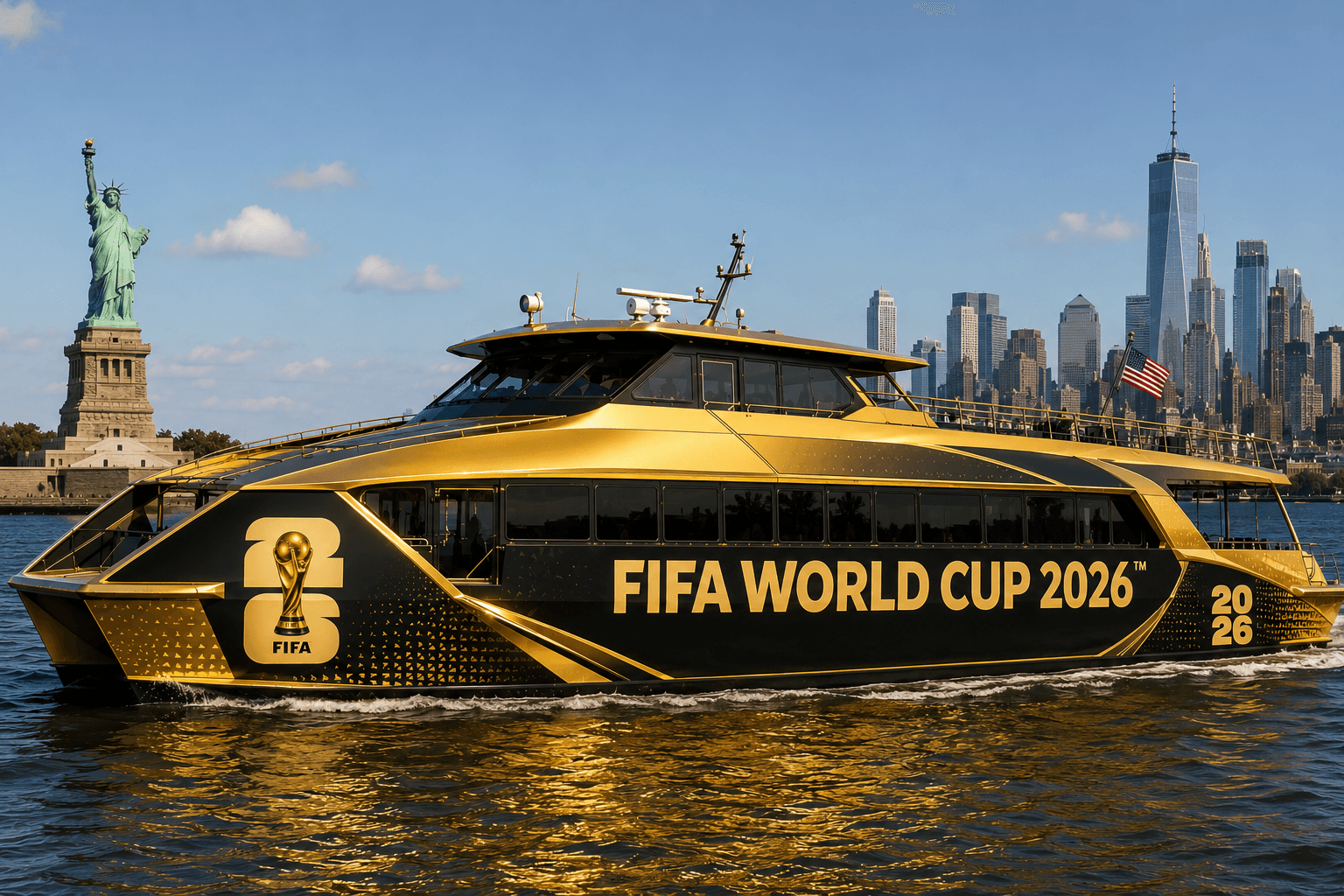
Get your boat ready for FIFA World Cup 2026 with a luxury custom wrap. Stand out on the water with premium marine graphics, gold finishes, and championship-inspired designs.
New Boat Prices Are Skyrocketing — Here's the Smarter Move Boat Owners Are Making
New boat prices are at record highs. Here's why more owners are choosing marine vinyl wraps to refresh their boat's look and protect the hull, without the cost of buying new
Boat Wraps Services
Boat Wrap Designs by Boat Type: What Actually Works on Your Vessel
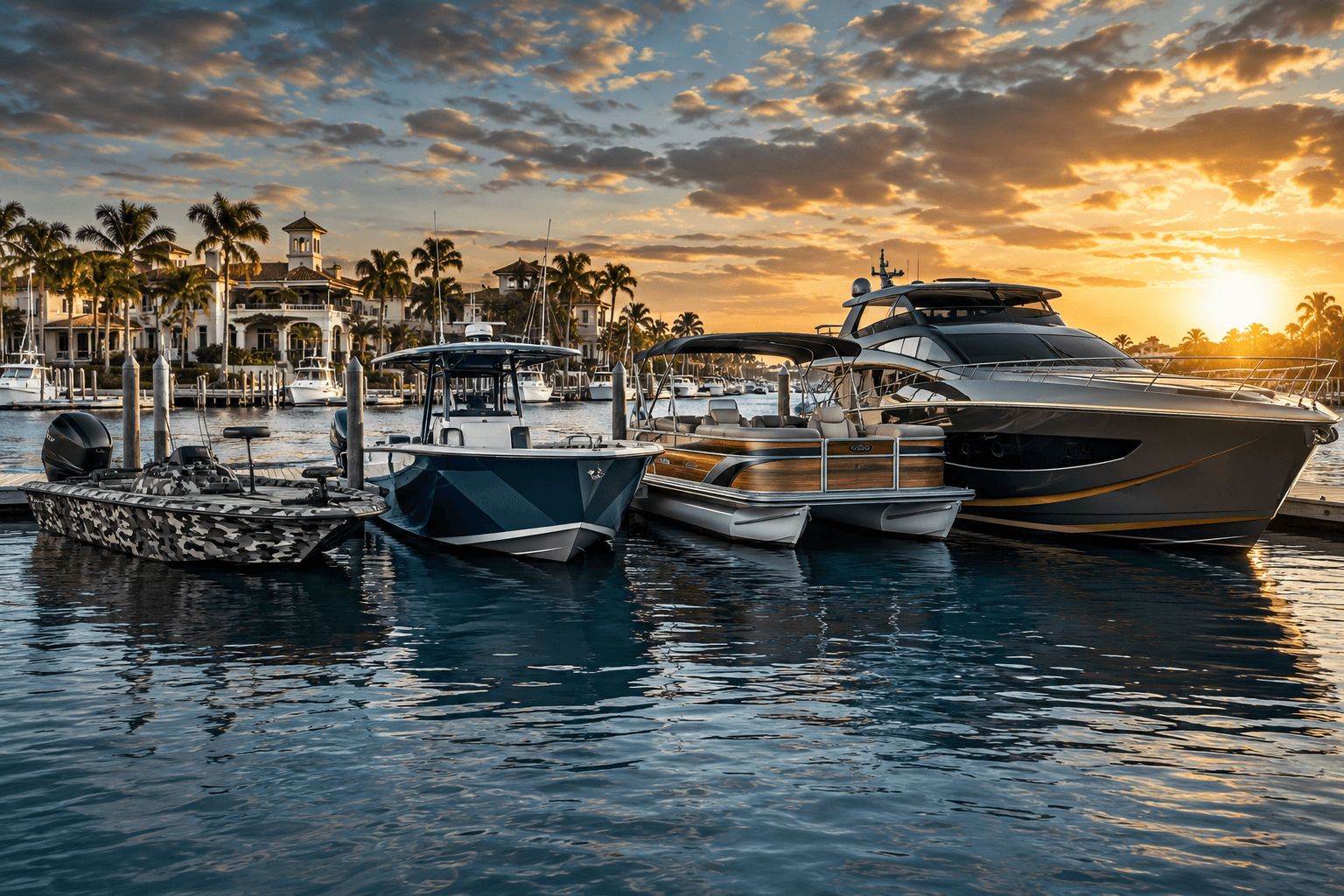
A wrap that's perfect for a sportfishing boat chasing marlin offshore would look completely out of place on a family pontoon.
Boat Wraps Services
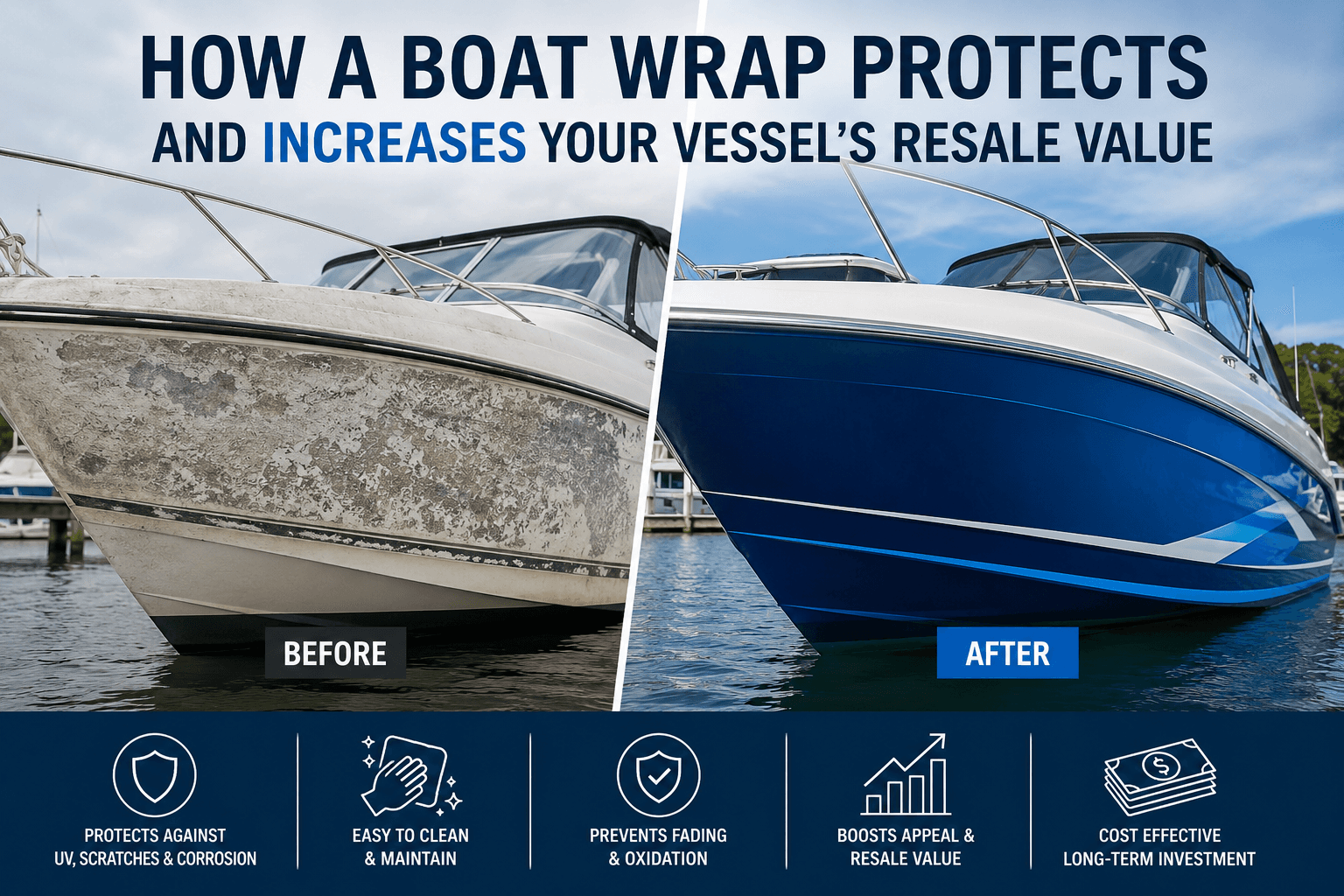
How a Boat Wrap Protects and Increases Your Vessel's Resale Value
How a Boat Wrap Can Protect and Increase Your Vessel's Resale Value
Boat Wraps Services
Top 10 FIFA World Cup Boat Wrap Ideas to Try This Season
If you already know you want your boat wrapped for World Cup season, the next question is which design actually fits your vessel.
Boat Wraps Services
Custom Boat Wraps for FIFA World Cup 2026
Get your boat ready for FIFA World Cup 2026 with a luxury custom wrap. Stand out on the water with premium marine graphics, gold finishes, and championship-inspired designs.
Boat Wraps Services
Luxury Yacht Wraps: The Complete Guide to Finishes, Styles, and Custom Marine Vinyl
Ocean Wraps works with luxury yacht and cruiser owners who want professional results, durable materials, and a finish that holds up on the water.
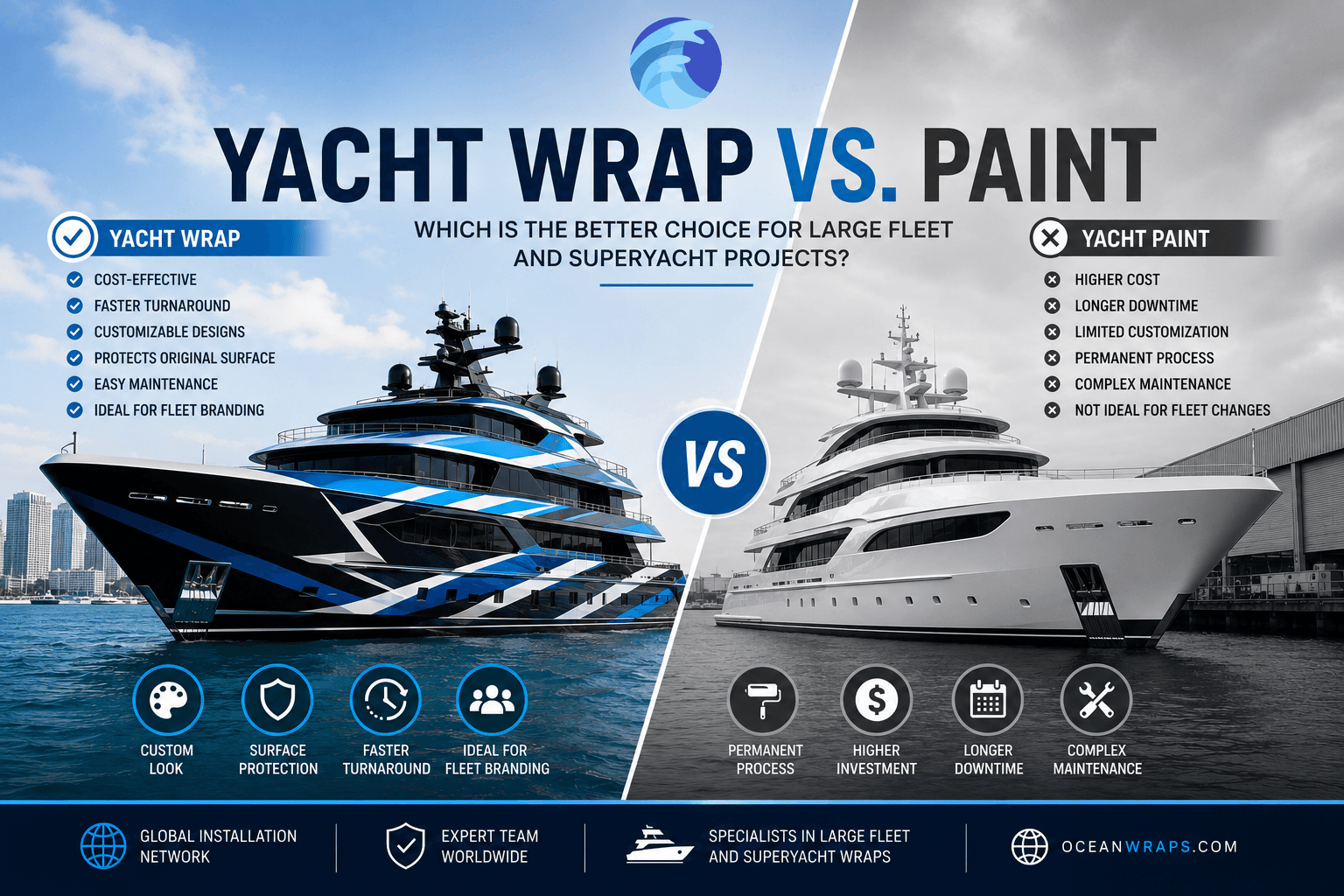
Yacht Wrap vs. Paint for Large Fleet & Superyacht Projects
Deciding between yacht wrap and paint for your fleet or superyacht? We break down real costs, downtime, durability, and which option actually makes sense at scale
How Much Does a Boat Wrap Cost? Complete Pricing Guide for 2026
Boat wrap prices vary widely depending on size, materials, and installer quality. Here's what a professional wrap actually costs in 2026 — and what to watch out for.
Luxury Yacht Wraps: The Complete Guide to Finishes, Styles, and Custom Marine Vinyl
Ocean Wraps works with luxury yacht and cruiser owners who want professional results, durable materials, and a finish that holds up on the water.
Boat Wraps Services
Why Florida Boat Owners Are Choosing Vinyl Boat Wraps in 2026
Discover why Florida boat owners are switching from paint to vinyl boat wraps. Learn the benefits, costs, protection, and customization options.
Guides
Boat Wraps vs Paint: 5 Reasons Why Wraps Win
Boat wraps cost less, install faster, and protect your gel coat better than traditional paint. Here's why so many boat owners are making the switch.
Guides
Yacht Wrap vs. Paint for Large Fleet & Superyacht Projects
Deciding between yacht wrap and paint for your fleet or superyacht? We break down real costs, downtime, durability, and which option actually makes sense at scale
Guides
How Much Does a Boat Wrap Cost? Complete Pricing Guide for 2026
Boat wrap prices vary widely depending on size, materials, and installer quality. Here's what a professional wrap actually costs in 2026 — and what to watch out for.