Top Boat Wraps West Palm Beach | Professional Marine Vinyl Installation
Professional boat wraps in West Palm Beach. Premium marine vinyl, cast vinyl wraps, UV-resistant graphics. Protect your vessel with certified installation.
Last updated April 16, 2026
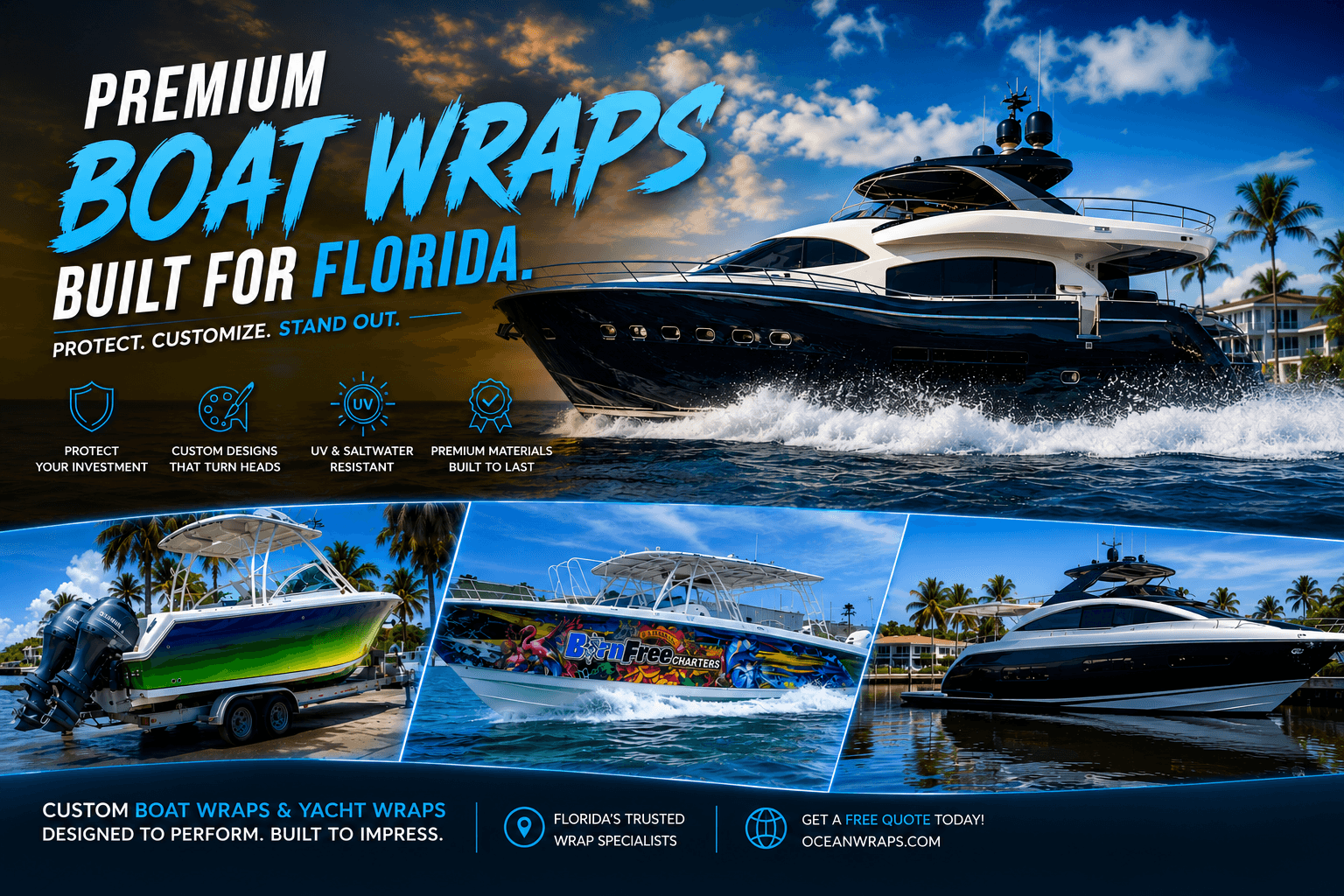
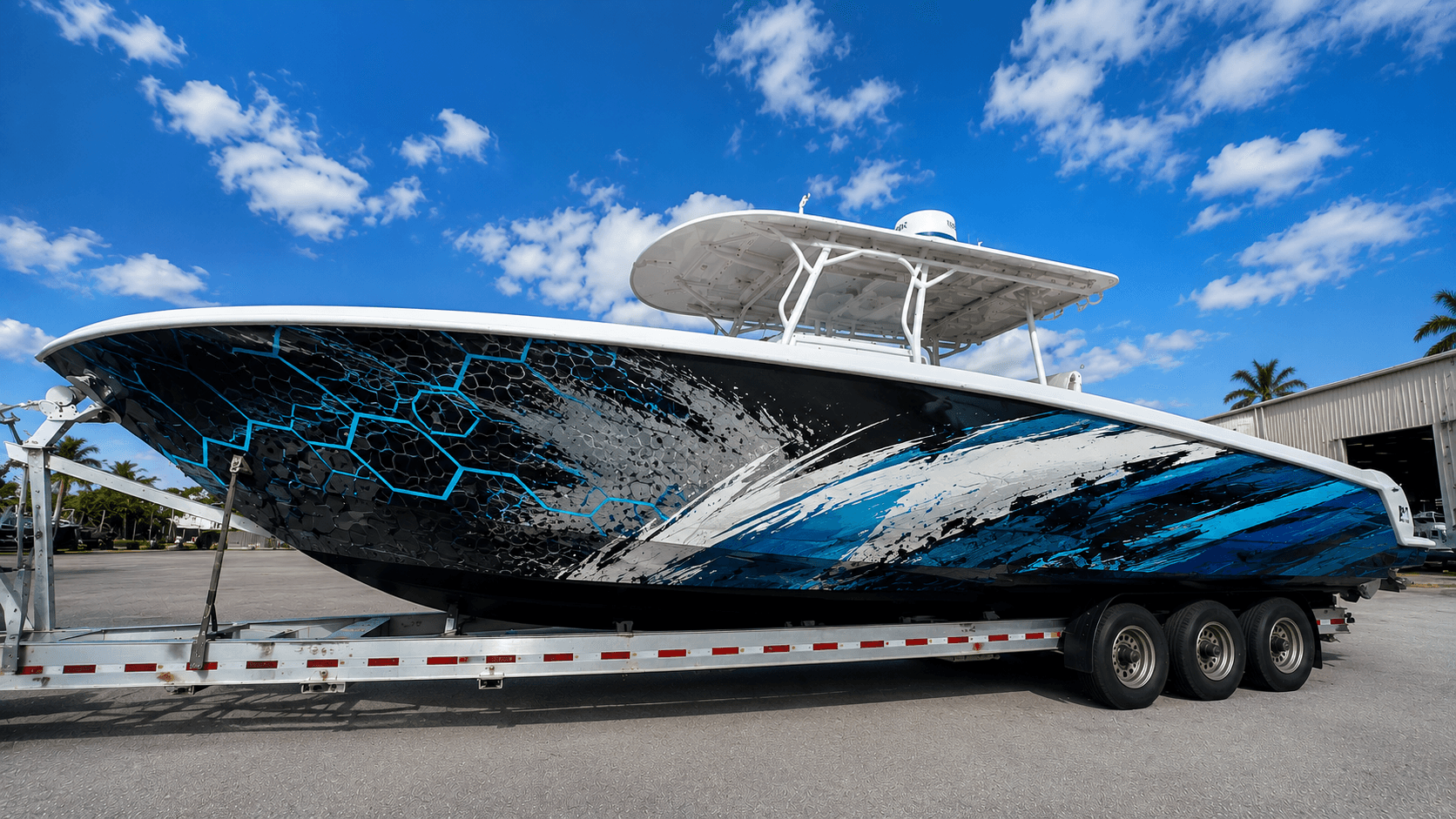
Boat wraps have become the premier solution for West Palm Beach boat owners seeking to protect and customize their vessels. Unlike traditional gelcoat repairs or paint, professional boat wraps offer a cost-effective alternative that delivers superior durability in the demanding marine environment of South Florida. OceanWraps specializes in premium marine vinyl applications that withstand the intense UV exposure, salt air, and tropical moisture conditions unique to the West Palm Beach coast.
Professional expertise - OceanWraps certified team. Premium marine vinyl provides superior UV resistance and salt water protection for boat wraps in harsh coastal environments
Professional installation by certified installers ensures proper adhesion and edge sealing that prevents water intrusion
Cast vinyl boat wraps offer superior durability and conformability compared to calendar vinyl alternatives
Boat wraps cost significantly less than traditional paint while providing equivalent aesthetic customization and better protection
Quality marine vinyl graphics can last 5-7 years with proper maintenance, protecting the underlying gelcoat from oxidation and damage
Professional boat wrap installation includes comprehensive surface preparation that prevents delamination and extends wrap lifespan
The marine climate in West Palm Beach presents unique challenges for boat wraps. The combination of intense subtropical sunlight, high humidity, and constant salt exposure accelerates deterioration of inferior materials. Professional boat wrap materials specifically designed for marine applications incorporate UV inhibitors and protective laminates that resist fading, cracking, and peeling. OceanWraps utilizes only premium cast vinyl and marine-grade laminates specifically engineered for prolonged saltwater immersion and sun exposure.
The boat wrap installation process begins with thorough surface preparation. Technicians inspect the hull or topside surfaces for oxidation, gelcoat damage, or existing graphics that must be removed. The surface must be cleaned with marine-grade solvents to eliminate wax, oil, and contaminants that compromise adhesion. Any gelcoat imperfections require repair before wrapping to ensure a smooth final appearance.
Following surface preparation, the design phase involves creating precise digital templates of the vessel surfaces. Professional boat wrap designers account for complex curvatures, console layouts, and access panels. Material selection focuses on marine vinyl types appropriate for each application area. Hull wraps typically require high-performance cast vinyl with maximum conformability, while topside graphics may utilize premium calendared vinyl with appropriate UV ratings.
During installation, skilled technicians apply vinyl using specialized techniques that eliminate air pockets and ensure complete contact with the substrate. Edge sealing becomes critical in marine environments to prevent water migration beneath the wrap. Professional installers use commercial-grade edge sealants rated for continuous water immersion. The final inspection verifies all edges, seams, and complex curves meet quality standards before the vessel returns to service.
Understanding the differences between marine vinyl types helps boat owners make informed decisions about their boat wrap materials. The primary distinction lies between cast vinyl and calendar vinyl, each offering distinct advantages for specific applications.
Cast vinyl boat wraps represent the premium option for marine applications. The casting process creates a thinner, more flexible film that conforms perfectly to complex hull curves and detailed topside surfaces without lifting or telegraphing. Cast vinyl maintains color consistency throughout the material thickness, providing superior resistance to UV fading and chemical exposure. While cast vinyl carries a higher initial cost, the extended lifespan and superior durability justify the investment for West Palm Beach boat owners seeking long-term protection.
Calendar vinyl offers a more economical alternative for flat or slightly curved surfaces. The manufacturing process creates a thicker, less conformable film better suited to straightforward topside applications. For boat owners on a budget, calendar vinyl provides adequate performance for graphics that do not require complex curvature fitting. However, for hull wraps and areas exposed to prolonged water immersion, cast vinyl remains the recommended choice.
Boat wrap finishes range from matte and satin to high-gloss options that rival traditional paint. Gloss finishes enhance color depth and provide a clean, reflective appearance popular on sport boats and wakeboard vessels. Matte finishes offer a contemporary, understated look favored by yacht owners. Satin finishes provide a balanced aesthetic between gloss and matte reflections.
Protective laminate overlays represent a critical component of quality boat wrap materials. Laminates provide additional UV protection, scratch resistance, and chemical resistance beyond the vinyl film itself. Premium marine laminates incorporate inhibitors that prevent fading and maintain flexibility in tropical conditions. The best vinyl for boat wraps includes both a quality cast vinyl base and a matching marine-grade laminate system.
Regional considerations in West Palm Beach include the proximity to Port of Palm Beach and the Atlantic shipping lanes. Many vessel owners in this region transport boats internationally, making boat wraps an attractive option for temporary branding that can be removed upon sale. The strong marine culture around Sailfish Marina and local yacht clubs creates high demand for professional boat wrap services.
How long do boat wraps last in the Florida marine environment?#
Quality marine vinyl wraps properly installed by certified professionals typically last 5-7 years in South Florida conditions. The intense UV exposure and salt air require premium materials and proper maintenance. Regular fresh water rinsing after ocean use and avoiding abrasive cleaning methods extends wrap lifespan significantly.
Can boat wraps be applied to any surface on my vessel?#
Boat wraps work best on clean, prepared gelcoat surfaces on the hull and topside. Textured surfaces, weathered gelcoat, and damaged areas require preparation before wrapping. Metal surfaces, rubber components, and textured non-skid areas typically require alternative finishing methods. Professional installers assess each vessel to determine appropriate application areas.
Do I need special marina approval for boat wraps?#
Most West Palm Beach marinas do not require specific approval for vessel wraps, though some luxury yacht basins may have aesthetic guidelines. Unlike permanent paint modifications, vinyl wraps represent a removable customization that typically falls within standard vessel modification allowances. Always confirm with your specific marina management regarding any signage or appearance restrictions.
How does boat wrap cost compare to traditional painting?#
Professional boat wraps generally cost 40-60% less than quality marine paint jobs while offering comparable aesthetic customization. Beyond initial savings, boat wraps protect the underlying gelcoat from UV damage and oxidation, potentially preserving resale value. The removable nature of vinyl wraps also appeals to boat owners who may want to change vessel appearance or remove branding before sale.
Boat Wraps: Practical Considerations for West Palm Beach Boat Owners#
Several factors influence boat wrap success in the local marine environment. Surface preparation remains the most critical factor—proper gelcoat cleaning and any necessary oxidation removal ensures optimal vinyl adhesion. Edge sealing requires marine-grade sealants rated for continuous water immersion to prevent delamination. Hull curvature on deep-vee and modified-vee hulls demands experienced installers familiar with complex compound curves. Local marina rules regarding vessel appearance should be verified before committing to any wrap project. Dry storage during off-season months extends wrap lifespan by reducing prolonged UV exposure. Fresh water rinsing after each saltwater use removes corrosive salt deposits that degrade adhesive and vinyl materials over time.
Verify marina aesthetic guidelines before scheduling your boat wrap installation
Choose premium cast vinyl for hull wraps to ensure proper conformability and longevity
Schedule installation during moderate weather conditions for optimal adhesive curing
Rinse with fresh water after each saltwater exposure to extend wrap lifespan
Consider seasonal storage options to minimize prolonged UV exposure
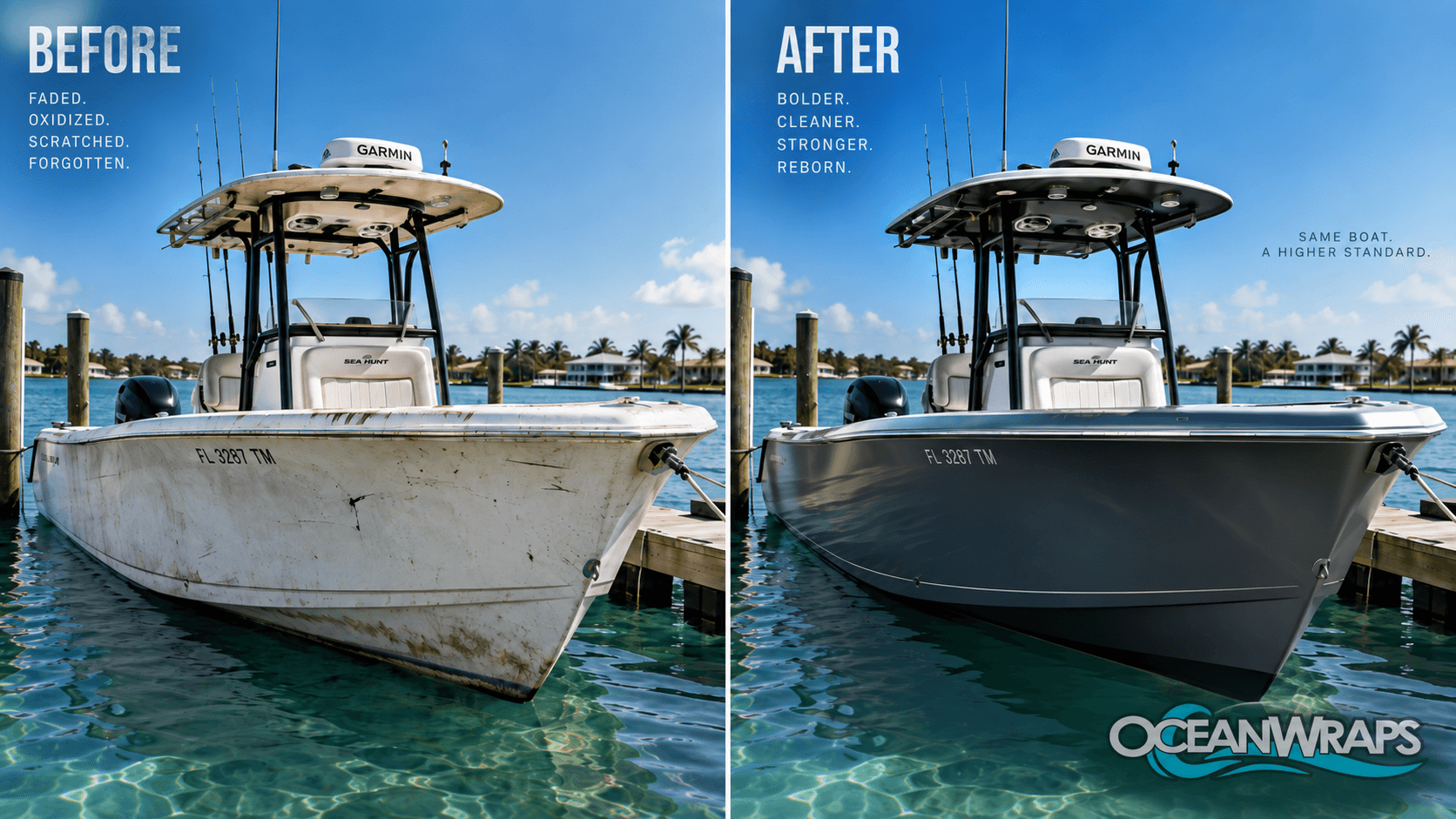
New Boat Prices Are Skyrocketing — Here's the Smarter Move Boat Owners Are Making
New boat prices are at record highs. Here's why more owners are choosing marine vinyl wraps to refresh their boat's look and protect the hull, without the cost of buying new
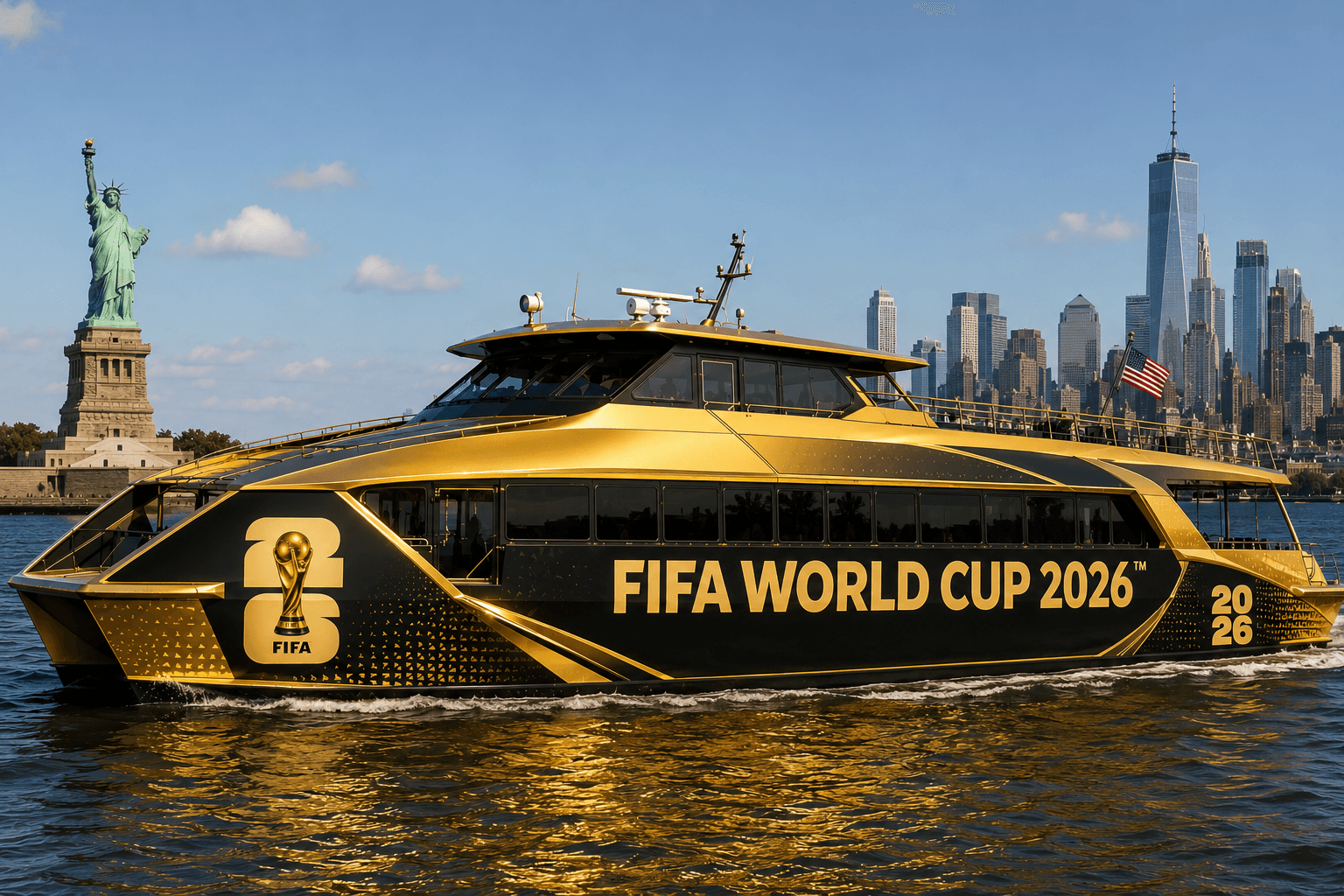
Get your boat ready for FIFA World Cup 2026 with a luxury custom wrap. Stand out on the water with premium marine graphics, gold finishes, and championship-inspired designs.
New Boat Prices Are Skyrocketing — Here's the Smarter Move Boat Owners Are Making
New boat prices are at record highs. Here's why more owners are choosing marine vinyl wraps to refresh their boat's look and protect the hull, without the cost of buying new
Boat Wraps Services
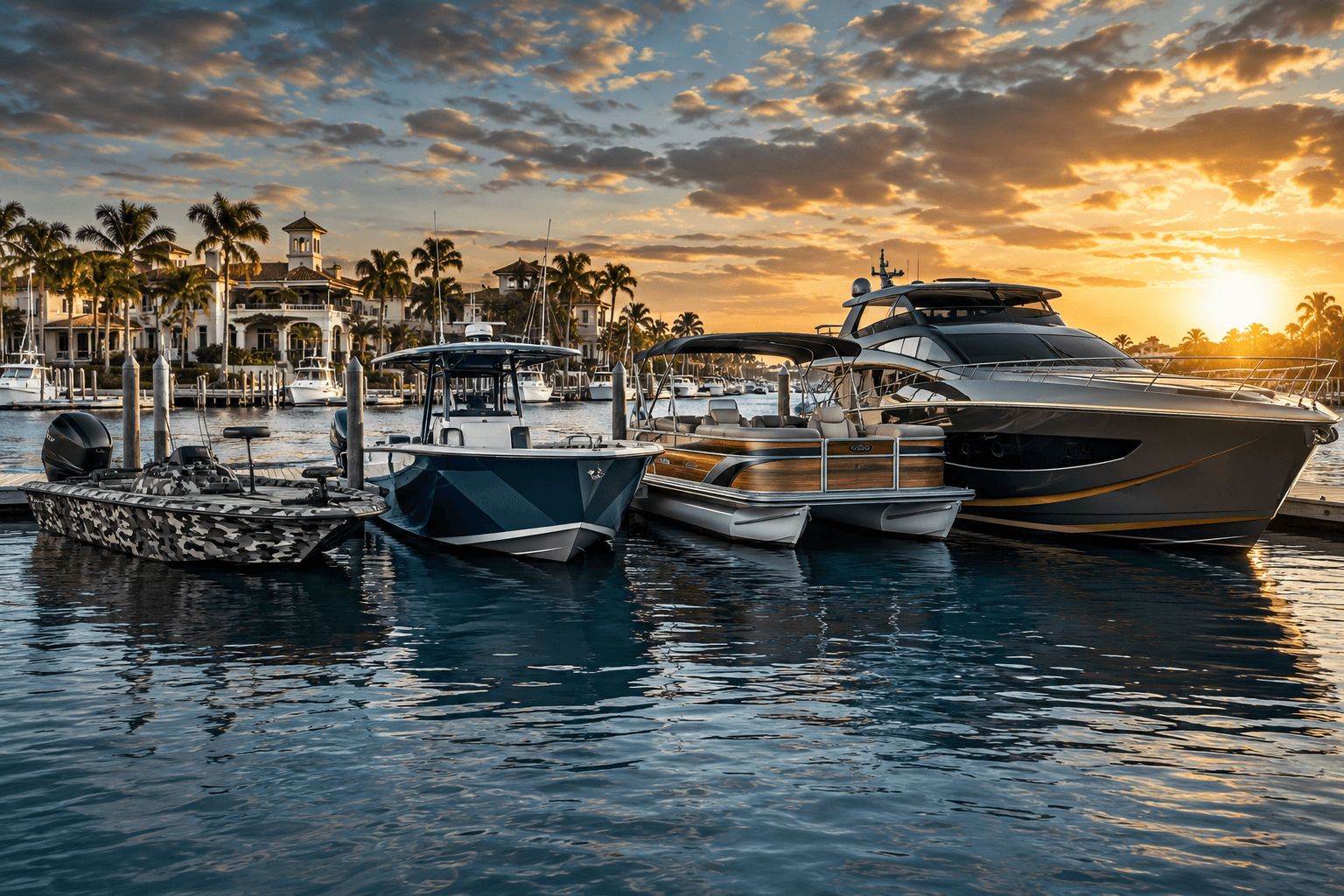
Boat Wrap Designs by Boat Type: What Actually Works on Your Vessel
A wrap that's perfect for a sportfishing boat chasing marlin offshore would look completely out of place on a family pontoon.
Boat Wraps Services
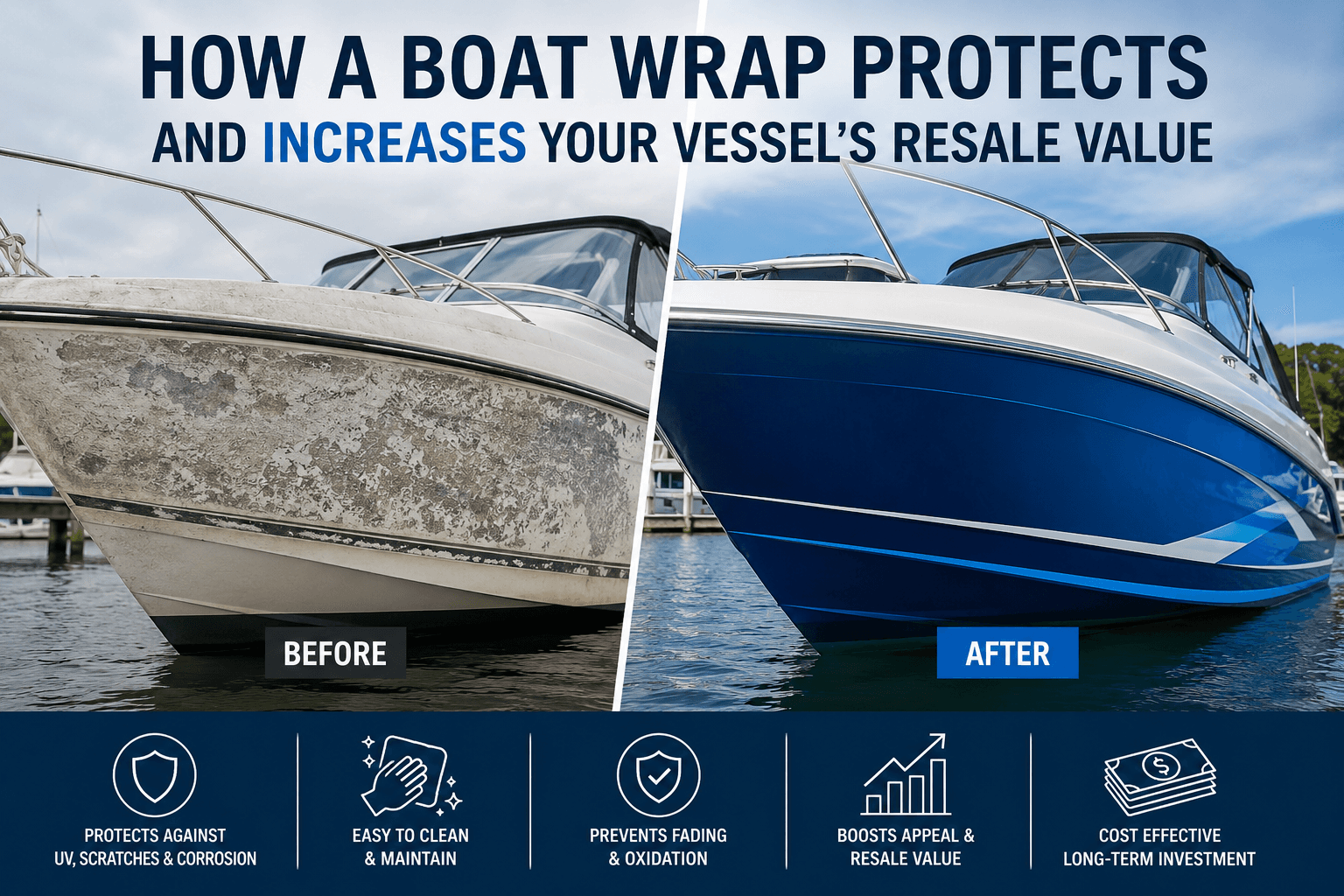
How a Boat Wrap Protects and Increases Your Vessel's Resale Value
How a Boat Wrap Can Protect and Increase Your Vessel's Resale Value
Boat Wraps Services
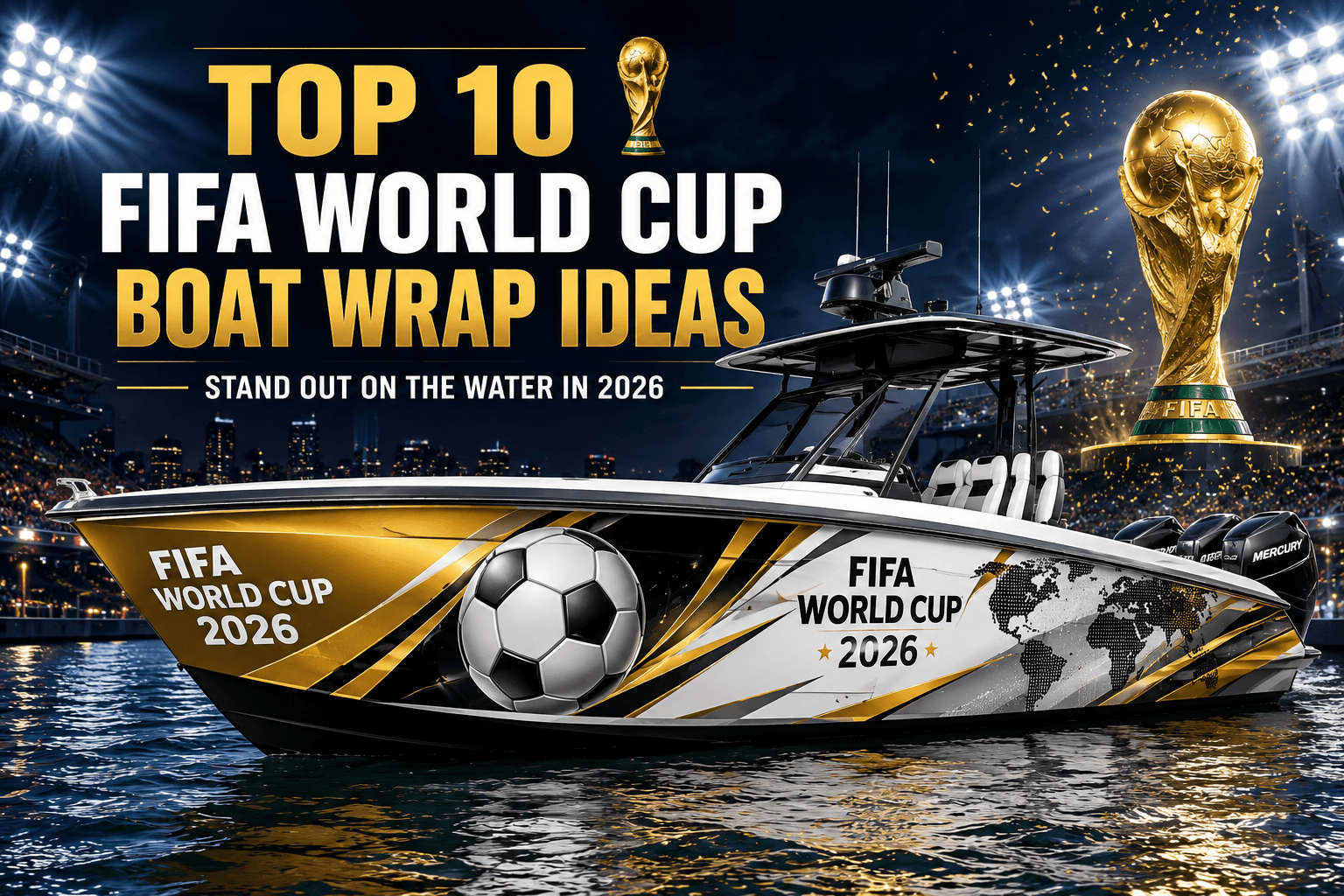
Top 10 FIFA World Cup Boat Wrap Ideas to Try This Season
If you already know you want your boat wrapped for World Cup season, the next question is which design actually fits your vessel.
Boat Wraps Services
Custom Boat Wraps for FIFA World Cup 2026
Get your boat ready for FIFA World Cup 2026 with a luxury custom wrap. Stand out on the water with premium marine graphics, gold finishes, and championship-inspired designs.
Boat Wraps Services
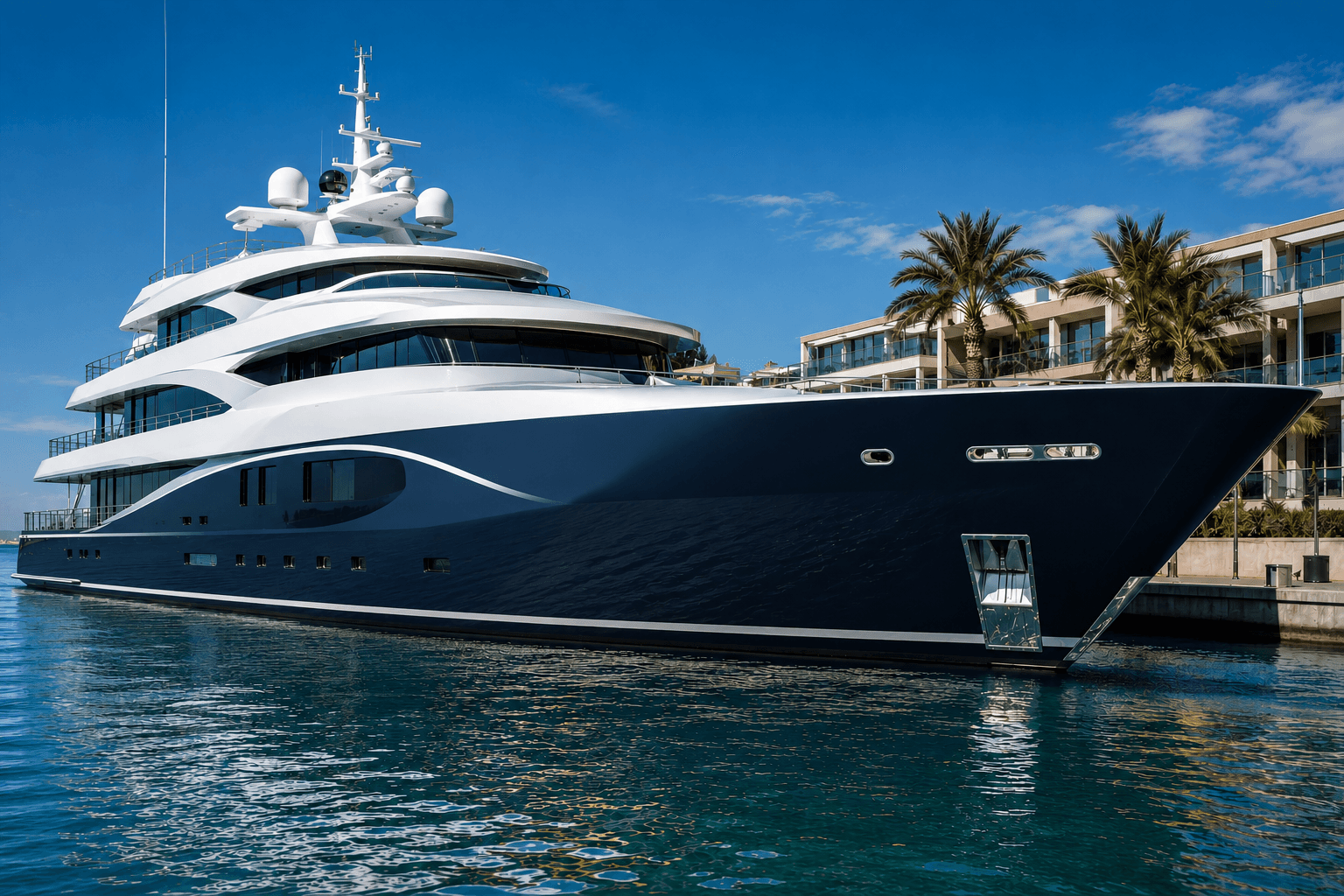
Luxury Yacht Wraps: The Complete Guide to Finishes, Styles, and Custom Marine Vinyl
Ocean Wraps works with luxury yacht and cruiser owners who want professional results, durable materials, and a finish that holds up on the water.
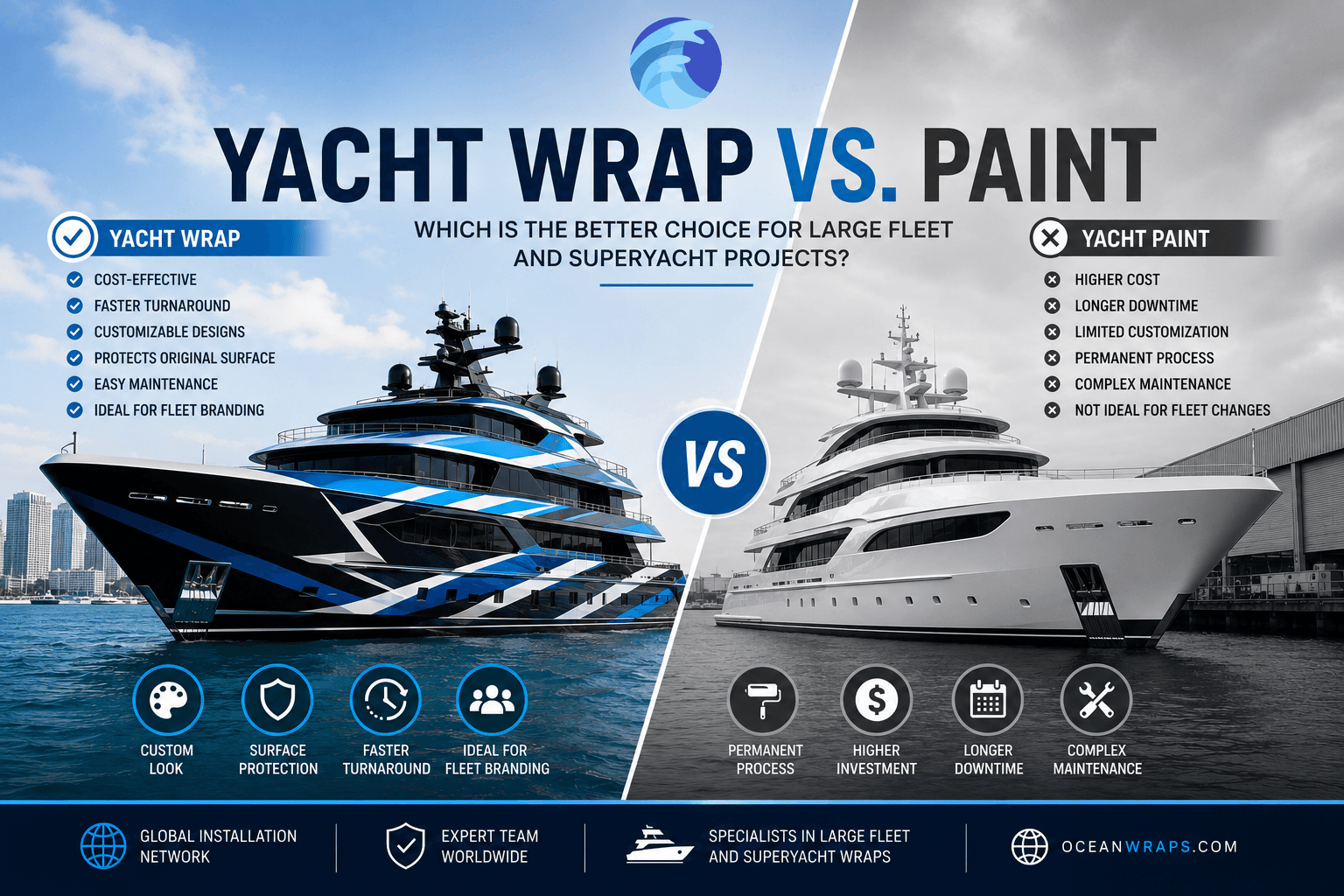
Yacht Wrap vs. Paint for Large Fleet & Superyacht Projects
Deciding between yacht wrap and paint for your fleet or superyacht? We break down real costs, downtime, durability, and which option actually makes sense at scale
How Much Does a Boat Wrap Cost? Complete Pricing Guide for 2026
Boat wrap prices vary widely depending on size, materials, and installer quality. Here's what a professional wrap actually costs in 2026 — and what to watch out for.
Luxury Yacht Wraps: The Complete Guide to Finishes, Styles, and Custom Marine Vinyl
Ocean Wraps works with luxury yacht and cruiser owners who want professional results, durable materials, and a finish that holds up on the water.
Boat Wraps Services
Why Florida Boat Owners Are Choosing Vinyl Boat Wraps in 2026
Discover why Florida boat owners are switching from paint to vinyl boat wraps. Learn the benefits, costs, protection, and customization options.
Guides
Boat Wraps vs Paint: 5 Reasons Why Wraps Win
Boat wraps cost less, install faster, and protect your gel coat better than traditional paint. Here's why so many boat owners are making the switch.
Guides
Yacht Wrap vs. Paint for Large Fleet & Superyacht Projects
Deciding between yacht wrap and paint for your fleet or superyacht? We break down real costs, downtime, durability, and which option actually makes sense at scale
Guides
How Much Does a Boat Wrap Cost? Complete Pricing Guide for 2026
Boat wrap prices vary widely depending on size, materials, and installer quality. Here's what a professional wrap actually costs in 2026 — and what to watch out for.