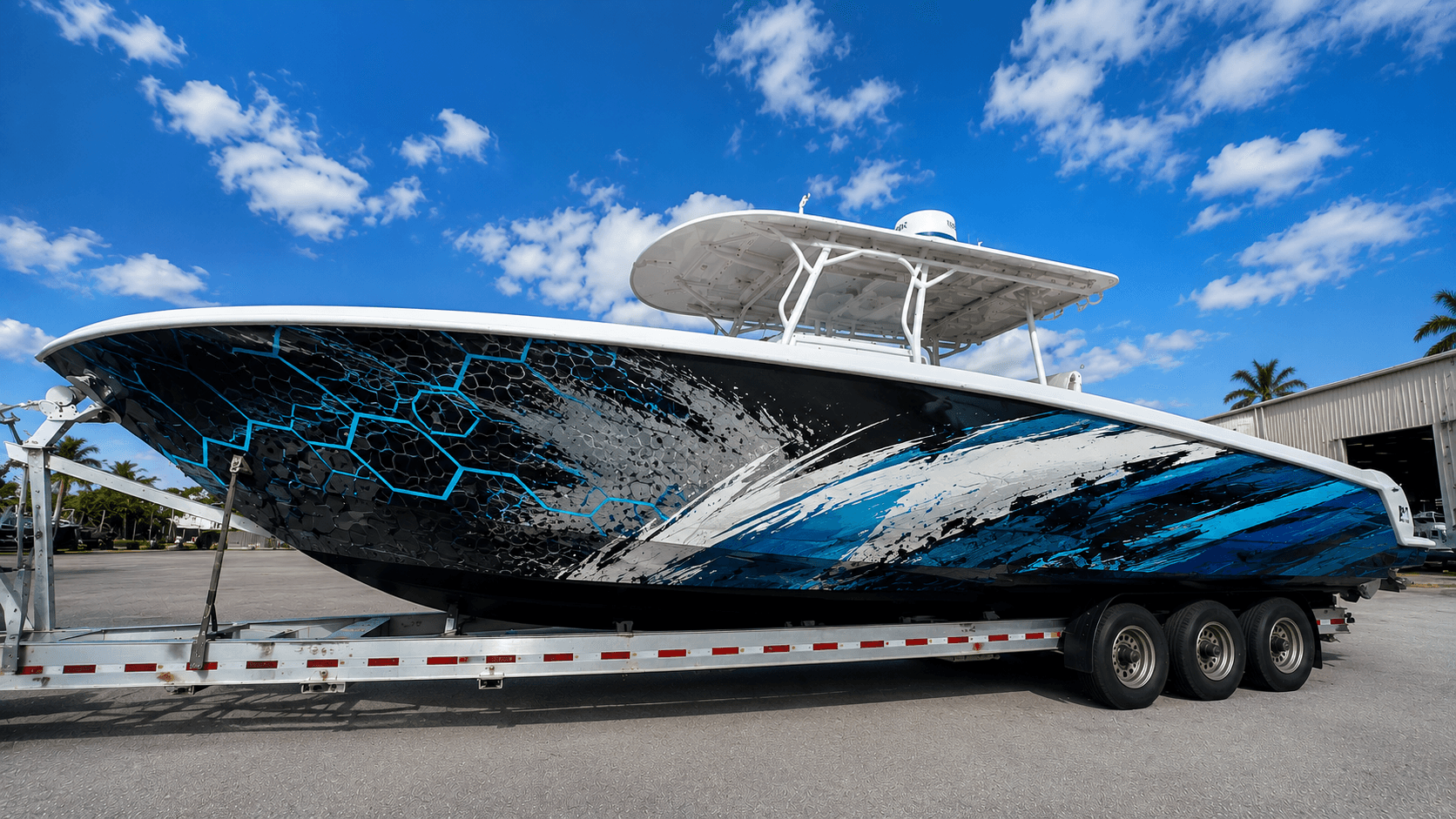
Boat Wraps for High-Performance Hulls: A Customer Success Story
Discover how professional boat wraps transform high-performance hulls. Learn about the expert process, premium materials, and why OceanWraps is the trusted choi
Last updated March 13, 2026
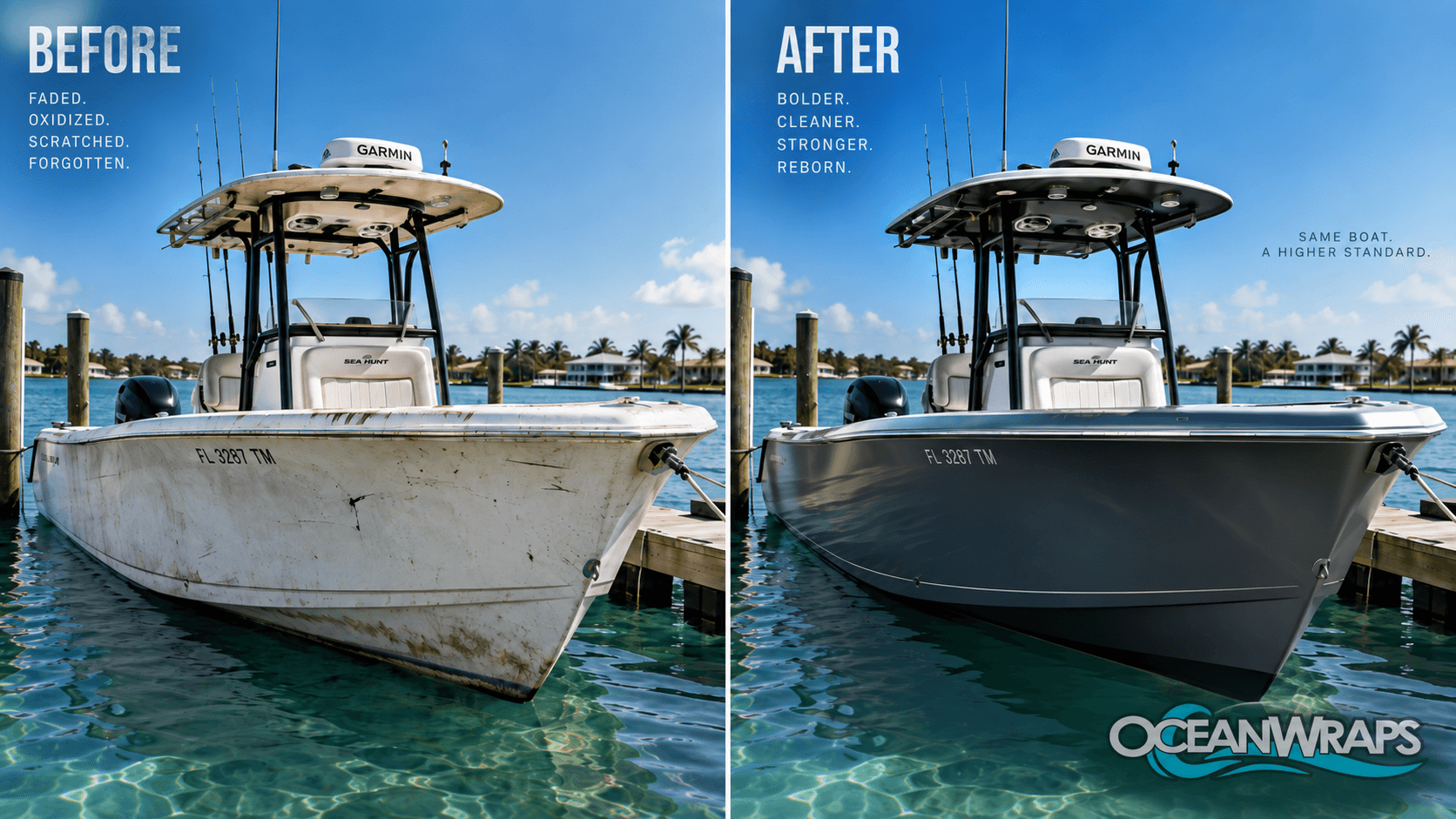
For owners of high-performance vessels, the decision to invest in boat wraps is often driven by more than aesthetics. It is a strategic choice to protect a significant asset while making a bold visual statement. Unlike standard hulls, high-performance designs present unique challenges—complex curves, aggressive chines, and hulls designed to plane at high speeds demand an installation precision that far exceeds generic vinyl applications. This customer success story delves into the meticulous process behind a flawless wrap on a performance catamaran, illustrating why professional expertise is non-negotiable.
The journey from a bare gelcoat hull to a wrapped masterpiece is a systematic operation. For our client’s performance catamaran, every step was executed with surgical precision to ensure the graphics would withstand the stresses of high-speed operation and harsh marine exposure.
The project began not with vinyl, but with a comprehensive hull inspection. Any existing wax, silicone, or oxidation was meticulously removed using marine-specific solvents and clay bar techniques. The gelcoat was then lightly sanded with a fine-grit pad to create a perfectly uniform, microscopically rough surface—the only foundation for permanent adhesion. This step is where many DIY or uncertified attempts fail, as residual contaminants guarantee premature failure.
Using detailed hull measurements and digital templates, the complex graphic design was engineered to account for hull curvature and structural features. This digital precision ensures patterns align perfectly across both hulls and that seams are strategically placed in low-visibility, low-stress areas, a hallmark of professional boat wraps.
Installation is where theory meets practice. Large panels of cast marine vinyl were applied using a wet-install method, allowing for precise positioning. The installers used specialized soft squeegees and controlled heat to slowly mold the material over sharp chines and curved sections, working out all air and ensuring a bubble-free, paint-like finish. Critical areas like edges were carefully wrapped and post-heated to activate the adhesive, creating a sealed barrier against water intrusion.
Once the vinyl was set, a clear protective laminate was applied over the entire graphic area. This laminate is the shield, providing superior UV resistance and protection against fuel spills, salt, and dock rash. A final 72-hour cure period was observed before the vessel was returned to the water, ensuring optimal bond strength.
Not all vinyl is created equal, especially for marine use. The substrate for any quality boat wrap must be a cast vinyl film. Unlike cheaper calendared vinyl, cast material has memory and elasticity, allowing it to stretch and conform to compound curves without shrinking back or cracking over time. For this project, a premium 3M or Avery Dennison cast marine vinyl with air-release channels was used.
The finish is equally critical. A matte or satin laminate can provide a sophisticated, non-reflective look, while a high-gloss laminate offers depth and shine that rivals paint. For durability, a 2-5 mil thick overlaminate with UV inhibitors is standard for professional installations. This combination of cast vinyl and a robust laminate is what defines a commercial-grade boat wrap, a standard consistently met by certified shops like OceanWraps.
Beyond the basic steps, several nuanced factors separate a good installation from a great one on high-performance boats. First, understanding hull flex and stress points is vital; vinyl and seams must be oriented to work with, not against, these forces. Second, marina or storage rules must be considered; some facilities have specific requirements for work done on-site. Finally, establishing a correct wash protocol—using pH-neutral soaps and avoiding abrasive brushes or harsh chemicals—is essential for maintaining the wrap's appearance for years.
How long do professional boat wraps last on a saltwater vessel?#
With premium materials and certified installation, a marine wrap can last 5-7 years or more. The key factors are the quality of the cast vinyl and protective laminate, the rigor of the surface prep, and consistent proper care. OceanWraps uses materials and techniques designed specifically for the marine environment to maximize longevity.
Can a wrap be applied over existing hull graphics or non-skid?#
Vinyl can be applied over existing smooth graphics if they are well-adhered, but it is not recommended over textured non-skid surfaces. For a seamless look and optimal adhesion, existing vinyl should be professionally removed and the hull prepared as new. A certified installer will assess the substrate and advise on the best course of action.
No, a professionally installed and removed wrap will not damage sound, factory gelcoat. In fact, it protects the underlying surface from UV fading and minor abrasion. The removal process uses controlled heat and gentle techniques to lift the vinyl and adhesive cleanly.
Why choose a certified installer over a general sign shop?#
Marine installation presents unique challenges in surface prep, material selection for fluid dynamics and UV exposure, and finishing techniques for a waterproof seal. Certified marine installers, like the team at OceanWraps, are trained specifically for these conditions and use materials warrantied for marine use, which general shops often do not.
The difference was immediately apparent. The wrap looked like it was sprayed on, with perfect alignment over both hulls. After a season of hard use, it still looks flawless—no lifting edges, no fading. It was an investment in both protection and pride.
New Boat Prices Are Skyrocketing — Here's the Smarter Move Boat Owners Are Making
New boat prices are at record highs. Here's why more owners are choosing marine vinyl wraps to refresh their boat's look and protect the hull, without the cost of buying new
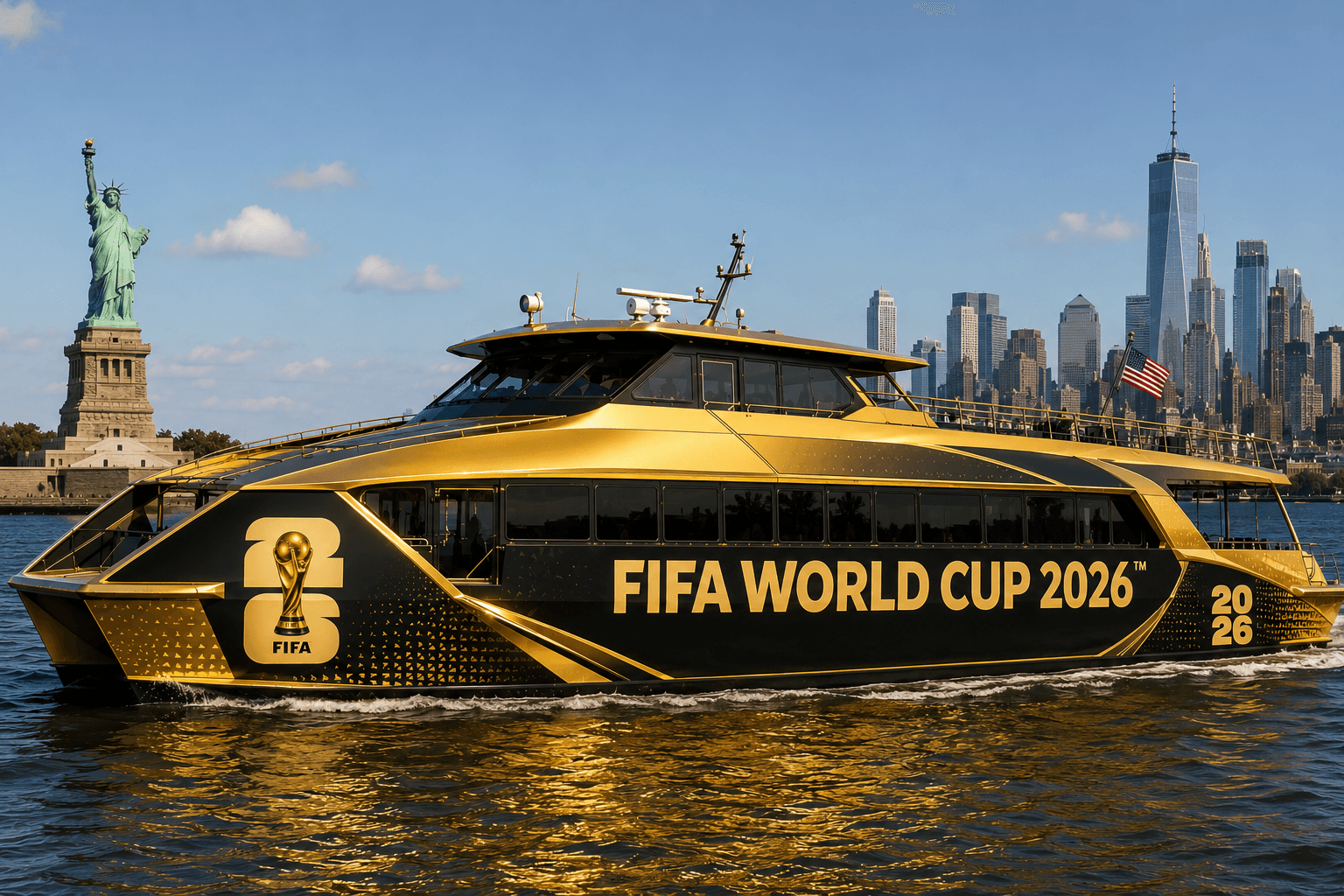
Get your boat ready for FIFA World Cup 2026 with a luxury custom wrap. Stand out on the water with premium marine graphics, gold finishes, and championship-inspired designs.
New Boat Prices Are Skyrocketing — Here's the Smarter Move Boat Owners Are Making
New boat prices are at record highs. Here's why more owners are choosing marine vinyl wraps to refresh their boat's look and protect the hull, without the cost of buying new
Boat Wraps Services
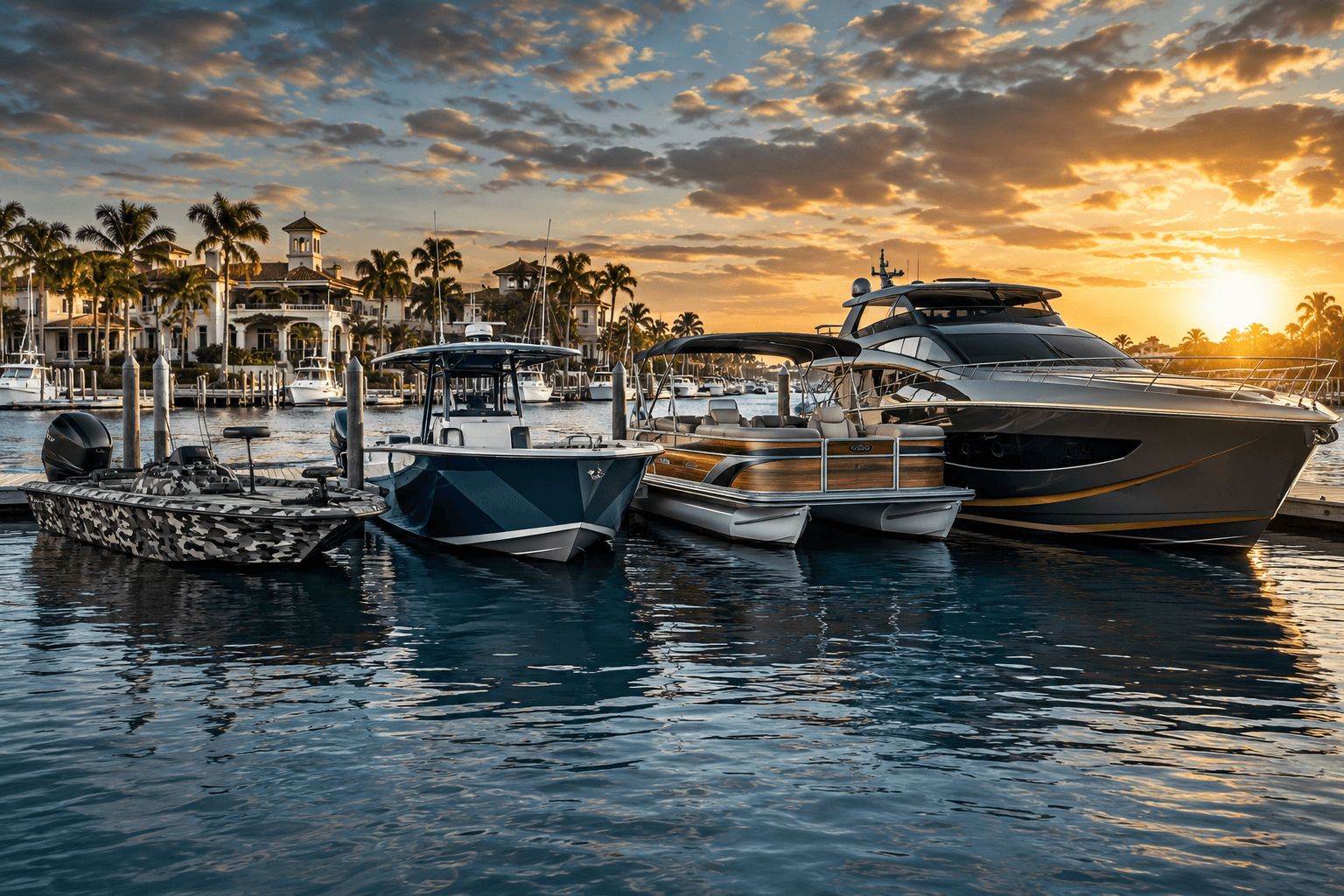
Boat Wrap Designs by Boat Type: What Actually Works on Your Vessel
A wrap that's perfect for a sportfishing boat chasing marlin offshore would look completely out of place on a family pontoon.
Boat Wraps Services
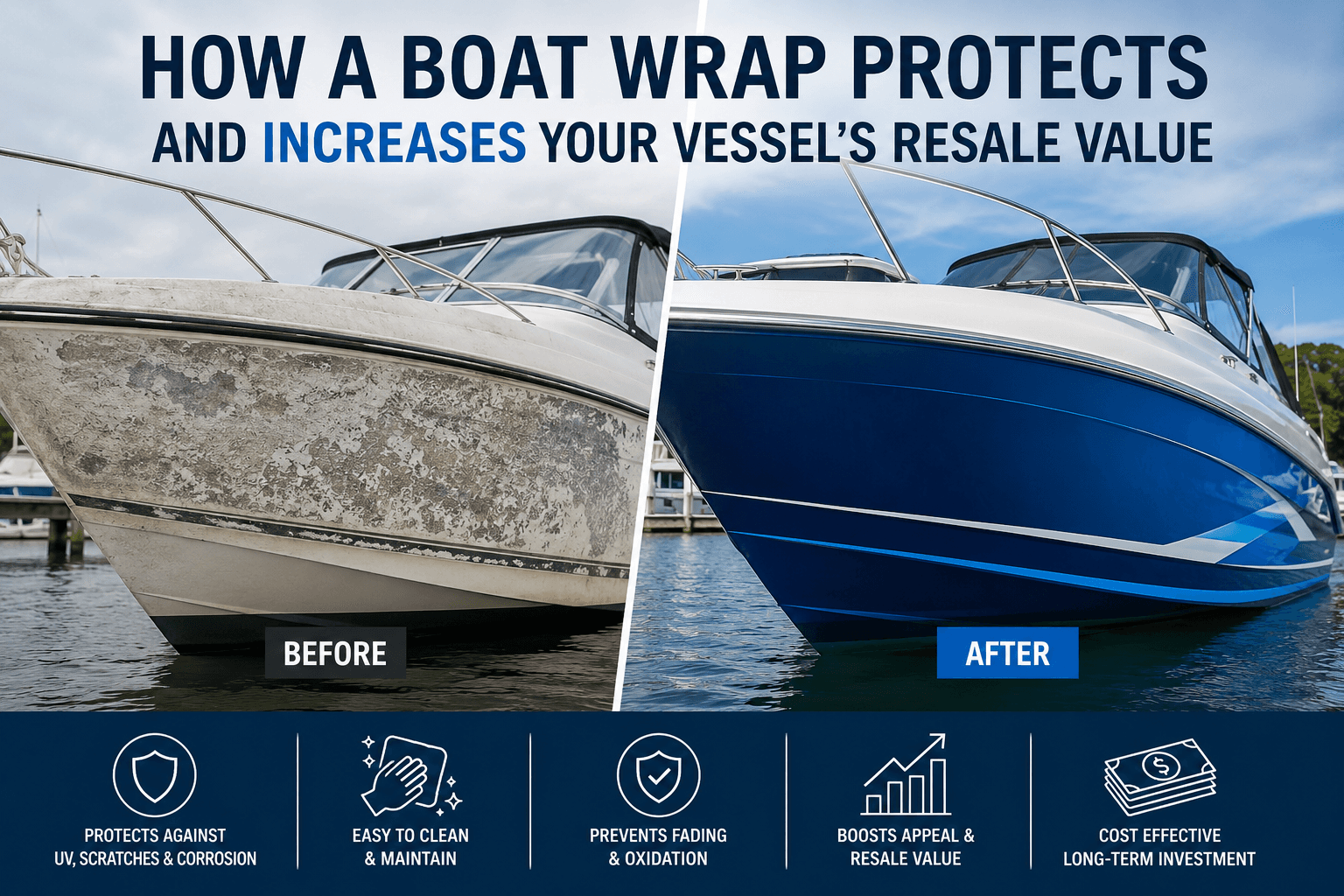
How a Boat Wrap Protects and Increases Your Vessel's Resale Value
How a Boat Wrap Can Protect and Increase Your Vessel's Resale Value
Boat Wraps Services
Top 10 FIFA World Cup Boat Wrap Ideas to Try This Season
If you already know you want your boat wrapped for World Cup season, the next question is which design actually fits your vessel.
Boat Wraps Services
Custom Boat Wraps for FIFA World Cup 2026
Get your boat ready for FIFA World Cup 2026 with a luxury custom wrap. Stand out on the water with premium marine graphics, gold finishes, and championship-inspired designs.
Boat Wraps Services
Luxury Yacht Wraps: The Complete Guide to Finishes, Styles, and Custom Marine Vinyl
Ocean Wraps works with luxury yacht and cruiser owners who want professional results, durable materials, and a finish that holds up on the water.
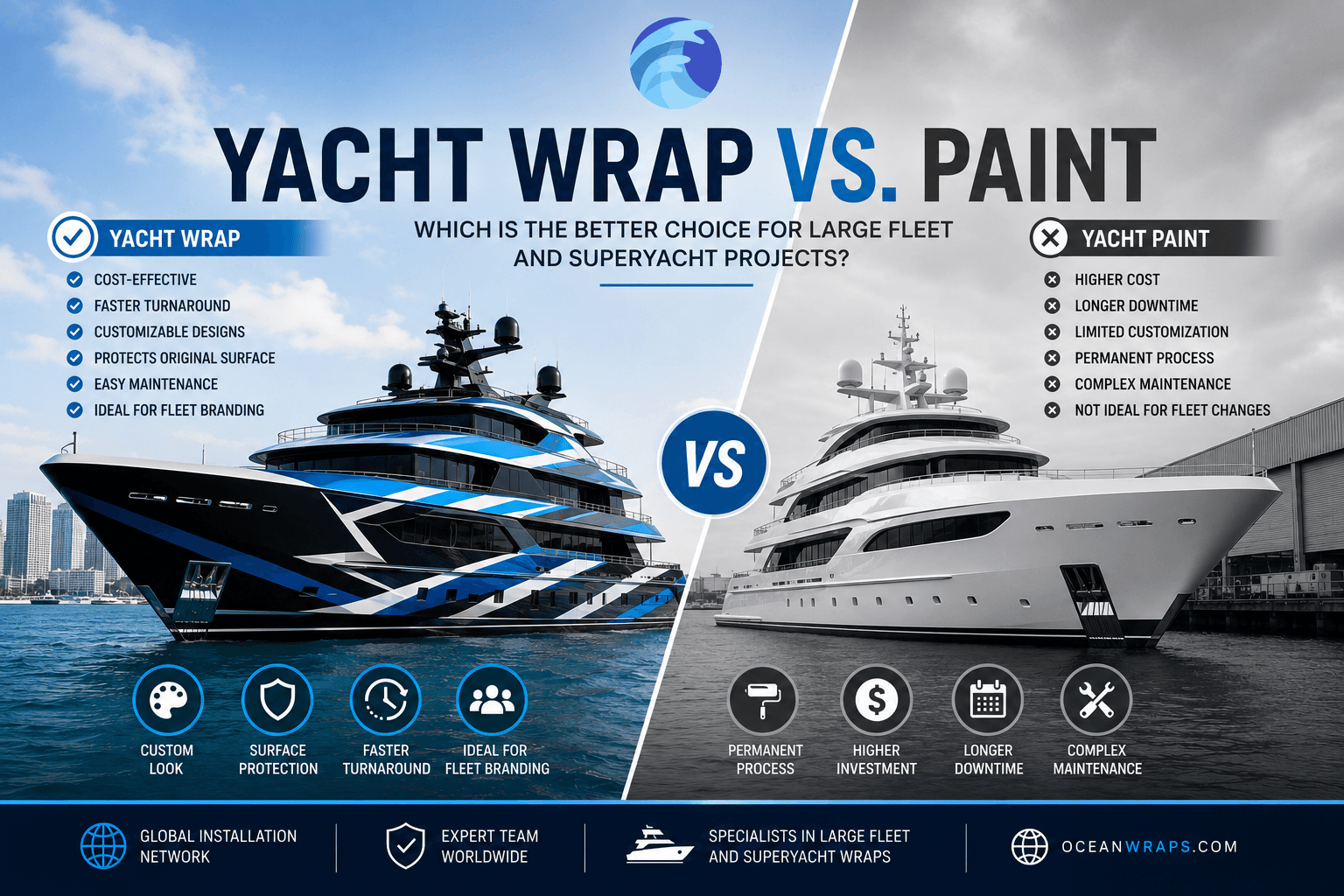
Yacht Wrap vs. Paint for Large Fleet & Superyacht Projects
Deciding between yacht wrap and paint for your fleet or superyacht? We break down real costs, downtime, durability, and which option actually makes sense at scale
How Much Does a Boat Wrap Cost? Complete Pricing Guide for 2026
Boat wrap prices vary widely depending on size, materials, and installer quality. Here's what a professional wrap actually costs in 2026 — and what to watch out for.
Luxury Yacht Wraps: The Complete Guide to Finishes, Styles, and Custom Marine Vinyl
Ocean Wraps works with luxury yacht and cruiser owners who want professional results, durable materials, and a finish that holds up on the water.
Boat Wraps Services
Why Florida Boat Owners Are Choosing Vinyl Boat Wraps in 2026
Discover why Florida boat owners are switching from paint to vinyl boat wraps. Learn the benefits, costs, protection, and customization options.
Guides
Boat Wraps vs Paint: 5 Reasons Why Wraps Win
Boat wraps cost less, install faster, and protect your gel coat better than traditional paint. Here's why so many boat owners are making the switch.
Guides
Yacht Wrap vs. Paint for Large Fleet & Superyacht Projects
Deciding between yacht wrap and paint for your fleet or superyacht? We break down real costs, downtime, durability, and which option actually makes sense at scale
Guides
How Much Does a Boat Wrap Cost? Complete Pricing Guide for 2026
Boat wrap prices vary widely depending on size, materials, and installer quality. Here's what a professional wrap actually costs in 2026 — and what to watch out for.