Hydrographic Camouflage Boat Wraps for Sportfishing Boats
Specialized hydrographic camouflage boat wraps for sportfishing vessels. Learn about the process, durable marine vinyl materials, and key considerations.
Last updated February 28, 2026
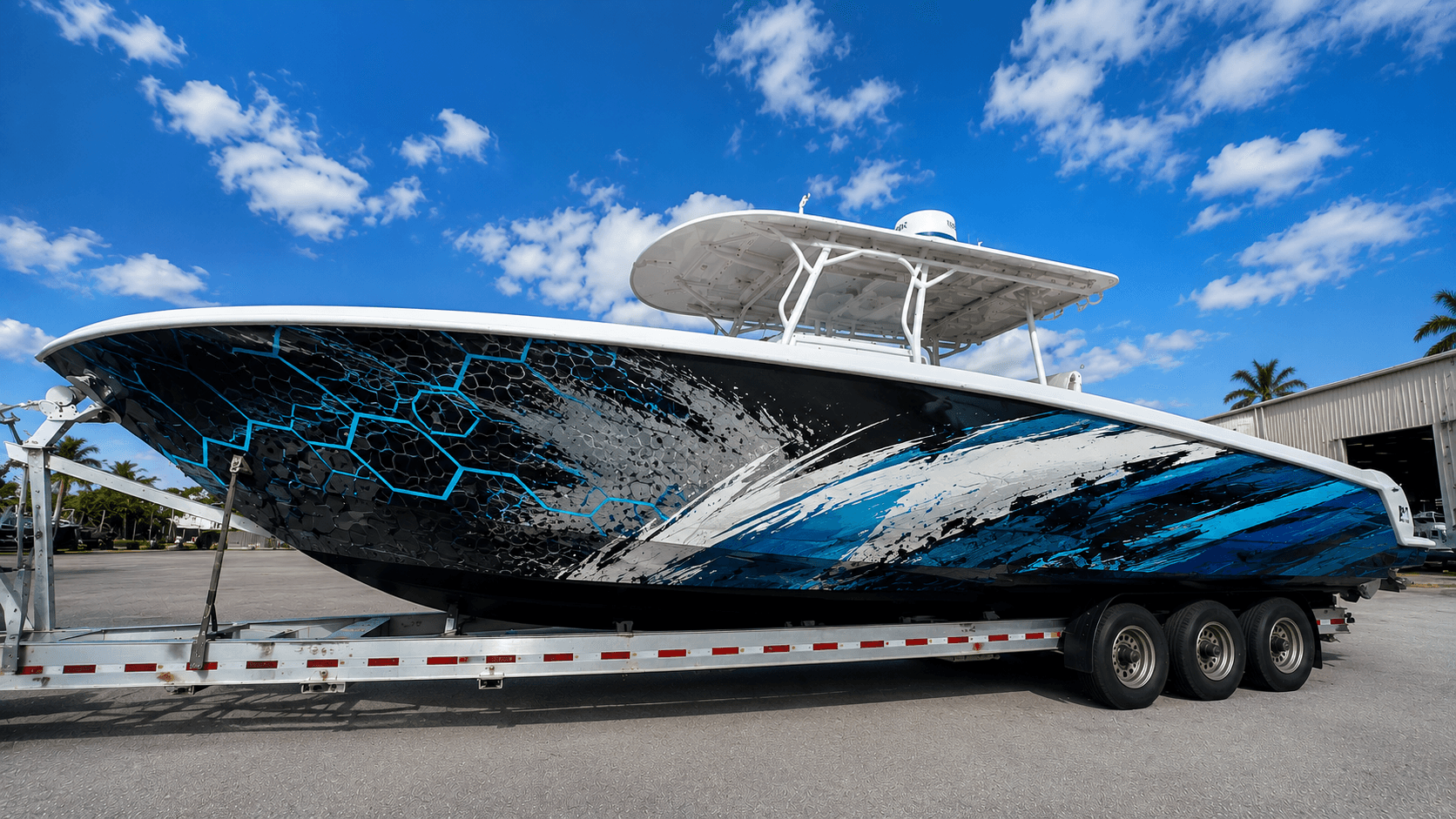
For the serious angler, a boat is more than transportation; it's a mobile hunting platform. Hydrographic camouflage wraps represent a specialized segment of the boat wraps market, designed specifically for sportfishing vessels. Unlike standard solid colors or logos, these wraps employ intricate, large-scale graphic patterns that mimic the light distortion, shadow, and color variation of water. The primary function is visual disruption, breaking up the distinct outline of the hull and topside to make the boat less conspicuous to fish. This application requires a unique approach to design, material selection, and installation to ensure performance and longevity in the marine environment.
Boat Wraps Overview: Hydrographic Camouflage Wraps for Sportfishing Boats#
The science behind hydrographic camouflage is based on light penetration and disruption. In many fishing scenarios, particularly in clear water, a solid-colored hull creates a stark, recognizable shadow or silhouette. A well-designed hydrographic wrap uses gradients, organic shapes, and color blends that mimic how light filters through water and reflects off the surface. This visual noise makes it harder for fish to perceive the boat as a single, large object. The design must be scaled appropriately for the vessel size and often extends from the bow to the transom, seamlessly integrating the hull and topside for a continuous effect.
Effective design accounts for functional elements. Hatches, cleats, rub rails, and transducer placements must be planned for in the graphic layout. A skilled installer at a shop like Ocean Wraps will template these features, ensuring the pattern flows around them without looking disjointed. The goal is a factory-finished appearance where the wrap looks painted on, not applied around obstacles.
Every successful wrap starts with immaculate surface prep. The existing gelcoat must be thoroughly cleaned, de-waxed, and inspected for any cracks, chips, or osmotic blisters. Any compromised substrate must be repaired, as the vinyl will not bridge flaws. The surface is then lightly sanded and wiped with a specialized alcohol-based solution to remove all contaminants and ensure maximum vinyl adhesion.
Using precise measurements or a digital template of the boat's hull, the hydrographic pattern is digitally engineered. This stage involves adjusting the pattern scale, flow, and color saturation to suit the specific curvature and sight lines of your sportfisher. Proofs are reviewed before the design is printed.
Installation is a multi-person task for large hulls. The printed vinyl panels are carefully aligned, applied using a wet-slide method for positioning, and then firmly squeegeed to remove all air and fluid. Strategic seam placement is planned for areas of least visibility and stress. Expert installers use heat to gently form the material over compound curves and hard edges, ensuring a conforming fit.
Once applied, edges are meticulously trimmed and sealed. A protective laminate is then applied over the entire graphic area. The wrap then requires a curing period, typically 24-48 hours, before the boat is returned to the water, allowing the adhesive to reach full bond strength.
The marine environment demands specific material properties. The base material is a flexible, pressure-sensitive adhesive vinyl engineered for marine use. Cast vinyl is the preferred grade for complex hull applications due to its superior conformability and long-term dimensional stability, which resists shrinkage. All marine vinyl must include high levels of UV resistance to prevent fading and degradation from constant sun exposure.
The printed graphics are almost always over-laminated with a clear, flexible protective film. This laminate is the first line of defense against abrasion from docks, fenders, and debris, and it contains additional UV inhibitors. It also provides a uniform gloss, satin, or matte finish, with matte finishes being popular for camouflage due to their non-reflective properties.
Surface Integrity: Old, chalky, or damaged gelcoat must be restored before wrapping. The wrap will not adhere to or mask underlying fiberglass problems.
Edge Sealing: All cut edges, especially near the waterline and on hardware penetrations, must be perfectly sealed to prevent water ingress under the vinyl.
Hull Curvature: The stern and bow sections often have the most aggressive compound curves, requiring the most skilled installation to avoid wrinkles or excessive stretching.
Marina Docking: Assess your typical docking situation. While durable, a wrap is not as abrasion-resistant as metal rub rails. Consistent contact with rough pilings may cause premature wear.
Maintenance Practices: Use non-abrasive cleaners and soft brushes. Avoid high-pressure washes directed at the wrap edges, and do not use waxes or compounds designed for gelcoat on a matte laminate finish.
With professional installation and proper marine-grade materials, a hull wrap can last 5 to 7 years. Lifespan is directly influenced by sun exposure, maintenance, and wear from docking. The topside graphics, receiving less abrasion, often last longer.
Can a wrap be applied over existing graphics or non-skid?#
Vinyl can be applied over existing smooth, well-adhered graphics after proper prep. It cannot be applied over textured non-skid surfaces, as the material cannot conform to the texture and will not adhere properly. Non-skid areas must be masked out in the design.
Properly installed and later removed by a professional, a vinyl wrap will not damage sound gelcoat. In fact, it protects the underlying surface from UV rays and minor scratches. The removal process uses heat and gentle adhesive release agents.
Lead time varies by boat size and shop schedule. For a full hydrographic camouflage on a mid-size sportfisher, expect a minimum of 2-3 weeks from design approval to completion. This includes template/design time, material printing, and the multi-day installation and curing process.
New Boat Prices Are Skyrocketing — Here's the Smarter Move Boat Owners Are Making
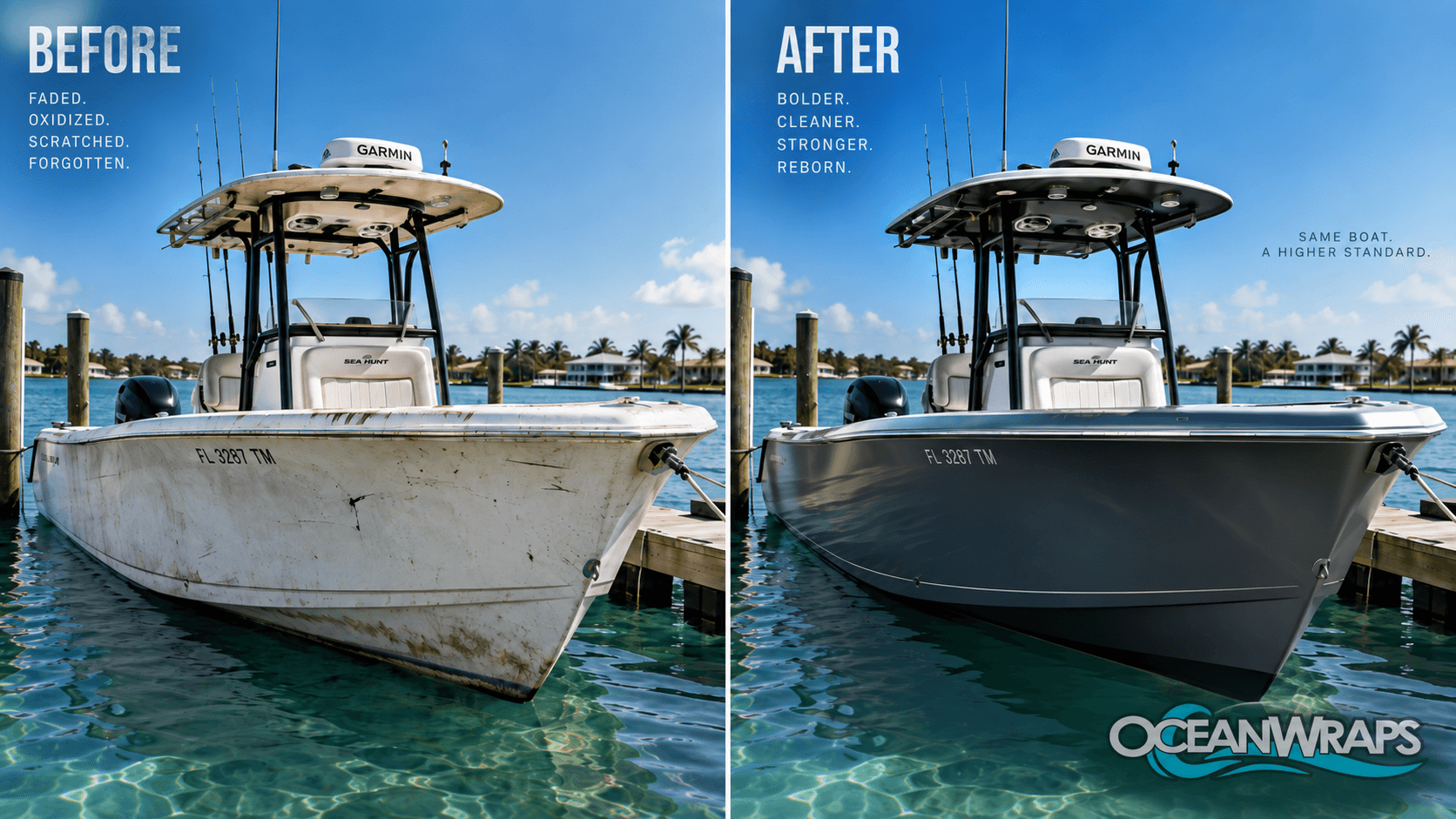
New boat prices are at record highs. Here's why more owners are choosing marine vinyl wraps to refresh their boat's look and protect the hull, without the cost of buying new
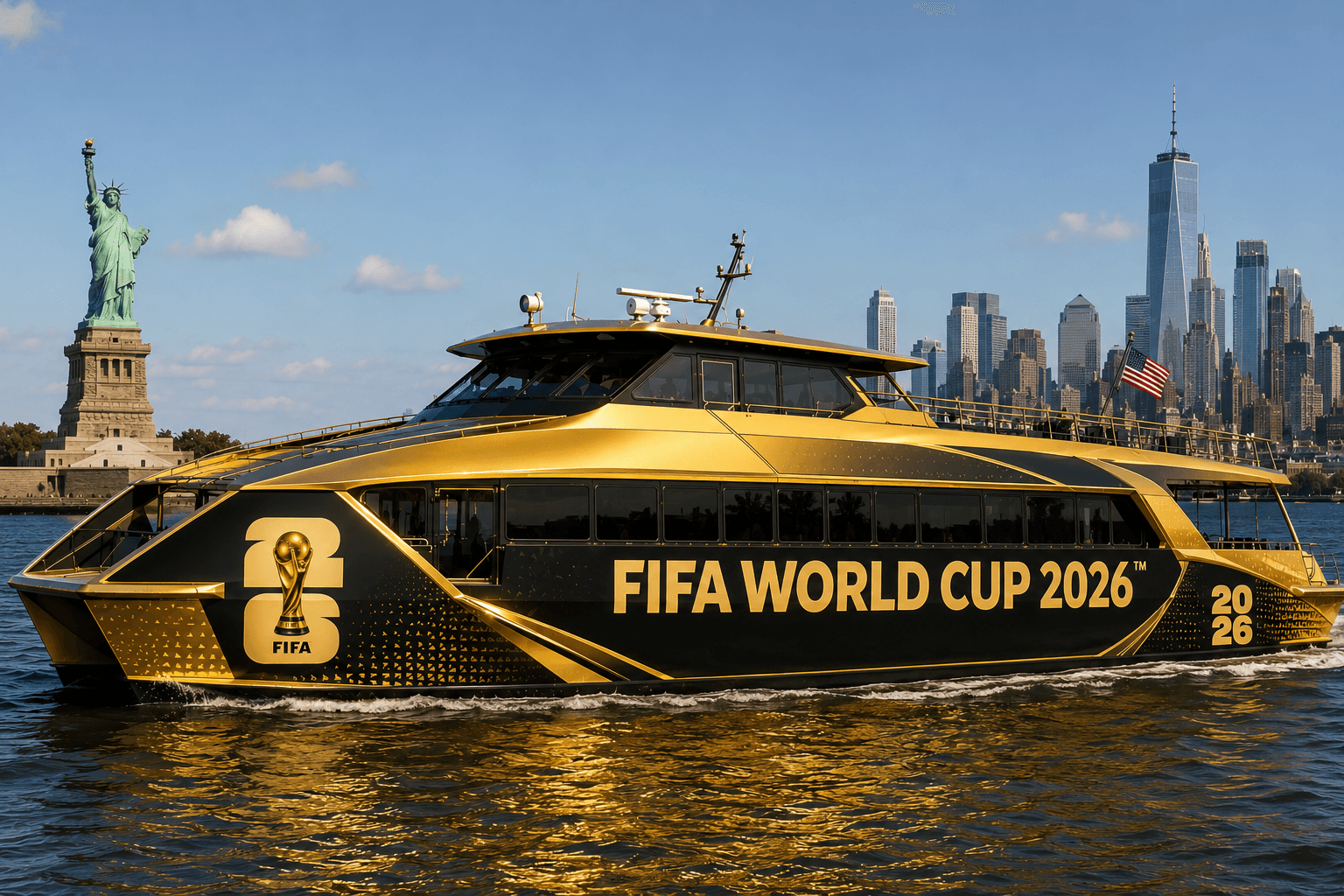
Get your boat ready for FIFA World Cup 2026 with a luxury custom wrap. Stand out on the water with premium marine graphics, gold finishes, and championship-inspired designs.
New Boat Prices Are Skyrocketing — Here's the Smarter Move Boat Owners Are Making
New boat prices are at record highs. Here's why more owners are choosing marine vinyl wraps to refresh their boat's look and protect the hull, without the cost of buying new
Boat Wraps Services
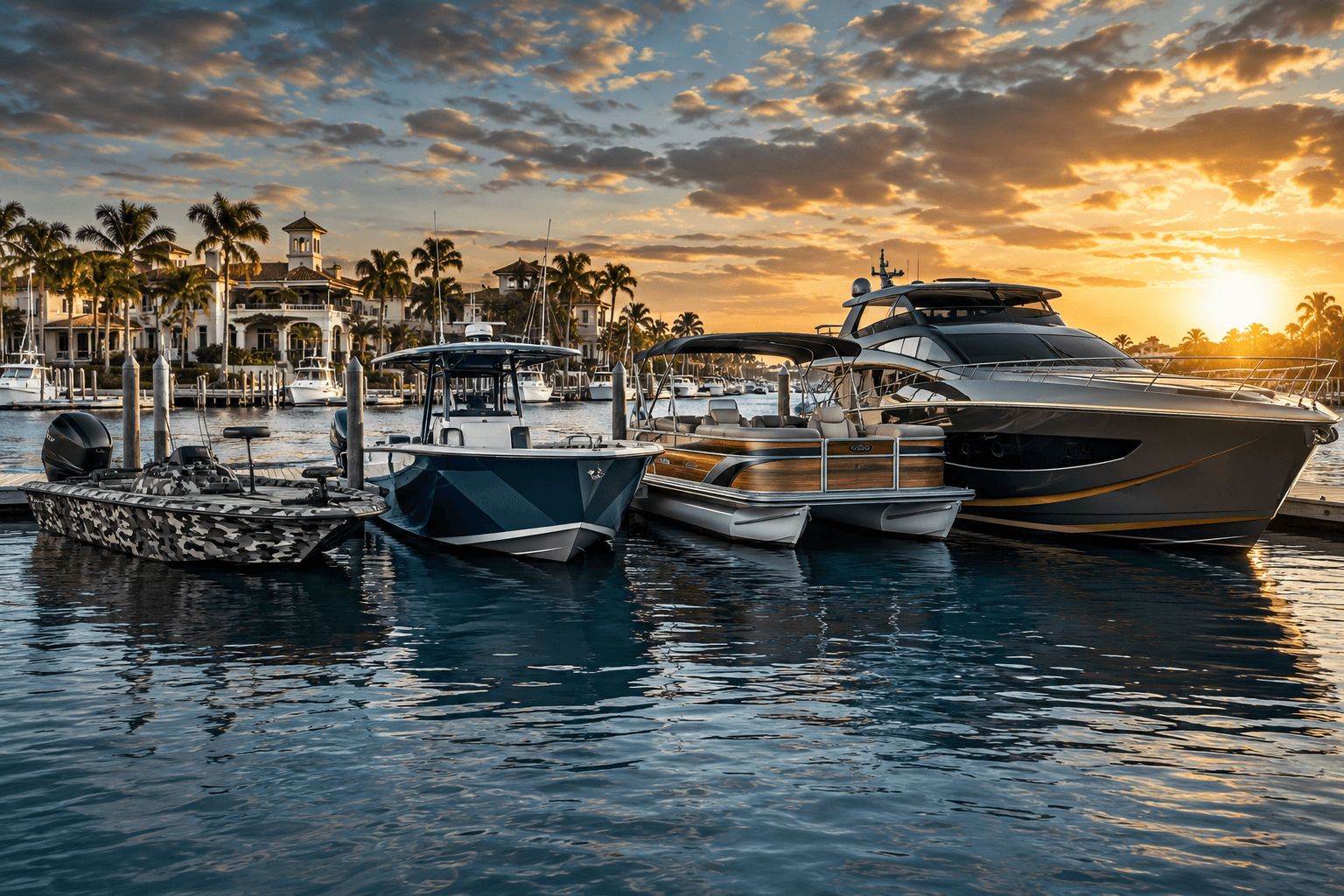
Boat Wrap Designs by Boat Type: What Actually Works on Your Vessel
A wrap that's perfect for a sportfishing boat chasing marlin offshore would look completely out of place on a family pontoon.
Boat Wraps Services
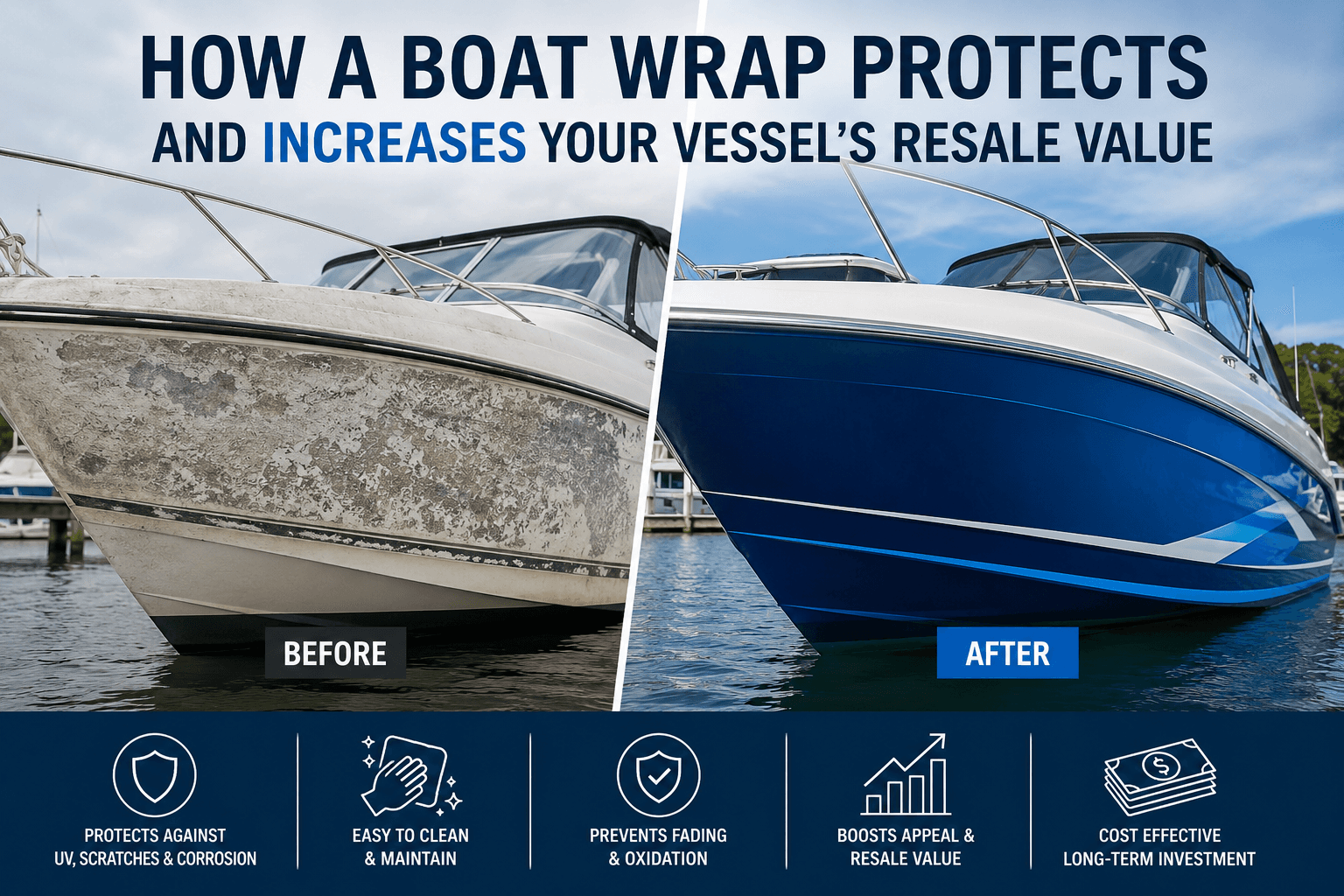
How a Boat Wrap Protects and Increases Your Vessel's Resale Value
How a Boat Wrap Can Protect and Increase Your Vessel's Resale Value
Boat Wraps Services
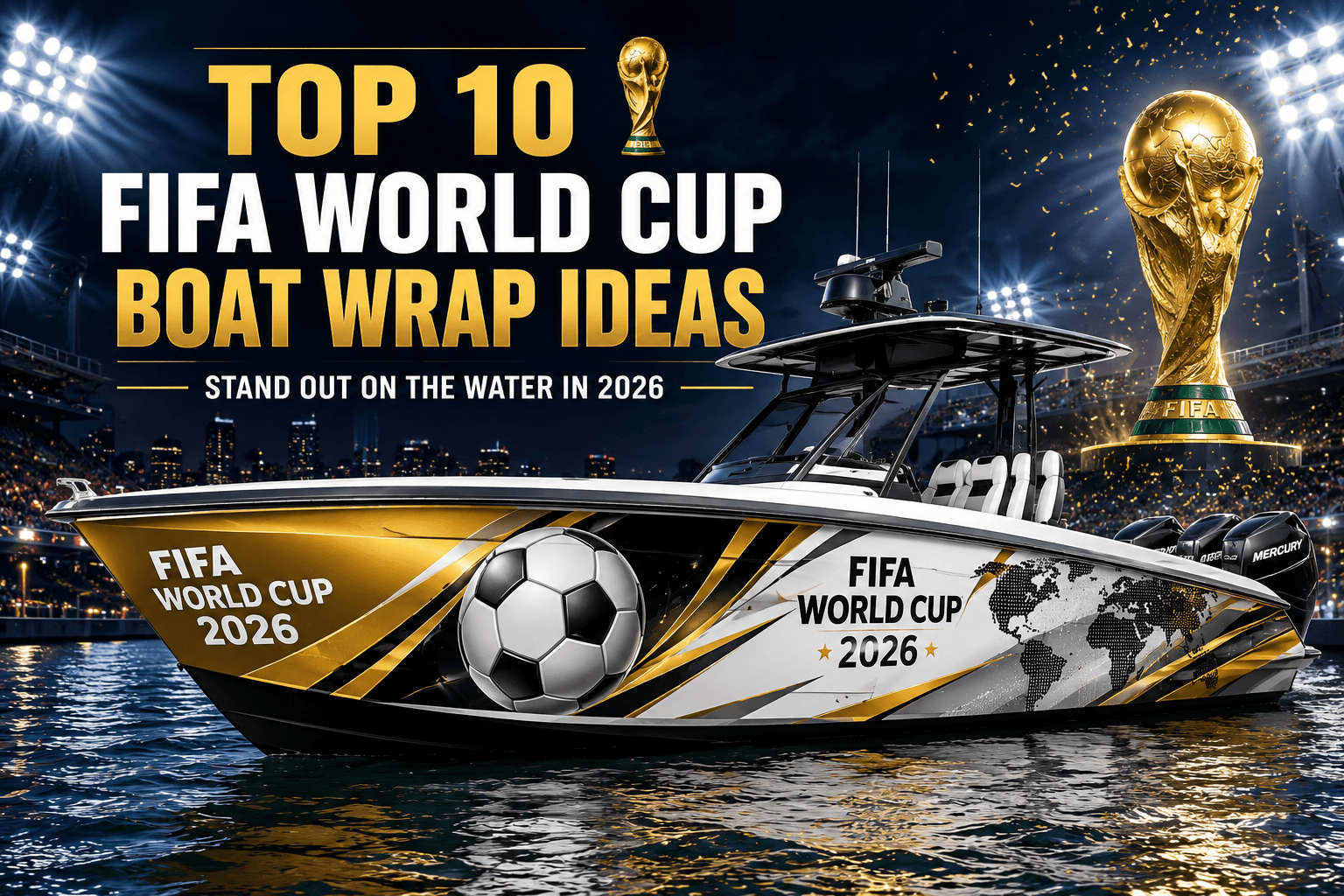
Top 10 FIFA World Cup Boat Wrap Ideas to Try This Season
If you already know you want your boat wrapped for World Cup season, the next question is which design actually fits your vessel.
Boat Wraps Services
Custom Boat Wraps for FIFA World Cup 2026
Get your boat ready for FIFA World Cup 2026 with a luxury custom wrap. Stand out on the water with premium marine graphics, gold finishes, and championship-inspired designs.
Boat Wraps Services
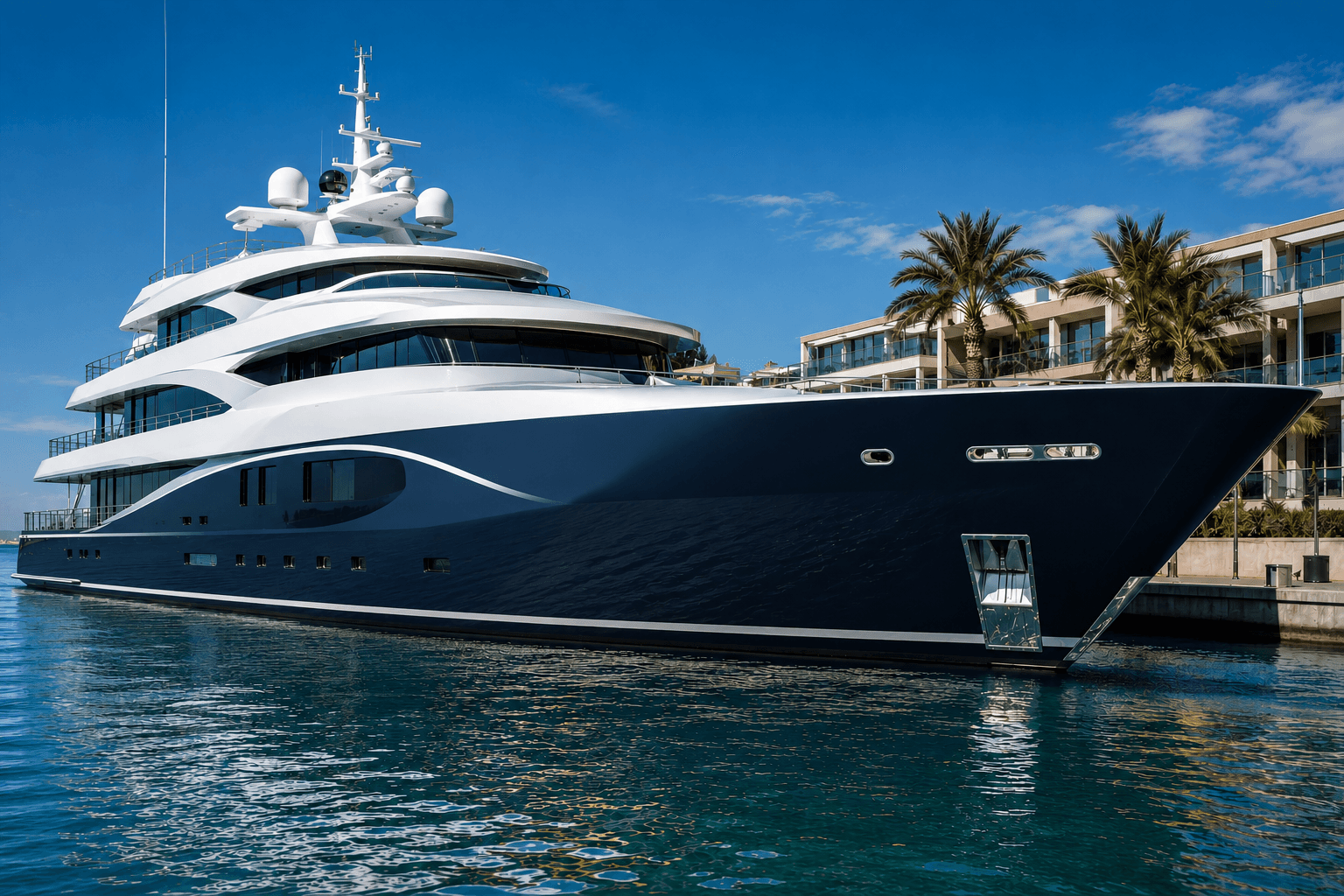
Luxury Yacht Wraps: The Complete Guide to Finishes, Styles, and Custom Marine Vinyl
Ocean Wraps works with luxury yacht and cruiser owners who want professional results, durable materials, and a finish that holds up on the water.
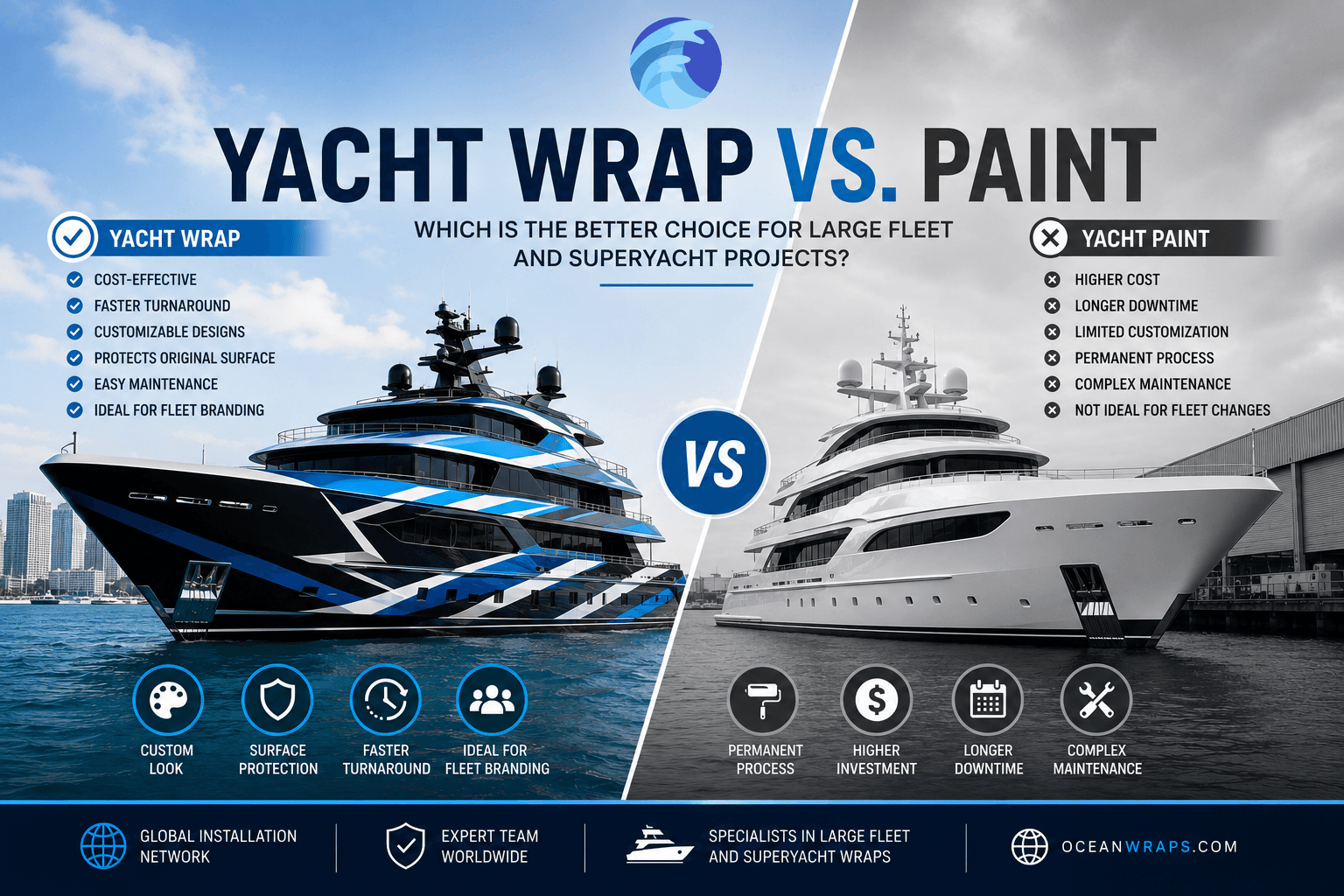
Yacht Wrap vs. Paint for Large Fleet & Superyacht Projects
Deciding between yacht wrap and paint for your fleet or superyacht? We break down real costs, downtime, durability, and which option actually makes sense at scale
How Much Does a Boat Wrap Cost? Complete Pricing Guide for 2026
Boat wrap prices vary widely depending on size, materials, and installer quality. Here's what a professional wrap actually costs in 2026 — and what to watch out for.
Luxury Yacht Wraps: The Complete Guide to Finishes, Styles, and Custom Marine Vinyl
Ocean Wraps works with luxury yacht and cruiser owners who want professional results, durable materials, and a finish that holds up on the water.
Boat Wraps Services
Why Florida Boat Owners Are Choosing Vinyl Boat Wraps in 2026
Discover why Florida boat owners are switching from paint to vinyl boat wraps. Learn the benefits, costs, protection, and customization options.
Guides
Boat Wraps vs Paint: 5 Reasons Why Wraps Win
Boat wraps cost less, install faster, and protect your gel coat better than traditional paint. Here's why so many boat owners are making the switch.
Guides
Yacht Wrap vs. Paint for Large Fleet & Superyacht Projects
Deciding between yacht wrap and paint for your fleet or superyacht? We break down real costs, downtime, durability, and which option actually makes sense at scale
Guides
How Much Does a Boat Wrap Cost? Complete Pricing Guide for 2026
Boat wrap prices vary widely depending on size, materials, and installer quality. Here's what a professional wrap actually costs in 2026 — and what to watch out for.