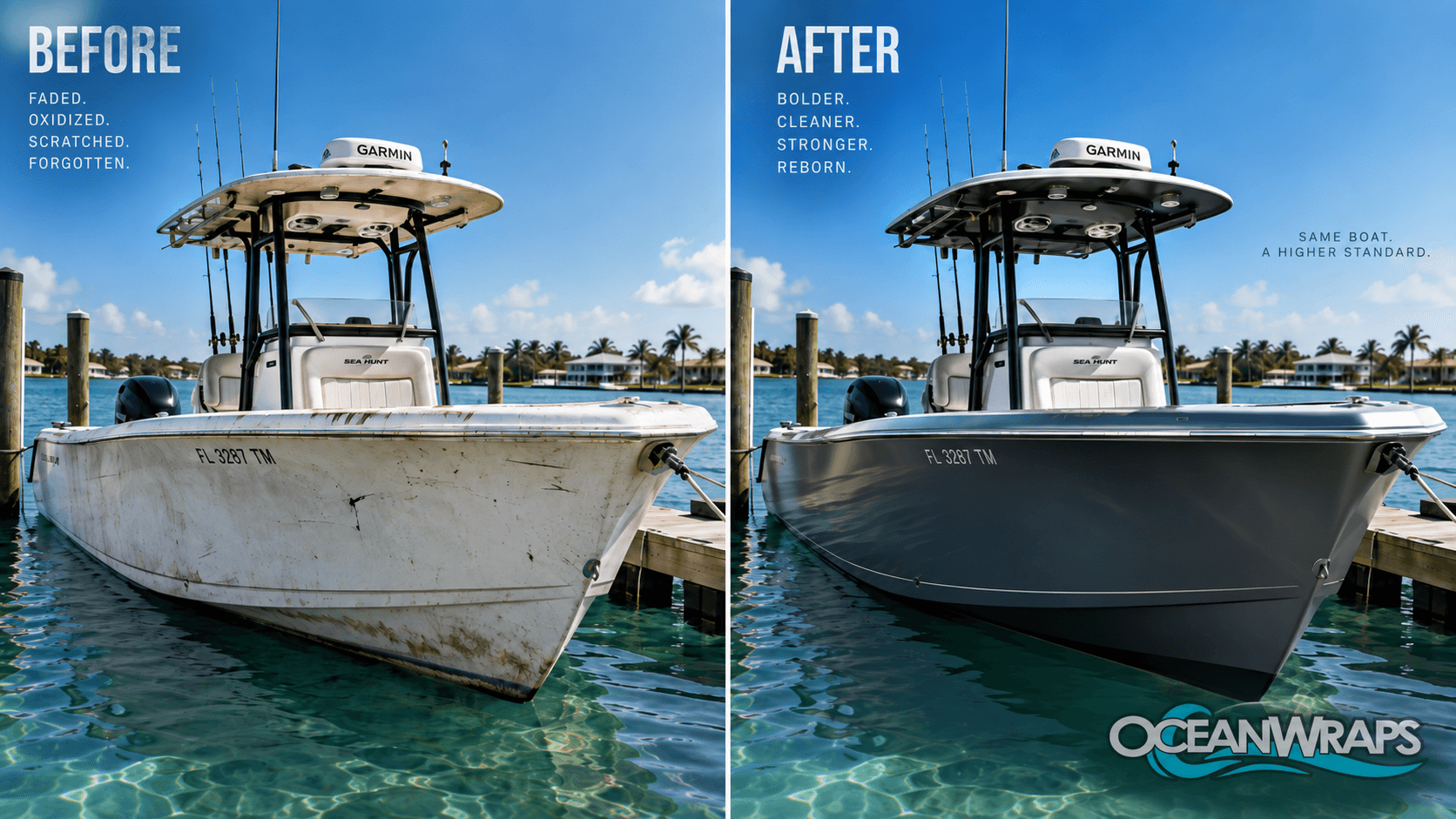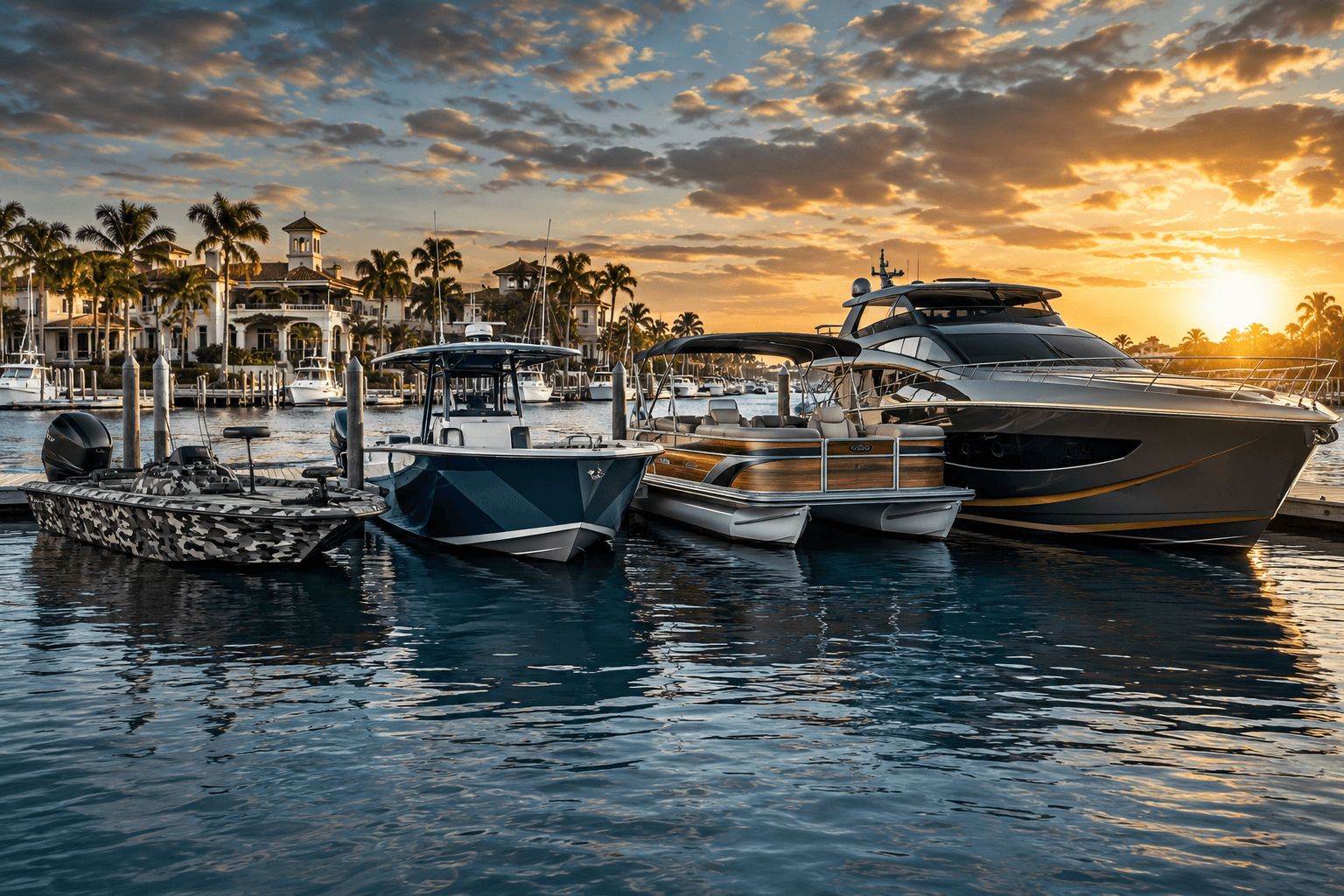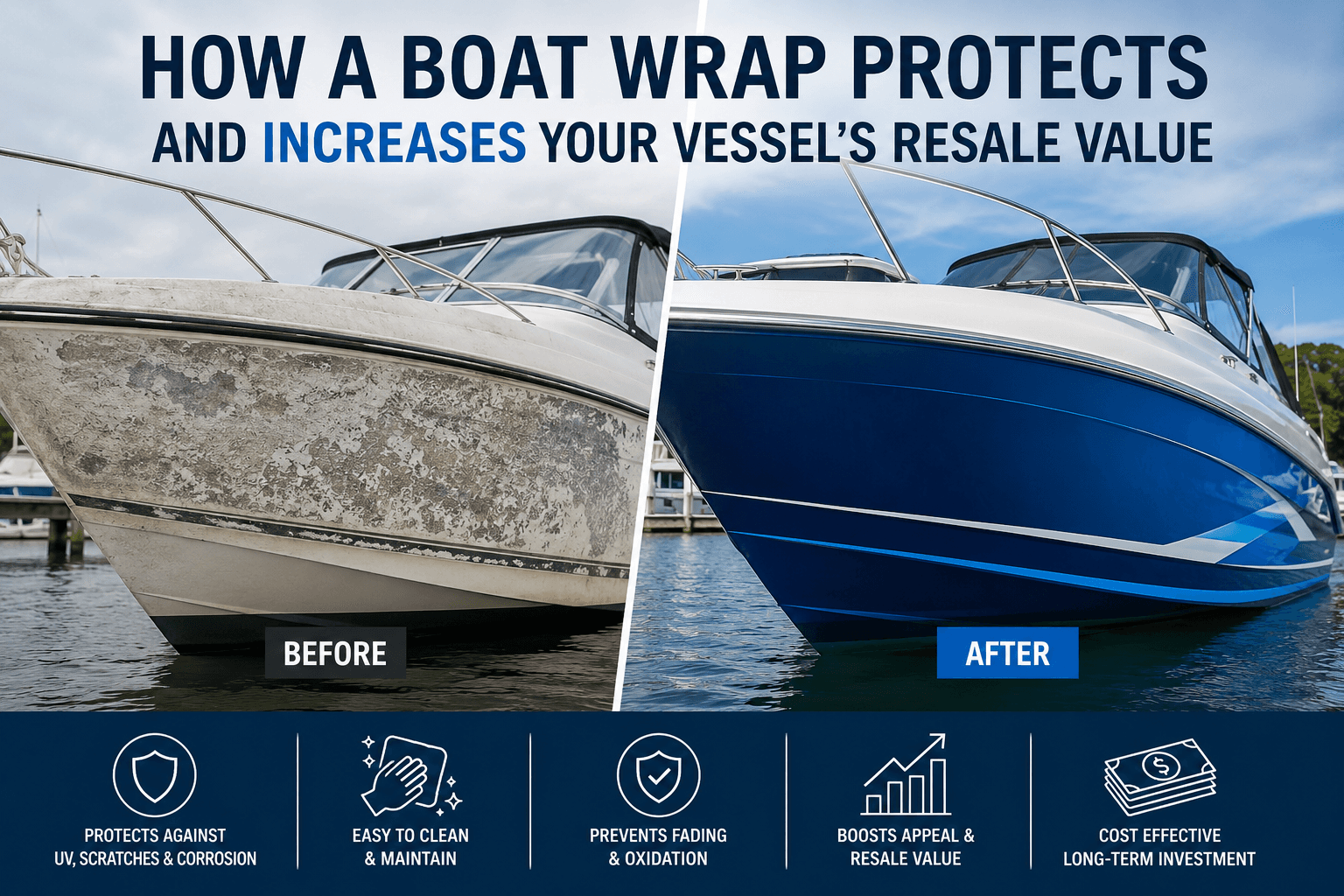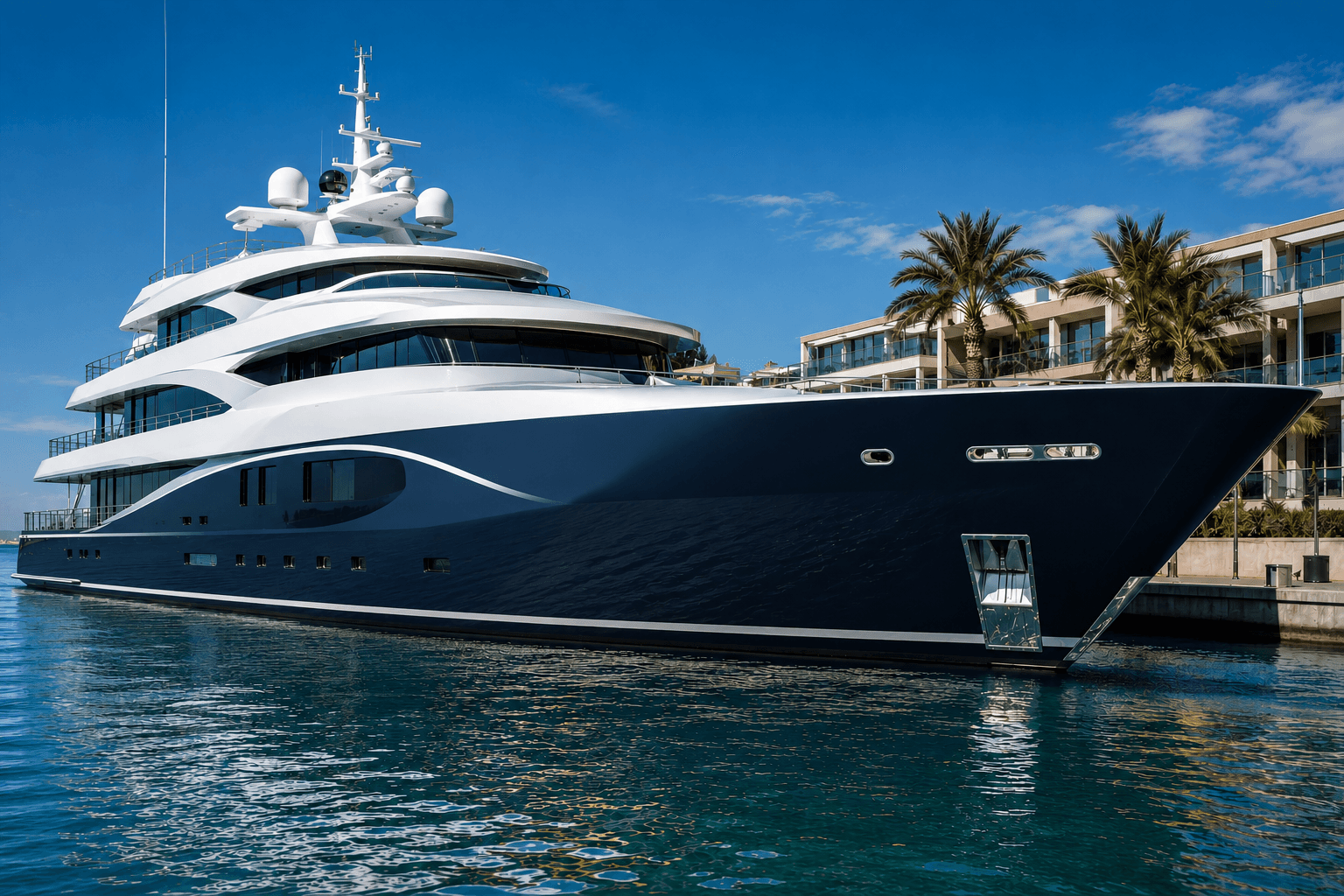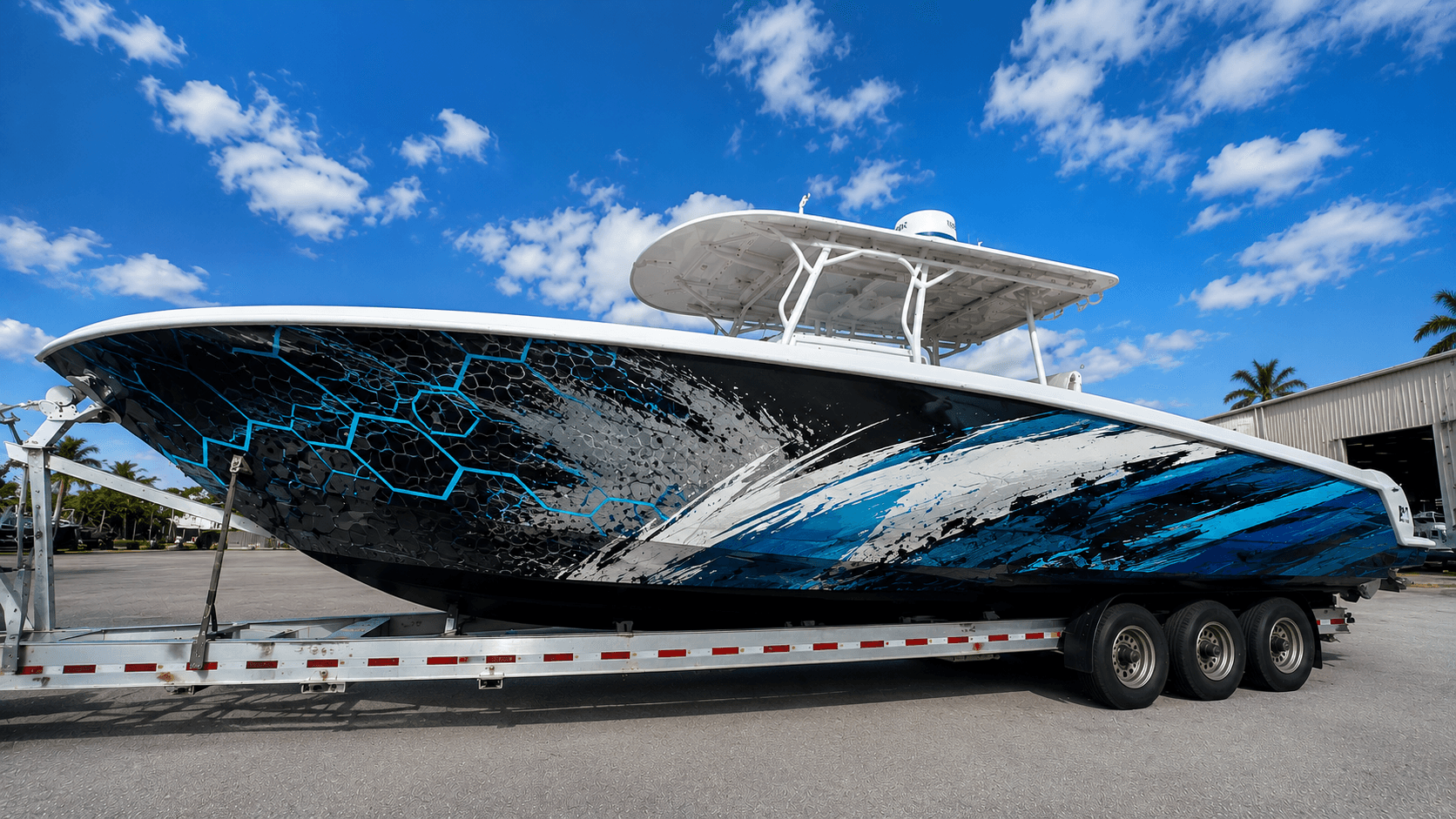

For the tactical angler, a boat's appearance serves a functional purpose. Hydrographic camouflage boat wraps are engineered graphic applications that use disruptive patterns on a vessel's hull and topsides. Unlike standard graphics, these wraps employ specific color breaks and organic shapes to visually fracture the boat's outline against the water. This page details the technical execution of these specialized marine vinyl applications, from material selection to installation.
Boat Wraps Overview: Hydrographic Camouflage Wraps for Sportfishing Boats#
Key Takeaways#
- Hydrographic patterns are designed to disrupt the visual silhouette, differing fundamentally from standard graphic or solid-color boat wraps.
- Professional installation is non-negotiable, requiring meticulous surface prep, strategic seam placement, and thorough edge sealing for marine durability.
- Marine-grade cast vinyl with a UV-resistant laminate is the industry standard, offering long-term performance without harming the underlying gelcoat.

- The design must integrate with the boat's specific anatomy, accounting for hull curvature, chines, and superstructure lines.
- Practical factors like substrate condition, marina rules on reflectivity, and proper washing protocols directly impact the wrap's longevity and function.
- These wraps are a semi-permanent solution, with a typical service life influenced by material quality, installation, and environmental exposure.
Process Overview#
- Preparation: The gelcoat is thoroughly cleaned, de-waxed, and inspected. Hardware removal is ideal. The substrate must be clean, dry, and sound for proper vinyl adhesion.
- Design: A digital template is created from boat measurements. The hydrographic pattern is mapped panel-by-panel, with strategic seam placement along strakes or trim lines.
- Installation: This is a skilled, multi-person task. Large printed panels are aligned, applied with tension and heat, and squeegeed to remove air and application fluid.
- Finish: All edges and cut lines are meticulously sealed with laminate or sealant to prevent water intrusion. A final quality inspection is conducted before hardware reinstallation.
Materials & Finish Options#
The marine environment dictates specific material properties. The primary substrate is a marine-grade cast vinyl, chosen for its superior conformability and long-term dimensional stability on complex curves. The graphic is printed onto a printable cast vinyl film. For durability, a clear protective laminate is then applied over the print. This laminate provides essential UV resistance to prevent fading and acts as a physical barrier against abrasion, fuel, and salt. Finish options typically range from gloss to matte, with matte often specified for camouflage applications to minimize reflectivity.
FAQ#
Will a vinyl wrap damage my boat's gelcoat?#
No, when high-quality marine vinyl is professionally installed and removed, it will not damage sound gelcoat. The adhesive is formulated to be removable. The wrap can actually protect the underlying gelcoat from UV degradation and minor abrasion.
How long does a hydrographic boat wrap last?#
Service life depends on material quality, installation expertise, and environmental exposure. A professionally installed wrap using marine-grade cast vinyl and laminate typically lasts 5 to 7 years. Harsh conditions or improper maintenance can reduce this timeframe.
Can a wrap be applied over existing graphics or non-skid?#
Vinyl must be applied over a smooth, solid, and stable surface. It cannot properly conform to textured non-skid. Existing graphics or paint must be removed if they are peeling or failing, as the wrap will replicate that unstable surface, leading to potential failure.
What is the lead time for a full boat wrap project?#
Lead time varies by project complexity and shop schedule. It generally involves a consultation, precise measurement, a design approval period, material procurement, and a multi-day installation block. Planning several weeks to a few months in advance is standard for a comprehensive project.