Hydrographic Camouflage Wraps for Sportfishing Boats | Boat Wraps
Advanced hydrographic camouflage boat wraps for sportfishing vessels. Learn about the process, durable marine materials, and key considerations for hull and top
Last updated February 27, 2026
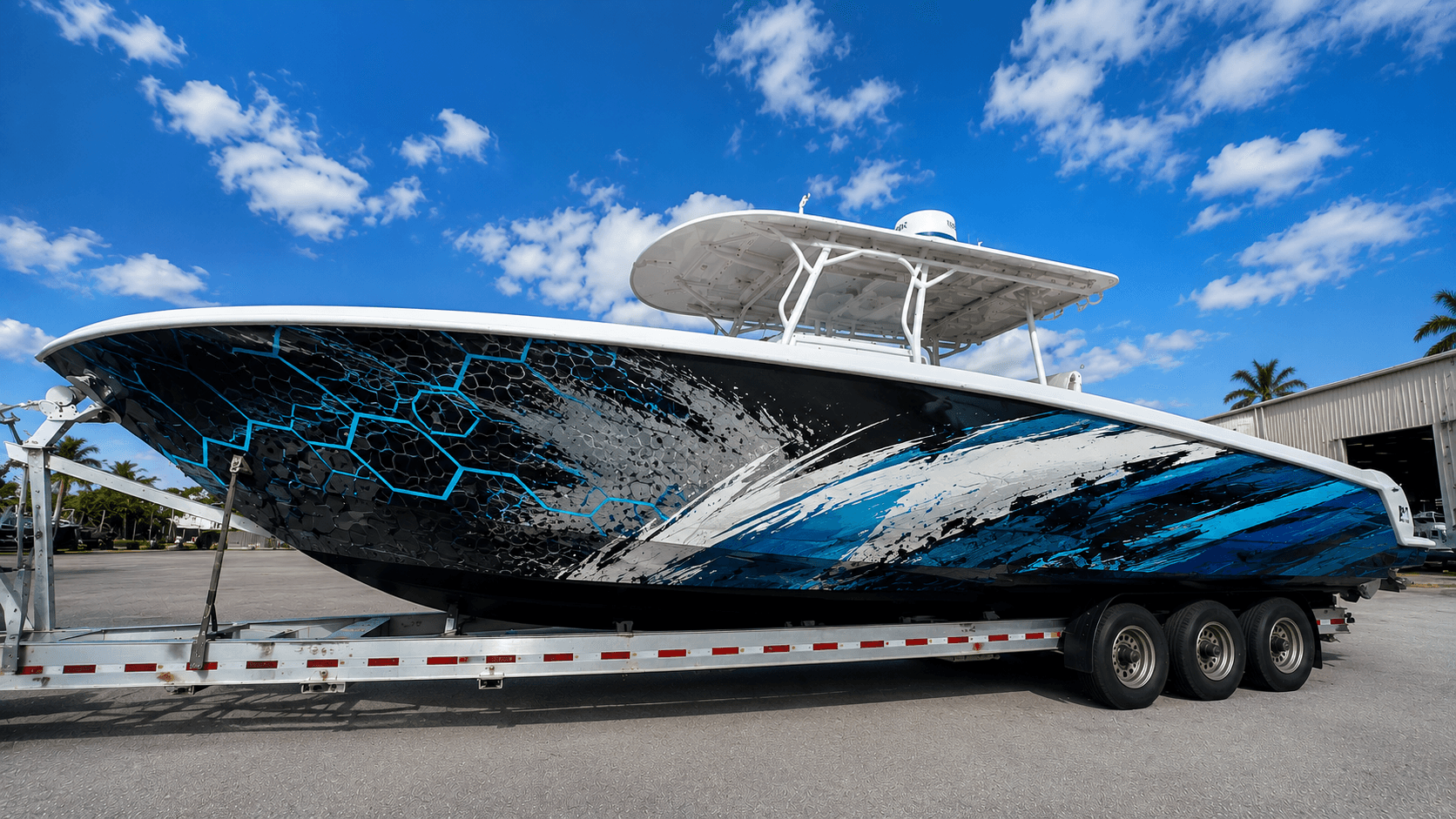
For the serious sportfishing captain, visibility is a two-way street. While you are scanning for signs of life, your boat's profile can telegraph its presence to fish below. Hydrographic camouflage wraps offer a sophisticated solution, merging advanced graphic design with durable marine-grade materials. Unlike generic boat wraps, these systems are engineered for the specific demands of the sportfishing environment, providing full-coverage graphics that protect your vessel's gelcoat while creating a functional, low-visibility profile on the water.
Boat Wraps Overview: Hydrographic Camouflage Wraps for Sportfishing Boats#
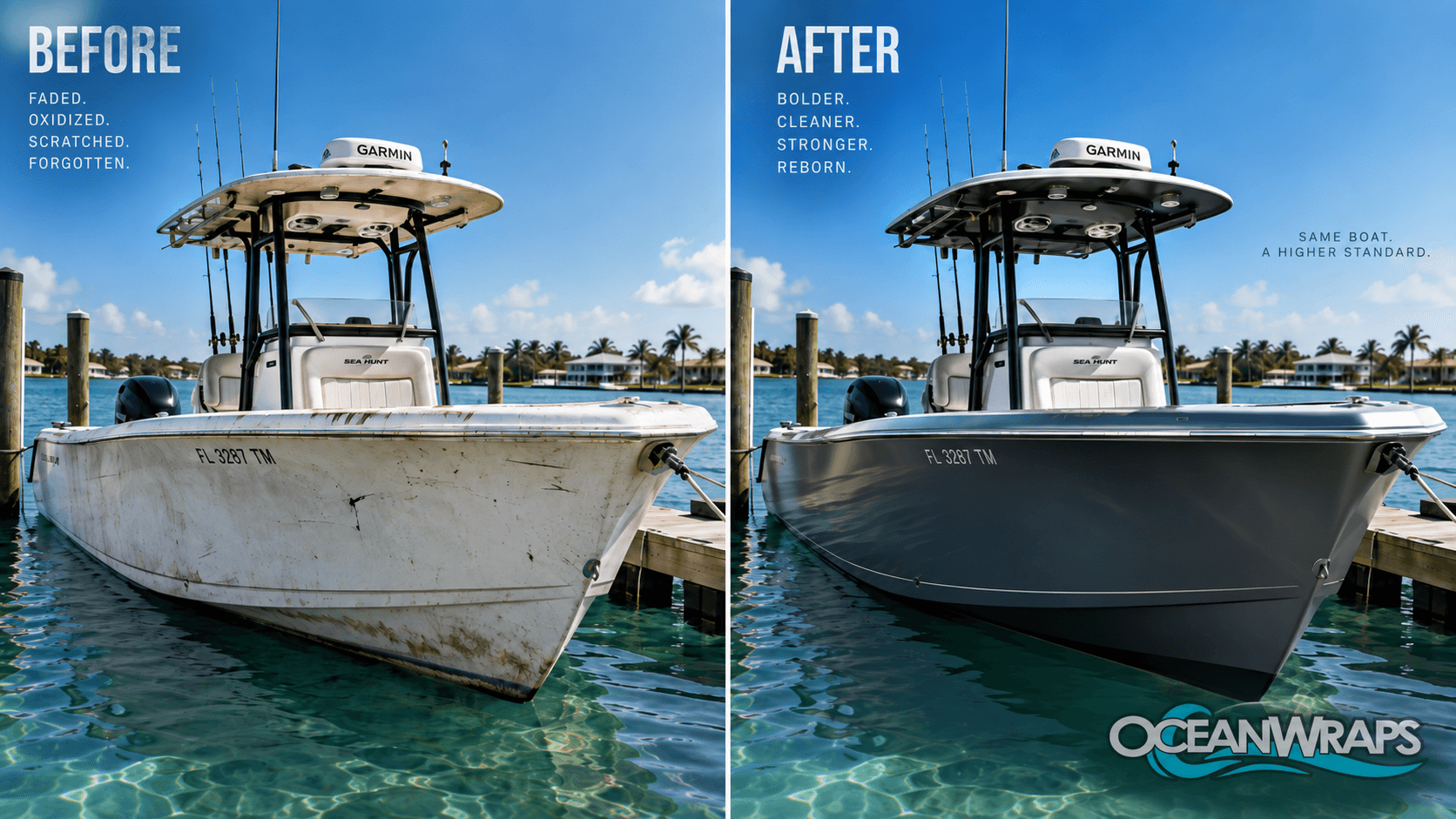
Hydrographic wraps provide full hull and topside coverage, acting as a sacrificial layer that shields factory gelcoat from UV rays, abrasion, and minor impacts.
The design process uses digital rendering to preview complex, flowing patterns like baitfish schools, reef textures, or open-water gradients on your specific hull curvature.
Installation is a multi-day technical process requiring meticulous surface prep, precise panel alignment, and professional edge sealing for long-term durability.
High-performance marine vinyl with UV-resistant laminates is standard, ensuring graphics withstand constant sun exposure and saltwater immersion without fading or peeling.
Practical success depends on considering marina rules for on-site work, proper winter storage practices, and using non-abrasive cleaning methods to preserve the wrap's finish.
Moving beyond solid colors or simple logos, hydrographic camouflage utilizes patterns that break up the boat's hard outline. These graphics are not just aesthetic; they are based on principles of light penetration and disruption. A well-designed pattern can make a boat less distinct against the water's surface or reef backdrop, potentially allowing closer approaches to skittish fish. The wrap becomes a functional tool in your angling arsenal, while also delivering a custom, professional appearance that stands out at the marina.
A flat graphic does not work on a complex, curved surface. Effective hydrographic designs are digitally mapped to your boat's unique dimensions. This ensures patterns flow correctly over the chine, transom, and bow, maintaining visual continuity and avoiding a distorted, tacked-on look. Specialists at Ocean Wraps use 3D modeling software to preview the final result, allowing for adjustments before any material is cut.
Long-term adhesion depends entirely on this critical first step. The hull and topside surfaces must be impeccably clean, dewaxed, and free of oxidation. Existing damage is addressed, and the gelcoat is lightly sanded to create a perfect bonding surface. This stage often takes as long as the installation itself.
Using precise measurements or a digital scan of your boat, installers create a template. Your chosen hydrographic pattern is then adjusted within this template, accounting for seams, hardware, and curvature. This digital blueprint guides the cutting of the vinyl material.
Large panels of printed vinyl are carefully aligned on the hull. Installers use heat, tension, and specialized tools to conform the material perfectly to complex curves, working out all air and water pockets. Seams are strategically placed in less visible areas and are meticulously sealed.
Once applied, the entire wrap is inspected under bright light. Edges are post-heated to activate adhesive, and a protective laminate is often applied over the printed graphics. The wrap then needs a curing period, typically 24-48 hours, before the boat is returned to the water.
The durability of a boat wrap is dictated by its material composition. Marine vinyl is the essential substrate, designed for flexibility and adhesion in a wet environment. Cast vinyl is the premium grade, offering superior conformability to compound curves and deep recesses compared to calender vinyl. For hydrographic wraps where graphics are digitally printed, a protective laminate is almost always applied. This clear, glossy or matte layer shields the printed ink from UV fading, saltwater, and physical abrasion, directly extending the service life of the graphics.
Marina Rules: Confirm if your marina allows on-dock installation, which requires containment of all waste materials and solvents.
Edge Sealing: All cut edges, especially around thru-hulls and trim tabs, must be perfectly sealed to prevent water intrusion and lifting.
Storage Impact: While UV resistant, prolonged direct sun exposure on dry storage can accelerate wear. Consider a breathable boat cover.
Cleaning Protocol: Use only mild, non-abrasive soaps and soft brushes. Avoid high-pressure nozzles directed at seams and edges, and never use harsh solvents or rubbing compounds.
Gelcoat Condition: Wraps are not a fix for failing gelcoat. Blisters, cracks, or severe oxidation must be repaired before wrapping, as they will telegraph through and compromise adhesion.
How long does a hydrographic boat wrap typically last?#
With professional installation and proper care, a marine-grade wrap can last 5 to 7 years. Actual lifespan depends on environmental factors like sun exposure, usage frequency, and maintenance practices. The protective laminate is key to achieving this longevity.
Can a wrap be applied over existing hull graphics or non-skid?#
Vinyl can be applied over existing smooth graphics if they are well-adhered. However, it cannot conform to textured non-skid surfaces. For wrapped areas, a marine-grade anti-slip tape is applied over the vinyl for safety, creating a integrated but textured finish.
Is the vinyl removable, and will it damage my gelcoat?#
Yes, high-quality marine vinyl is designed to be removable. When removed by a professional using the correct technique, it should not damage the underlying gelcoat, provided the gelcoat was in sound condition prior to installation. The gelcoat will be exposed and may require polishing to match the previously protected areas.
What is the maintenance routine for a wrapped boat?#
Maintenance is straightforward. Rinse with fresh water after use, especially after saltwater exposure. Wash regularly with a soft brush and mild automotive or boat soap. Apply a vinyl-specific protectant or wax recommended by your installer periodically to maintain the laminate's gloss and protective properties.
New Boat Prices Are Skyrocketing — Here's the Smarter Move Boat Owners Are Making
New boat prices are at record highs. Here's why more owners are choosing marine vinyl wraps to refresh their boat's look and protect the hull, without the cost of buying new
Get your boat ready for FIFA World Cup 2026 with a luxury custom wrap. Stand out on the water with premium marine graphics, gold finishes, and championship-inspired designs.
New Boat Prices Are Skyrocketing — Here's the Smarter Move Boat Owners Are Making
New boat prices are at record highs. Here's why more owners are choosing marine vinyl wraps to refresh their boat's look and protect the hull, without the cost of buying new
Boat Wraps Services
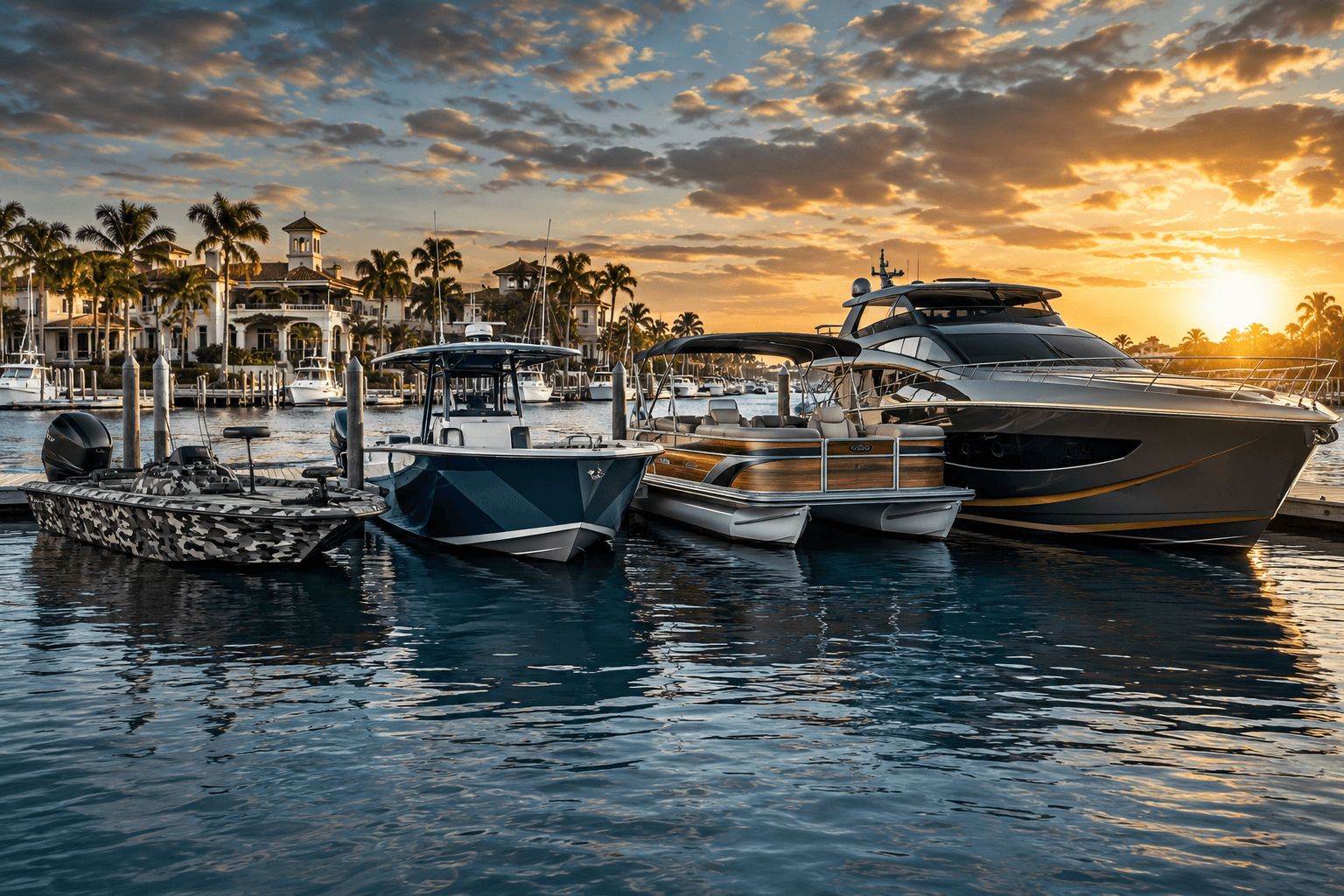
Boat Wrap Designs by Boat Type: What Actually Works on Your Vessel
A wrap that's perfect for a sportfishing boat chasing marlin offshore would look completely out of place on a family pontoon.
Boat Wraps Services
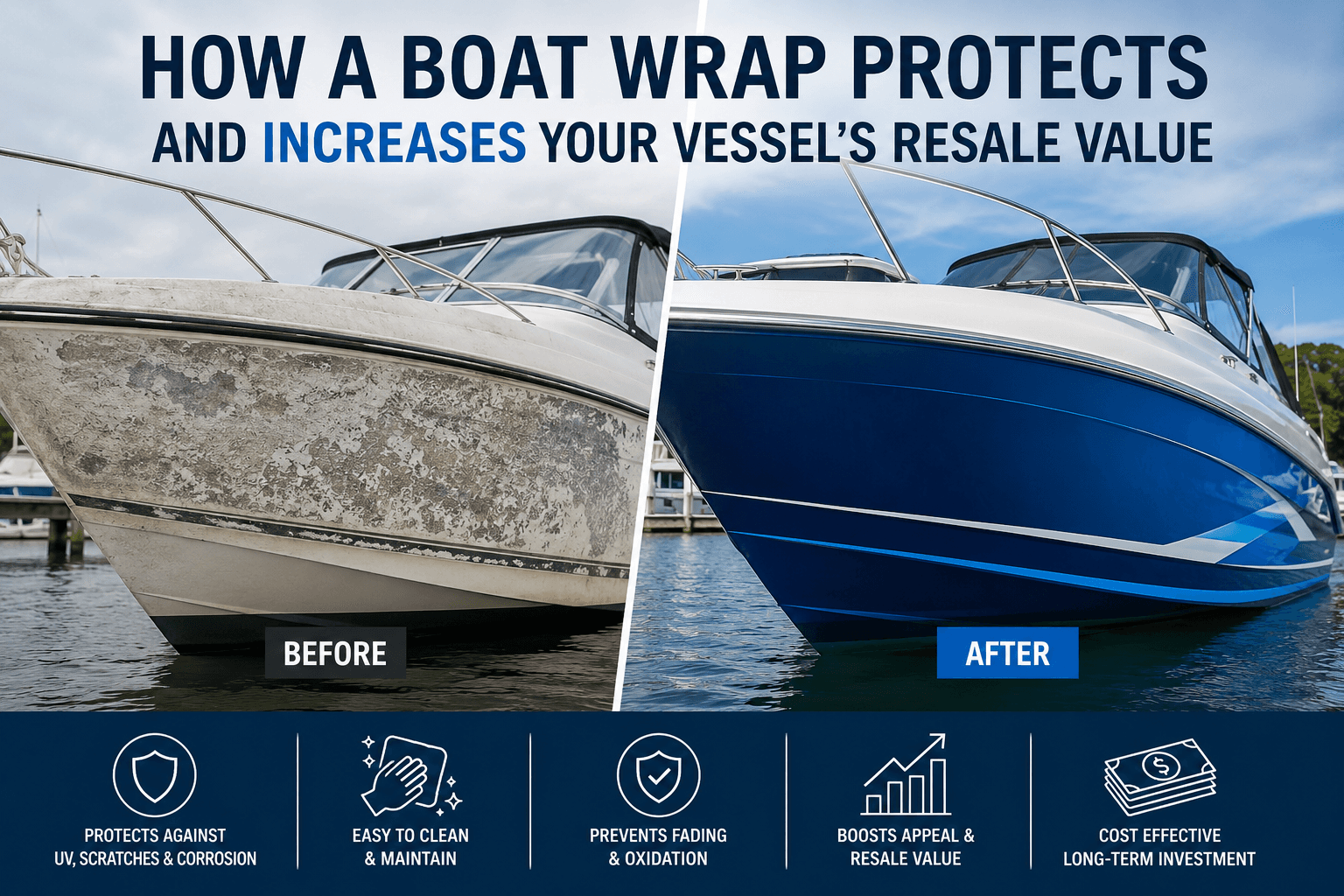
How a Boat Wrap Protects and Increases Your Vessel's Resale Value
How a Boat Wrap Can Protect and Increase Your Vessel's Resale Value
Boat Wraps Services
Top 10 FIFA World Cup Boat Wrap Ideas to Try This Season
If you already know you want your boat wrapped for World Cup season, the next question is which design actually fits your vessel.
Boat Wraps Services
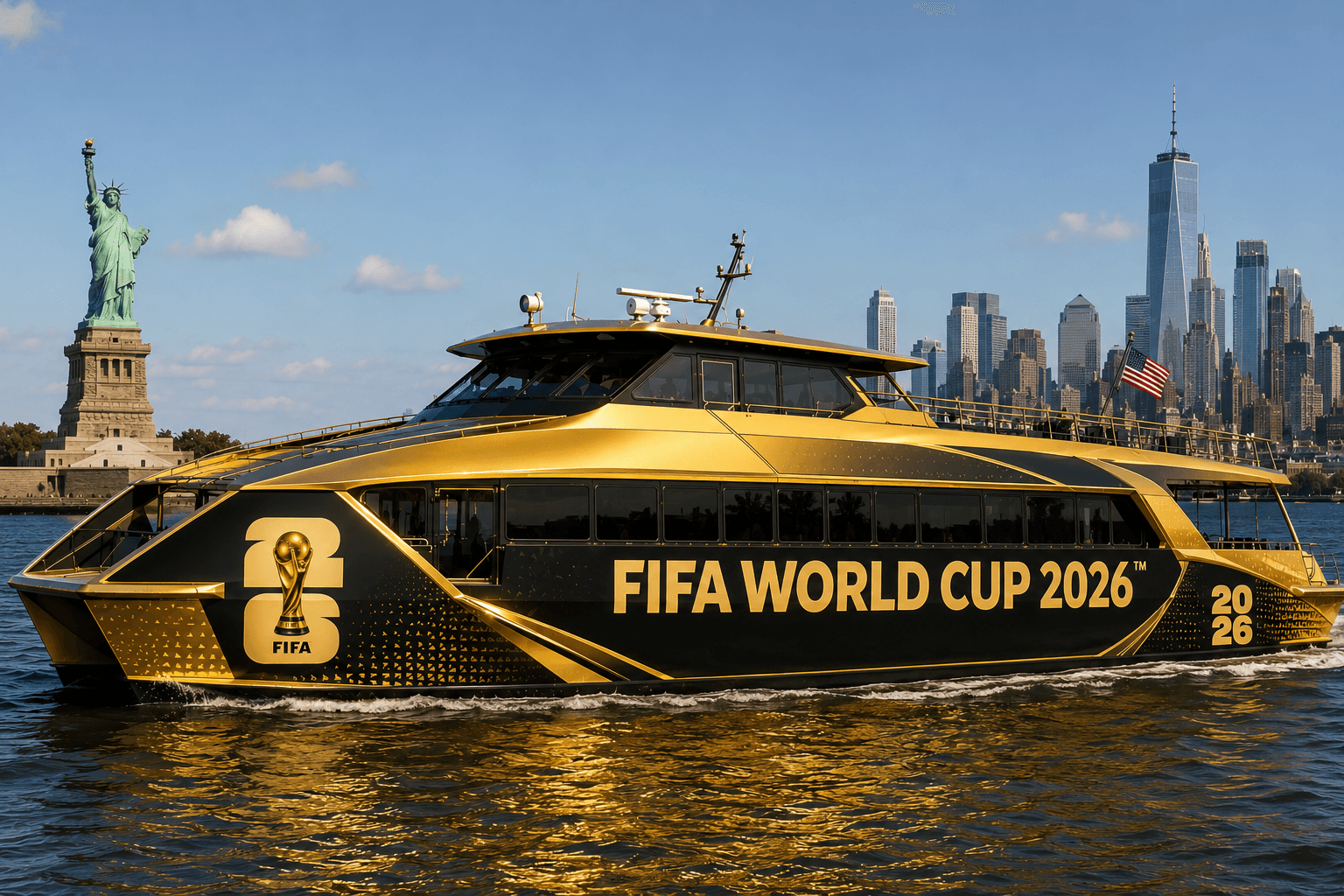
Custom Boat Wraps for FIFA World Cup 2026
Get your boat ready for FIFA World Cup 2026 with a luxury custom wrap. Stand out on the water with premium marine graphics, gold finishes, and championship-inspired designs.
Boat Wraps Services
Luxury Yacht Wraps: The Complete Guide to Finishes, Styles, and Custom Marine Vinyl
Ocean Wraps works with luxury yacht and cruiser owners who want professional results, durable materials, and a finish that holds up on the water.
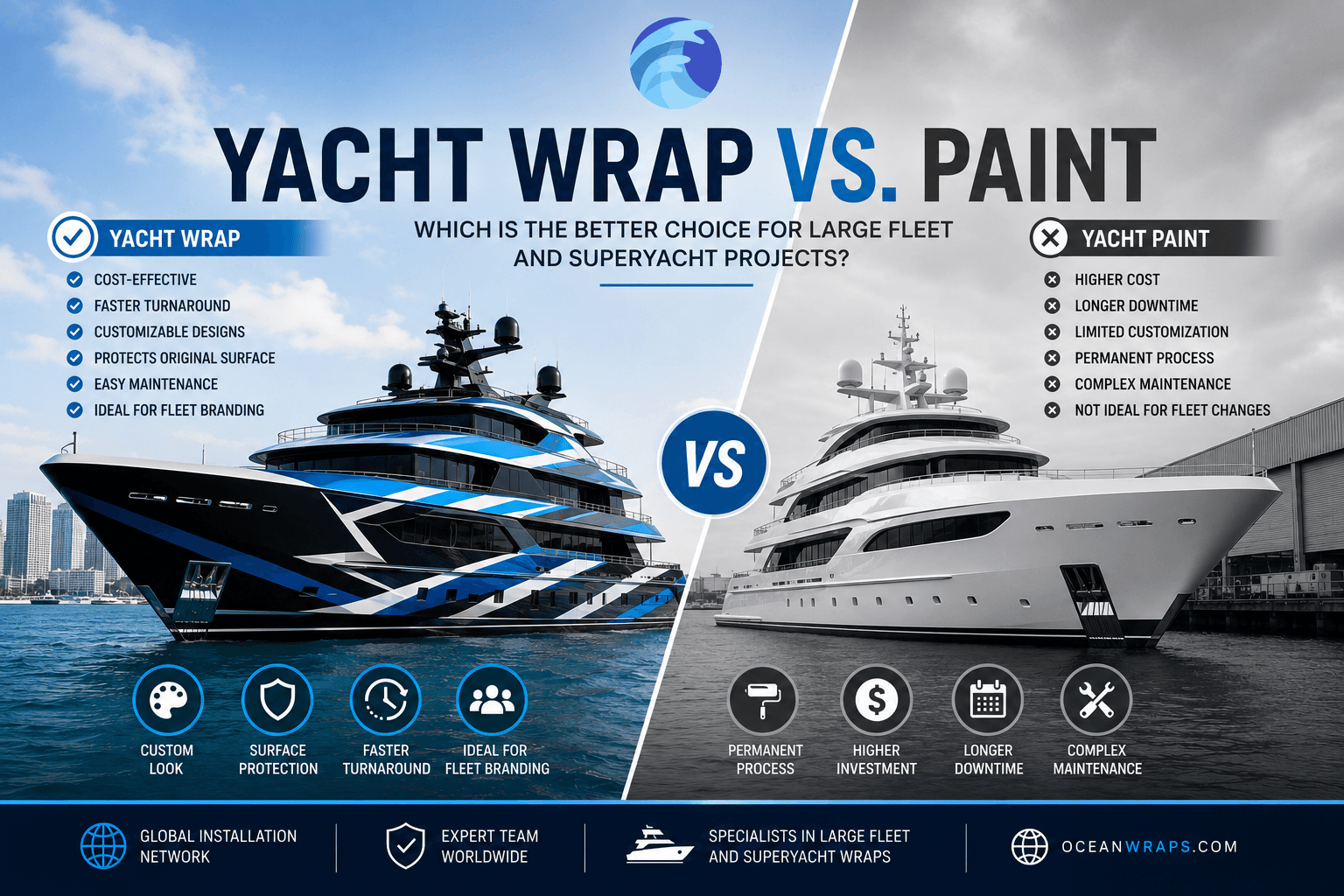
Yacht Wrap vs. Paint for Large Fleet & Superyacht Projects
Deciding between yacht wrap and paint for your fleet or superyacht? We break down real costs, downtime, durability, and which option actually makes sense at scale
How Much Does a Boat Wrap Cost? Complete Pricing Guide for 2026
Boat wrap prices vary widely depending on size, materials, and installer quality. Here's what a professional wrap actually costs in 2026 — and what to watch out for.
Luxury Yacht Wraps: The Complete Guide to Finishes, Styles, and Custom Marine Vinyl
Ocean Wraps works with luxury yacht and cruiser owners who want professional results, durable materials, and a finish that holds up on the water.
Boat Wraps Services
Why Florida Boat Owners Are Choosing Vinyl Boat Wraps in 2026
Discover why Florida boat owners are switching from paint to vinyl boat wraps. Learn the benefits, costs, protection, and customization options.
Guides
Boat Wraps vs Paint: 5 Reasons Why Wraps Win
Boat wraps cost less, install faster, and protect your gel coat better than traditional paint. Here's why so many boat owners are making the switch.
Guides
Yacht Wrap vs. Paint for Large Fleet & Superyacht Projects
Deciding between yacht wrap and paint for your fleet or superyacht? We break down real costs, downtime, durability, and which option actually makes sense at scale
Guides
How Much Does a Boat Wrap Cost? Complete Pricing Guide for 2026
Boat wrap prices vary widely depending on size, materials, and installer quality. Here's what a professional wrap actually costs in 2026 — and what to watch out for.