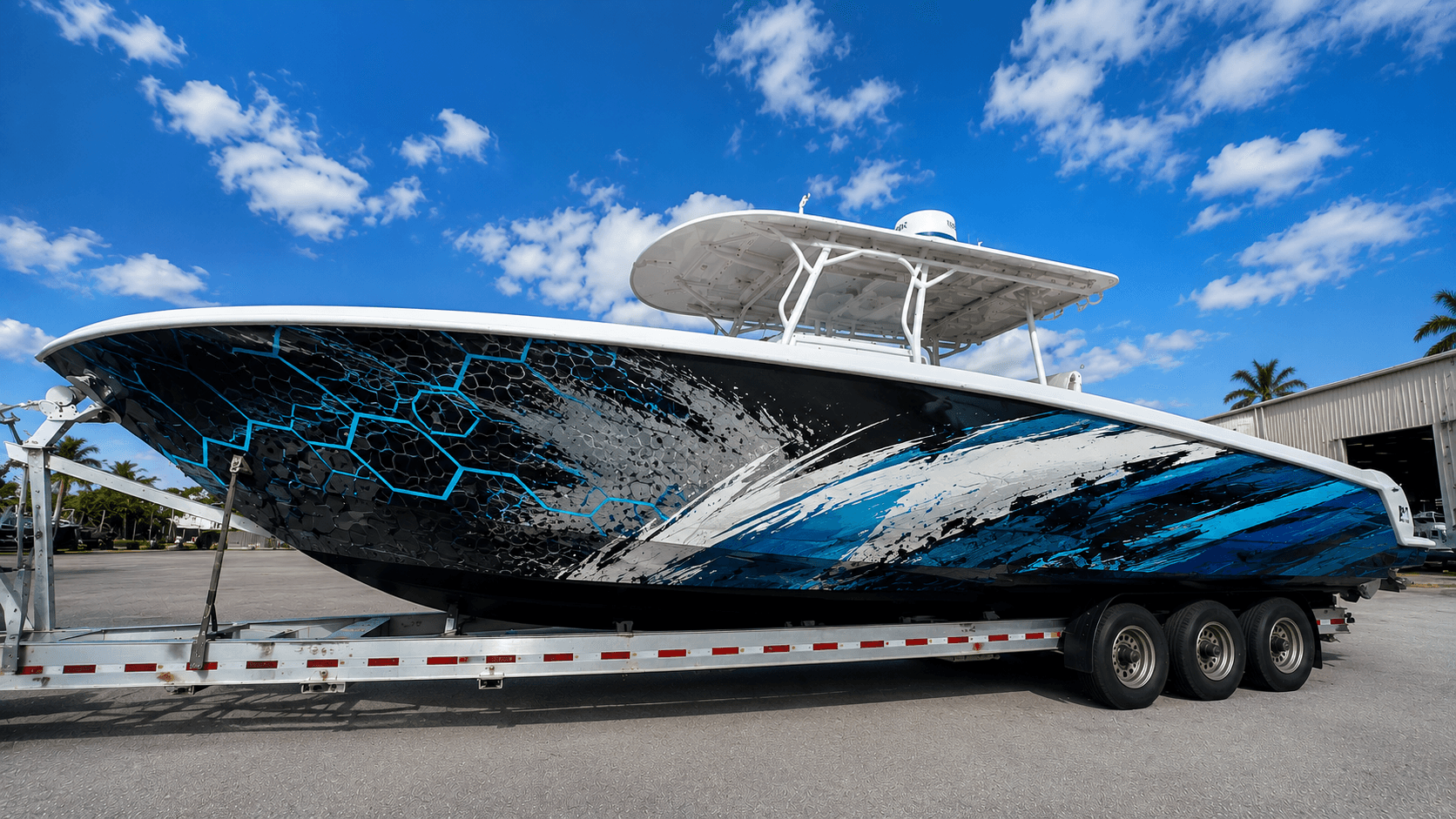
Marine Vinyl vs Cast Vinyl: The Ultimate Guide to Boat Wraps in Florida
Expert comparison of marine vinyl vs cast vinyl for boat wraps in Florida. Learn which material withstands harsh sun, salt, and weather for superior durability.
Last updated April 4, 2026
For Florida boat owners, a protective and visually stunning boat wrap is more than an aesthetic upgrade; it's a critical shield against one of the world's most punishing marine environments. The intense, year-round UV radiation, relentless salt spray, high humidity, and frequent tropical downpours demand a material engineered for survival. Choosing the wrong film can lead to premature failure, adhesive breakdown, and costly removal. This definitive guide cuts through the confusion, comparing the two primary materials for professional boat wraps: durable marine-grade calendered vinyl and premium cast vinyl. We'll analyze their performance specifically for Florida's conditions and explain why certified installation expertise is non-negotiable for a lasting result.
Boat Wraps Overview: Marine Vinyl vs Cast Vinyl: Boat Wrap Material Comparison fo#
Professional expertise - OceanWraps certified team. Material selection is application-specific: use thick, rigid marine vinyl for large flat hull surfaces; use conformable cast vinyl for complex curves and compound surfaces.
UV stability and chemical resistance to salt and fuel are paramount in Florida; only professional-grade films from trusted manufacturers meet this standard.
A liquid laminate topcoat is non-negotiable for Florida, adding a sacrificial protective layer against UV fade and physical abrasion.
Surface preparation of the gelcoat is the single most critical factor for long-term adhesion, especially in humid conditions.
Expert installation dictates longevity, involving precise contour handling, heat application, and meticulous edge sealing to prevent moisture intrusion.
Partnering with an experienced provider like OceanWraps ensures correct material selection, certified installation techniques, and adherence to marine industry best practices for a superior outcome.
The foundation of a lasting boat wrap is immaculate surface prep. The gelcoat must be thoroughly de-waxed, decontaminated, and mechanically polished to a clean, matte finish to ensure maximum adhesive bonding. In Florida's humidity, a final wipe with a specialized solution ensures no residual moisture or oils compromise the bond. This meticulous step, often overlooked in non-professional settings, is where long-term adhesion is won or lost.
Graphics are digitally designed and printed on the selected vinyl. A professional installer then uses specialized software to precisely contour the design, creating an installation blueprint that accounts for hatches, hardware, and complex curves. This pre-planning minimizes seams, ensures proper graphic alignment under tension, and is critical for achieving a seamless, painted-on appearance.
Certified installer skill is paramount here. Using controlled heat, precise tension, and specialized tools, the material is conformed perfectly, working out air and ensuring adhesion around every compound curve. Critical edges, especially near the waterline and hardware cutouts, are sealed with a marine-grade edge sealer. This prevents saltwater and humidity from creeping underneath, which is a primary cause of wrap failure in Florida.
Post-installation, a liquid laminate is flood-coated over the graphics in a controlled environment. This urethane layer cures into a hard, clear shield. A final quality inspection checks for adhesion, finish consistency, and seam integrity before a detailed care briefing is provided to the owner, covering proper washing techniques and maintenance.
The core choice between marine vinyl and cast vinyl is defined by your vessel's geometry. Marine vinyl (calendered) is thicker and more rigid, offering superior puncture and abrasion resistance for long, flat hull sides. Cast vinyl is thinner and manufactured for exceptional dimensional stability and conformability, making it the definitive choice for the complex curves of center consoles, towers, and integrated swim platforms. Beyond the base film, a professional liquid laminate is mandatory for Florida. It acts as a sacrificial UV and abrasion shield, protects the printed graphics, and enhances gloss. Expertise lies in selecting the right material system for each surface and applying it correctly.
Marine Vinyl (Calendered): Optimal for large, flat planes like hull sides. Offers high tensile strength and handles minor gelcoat imperfections well.
Cast Vinyl: Optimal for complex, multi-curved surfaces. Provides a seamless, paint-like finish with superior long-term stability and conformability.
Liquid Laminate: The essential protective topcoat for any Florida boat wrap. Provides critical UV filtration, abrasion resistance, and a uniform high-gloss finish.
What is the best vinyl for boat wraps in Florida?#
The 'best' material is determined by your boat's specific surfaces. For flat hull applications, premium marine-grade calendered vinyl is excellent. For complex curves on consoles or towers, cast vinyl is superior. A professional assessment is key to specifying the optimal material system, which for Florida always includes a protective laminate.
How long should a professionally installed boat wrap last in Florida?#
With professional-grade materials and certified installation, a boat wrap can last 5 to 7 years in Florida. Actual longevity depends on factors like storage (covered vs. open), color selection, maintenance regimen, and usage patterns. Proper care following the installer's guidelines is essential to reach this lifespan.
A professionally installed and later removed wrap will not damage sound, healthy gelcoat. In fact, it protects the substrate from UV fade and minor scratches. Damage typically results from improper removal techniques, the use of low-quality films with aggressive or unstable adhesives, or installation over already compromised surfaces. This underscores the importance of choosing a trusted, experienced installer.
Why is professional installation critical for a boat wrap?#
Professional installation is the single greatest determinant of a wrap's performance and longevity. It ensures correct surface preparation, precise material handling and contouring, expert application of heat and tension, and most importantly, proper edge sealing to defend against Florida's moisture. This expertise, as practiced by leading providers, transforms quality materials into a durable, high-finish asset for your vessel.
New Boat Prices Are Skyrocketing — Here's the Smarter Move Boat Owners Are Making
New boat prices are at record highs. Here's why more owners are choosing marine vinyl wraps to refresh their boat's look and protect the hull, without the cost of buying new
Get your boat ready for FIFA World Cup 2026 with a luxury custom wrap. Stand out on the water with premium marine graphics, gold finishes, and championship-inspired designs.
New Boat Prices Are Skyrocketing — Here's the Smarter Move Boat Owners Are Making
New boat prices are at record highs. Here's why more owners are choosing marine vinyl wraps to refresh their boat's look and protect the hull, without the cost of buying new
Boat Wraps Services
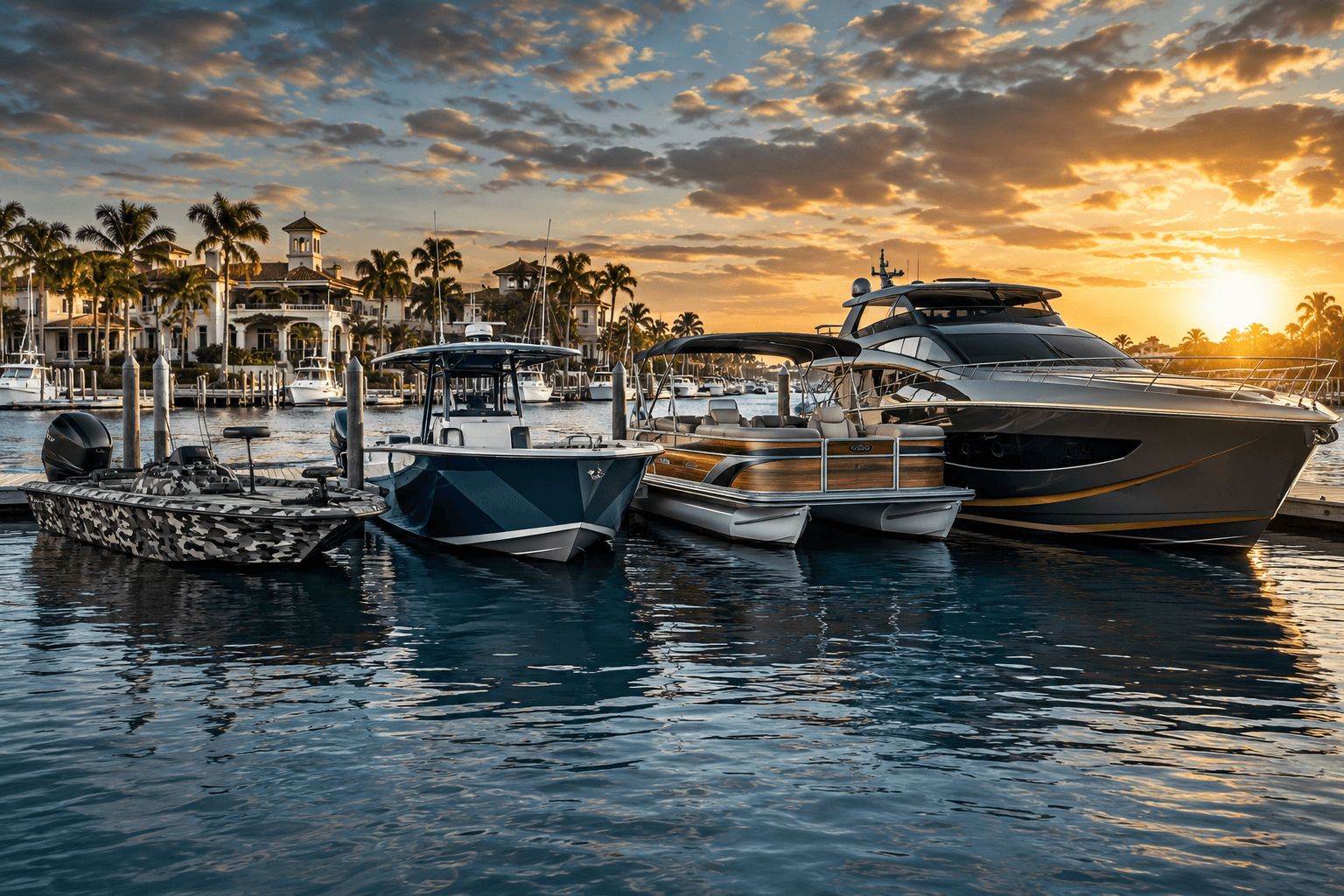
Boat Wrap Designs by Boat Type: What Actually Works on Your Vessel
A wrap that's perfect for a sportfishing boat chasing marlin offshore would look completely out of place on a family pontoon.
Boat Wraps Services
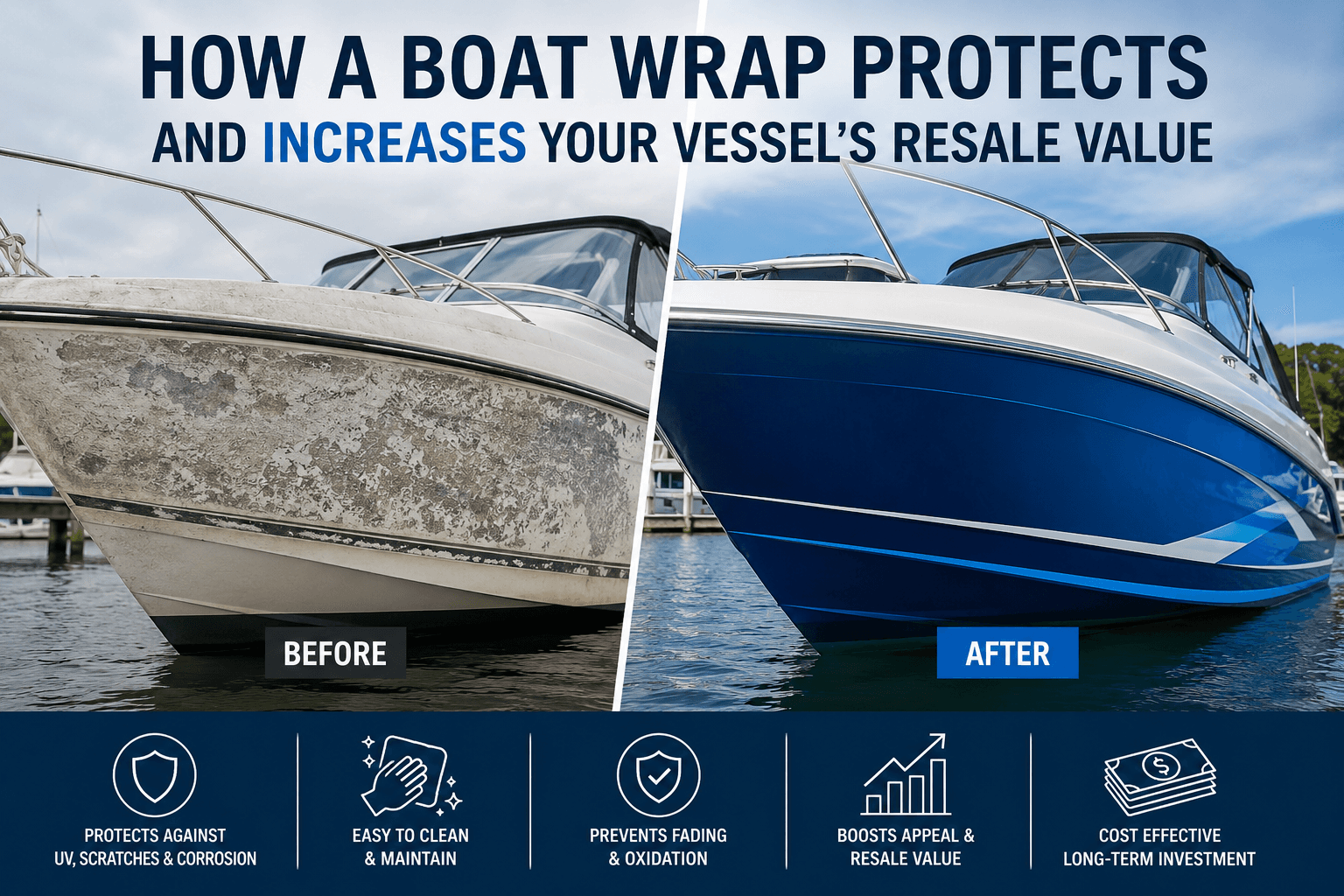
How a Boat Wrap Protects and Increases Your Vessel's Resale Value
How a Boat Wrap Can Protect and Increase Your Vessel's Resale Value
Boat Wraps Services
Top 10 FIFA World Cup Boat Wrap Ideas to Try This Season
If you already know you want your boat wrapped for World Cup season, the next question is which design actually fits your vessel.
Boat Wraps Services
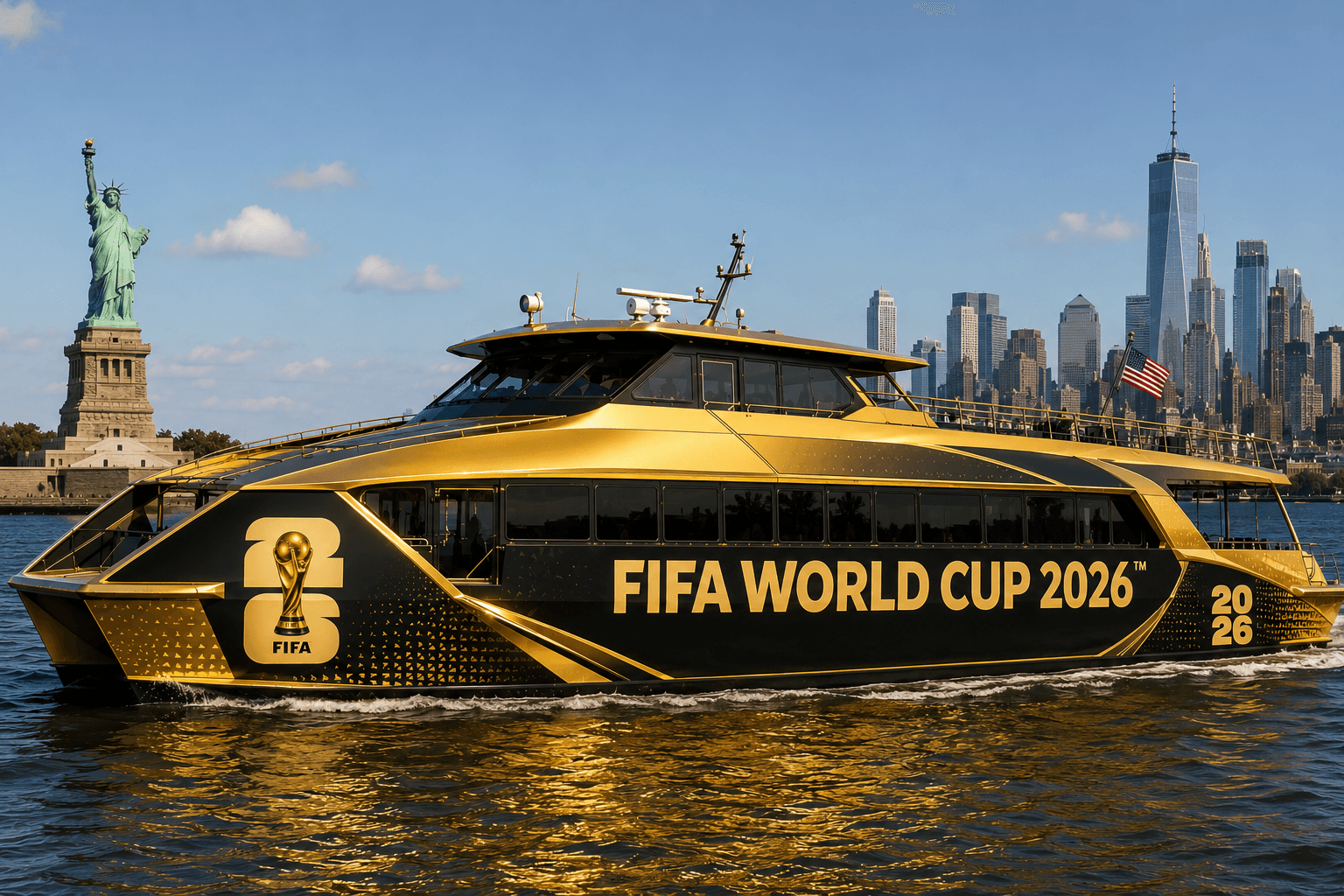
Custom Boat Wraps for FIFA World Cup 2026
Get your boat ready for FIFA World Cup 2026 with a luxury custom wrap. Stand out on the water with premium marine graphics, gold finishes, and championship-inspired designs.
Boat Wraps Services
Luxury Yacht Wraps: The Complete Guide to Finishes, Styles, and Custom Marine Vinyl
Ocean Wraps works with luxury yacht and cruiser owners who want professional results, durable materials, and a finish that holds up on the water.
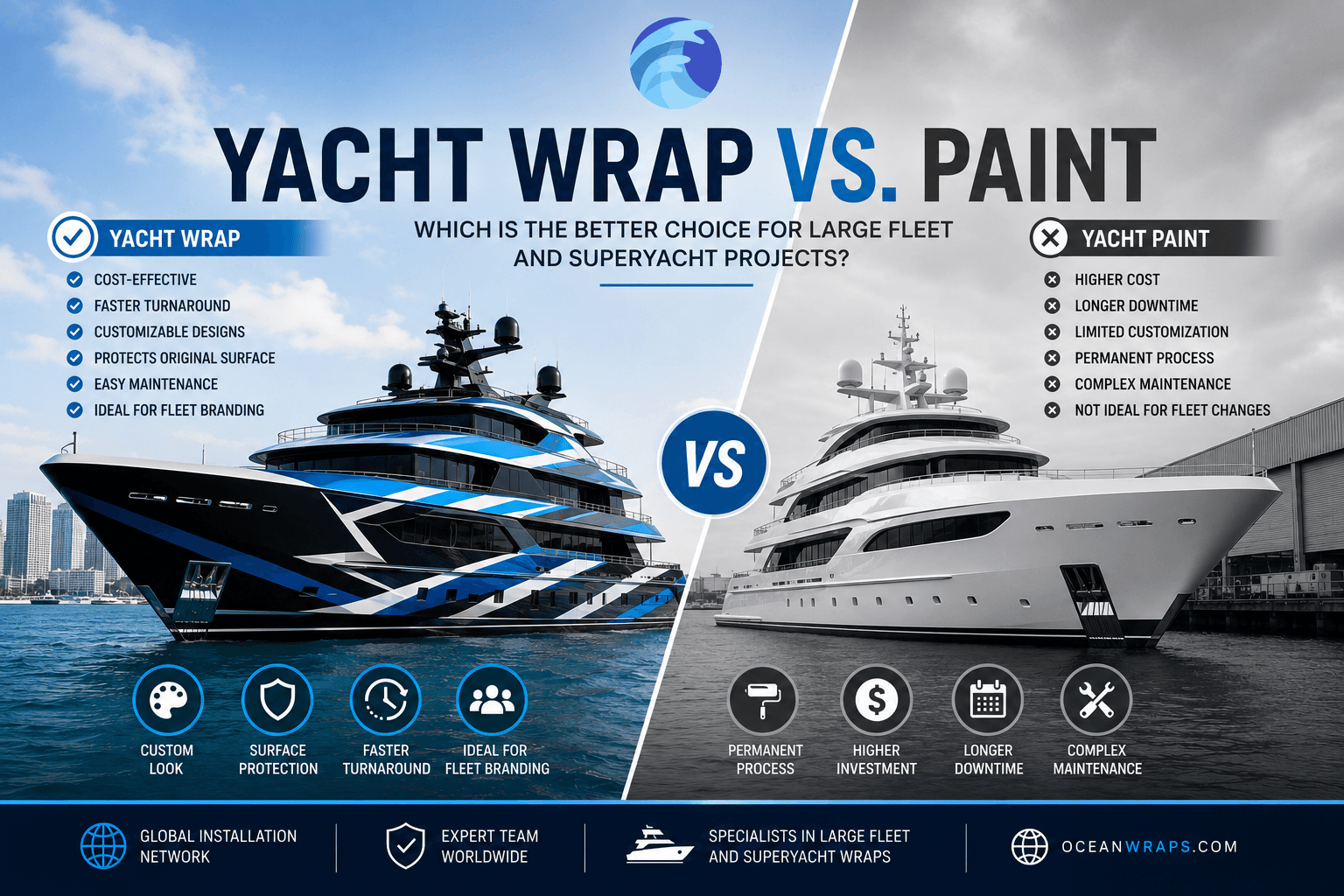
Yacht Wrap vs. Paint for Large Fleet & Superyacht Projects
Deciding between yacht wrap and paint for your fleet or superyacht? We break down real costs, downtime, durability, and which option actually makes sense at scale
How Much Does a Boat Wrap Cost? Complete Pricing Guide for 2026
Boat wrap prices vary widely depending on size, materials, and installer quality. Here's what a professional wrap actually costs in 2026 — and what to watch out for.
Luxury Yacht Wraps: The Complete Guide to Finishes, Styles, and Custom Marine Vinyl
Ocean Wraps works with luxury yacht and cruiser owners who want professional results, durable materials, and a finish that holds up on the water.
Boat Wraps Services
Why Florida Boat Owners Are Choosing Vinyl Boat Wraps in 2026
Discover why Florida boat owners are switching from paint to vinyl boat wraps. Learn the benefits, costs, protection, and customization options.
Guides
Boat Wraps vs Paint: 5 Reasons Why Wraps Win
Boat wraps cost less, install faster, and protect your gel coat better than traditional paint. Here's why so many boat owners are making the switch.
Guides
Yacht Wrap vs. Paint for Large Fleet & Superyacht Projects
Deciding between yacht wrap and paint for your fleet or superyacht? We break down real costs, downtime, durability, and which option actually makes sense at scale
Guides
How Much Does a Boat Wrap Cost? Complete Pricing Guide for 2026
Boat wrap prices vary widely depending on size, materials, and installer quality. Here's what a professional wrap actually costs in 2026 — and what to watch out for.