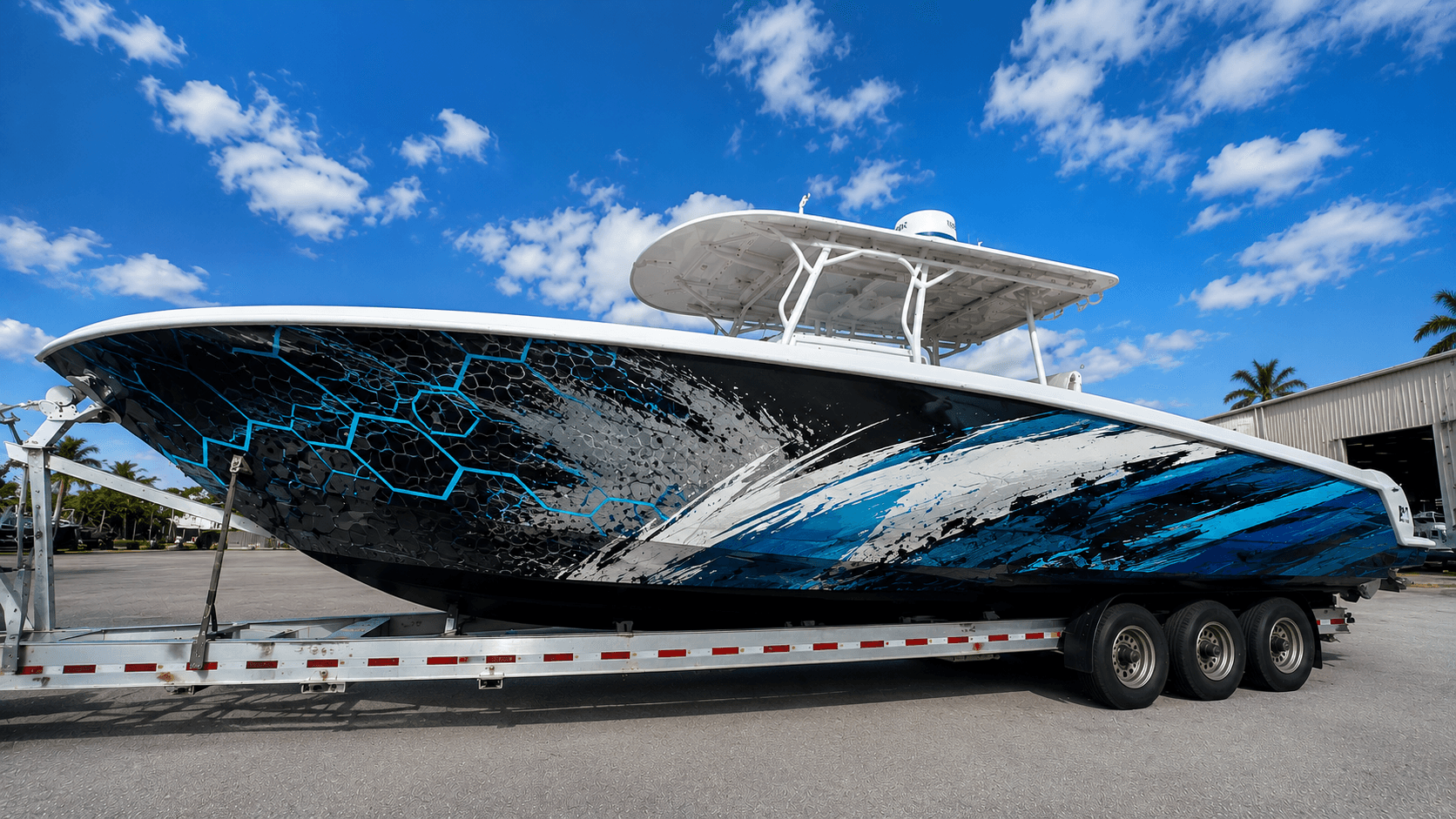
Boat Wraps New York: Complete Guide to Professional Marine Vinyl Wraps
Expert boat wraps in New York. Learn about marine vinyl options, professional installation, and how to prepare your vessel for a premium boat wrap in NY climate
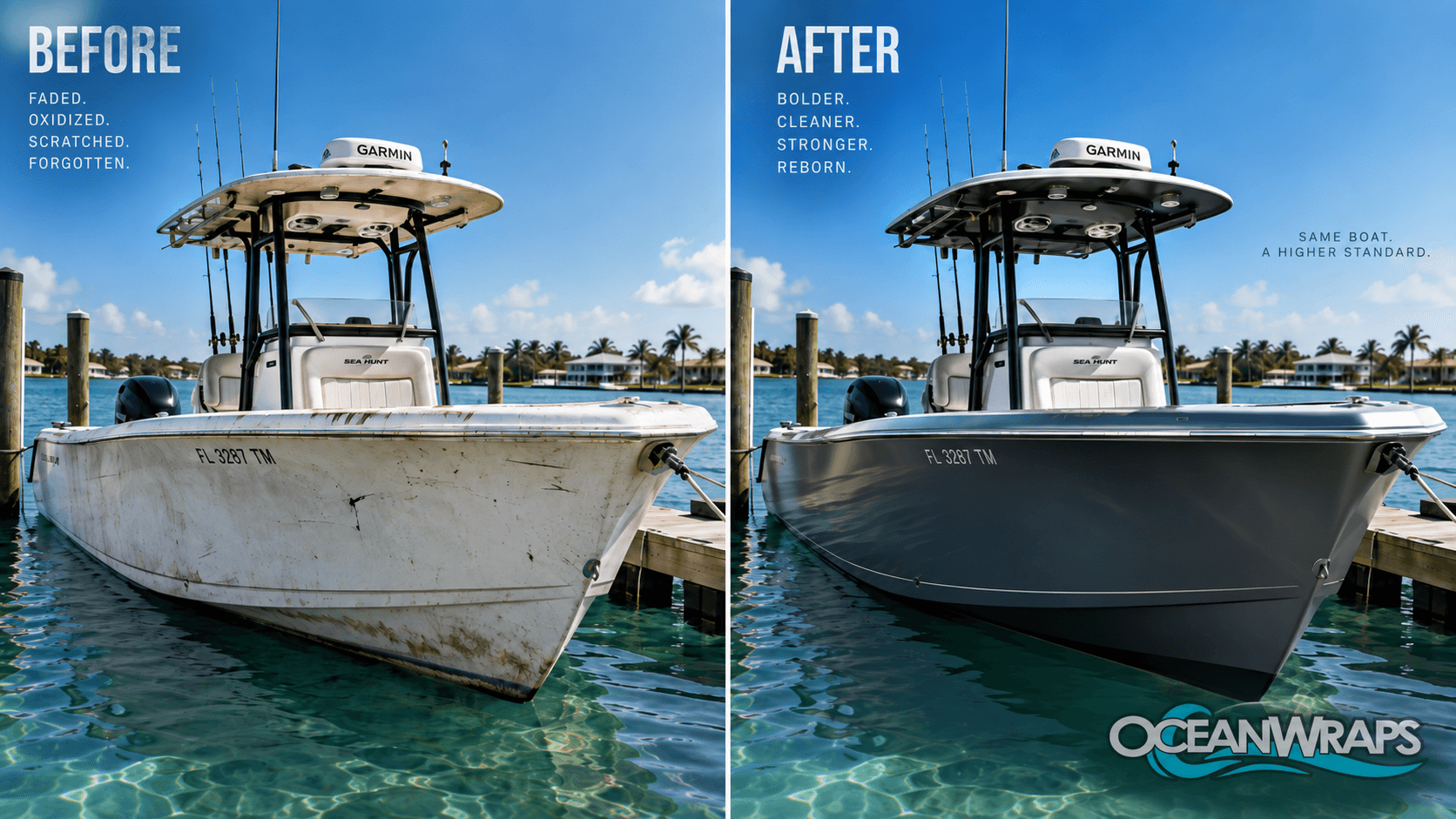
Professional expertise - OceanWraps certified team. Marine vinyl wraps protect gelcoat from New York UV exposure and salt water corrosion while costing 60-70% less than premium paint
Proper surface preparation determines wrap longevity - professional prep is essential for New York marina conditions
Cast vinyl with marine-grade laminate withstands seasonal freeze-thaw cycles common to Northeast waters
Boat wraps can be removed without damaging original gelcoat, preserving resale value
OceanWraps combines regional experience with quality materials to provide boat wraps that serve New York vessel owners
Professional installation ensures proper edge sealing at waterline transitions and hardware penetrations
For boat owners searching for boat wraps in New York, understanding the regional considerations is essential before investing in marine vinyl graphics. The unique climate conditions along New York's coastline—from the salt waters of Long Island Sound to the freshwater lakes of the Adirondack region—create specific challenges that directly impact boat wrap performance and durability. This guide covers everything you need to know about professional boat wraps, from initial boat wrap preparation to selecting the right materials for New York conditions.
Boat Wraps Overview: Boat Wrap Preparation: Essential Steps for New York Marine C#
Understanding the installation process helps boat owners appreciate why professional boat wrap preparation matters. The quality of surface preparation directly determines how well the vinyl adheres and how long it lasts. The following steps represent the standard process used by professional installers for boat wraps.
The foundation of any successful boat wrap begins with thorough surface preparation. This phase involves detailed inspection of the hull gelcoat to identify oxidation, scratches, or previous damage. For New York boats with winter storage history, installers commonly find surface imperfections that require attention. The preparation process includes compounding to restore smooth substrate conditions, followed by complete degreasing to remove all contaminants. Professional installers invest significant time in this phase because inadequate surface prep accounts for premature lift and failure.
Once the hull surface meets quality standards, the design phase begins. Professional boat wrap providers create precise templates—which may involve digital scanning for complex hull geometries—to ensure exact fit. This template serves as the reference for cutting the vinyl material, accounting for hull curvature, hardware protrusions, and underwater appendages.
The actual installation applies the pre-cut vinyl panels, working from the bow toward the stern to prevent trapping debris. Installers use squeegees and heat guns to mold the vinyl around curves and complex hull features. For boat wraps in New York, edge sealing proves particularly important—proper sealing at waterline transitions and hardware penetrations prevents water infiltration that could compromise adhesion during seasonal use.
After installation, professional boat wrap providers conduct comprehensive inspection—including looking under gunwales and around hardware—to confirm complete coverage and adhesion. They then provide care instructions specific to the materials used. For New York conditions, this includes guidance on freshwater rinsing after salt water exposure, recommended cleaning products to preserve laminate, and inspection protocols before winter storage.
Hull must be completely dry before application - humidity control matters in New York summer months
Installation temperature should remain above 50°F to ensure proper adhesive curing
Schedule installation during spring or early fall for optimal results
Freshwater rinsing after salt exposure extends wrap life significantly
The materials selected for boat wraps directly impact their appearance, durability, and performance in New York conditions. Understanding these options helps boat owners make informed decisions when consulting with professional installers.
Two primary vinyl categories apply to boat wraps: cast vinyl and calendar vinyl. Cast vinyl offers superior conformability around complex curves and maintains color stability over extended exposure to UV. This material weighs more and contains more UV inhibitors, making it the preferred choice for New York marine applications where seasonal extremes stress the material. Calendar vinyl provides a more economical option, but tends to shrink over time and may not perform as well on highly curved hull surfaces.
Beyond color selection, boat wraps offer various finish treatments. Gloss finishes provide a reflective appearance similar to gelcoat, while matte finishes deliver contemporary aesthetics popular among performance vessel owners. Textured finishes can simulate non-slip surfaces for high-wear areas. Protective laminate overlays—clear films applied over the colored vinyl—provide essential defense against abrasion, chemical exposure, and UV degradation. Professional marine-grade laminate significantly outperforms standard promotional vinyl, which explains why quality-focused boat wrap providers specify marine-rated materials even at higher cost.
How long do professional boat wraps last in New York climate conditions?#
Quality marine vinyl wraps with professional installation and proper maintenance typically last 5-7 years in New York conditions, though some premium products exceed this range. Variables include material quality, installation precision, and exposure levels. Boats slip-moored in saltwater environments experience more stress than those docked in freshwater or used seasonally. Regular maintenance—particularly freshwater rinsing after salt exposure—extends wrap life significantly.
Does boat wrap preparation differ for gelcoat versus painted hulls?#
Surface preparation varies by substrate. Gelcoat surfaces require compounding to remove oxidation and create a receptive profile for adhesive. Painted surfaces need assessment for condition—wraps may fail when applied over deteriorating paint. Some boat wrap professionals recommend removing old paint before wrapping, particularly if peeling or adhesion issues exist. Professional evaluation during the initial consultation identifies the appropriate prep approach for your specific hull.
Can I prepare my boat for a wrap myself to reduce costs?#
While boat owners can perform preliminary cleaning and surface assessment, professional boat wrap preparation requires specialized skills and equipment. Incomplete surface preparation leads to premature failure, and adhesive bonds are difficult to correct once established. Most professional boat wrap providers do not warranty installations over homeowner prep work. The cost savings rarely justify the risk to what is a significant investment in your vessel appearance.
Do New York marinas have regulations regarding boat wraps?#
Most New York marinas and yacht clubs accept wrapped vessels without restriction, as vinyl wraps do not alter vessel documentation or registration. Some historic or co-op marinas may have aesthetic guidelines, but wraps generally conform to these standards. Vessels in commercial service or charter use should confirm with applicable regulations, as some jurisdictions require disclosure of wrap modifications for documentation purposes.
Professional boat wraps represent a practical investment for New York boat owners seeking to protect their vessels while achieving custom aesthetics. The combination of cost efficiency, durability, and design flexibility explains the growing adoption among regional boat owners. Whether your vessel operates in Long Island Sound, the Hudson River, or New York's inland lakes, proper boat wrap preparation and professional installation deliver results that outperform amateur alternatives.
New Boat Prices Are Skyrocketing — Here's the Smarter Move Boat Owners Are Making
New boat prices are at record highs. Here's why more owners are choosing marine vinyl wraps to refresh their boat's look and protect the hull, without the cost of buying new
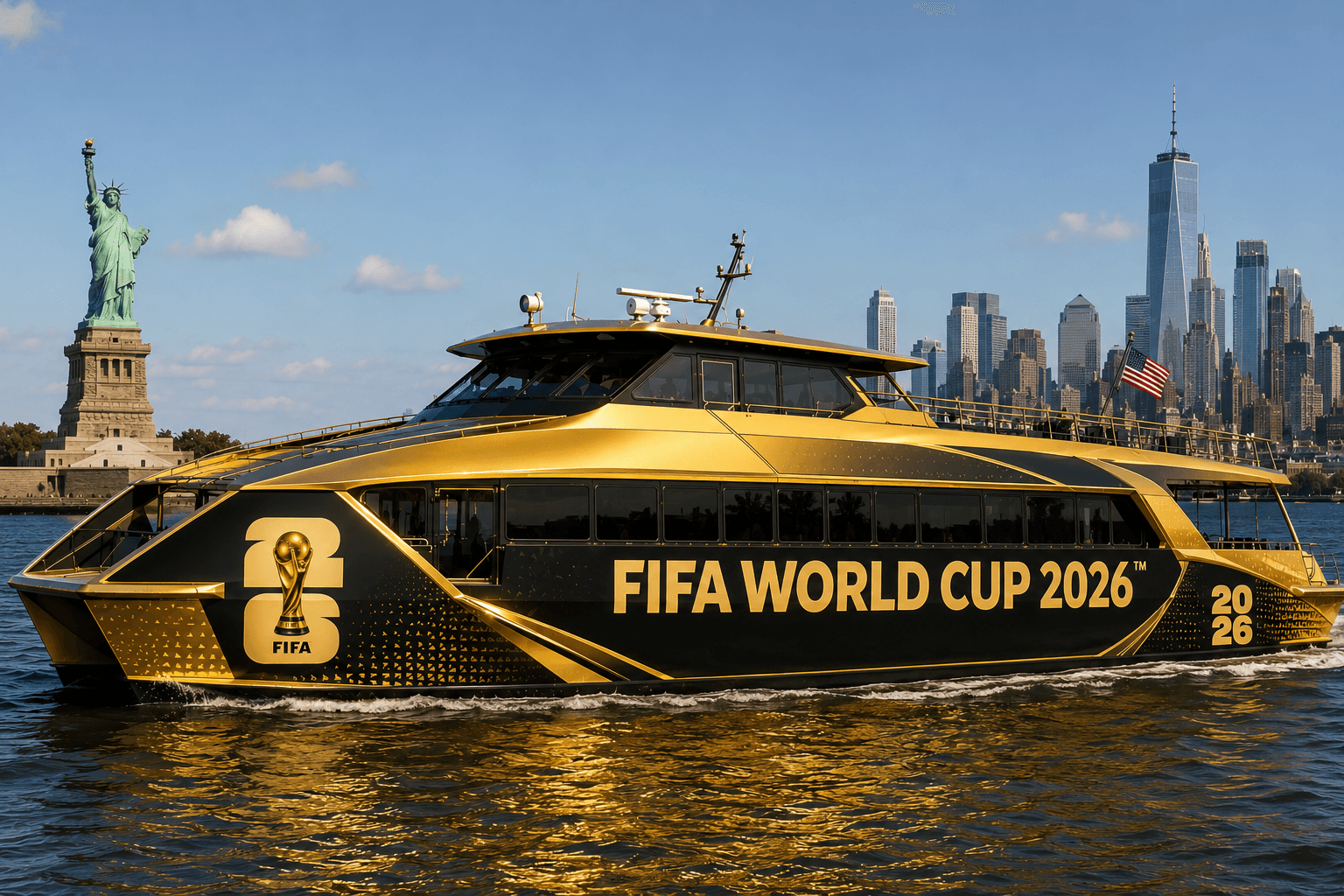
Get your boat ready for FIFA World Cup 2026 with a luxury custom wrap. Stand out on the water with premium marine graphics, gold finishes, and championship-inspired designs.
New Boat Prices Are Skyrocketing — Here's the Smarter Move Boat Owners Are Making
New boat prices are at record highs. Here's why more owners are choosing marine vinyl wraps to refresh their boat's look and protect the hull, without the cost of buying new
Boat Wraps Services
Boat Wrap Designs by Boat Type: What Actually Works on Your Vessel
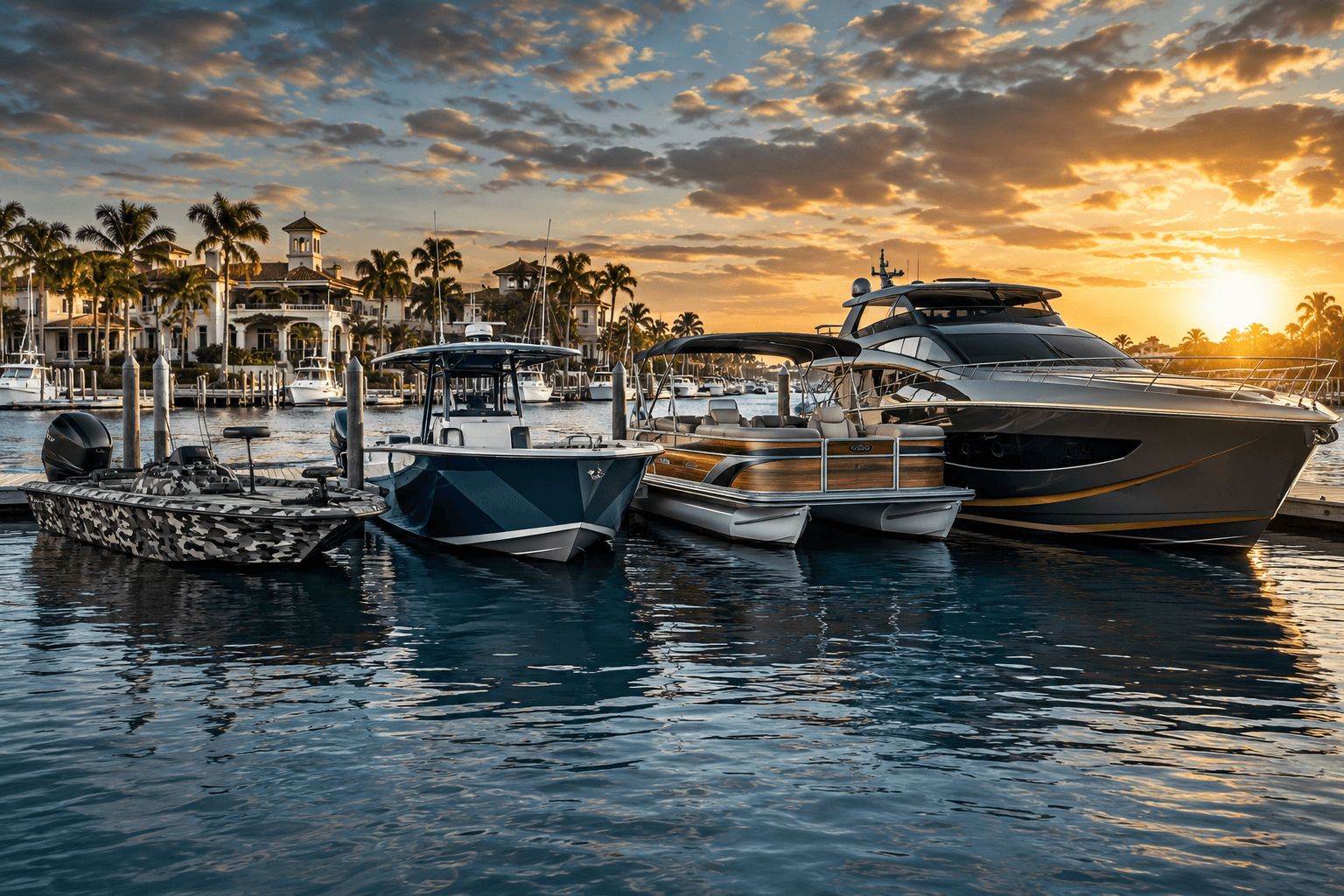
A wrap that's perfect for a sportfishing boat chasing marlin offshore would look completely out of place on a family pontoon.
Boat Wraps Services
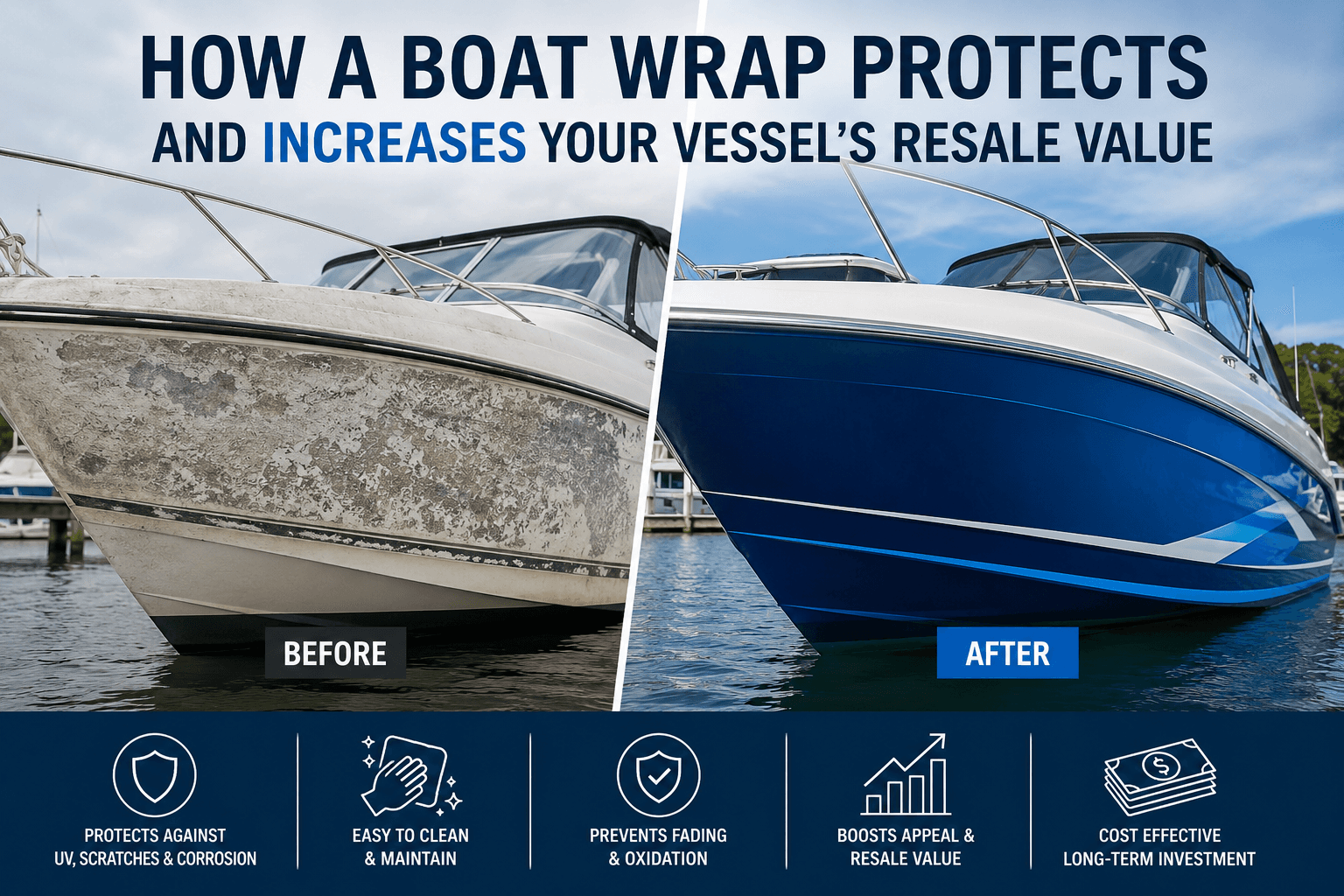
How a Boat Wrap Protects and Increases Your Vessel's Resale Value
How a Boat Wrap Can Protect and Increase Your Vessel's Resale Value
Boat Wraps Services
Top 10 FIFA World Cup Boat Wrap Ideas to Try This Season
If you already know you want your boat wrapped for World Cup season, the next question is which design actually fits your vessel.
Boat Wraps Services
Custom Boat Wraps for FIFA World Cup 2026
Get your boat ready for FIFA World Cup 2026 with a luxury custom wrap. Stand out on the water with premium marine graphics, gold finishes, and championship-inspired designs.
Boat Wraps Services
Luxury Yacht Wraps: The Complete Guide to Finishes, Styles, and Custom Marine Vinyl
Ocean Wraps works with luxury yacht and cruiser owners who want professional results, durable materials, and a finish that holds up on the water.
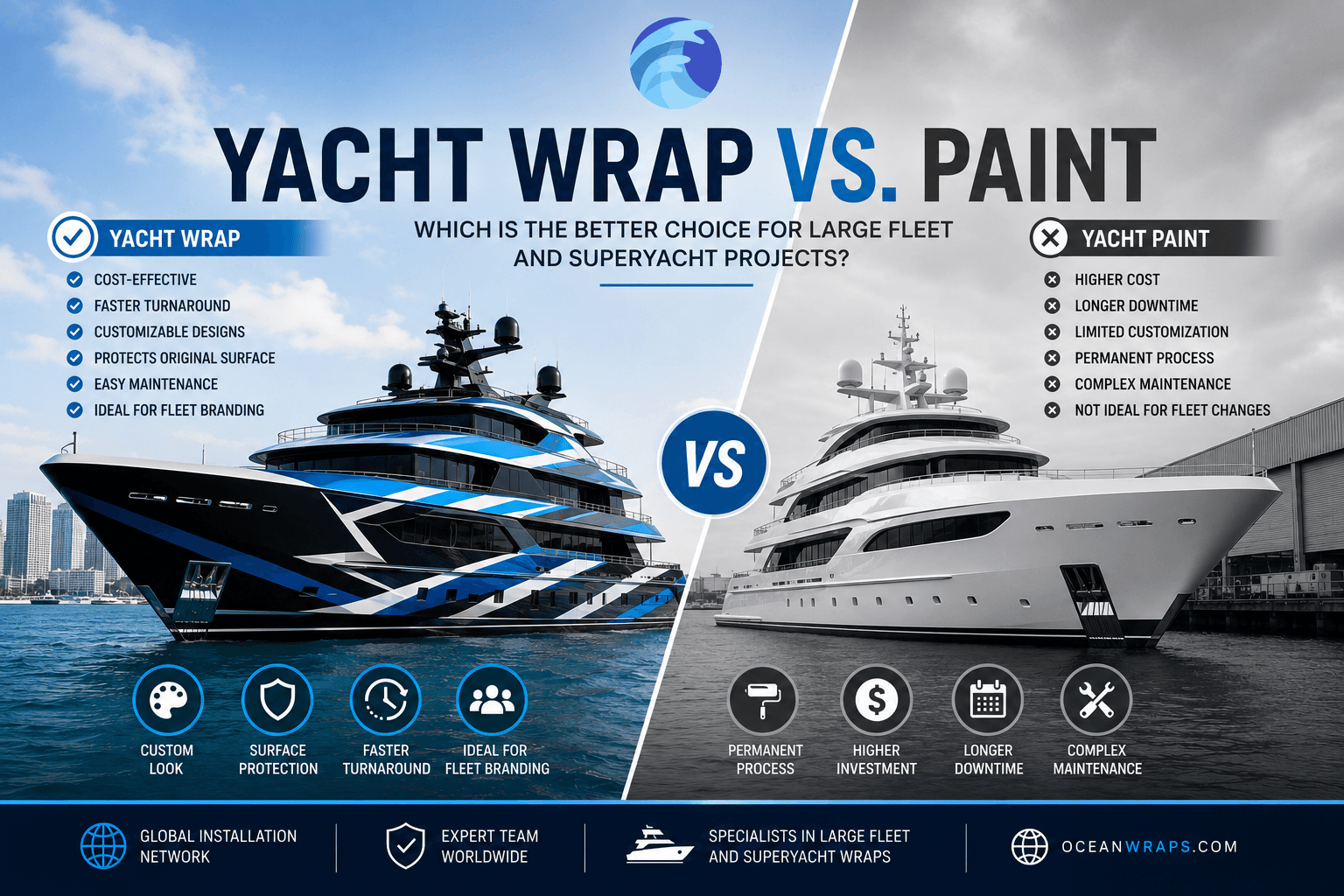
Yacht Wrap vs. Paint for Large Fleet & Superyacht Projects
Deciding between yacht wrap and paint for your fleet or superyacht? We break down real costs, downtime, durability, and which option actually makes sense at scale
How Much Does a Boat Wrap Cost? Complete Pricing Guide for 2026
Boat wrap prices vary widely depending on size, materials, and installer quality. Here's what a professional wrap actually costs in 2026 — and what to watch out for.
Luxury Yacht Wraps: The Complete Guide to Finishes, Styles, and Custom Marine Vinyl
Ocean Wraps works with luxury yacht and cruiser owners who want professional results, durable materials, and a finish that holds up on the water.
Boat Wraps Services
Why Florida Boat Owners Are Choosing Vinyl Boat Wraps in 2026
Discover why Florida boat owners are switching from paint to vinyl boat wraps. Learn the benefits, costs, protection, and customization options.
Guides
Boat Wraps vs Paint: 5 Reasons Why Wraps Win
Boat wraps cost less, install faster, and protect your gel coat better than traditional paint. Here's why so many boat owners are making the switch.
Guides
Yacht Wrap vs. Paint for Large Fleet & Superyacht Projects
Deciding between yacht wrap and paint for your fleet or superyacht? We break down real costs, downtime, durability, and which option actually makes sense at scale
Guides
How Much Does a Boat Wrap Cost? Complete Pricing Guide for 2026
Boat wrap prices vary widely depending on size, materials, and installer quality. Here's what a professional wrap actually costs in 2026 — and what to watch out for.