Top Boat Wraps Caribbean | Professional Installation | OceanWraps
Premium boat wraps in the Caribbean. Professional installation with marine-grade vinyl offering UV and salt protection. Custom designs for yachts and vessels.
Last updated April 13, 2026
Why Professional Boat Wrap Installation Matters in the Caribbean#
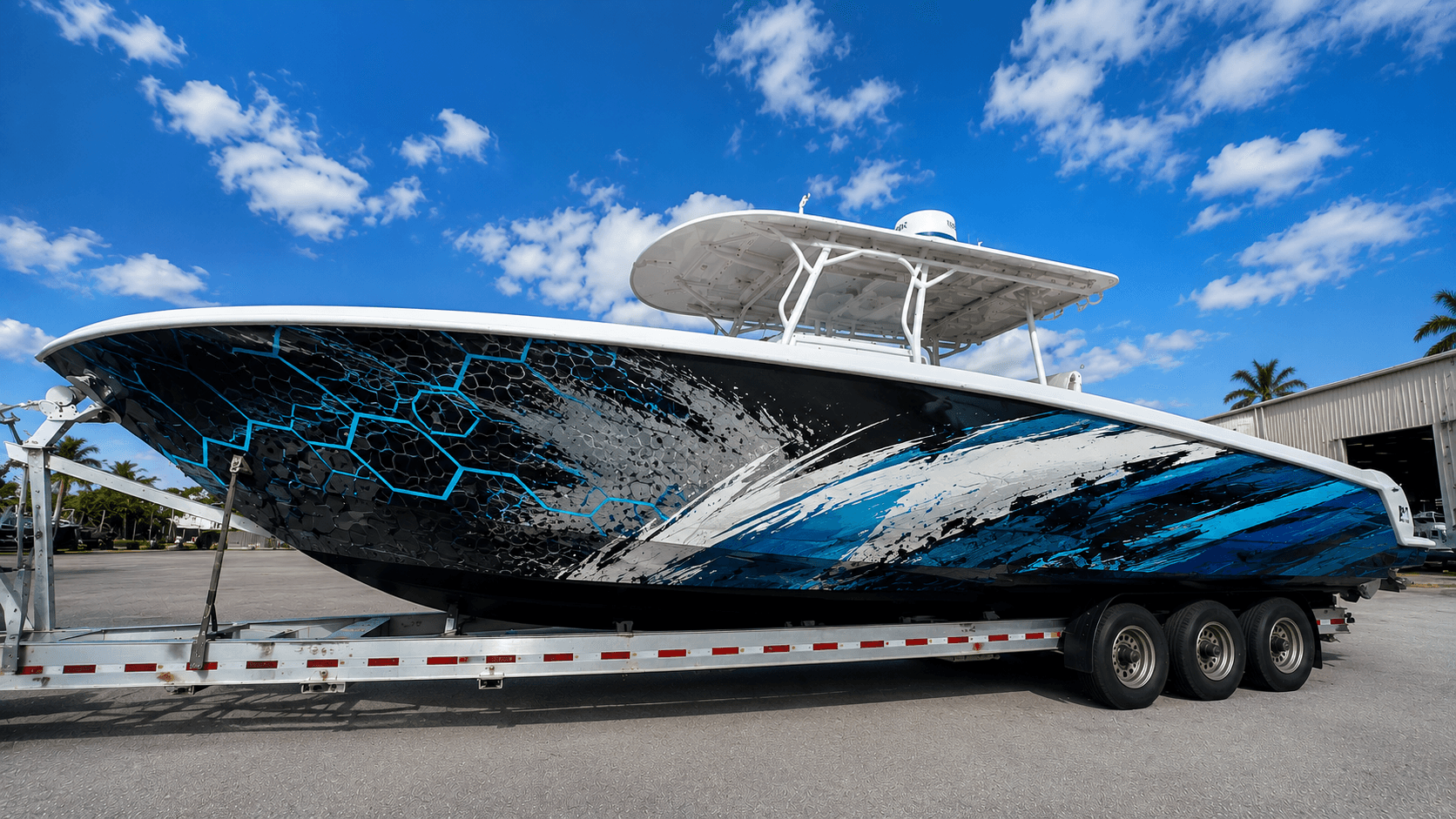
Boat wraps have transformed how Caribbean boat owners protect and customize their vessels. Unlike traditional paint, professional boat wrap installation delivers vibrant graphics, superior durability, and removable flexibility that coastal conditions demand. In the Caribbean environment, where relentless UV rays and salt spray test every surface, quality installation becomes the difference between a wrap that lasts years and one that fails prematurely.
Whether you own a fishing vessel in Tortola, a yacht in St. Maarten, or a speedboat cruising the Bahamas, professional boat wrap service ensures your investment withstands tropical marine conditions. The Caribbean boating culture spans from charter operations to personal yachts, each requiring graphics that perform in demanding marina environments and open-water conditions.
The Caribbean presents unique challenges for boat wrap durability. UV index values consistently exceed 10 during summer months, far exceeding temperate zone exposure. Salt air accelerates corrosion on improperly sealed edges, while high humidity promotes adhesive breakdown if installation lacks proper surface preparation.
Marina conditions vary significantly across the region. Puerto Rico and the US Virgin Islands feature well-maintained facilities with stable power and fresh water for rinsing. Out-island marunas in the Grenadines or remoteanchorages off Dominican Republic shores may offer limited resources, making pre-trip preparation and material selection critical for long-term performance.
Seasonal hurricane preparation affects wrap longevity. Professional installers recommend specific inspection protocols before storm season, including edge sealing verification and tension adjustments for areas experiencing repeated wind exposure. Boat owners in hurricane-prone zones should discuss extended anchoring or dry-stack storage options with their boat wrap installer to optimize wrap lifespan.
Professional boat wrap installation follows a systematic process that ensures durability in marine environments. Understanding each phase helps boat owners prepare for their project and verify quality standards.
Successful boat wrap installation begins with meticulous surface preparation. Technicians compound and polish the gelcoat to remove oxidation, wax residues, and minor imperfections. This step typically requires one to two days for larger vessels, ensuring the vinyl adhesive bonds directly to a clean, smooth substrate. In Caribbean conditions, thorough drying time prevents moisture entrapment that causes lifting.
Custom boat wrap designs undergo digital proofing before production. Clients review color accurate renderings showing the finished result on their specific vessel hull shape. Design revisions occur during this phase, avoiding costly changes after installation begins. OceanWraps utilizes specialized software that accounts for hull curvature and graphics scaling.
Certified installers apply vinyl using techniques specific to marine curvature. Stretching patterns differ between flat hull sections and complex curves around bow rails or transom corners. Post-installation curing time varies by material, but most cast vinyl reaches full adhesion within 48 to 72 hours. During this period, the vessel should remain stationary to prevent edge lift.
Boat wrap quality depends fundamentally on material selection. Professional marine vinyl differs significantly from automotive wrap materials in formulation, adhesive chemistry, and UV stabilization. Understanding options helps owners make informed decisions for Caribbean conditions.
Cast vinyl represents the premium choice for boat wraps. Manufactured through a process that deposits liquid vinyl into a continuous sheet, cast vinyl maintains uniform thickness and conforms to complex curves without stressing the material. This type offers five to seven year lifespan in tropical conditions. Calendared vinyl, while less expensive, tends to shrink over time and performs poorly on hulls with significant curvature.
Matte finishes reduce glare and provide modern aesthetics popular on sport fishing vessels. Gloss finishes maximize color vibrancy and reflect light, enhancing visibility on the water. Textured films simulate carbon fiber or brushed metal, adding tactile dimension to specific graphics areas. Each finish requires specific maintenance approaches in salt-water environments.
Overlaminate protects printed graphics from abrasion, chemical exposure, and UV fading. Professional installers always include laminate in marine applications. Without this protective layer, graphics degrade rapidly under Caribbean sun exposure. Laminate thickness directly correlates with wrap durability, with thicker options preferred for high-traffic areas and bow sections encountering dock contact.
Practical Considerations for Caribbean Boat Wraps#
Surface preparation quality determines adhesive bond strength—never skip compounding and priming
Edge sealing requires specialized marine-grade sealants around all fittings, rails, and through-hulls
How long do boat wraps last in Caribbean conditions?#
Professional marine-grade vinyl wraps typically last five to seven years with proper installation and maintenance. Harsh sun exposure and salt spray may reduce lifespan slightly compared to temperate climates, but quality materials and certified installation overcome most environmental challenges. Annual inspections and prompt edge repairs extend service life considerably.
Can boat wraps be removed without damaging gelcoat?#
When professionally installed, boat wraps remove cleanly without damaging underlying gelcoat. Removal becomes more difficult if adhesive penetrates porous surfaces or if the wrap exceeds manufacturer lifespan recommendations. Professional installers use heat application and specialized adhesive removers that dissolve bond lines without affecting gelcoat integrity.
Do boat wraps require special maintenance in tropical climates?#
Boat wraps benefit from simple maintenance practices common to tropical marine environments. Freshwater rinsing after salt exposure removes corrosive deposits. Gentle cleaning with pH-neutral soap prevents abrasive damage. Avoiding high-pressure washing at edges prevents lifting. Seasonal application of UV-protective maintenance products extends color vibrancy and laminate clarity.
Selecting a qualified boat wrap installer requires verifying both general experience and regional knowledge. Caribbean conditions demand specific material specifications and installation techniques that differ from standard marine graphics work. Professional boat wrap installation in tropical environments requires understanding of UV exposure management, salt-air sealing protocols, and marina-specific regulations across island jurisdictions.
OceanWraps maintains certifications in marine vinyl application and understands the unique demands of Caribbean vessel ownership. From the windward coasts of Martinique to the calm harbors of Cayman, boat owners trust professional installation for graphics that perform. Whether protecting a charter fishing boat or personalizing a luxury yacht, quality wrapping transforms vessel appearance while providing durable surface protection against the elements.
New Boat Prices Are Skyrocketing — Here's the Smarter Move Boat Owners Are Making
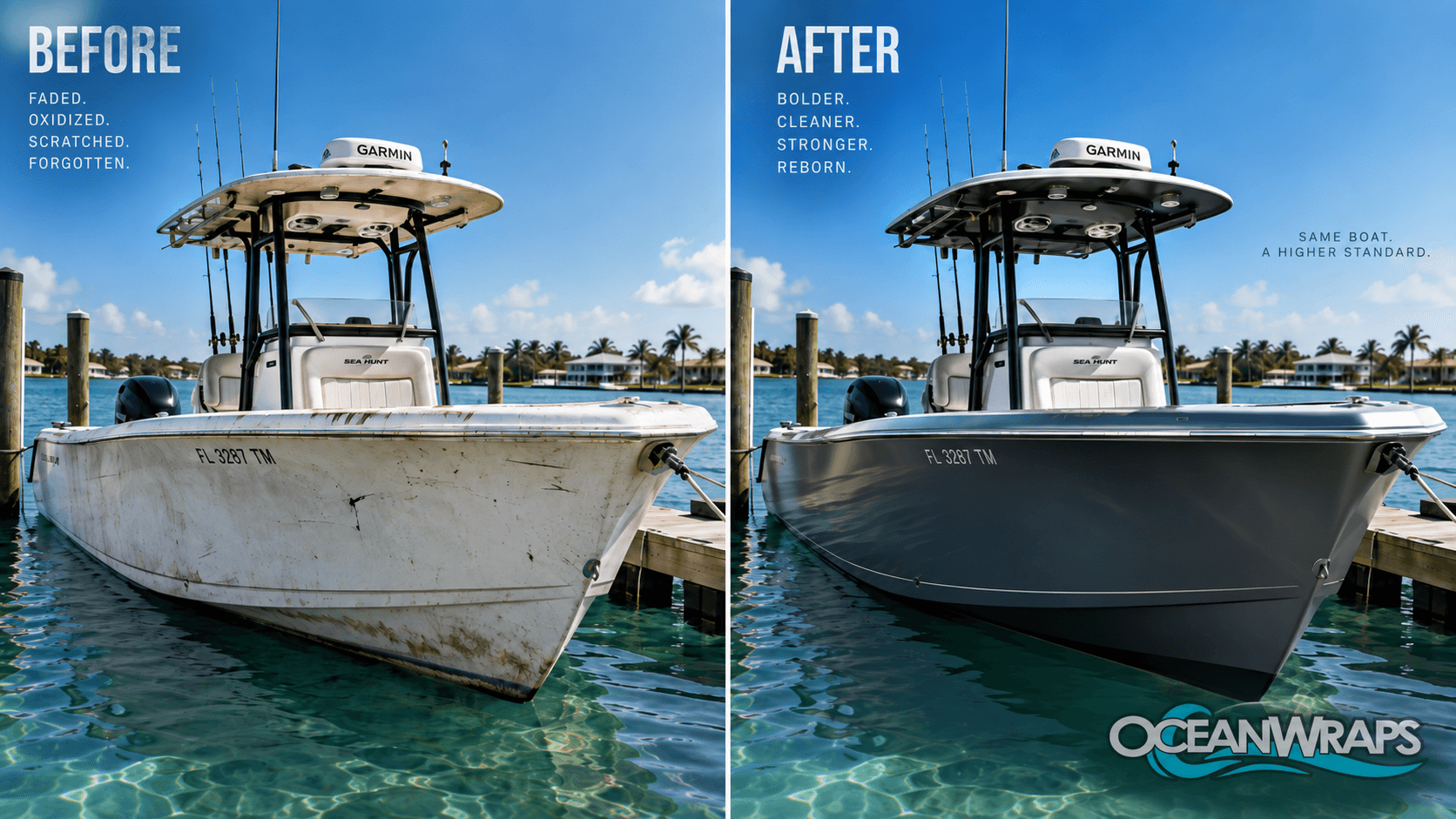
New boat prices are at record highs. Here's why more owners are choosing marine vinyl wraps to refresh their boat's look and protect the hull, without the cost of buying new
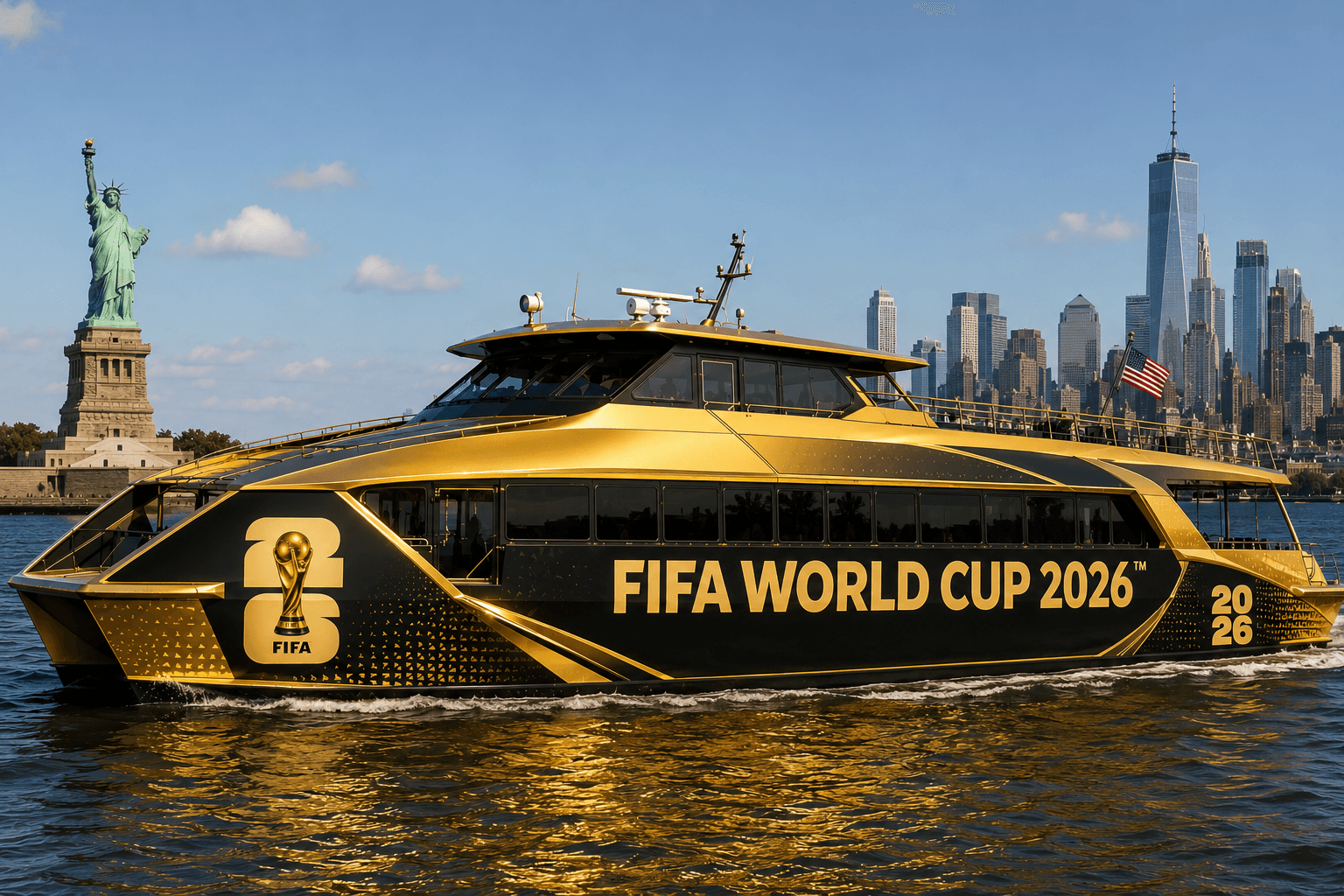
Get your boat ready for FIFA World Cup 2026 with a luxury custom wrap. Stand out on the water with premium marine graphics, gold finishes, and championship-inspired designs.
New Boat Prices Are Skyrocketing — Here's the Smarter Move Boat Owners Are Making
New boat prices are at record highs. Here's why more owners are choosing marine vinyl wraps to refresh their boat's look and protect the hull, without the cost of buying new
Boat Wraps Services
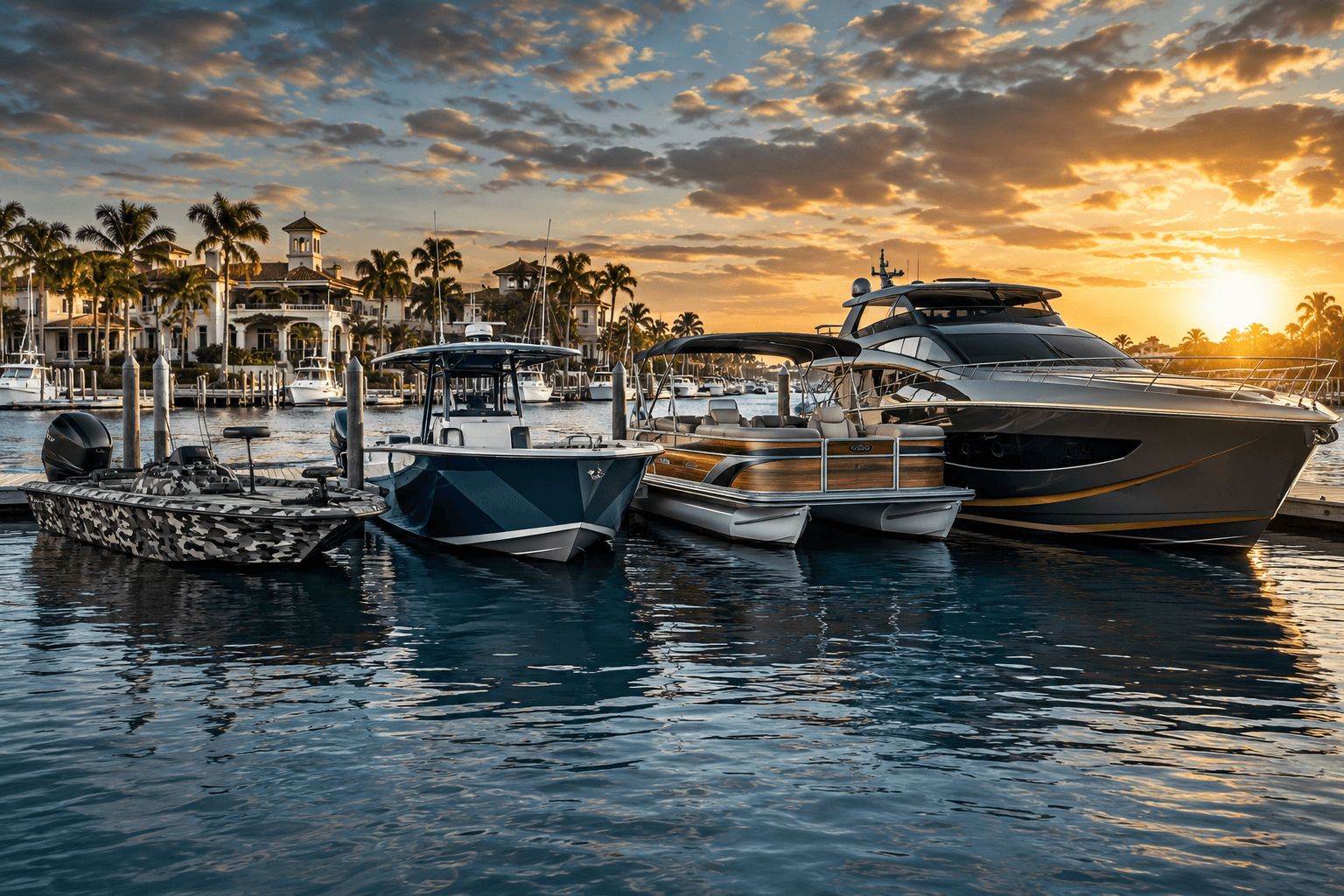
Boat Wrap Designs by Boat Type: What Actually Works on Your Vessel
A wrap that's perfect for a sportfishing boat chasing marlin offshore would look completely out of place on a family pontoon.
Boat Wraps Services
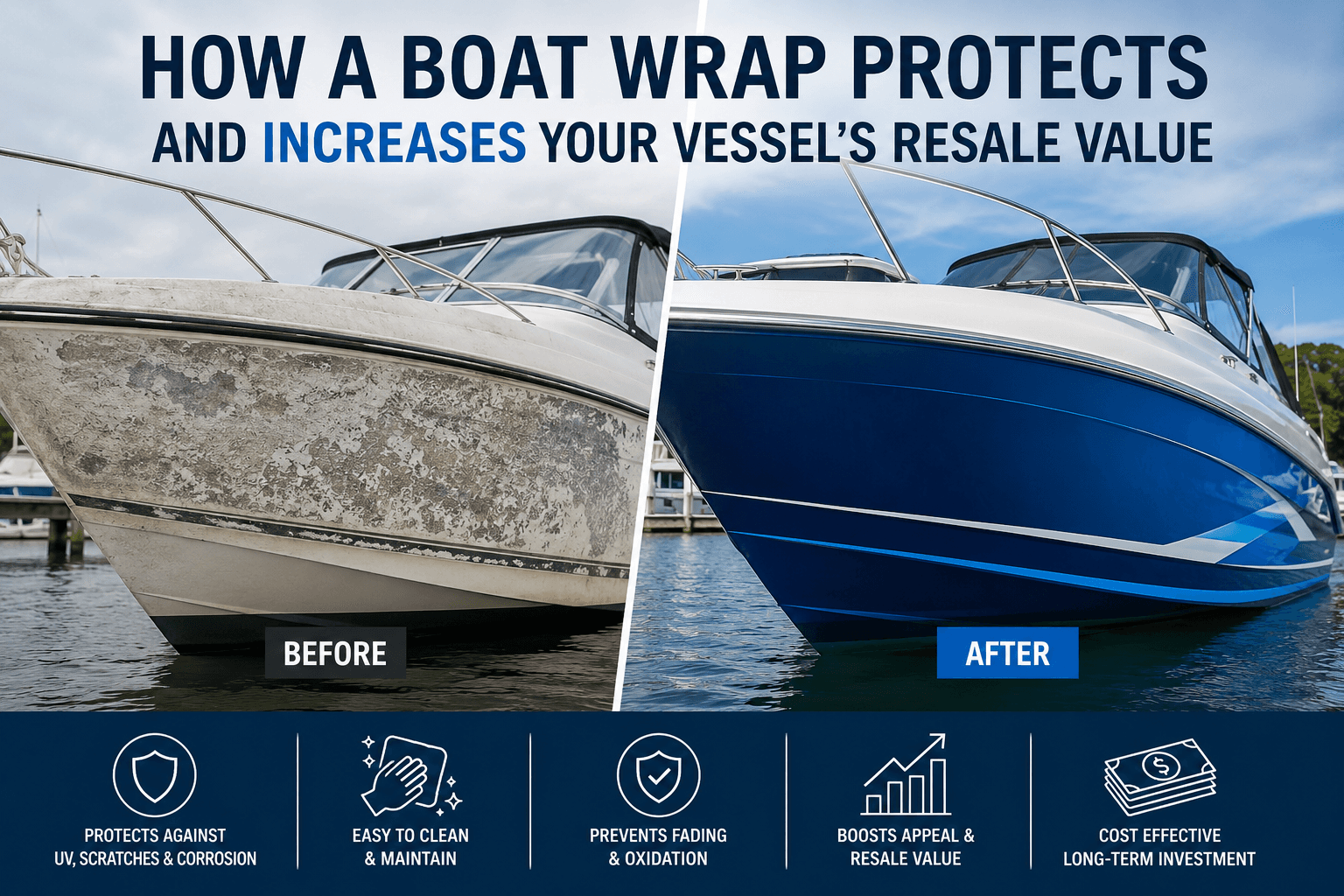
How a Boat Wrap Protects and Increases Your Vessel's Resale Value
How a Boat Wrap Can Protect and Increase Your Vessel's Resale Value
Boat Wraps Services
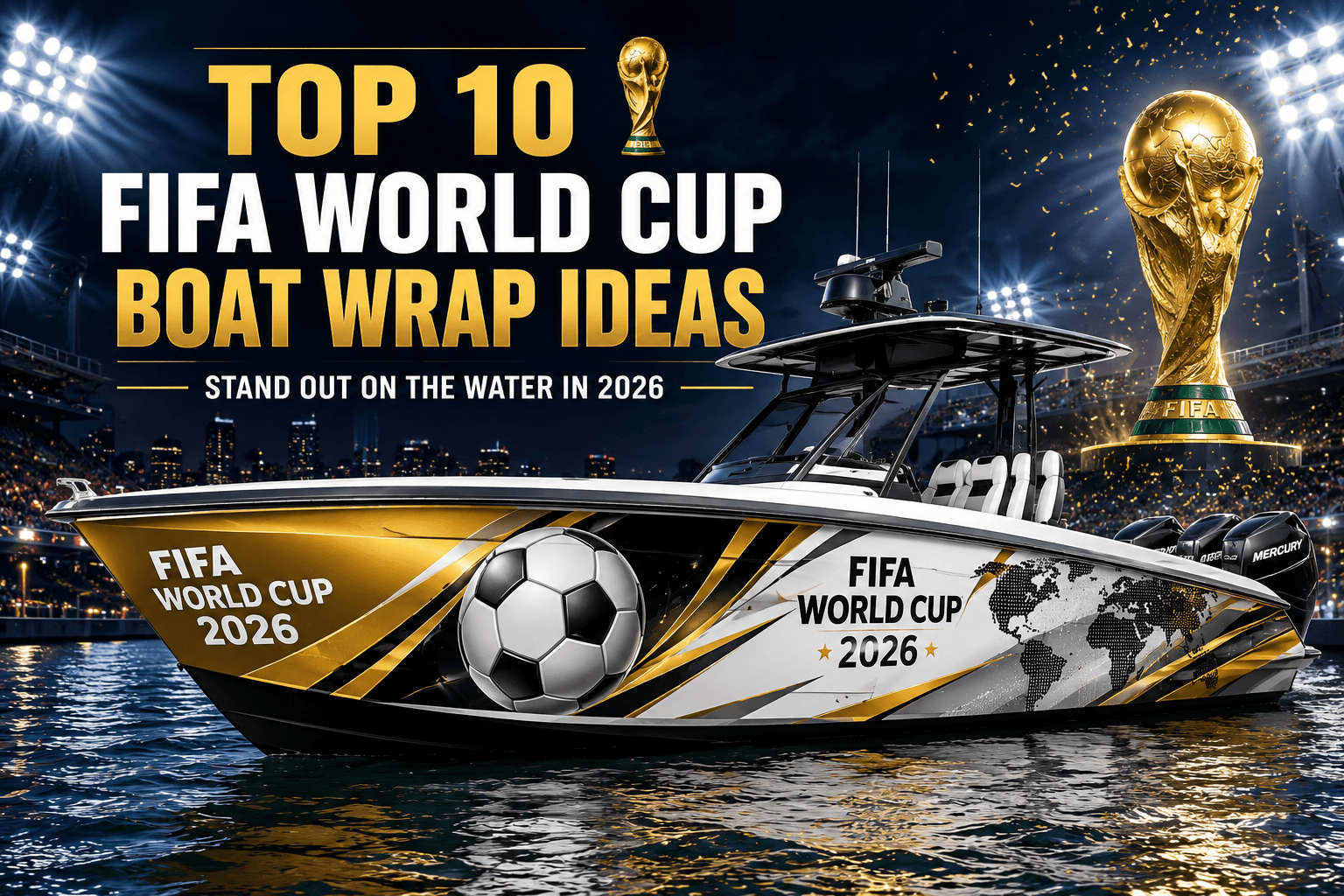
Top 10 FIFA World Cup Boat Wrap Ideas to Try This Season
If you already know you want your boat wrapped for World Cup season, the next question is which design actually fits your vessel.
Boat Wraps Services
Custom Boat Wraps for FIFA World Cup 2026
Get your boat ready for FIFA World Cup 2026 with a luxury custom wrap. Stand out on the water with premium marine graphics, gold finishes, and championship-inspired designs.
Boat Wraps Services
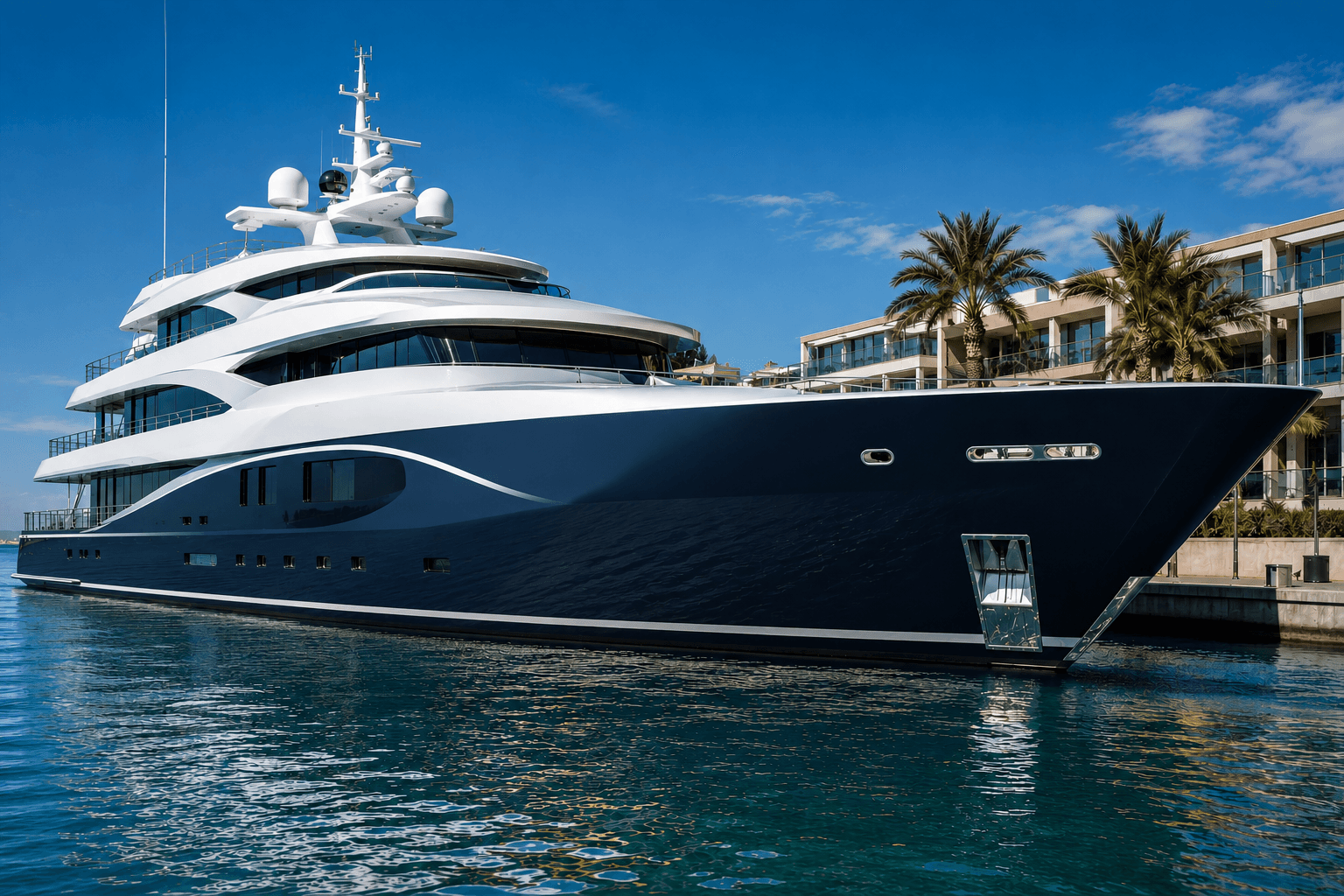
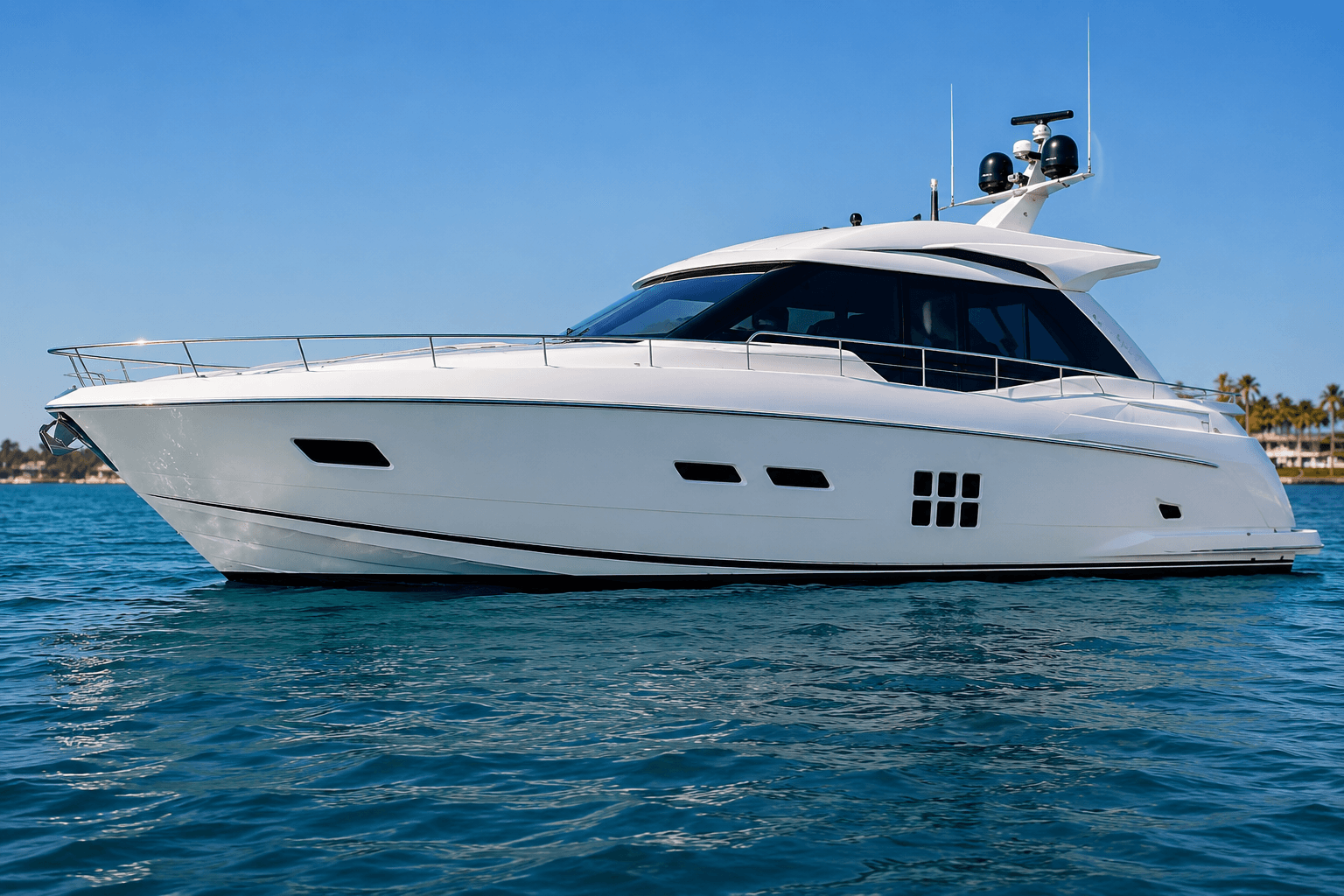
Luxury Yacht Wraps: The Complete Guide to Finishes, Styles, and Custom Marine Vinyl
Ocean Wraps works with luxury yacht and cruiser owners who want professional results, durable materials, and a finish that holds up on the water.
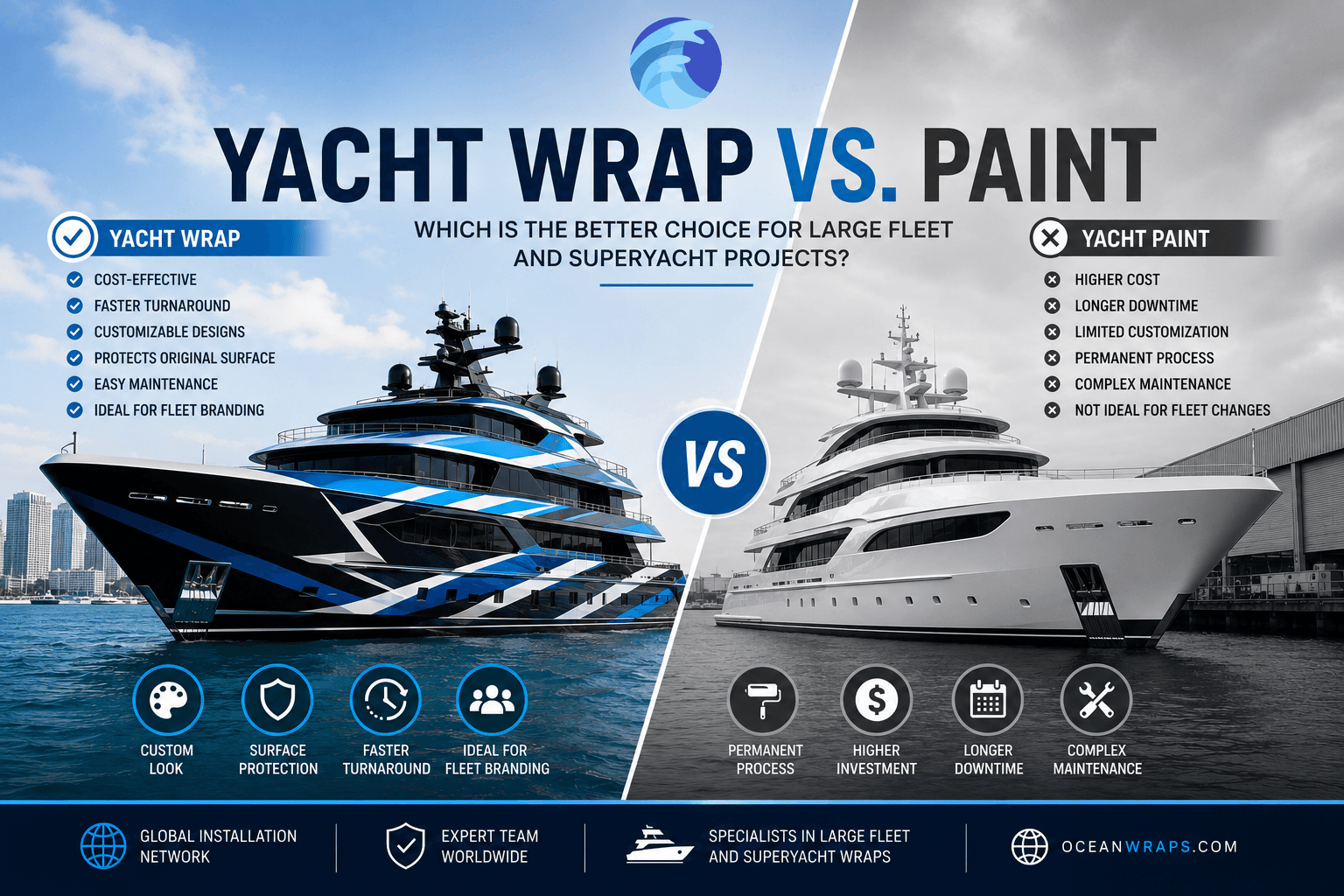
Yacht Wrap vs. Paint for Large Fleet & Superyacht Projects
Deciding between yacht wrap and paint for your fleet or superyacht? We break down real costs, downtime, durability, and which option actually makes sense at scale
How Much Does a Boat Wrap Cost? Complete Pricing Guide for 2026
Boat wrap prices vary widely depending on size, materials, and installer quality. Here's what a professional wrap actually costs in 2026 — and what to watch out for.
Luxury Yacht Wraps: The Complete Guide to Finishes, Styles, and Custom Marine Vinyl
Ocean Wraps works with luxury yacht and cruiser owners who want professional results, durable materials, and a finish that holds up on the water.
Boat Wraps Services
Why Florida Boat Owners Are Choosing Vinyl Boat Wraps in 2026
Discover why Florida boat owners are switching from paint to vinyl boat wraps. Learn the benefits, costs, protection, and customization options.
Guides
Boat Wraps vs Paint: 5 Reasons Why Wraps Win
Boat wraps cost less, install faster, and protect your gel coat better than traditional paint. Here's why so many boat owners are making the switch.
Guides
Yacht Wrap vs. Paint for Large Fleet & Superyacht Projects
Deciding between yacht wrap and paint for your fleet or superyacht? We break down real costs, downtime, durability, and which option actually makes sense at scale
Guides
How Much Does a Boat Wrap Cost? Complete Pricing Guide for 2026
Boat wrap prices vary widely depending on size, materials, and installer quality. Here's what a professional wrap actually costs in 2026 — and what to watch out for.