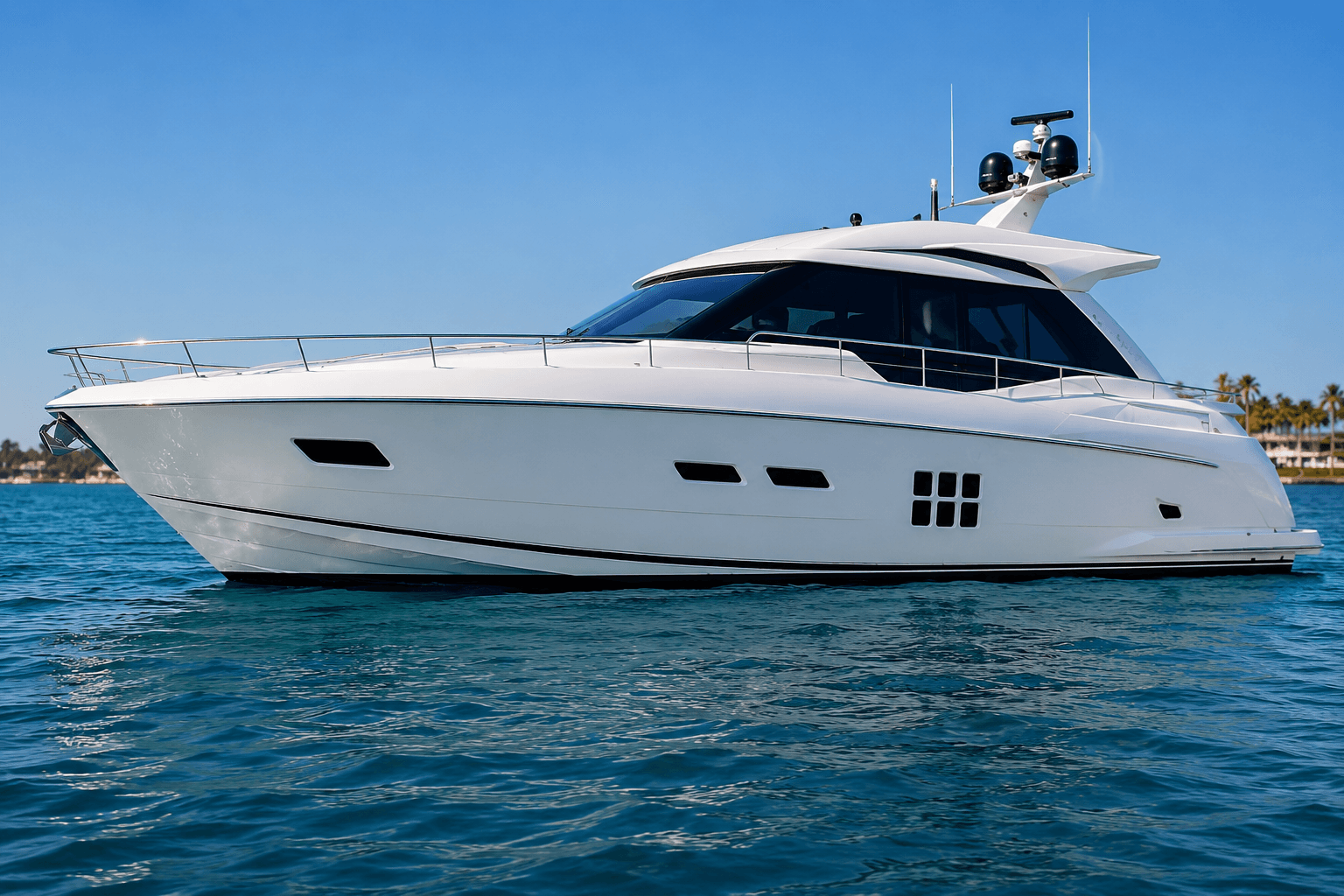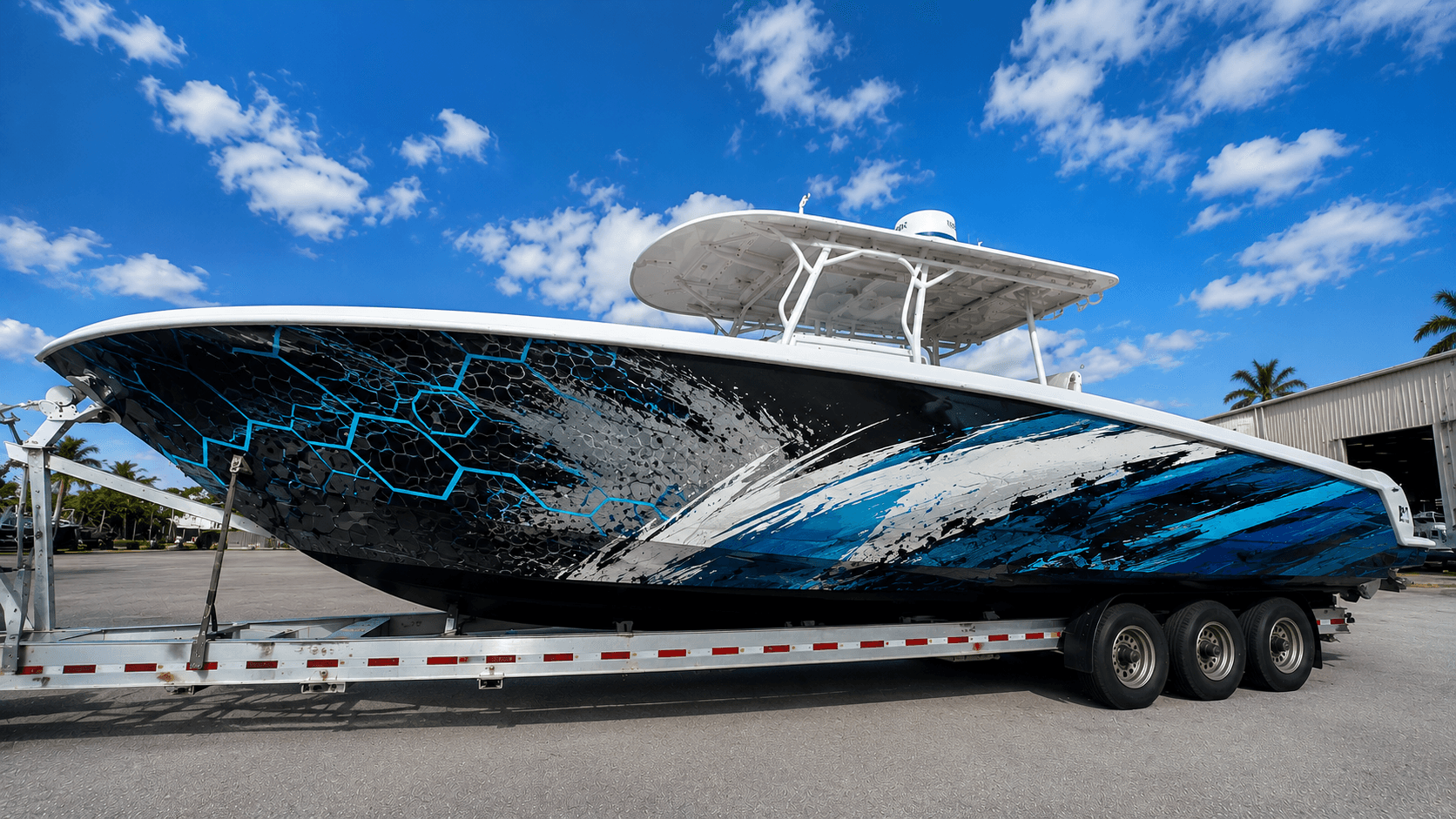
Tenders work harder than most boats. They run guests to shore, get pulled up on beaches, and sit against docks and yacht hulls all day. For crews managing several in the Caribbean, a simple shared maintenance schedule keeps wraps tidy and helps spot issues before guests do.
After every use#
- Rinse with fresh water, if available
- Remove sand from around fittings and in storage areas
- Wipe off sunscreen, fuel, or oil spots quickly
- Check fenders and rub rails for trapped grit
Sunscreen and fuel are easy to overlook. Guests leave handprints on rails and hulls, and these marks can stain or dull film if left too long.
Weekly#
- Wash with a mild, wrap-safe soap and a soft mitt
- Check bow and transom edges for lifting
- Inspect the boarding area, where shoes and gear cause scuffs
- Look for any chafe from tie-up lines
- Check that the cover or chocks aren't rubbing the film
Monthly#
- Check all seams and through-hull edges in good light
- Photograph problem areas from fixed spots and compare with the last month
- Check for fading differences between tenders
- Log repairs or concerns, along with the date and location
- Clean the boat's cover so it doesn't rub grit into the wrap
Each season or refit period#
Do a full review, perhaps at a shipyard period or the end of the charter season. Decide which panels should be repaired and which can wait. Plan any replacements for when the tender can be taken out of service. Also compare the tenders against each other and against the yacht, as color may be starting to drift.
Creating a simple wrap log#
A one-page log saves a lot of guesswork, especially with crew turnover. For each tender, record:
- Film and overlaminate product names, and the installer's details
- Date of installation and any warranty terms
- Approved cleaning products
- Damage reports, with dated photos
- Repair history and any spare film held on board
Store a digital copy as well as a paper one, so that a new engineer or first officer can pick up where the last one left off.
Training the crew#
Everyone who touches the tender should know a few basics: no abrasive pads, no strong solvents, no pressure washers near edges, and no boots or bags dragged across the film. New crew should know who to tell about damage. Clear reporting matters more than perfection, as small problems are much easier to handle when they are found early.
Beach landings and hard use#
Sand can act as an abrasive, so limit bow contact if you can, and rinse after each landing. If a tender gets beached regularly, consider leaving the most exposed area unwrapped or adding a suitable protective film. Our guide to paint protection film explains the difference between a decorative layer and a protective one.
Frequently asked questions#
What if we can't always rinse with fresh water?#
Prioritize edges, seams, and sun-exposed panels when water is limited, then do a full wash when you have shore supply.
Which products should crew avoid?#
Avoid abrasive compounds, strong solvents, and anything not approved for the film. Check with your installer before introducing a new product.
Can you help plan a fleet program?#
Yes. Share your fleet details on our Caribbean boat wraps page.