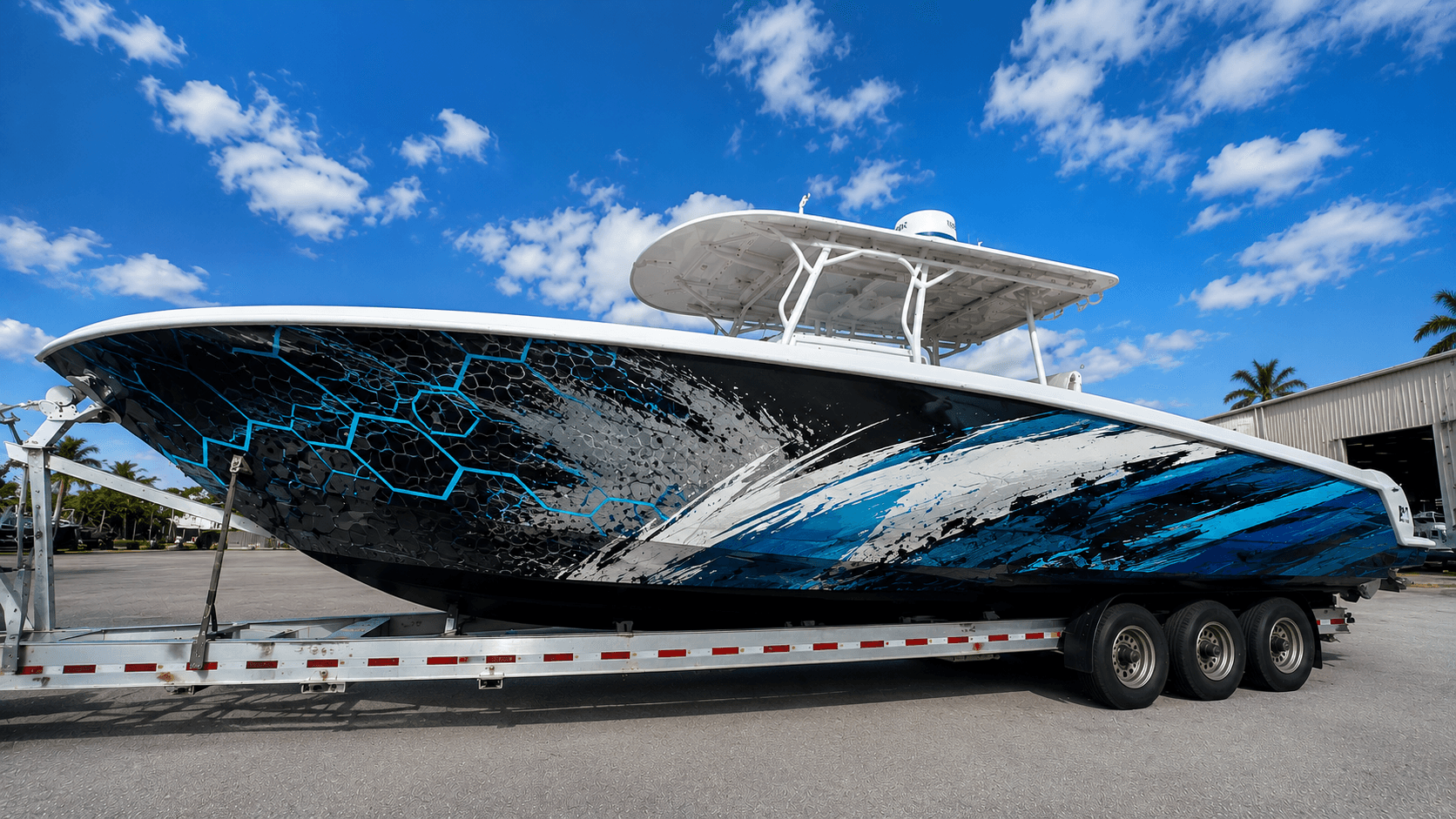
Professional boat wraps for commercial fishing fleets. Durable marine vinyl graphics for hull branding, UV protection, and long-term visibility. Process overvie
Last updated March 8, 2026
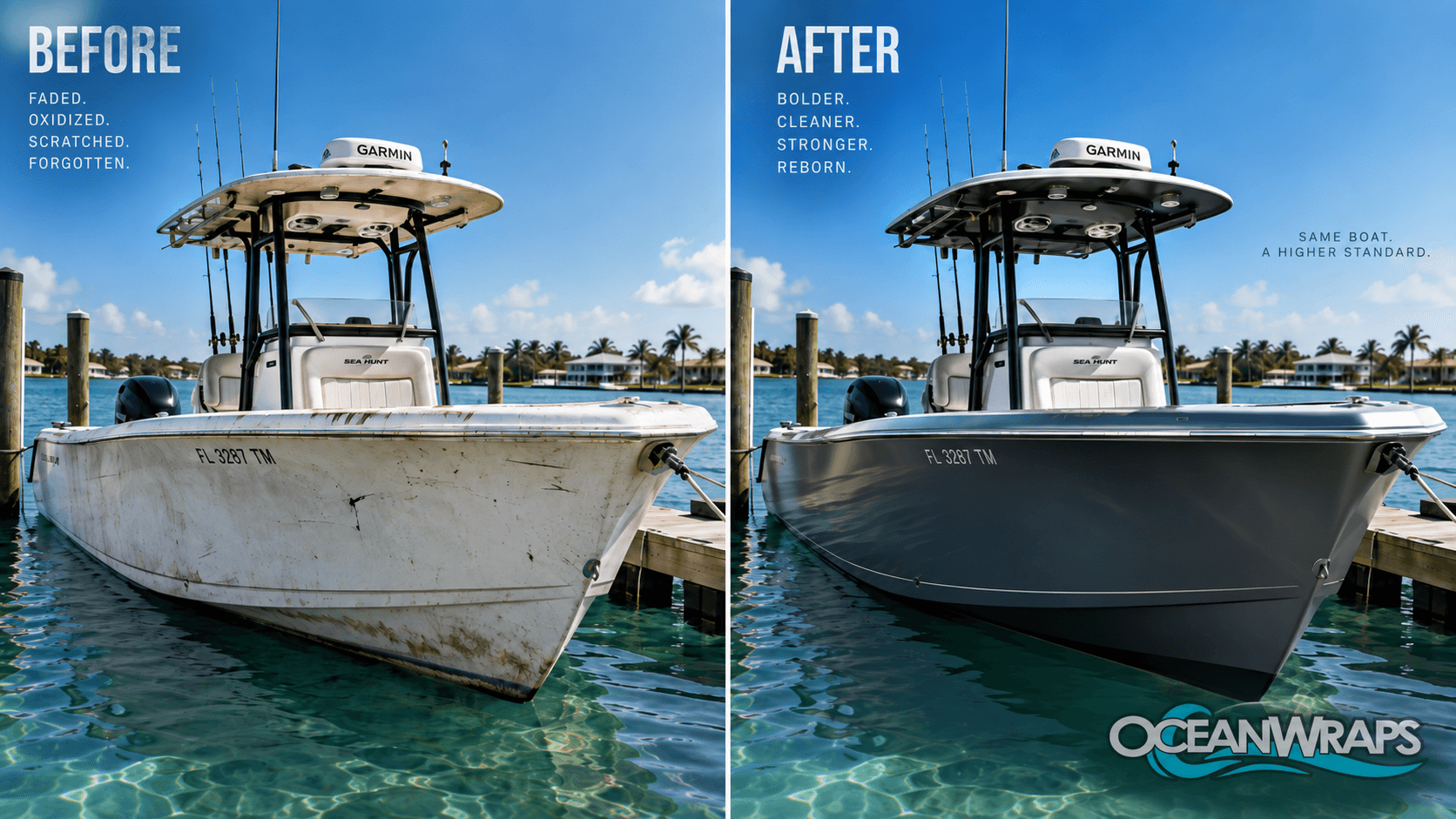
Boat wraps for a commercial fishing operation, your vessel is a mobile billboard and a hard-working tool. A custom boat wrap serves both functions, transforming your hull and topside into a high-impact branding platform while providing a protective layer. Unlike generic decals or paint, a professionally designed and installed marine vinyl wrap is engineered for the punishing saltwater environment, offering superior durability and UV resistance. At Ocean Wraps, we specialize in graphics solutions built for the working waterfront, where aesthetics must meet uncompromising practicality.
The commercial fishing environment is a perfect storm of sun, salt, spray, and physical contact. A quality boat wrap for this application must be more than visually striking; it must be a resilient component of the vessel itself. The right graphics withstand constant UV exposure without fading, resist salt corrosion, and handle the bumps and scrapes inherent to daily operations. This durability ensures your branding investment remains legible and professional for years, communicating stability and reliability to clients and partners every time your vessel is seen.
Consistent branding across multiple vessels transforms individual boats into a unified fleet. This creates powerful visual equity. Whether your boats are tied up at the marina, offloading at the processor, or underway, cohesive graphics build immediate recognition. This isn't just about logos; it's about projecting scale, professionalism, and a trusted identity in a competitive market. A well-marked fleet is inherently more memorable for seafood buyers, charter clients, and regulatory bodies alike.
The base material is a cast vinyl, specifically formulated for marine environments. Unlike cheaper calendared vinyl, cast film has superior conformability to complex hull curves and better long-term dimensional stability, resisting shrinkage and lifting at edges. Its inherent plasticity allows it to stretch and adhere to challenging contours without cracking or peeling.
A clear, glossy, or matte laminate is liquid-applied or laminated over the printed graphics. This layer is non-negotiable for commercial work. It provides the primary defense against UV rays, salt, chemical exposure, and physical abrasion from fenders, docks, and gear. The laminate locks in the ink, preventing fading, and creates a smooth, washable surface.
The vessel's gelcoat or painted surface must be impeccably clean, dewaxed, and free of oxidation, old graphics, or contaminants. Any repairs should be completed beforehand. This stage also involves a detailed survey of the hull and topside to plan panel seams and address complex curvature. Practical considerations like current marina rules for on-site work or the need for indoor storage during application are confirmed.
Graphics are designed or adapted for large-scale format, ensuring critical elements like vessel names, numbers, and logos are positioned correctly around hardware and hull features. The final design is printed with UV-resistant inks on the marine cast vinyl.
Trained installers apply the vinyl panels using specialized tools, heat, and slip solutions to manage large sections, work out air, and ensure perfect conformity to the hull's shape. Precision edge sealing is crucial, particularly near the waterline and on all trim edges, to prevent saltwater intrusion.
Once installed, the wrap is inspected and any necessary post-heating is done to activate adhesive fully. The client receives clear care instructions, recommending specific wash practices with non-abrasive cleaners to maintain the laminate's integrity and avoid damage from pressure washers.
Surface Condition: Existing gelcoat must be sound. Heavy oxidation, cracks, or peeling paint must be remedied before wrap application, as the vinyl will not hide surface imperfections.
Edge Sealing: All cut edges, especially around through-hulls, rails, and the transom, must be meticulously sealed during installation to prevent water migration underneath the film.
Hull Curvature: The dramatic curve of a planning hull requires expert material handling to avoid wrinkles or excessive stretching, which can affect color consistency and longevity.
Marina Regulations: Many marinas have rules about commercial work, power access, and containment of application fluids. Scheduling and site logistics must be planned accordingly.
Wash Practices: Use soft cloths and marine-specific, non-solvent cleaners. Avoid directed high-pressure spray directly on graphic edges, as it can force water underneath.
With proper materials, installation, and care, a marine vinyl wrap on a commercial fishing vessel can retain its appearance and adhesion for 5 to 7 years. Lifespan is influenced by sun exposure, maintenance, and operational wear.
The substrate must be clean and firmly adhered. Loose, flaking, or cracked old layers must be completely removed. A stable, smooth surface is required for the new vinyl to bond correctly and last.
Properly installed and removed marine vinyl should not damage intact gelcoat. In fact, it protects the surface from UV degradation. Removal is a skilled process using heat and proper techniques to minimize adhesive residue.
Lead time varies by vessel size and design complexity. It encompasses design approval, material procurement, printing, and scheduling the installation window, which itself can take several days for a full hull and topside application.
New Boat Prices Are Skyrocketing — Here's the Smarter Move Boat Owners Are Making
New boat prices are at record highs. Here's why more owners are choosing marine vinyl wraps to refresh their boat's look and protect the hull, without the cost of buying new
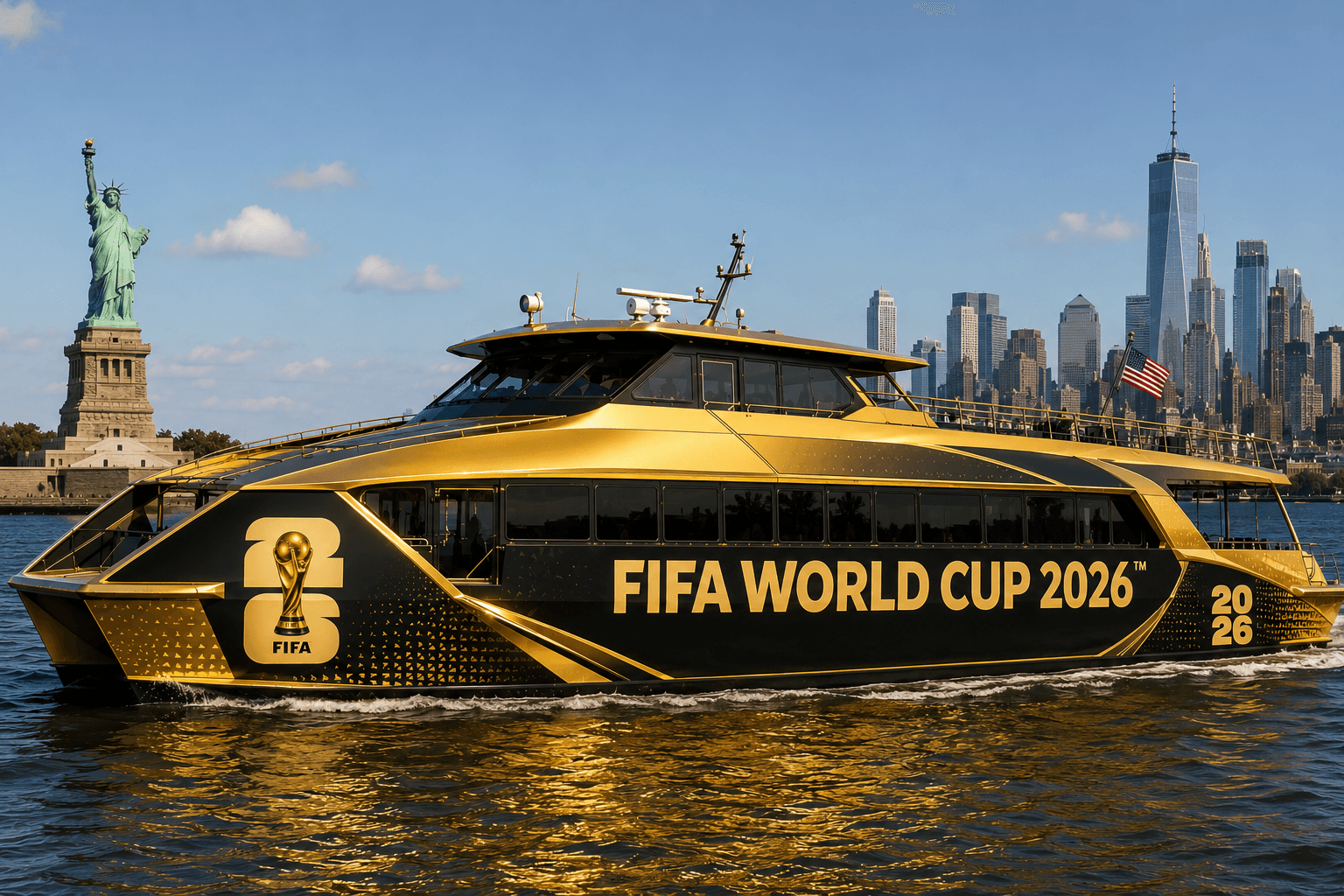
Get your boat ready for FIFA World Cup 2026 with a luxury custom wrap. Stand out on the water with premium marine graphics, gold finishes, and championship-inspired designs.
New Boat Prices Are Skyrocketing — Here's the Smarter Move Boat Owners Are Making
New boat prices are at record highs. Here's why more owners are choosing marine vinyl wraps to refresh their boat's look and protect the hull, without the cost of buying new
Boat Wraps Services
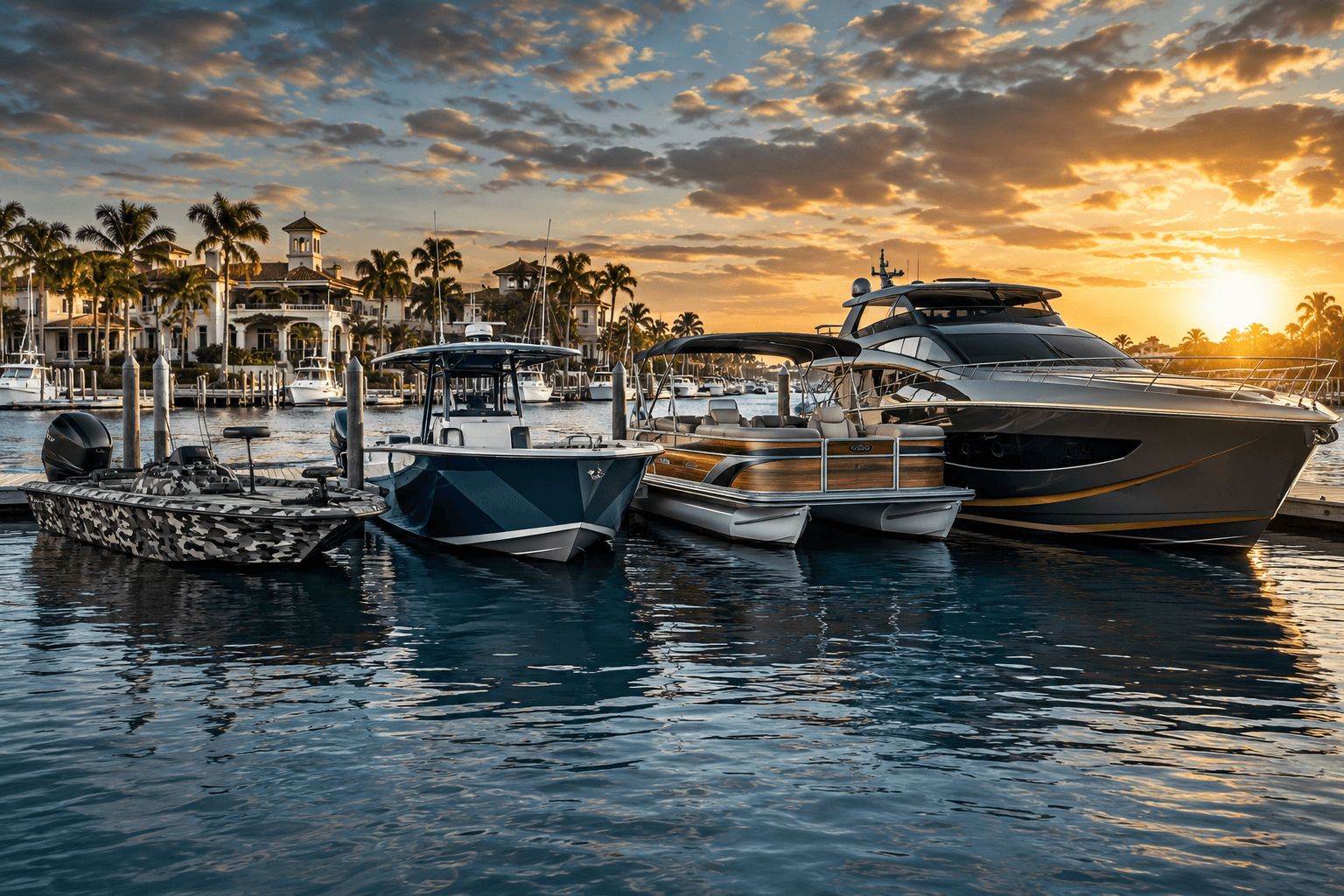
Boat Wrap Designs by Boat Type: What Actually Works on Your Vessel
A wrap that's perfect for a sportfishing boat chasing marlin offshore would look completely out of place on a family pontoon.
Boat Wraps Services
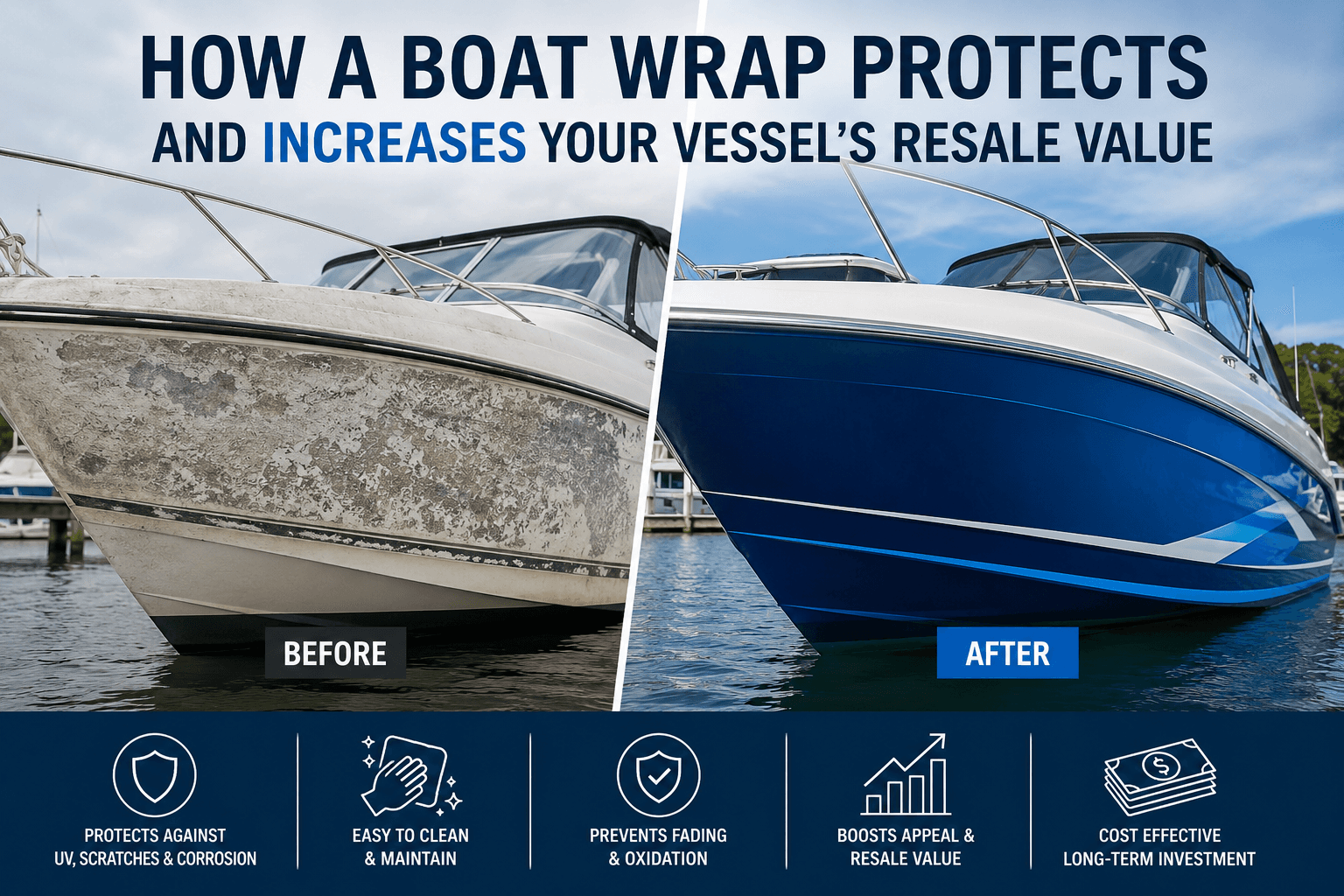
How a Boat Wrap Protects and Increases Your Vessel's Resale Value
How a Boat Wrap Can Protect and Increase Your Vessel's Resale Value
Boat Wraps Services
Top 10 FIFA World Cup Boat Wrap Ideas to Try This Season
If you already know you want your boat wrapped for World Cup season, the next question is which design actually fits your vessel.
Boat Wraps Services
Custom Boat Wraps for FIFA World Cup 2026
Get your boat ready for FIFA World Cup 2026 with a luxury custom wrap. Stand out on the water with premium marine graphics, gold finishes, and championship-inspired designs.
Boat Wraps Services
Luxury Yacht Wraps: The Complete Guide to Finishes, Styles, and Custom Marine Vinyl
Ocean Wraps works with luxury yacht and cruiser owners who want professional results, durable materials, and a finish that holds up on the water.
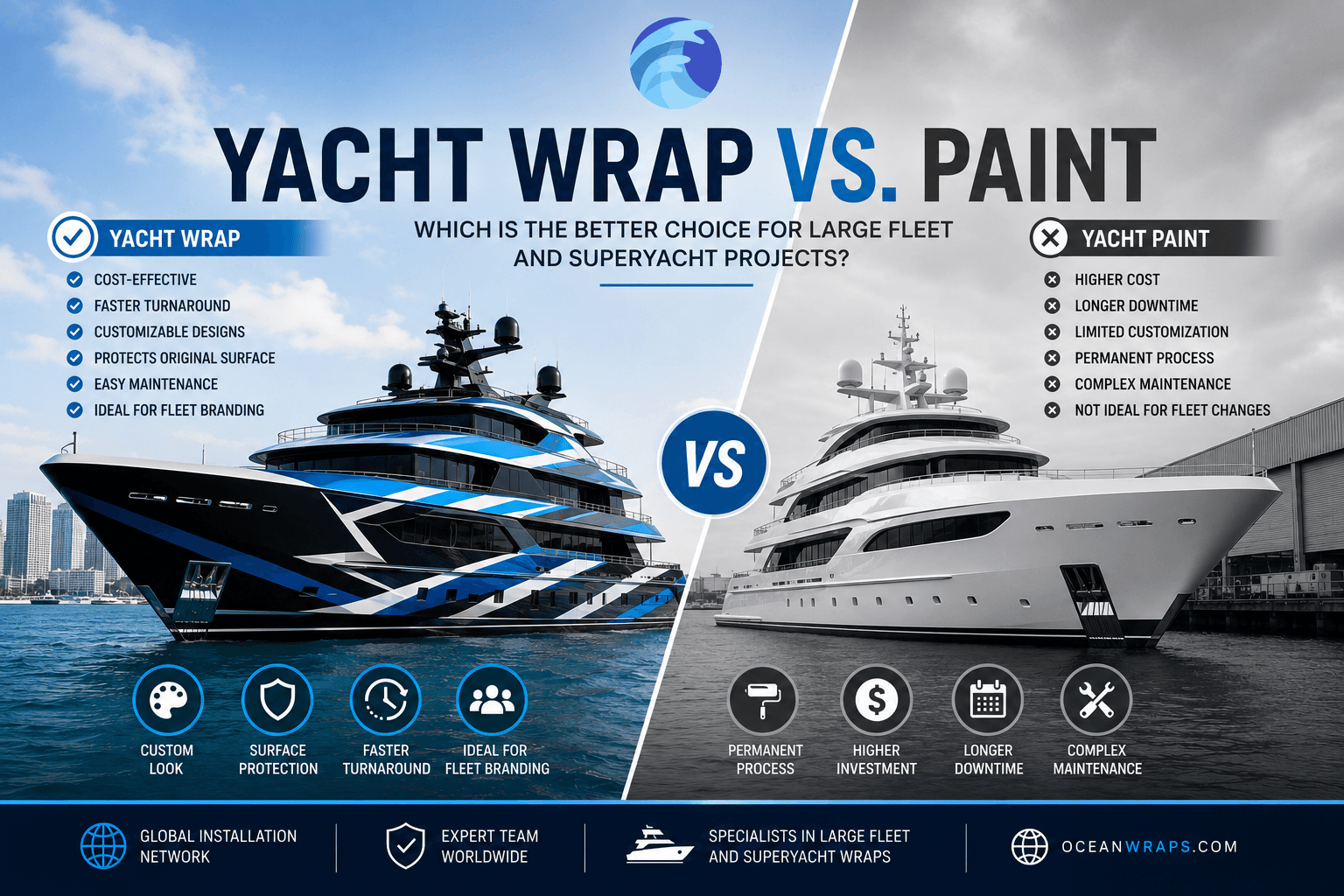
Yacht Wrap vs. Paint for Large Fleet & Superyacht Projects
Deciding between yacht wrap and paint for your fleet or superyacht? We break down real costs, downtime, durability, and which option actually makes sense at scale
How Much Does a Boat Wrap Cost? Complete Pricing Guide for 2026
Boat wrap prices vary widely depending on size, materials, and installer quality. Here's what a professional wrap actually costs in 2026 — and what to watch out for.
Luxury Yacht Wraps: The Complete Guide to Finishes, Styles, and Custom Marine Vinyl
Ocean Wraps works with luxury yacht and cruiser owners who want professional results, durable materials, and a finish that holds up on the water.
Boat Wraps Services
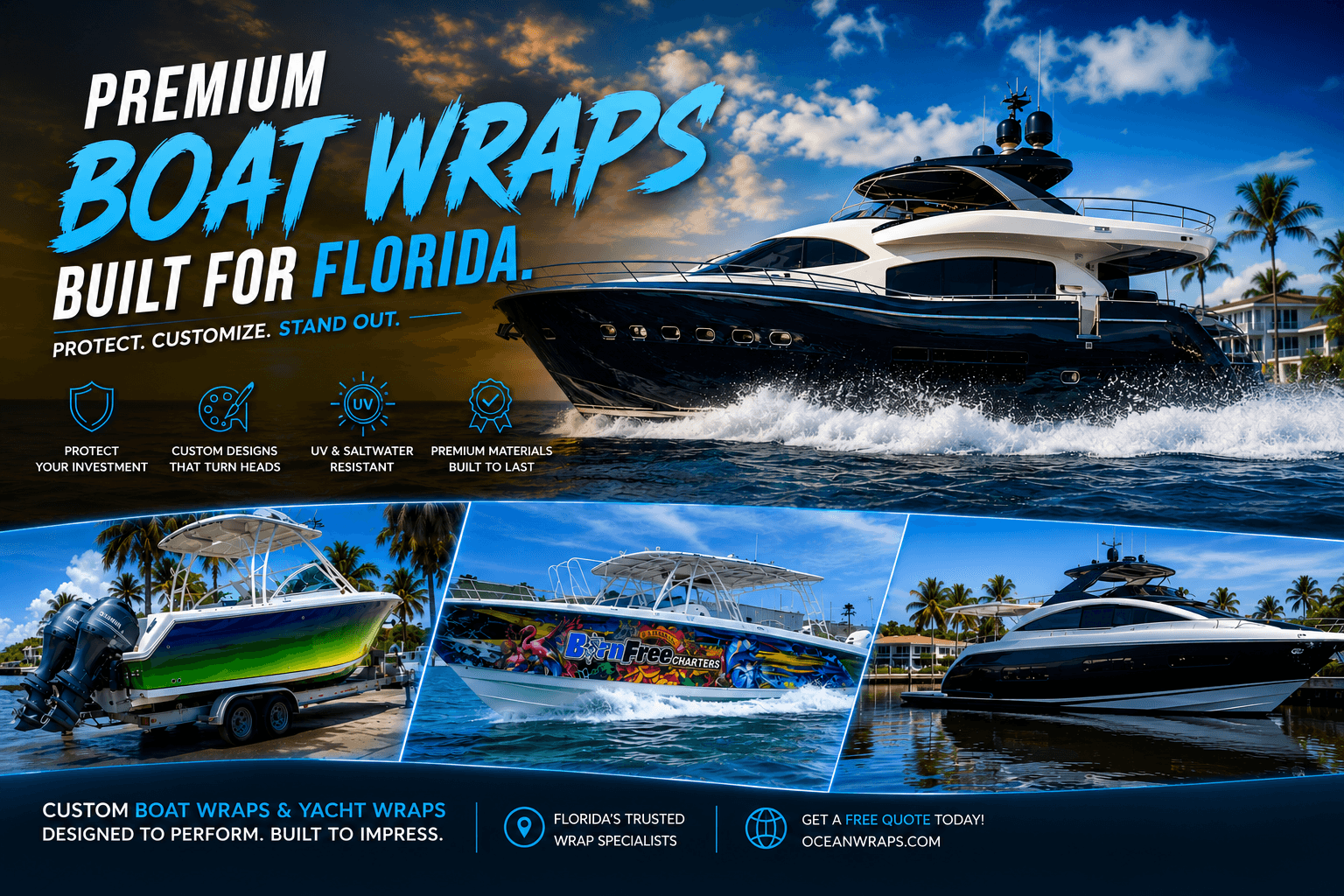
Why Florida Boat Owners Are Choosing Vinyl Boat Wraps in 2026
Discover why Florida boat owners are switching from paint to vinyl boat wraps. Learn the benefits, costs, protection, and customization options.
Guides
Boat Wraps vs Paint: 5 Reasons Why Wraps Win
Boat wraps cost less, install faster, and protect your gel coat better than traditional paint. Here's why so many boat owners are making the switch.
Guides
Yacht Wrap vs. Paint for Large Fleet & Superyacht Projects
Deciding between yacht wrap and paint for your fleet or superyacht? We break down real costs, downtime, durability, and which option actually makes sense at scale
Guides
How Much Does a Boat Wrap Cost? Complete Pricing Guide for 2026
Boat wrap prices vary widely depending on size, materials, and installer quality. Here's what a professional wrap actually costs in 2026 — and what to watch out for.