Custom Boat Wraps for Commercial Fishing Vessels: Durability & Marking
Durable, compliant custom boat wraps for commercial fishing fleets. Solutions for hull graphics, regulatory markings, and long-term UV resistance in harsh marin
Last updated February 23, 2026
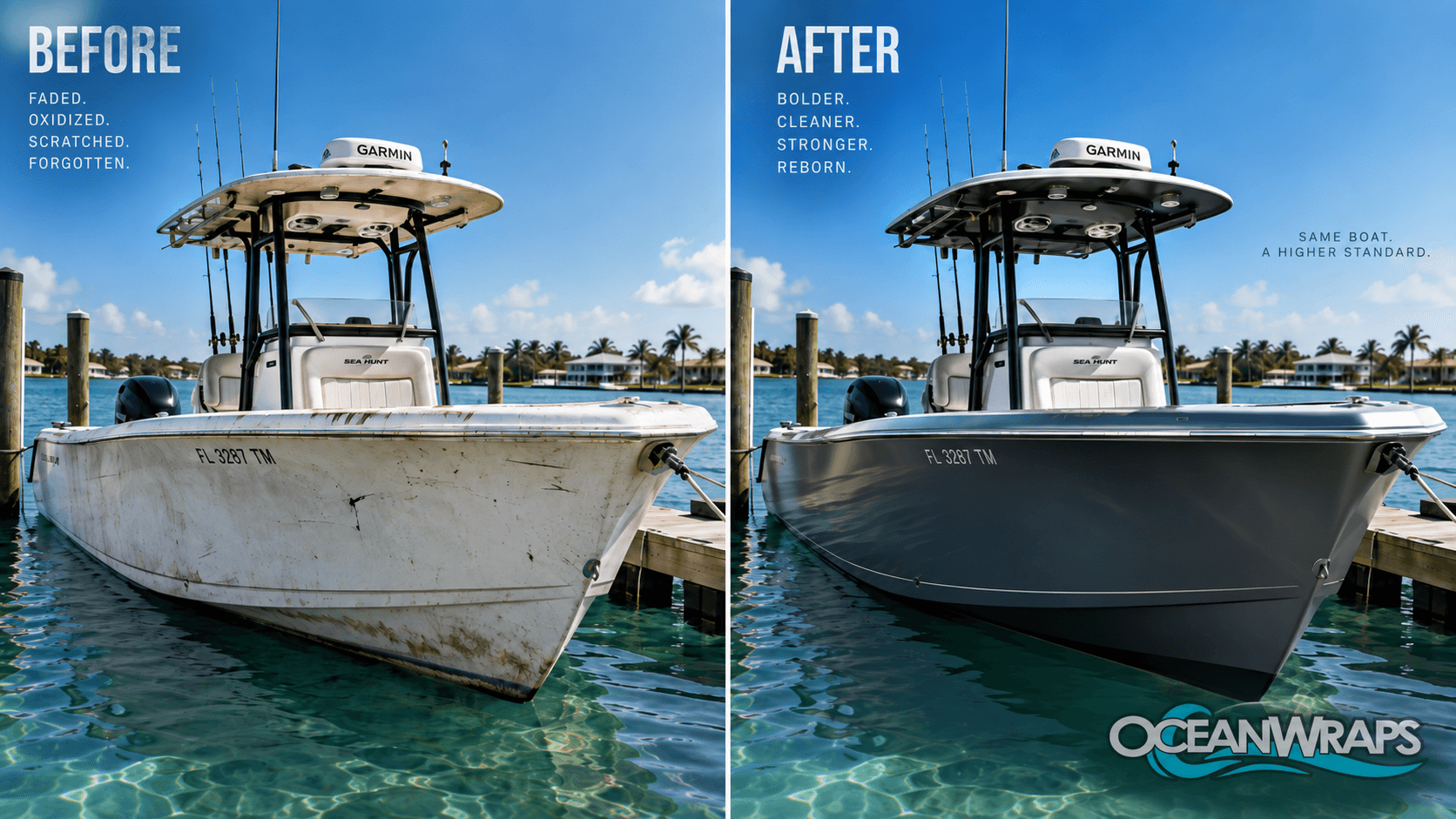
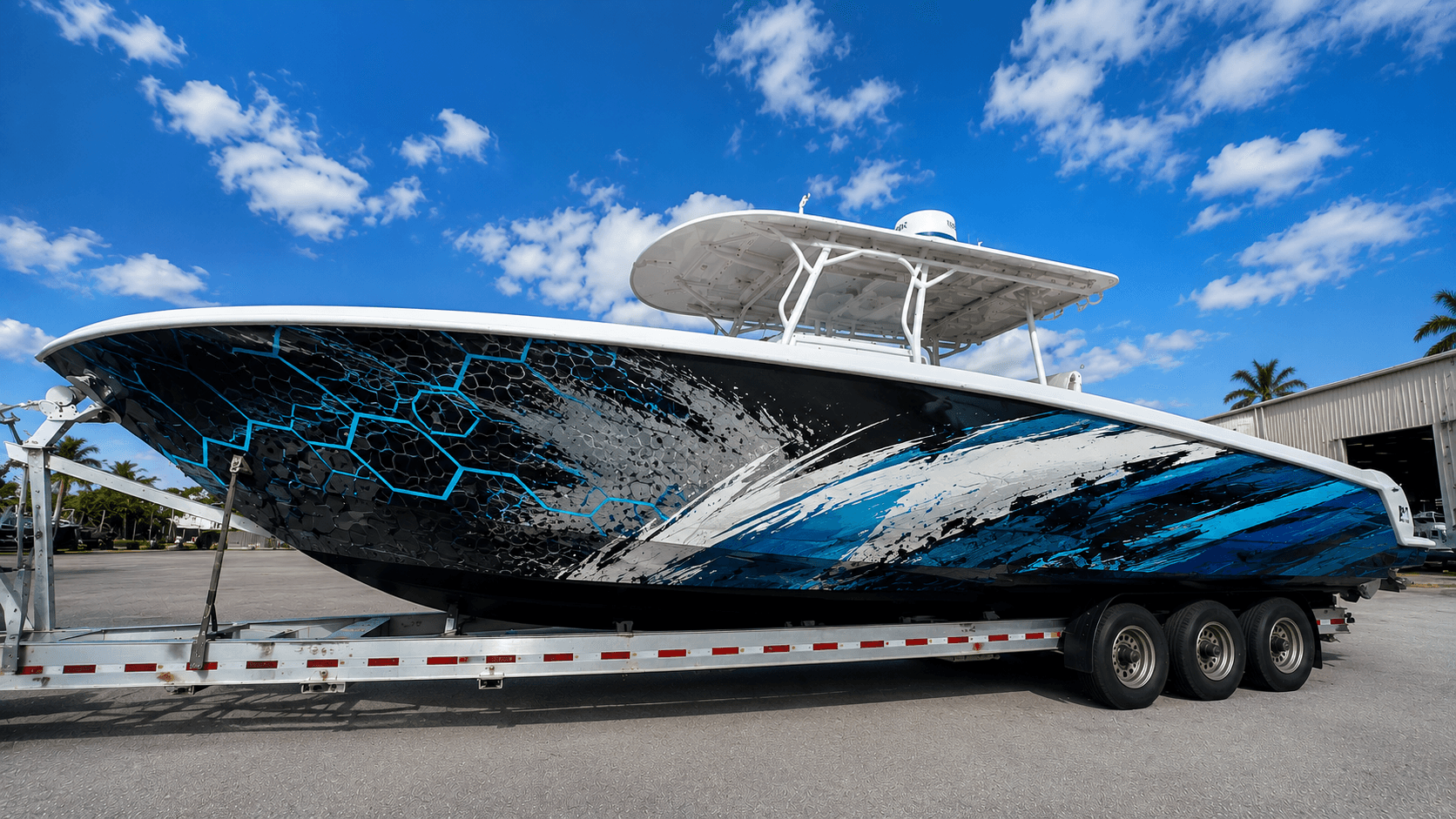
Boat wraps for commercial fishing operations, vessel graphics serve a critical dual purpose: they must ensure regulatory compliance and withstand punishing marine environments. Standard paint and decals often degrade quickly, leading to frequent, costly reapplications. A professionally installed, custom boat wrap is a strategic asset, providing durable, long-lasting identification and markings specifically engineered for saltwater, sun, and physical wear. Ocean Wraps specializes in solutions that meet the unique demands of commercial fishing vessels, from the hull to the topside.
Commercial-grade marine vinyl wraps offer superior durability and UV resistance compared to many painted surfaces, especially on older gelcoat.
Precise application of permanent graphics ensures compliance with USCG and state regulations for vessel names and numbers.
A full wrap protects the underlying gelcoat from sun degradation and minor abrasions, potentially extending hull life.
Strategic design can incorporate high-visibility safety markings and company branding for a professional fleet appearance.
Proper surface prep and professional installation are non-negotiable for achieving a multi-year lifespan in commercial use.
The Demands on Commercial Fishing Vessel Graphics#
Graphics on a working vessel face constant assault. UV radiation bleaches colors, saltwater corrodes edges, and physical contact with docks, gear, and catch leads to abrasion. Furthermore, regulatory bodies mandate specific marking sizes, contrasts, and placements. A failing graphic is not just a cosmetic issue; it can result in compliance violations. A high-performance vinyl wrap system is engineered to address these challenges directly, using materials with tested weatherability and installation techniques that ensure adhesion and integrity.
Understanding why standard markings fail informs a better solution. Poor adhesion leads to peeling, especially on curved surfaces. Low-quality materials crack and fade. Incorrect edge sealing allows saltwater intrusion. Our process at Ocean Wraps is designed to counteract these points through meticulous preparation, premium materials, and expert finishing.
The longevity of your vessel's graphics depends on the material specification. We use commercial marine-grade vinyl films and protective laminates selected for the application environment.
Cast vinyl is the standard for long-term marine applications. Its manufacturing process allows it to conform seamlessly to complex curves and textured surfaces, like a boat hull, without cracking or lifting. It possesses inherent dimensional stability and superior UV resistance. The adhesive is formulated for long-term bonding to marine substrates like gelcoat and fiberglass.
A clear, polyurethane laminate is typically applied over the printed vinyl graphics. This laminate acts as a sacrificial shield, providing additional resistance to abrasion, chemicals, and UV fading. It is essential for maintaining graphic integrity in high-wear areas and is a key component in achieving a multi-year lifespan.
This is the most critical step for durability. The hull and topside surfaces must be thoroughly cleaned, de-waxed, and de-greased. Any existing failing paint or decals is removed, and the gelcoat is lightly sanded and leveled to create a perfectly clean, smooth, and sound substrate for maximum vinyl adhesion.
Graphics are designed to your specifications, incorporating required regulatory markings. Designs are printed with high-fidelity, UV-stable inks on the selected marine vinyl. The material is then precisely contour-cut and laminated for protection.
Trained installers apply the vinyl using specialized tools and techniques. They manage large panels, work complex curves, and ensure precise alignment of graphics and lettering. Proper application minimizes seams and prevents trapping air or moisture.
All edges are firmly sealed and post-heated to activate the adhesive fully, creating a watertight bond that prevents edge lifting. Trim lines are finalized for a clean, painted-on appearance.
Surface Condition: Wraps adhere best to sound, rigid substrates. Severely damaged or flexible surfaces may require repair first.
Marina Rules: Coordinate with your marina for dock space and power access during the installation period.
Post-Installation Care: Allow a short curing period before aggressive washing. Use non-abrasive cleaners and avoid high-pressure nozzles directed at wrap edges.
Winter Storage: While durable, covers or tarps that rub constantly on the wrapped surface can cause wear over time.
Warranty & Documentation: Keep a digital file of the final design and all compliance markings for future reference.
How long do commercial fishing boat wraps typically last?#
With professional installation and marine-grade materials, a wrap can last 5 to 7 years or more, even in harsh environments. Lifespan depends on sun exposure, water conditions, and maintenance practices.
Can a wrap be applied over existing paint or old decals?#
It can only be applied over a substrate that is fully adhered, smooth, and non-porous. Loose paint or decal residue must be removed. The installers at Ocean Wraps will assess your hull's condition and recommend necessary prep work.
Are the vessel name and registration markings permanent?#
Yes. The vinyl graphics are a permanent application. When designed to regulatory specifications for size, color, and contrast, they serve as a compliant, durable replacement for traditional painted lettering.
What is the maintenance routine for a wrapped vessel?#
Rinse with fresh water after saltwater use. Wash periodically with a mild, non-abrasive soap and a soft cloth or brush. Avoid abrasive pads, harsh solvents, and sustained high-pressure washing on the wrap edges.
New Boat Prices Are Skyrocketing — Here's the Smarter Move Boat Owners Are Making
New boat prices are at record highs. Here's why more owners are choosing marine vinyl wraps to refresh their boat's look and protect the hull, without the cost of buying new
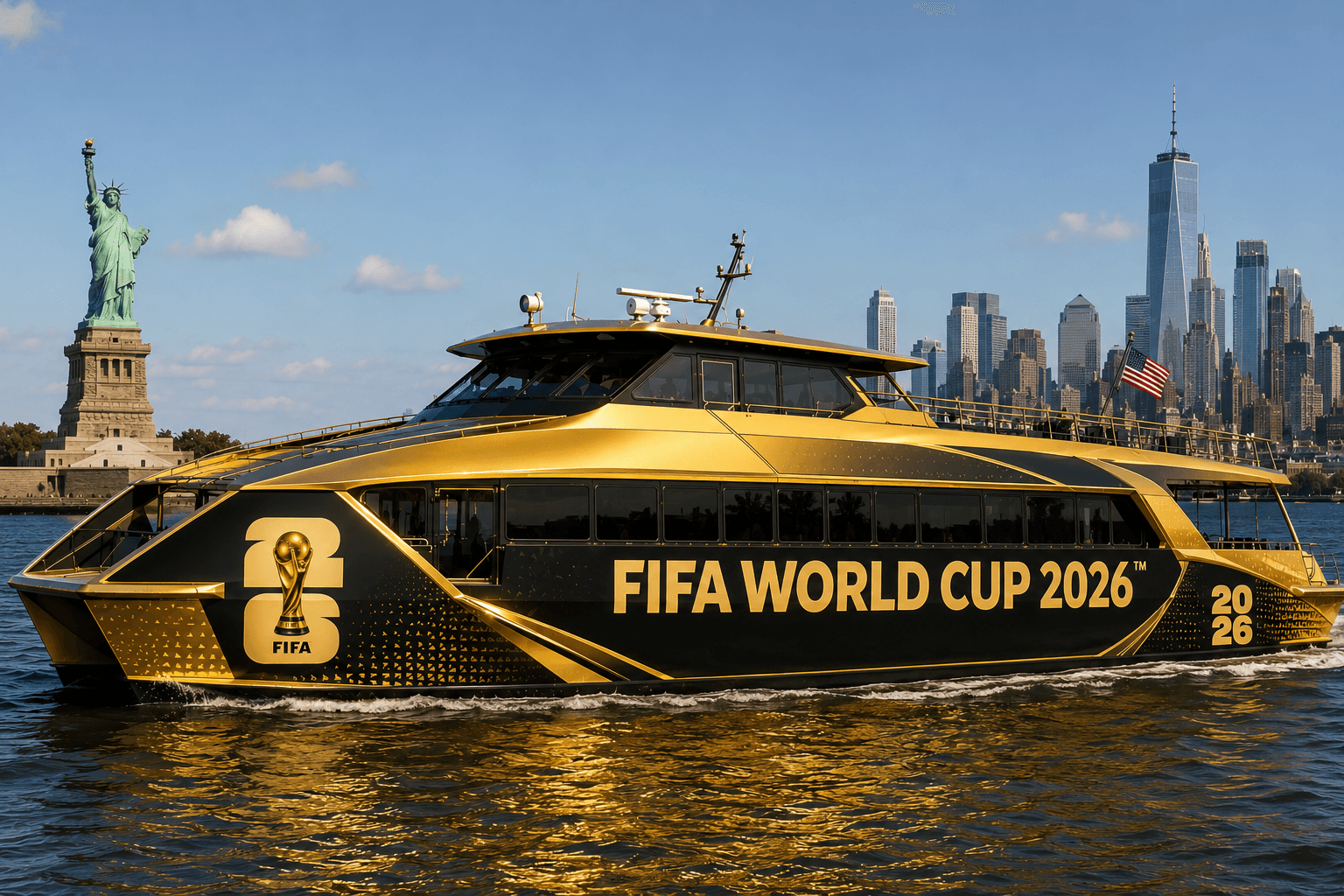
Get your boat ready for FIFA World Cup 2026 with a luxury custom wrap. Stand out on the water with premium marine graphics, gold finishes, and championship-inspired designs.
New Boat Prices Are Skyrocketing — Here's the Smarter Move Boat Owners Are Making
New boat prices are at record highs. Here's why more owners are choosing marine vinyl wraps to refresh their boat's look and protect the hull, without the cost of buying new
Boat Wraps Services
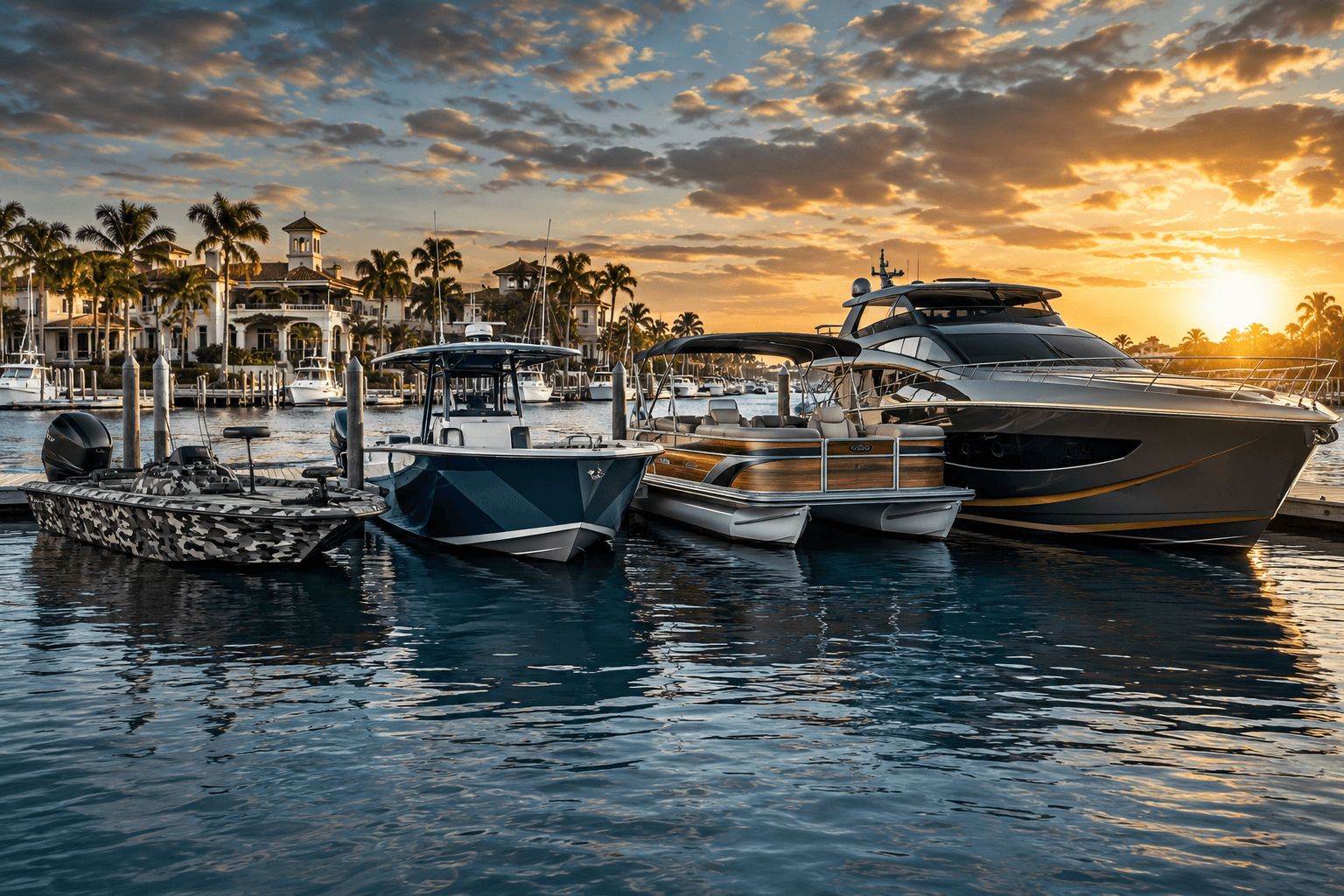
Boat Wrap Designs by Boat Type: What Actually Works on Your Vessel
A wrap that's perfect for a sportfishing boat chasing marlin offshore would look completely out of place on a family pontoon.
Boat Wraps Services
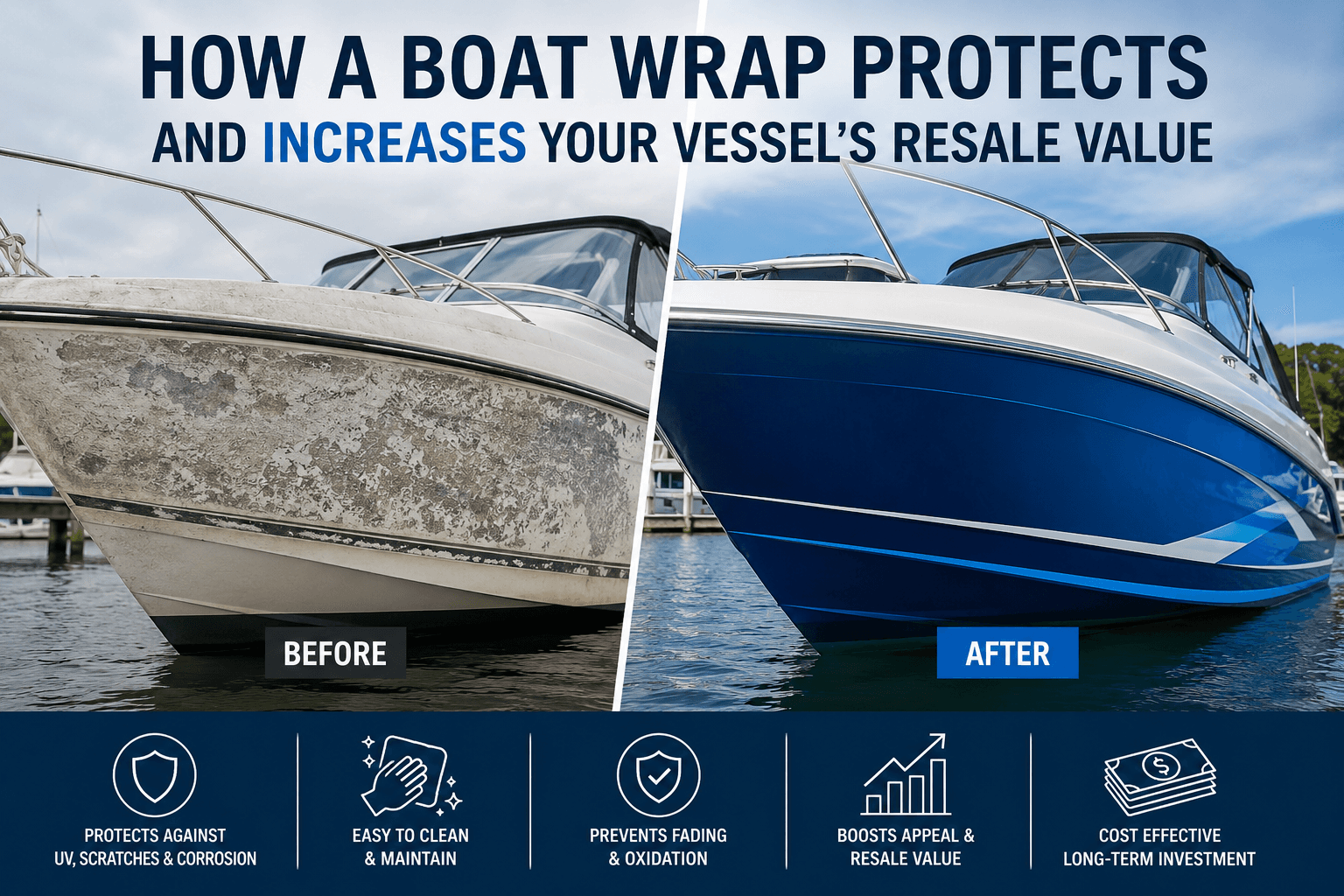
How a Boat Wrap Protects and Increases Your Vessel's Resale Value
How a Boat Wrap Can Protect and Increase Your Vessel's Resale Value
Boat Wraps Services
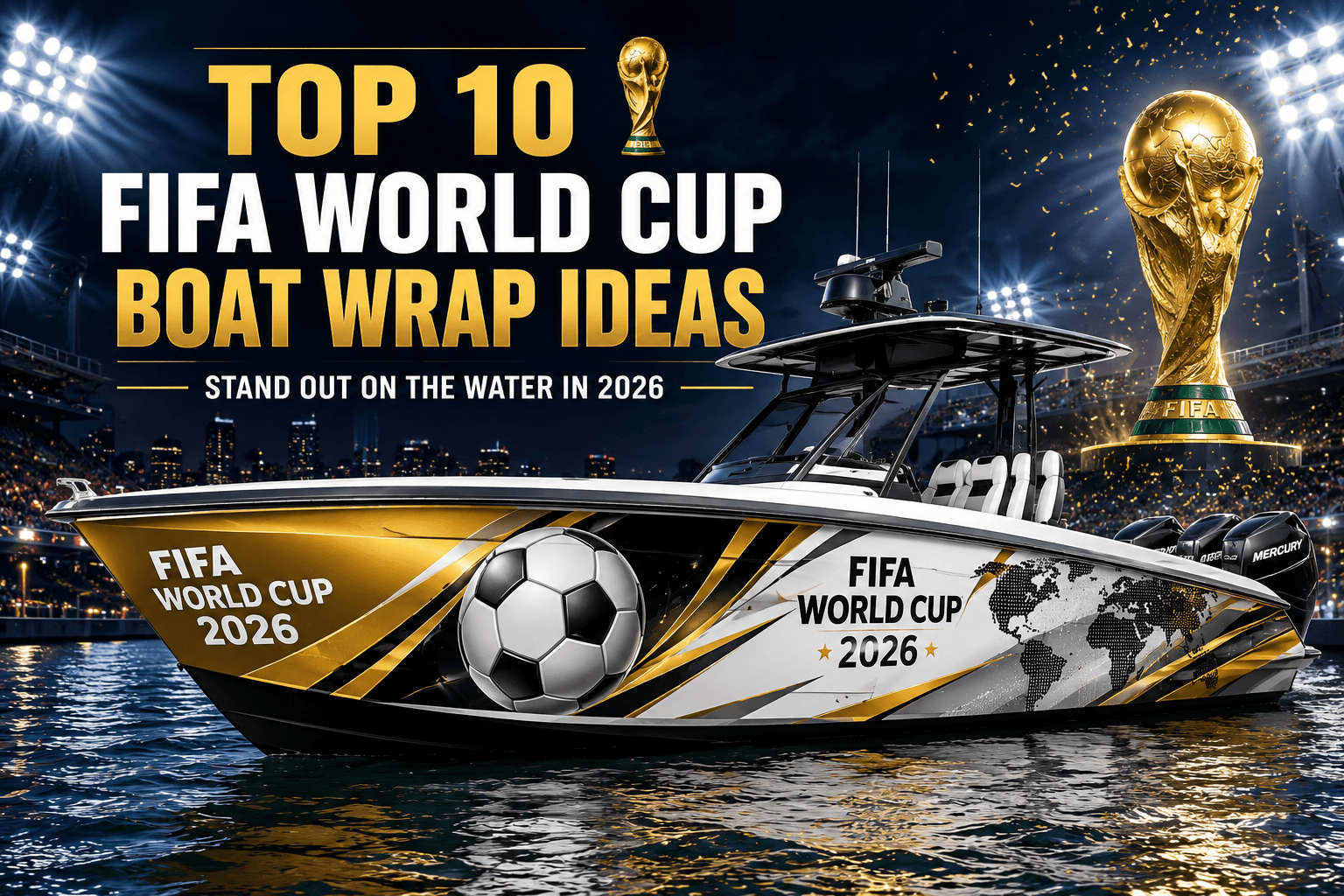
Top 10 FIFA World Cup Boat Wrap Ideas to Try This Season
If you already know you want your boat wrapped for World Cup season, the next question is which design actually fits your vessel.
Boat Wraps Services
Custom Boat Wraps for FIFA World Cup 2026
Get your boat ready for FIFA World Cup 2026 with a luxury custom wrap. Stand out on the water with premium marine graphics, gold finishes, and championship-inspired designs.
Boat Wraps Services
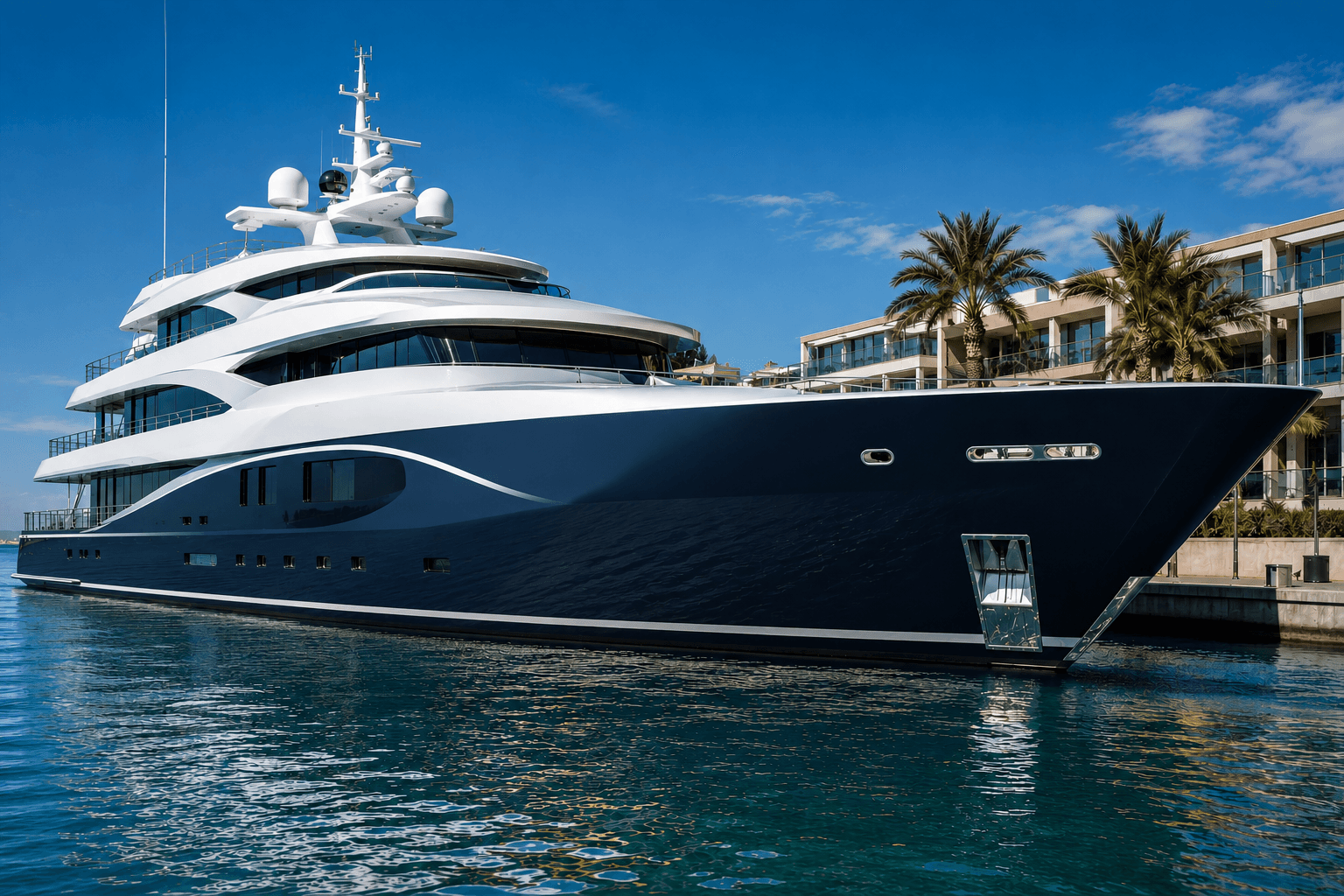
Luxury Yacht Wraps: The Complete Guide to Finishes, Styles, and Custom Marine Vinyl
Ocean Wraps works with luxury yacht and cruiser owners who want professional results, durable materials, and a finish that holds up on the water.
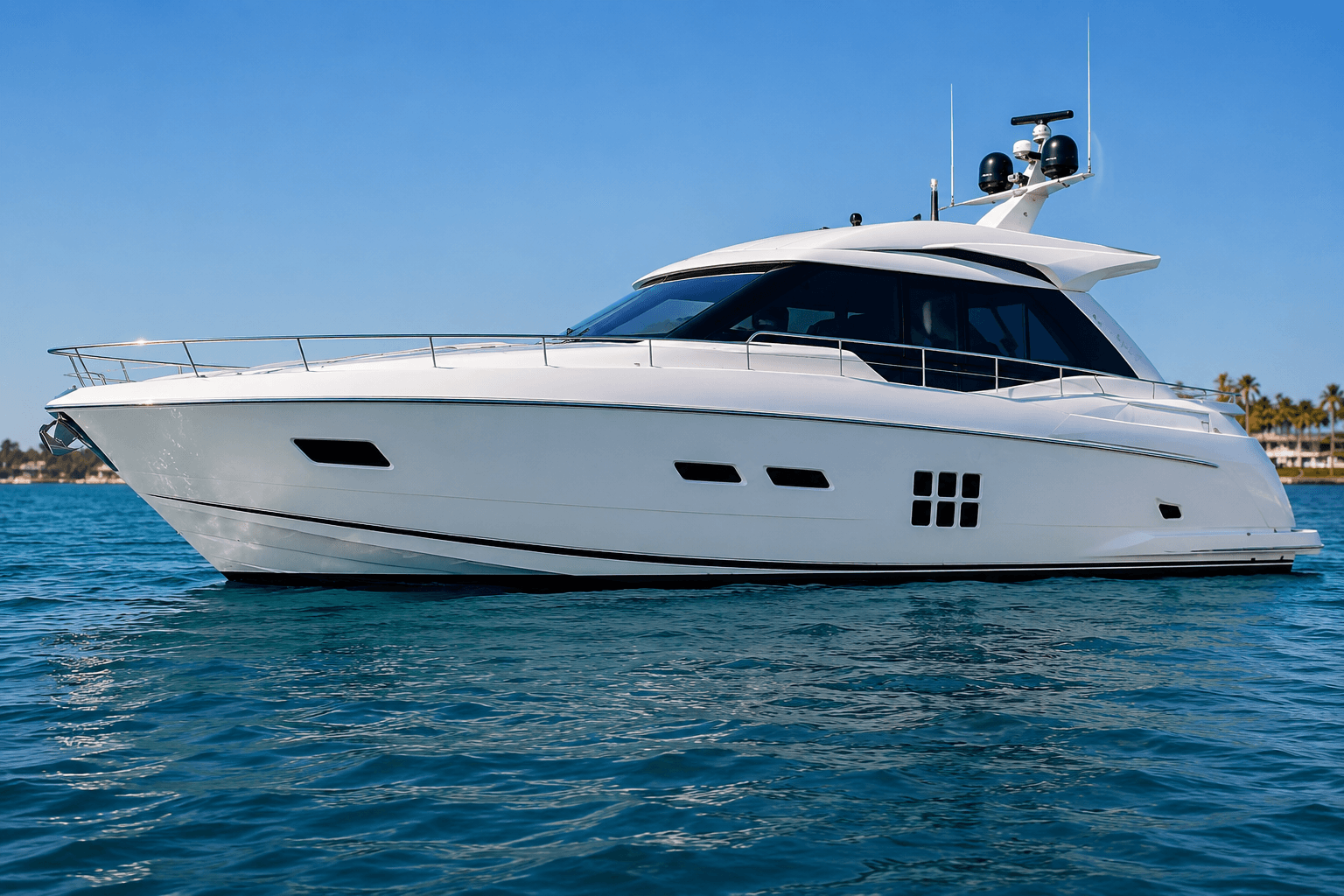
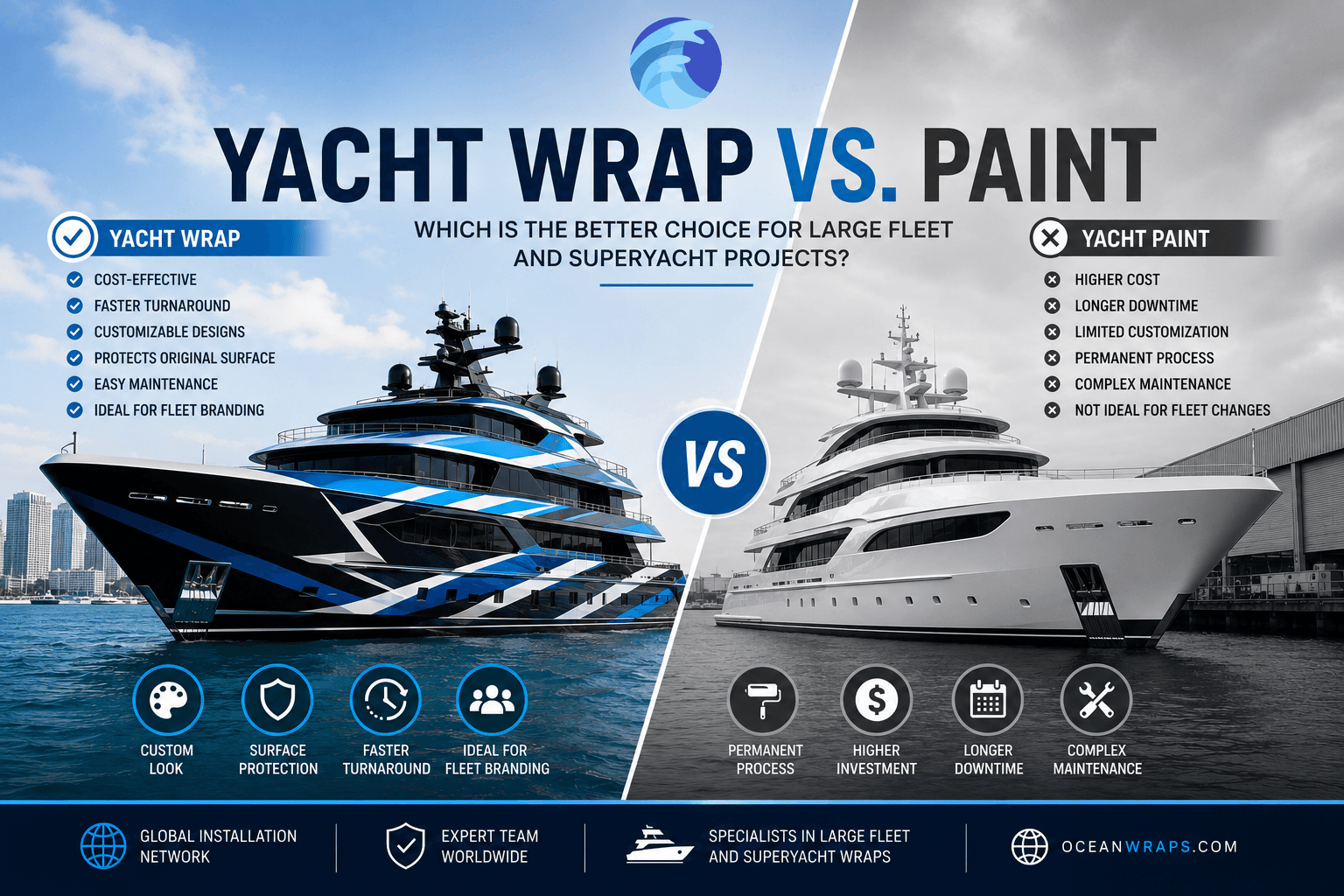
Yacht Wrap vs. Paint for Large Fleet & Superyacht Projects
Deciding between yacht wrap and paint for your fleet or superyacht? We break down real costs, downtime, durability, and which option actually makes sense at scale
How Much Does a Boat Wrap Cost? Complete Pricing Guide for 2026
Boat wrap prices vary widely depending on size, materials, and installer quality. Here's what a professional wrap actually costs in 2026 — and what to watch out for.
Luxury Yacht Wraps: The Complete Guide to Finishes, Styles, and Custom Marine Vinyl
Ocean Wraps works with luxury yacht and cruiser owners who want professional results, durable materials, and a finish that holds up on the water.
Boat Wraps Services
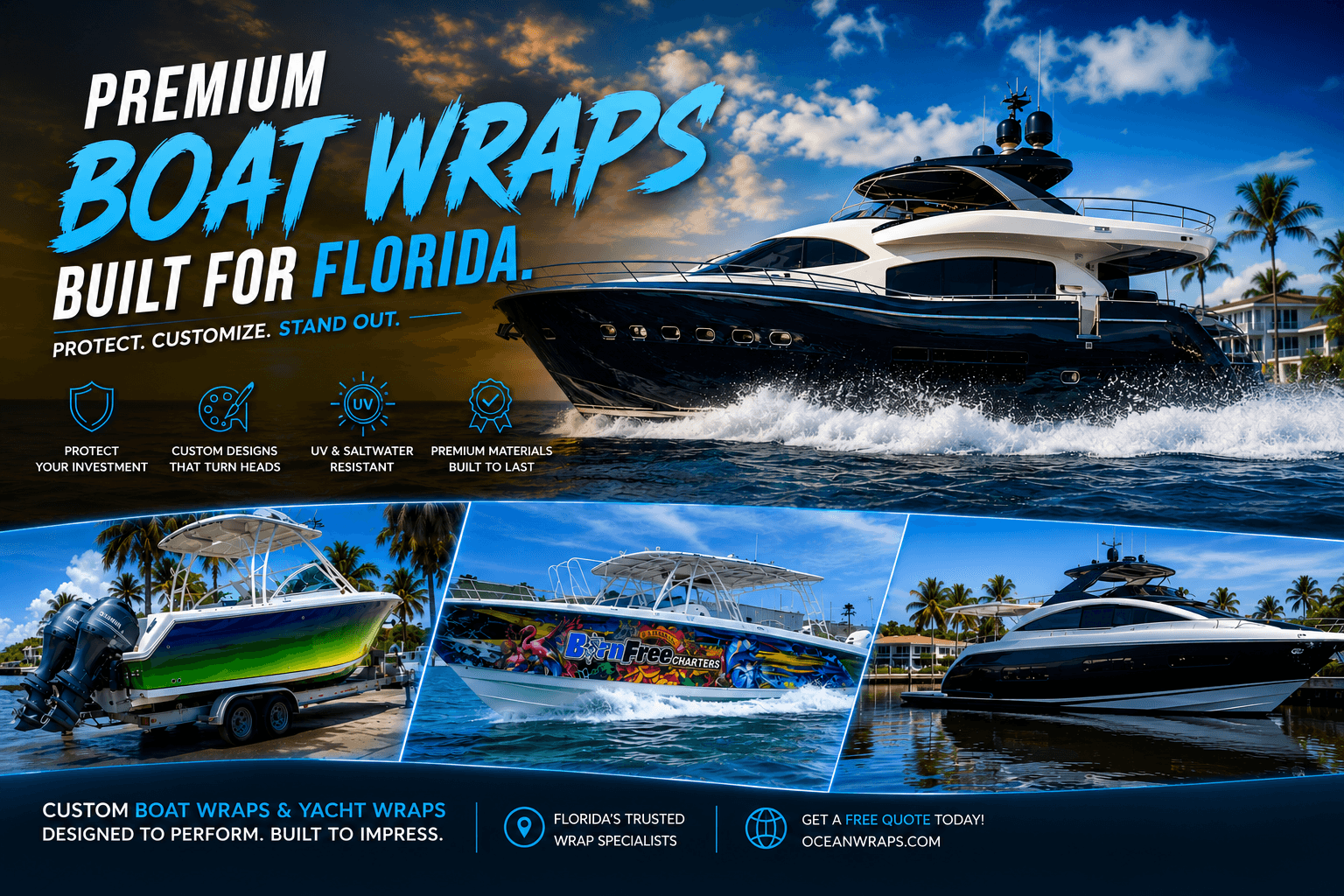
Why Florida Boat Owners Are Choosing Vinyl Boat Wraps in 2026
Discover why Florida boat owners are switching from paint to vinyl boat wraps. Learn the benefits, costs, protection, and customization options.
Guides
Boat Wraps vs Paint: 5 Reasons Why Wraps Win
Boat wraps cost less, install faster, and protect your gel coat better than traditional paint. Here's why so many boat owners are making the switch.
Guides
Yacht Wrap vs. Paint for Large Fleet & Superyacht Projects
Deciding between yacht wrap and paint for your fleet or superyacht? We break down real costs, downtime, durability, and which option actually makes sense at scale
Guides
How Much Does a Boat Wrap Cost? Complete Pricing Guide for 2026
Boat wrap prices vary widely depending on size, materials, and installer quality. Here's what a professional wrap actually costs in 2026 — and what to watch out for.