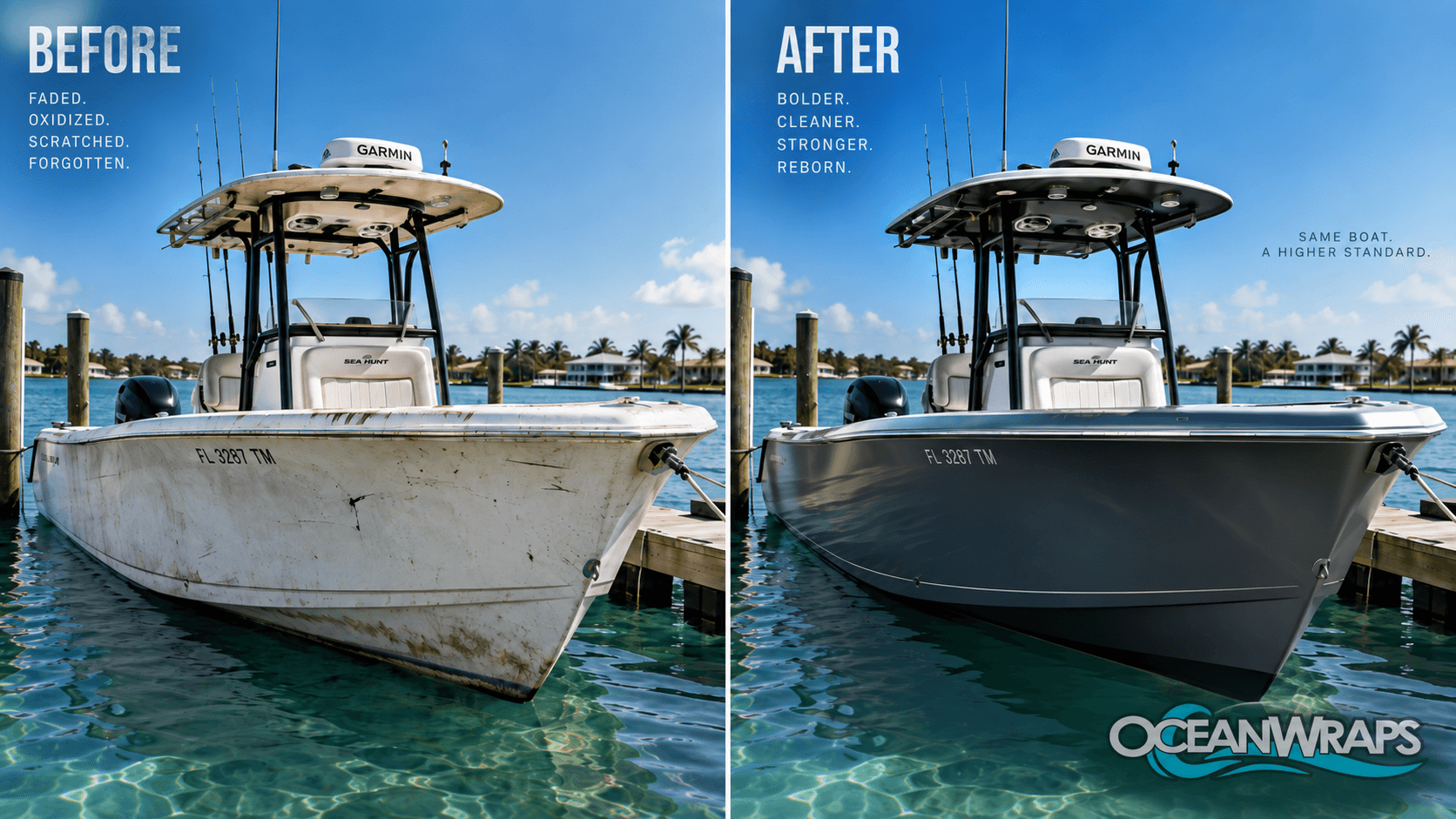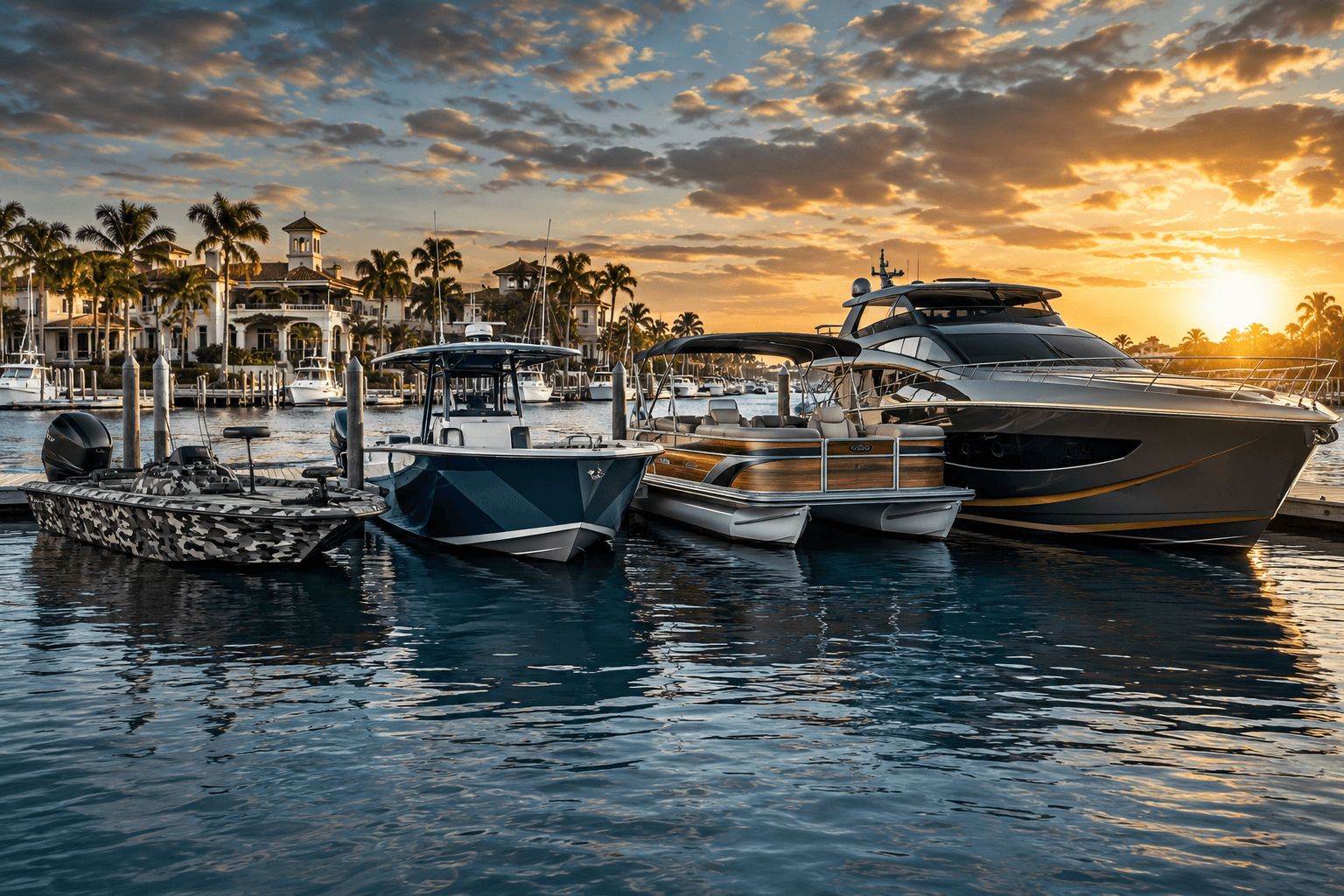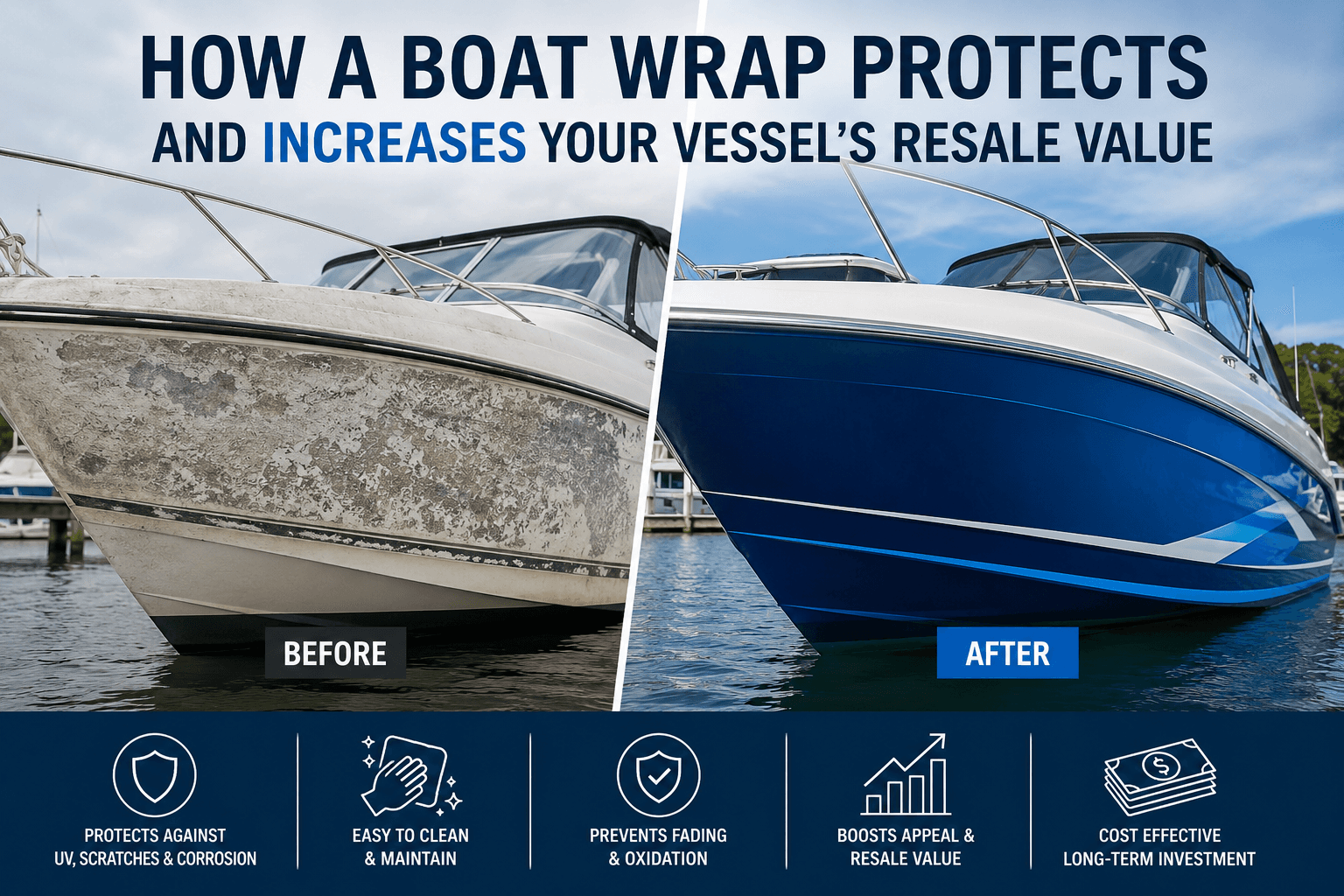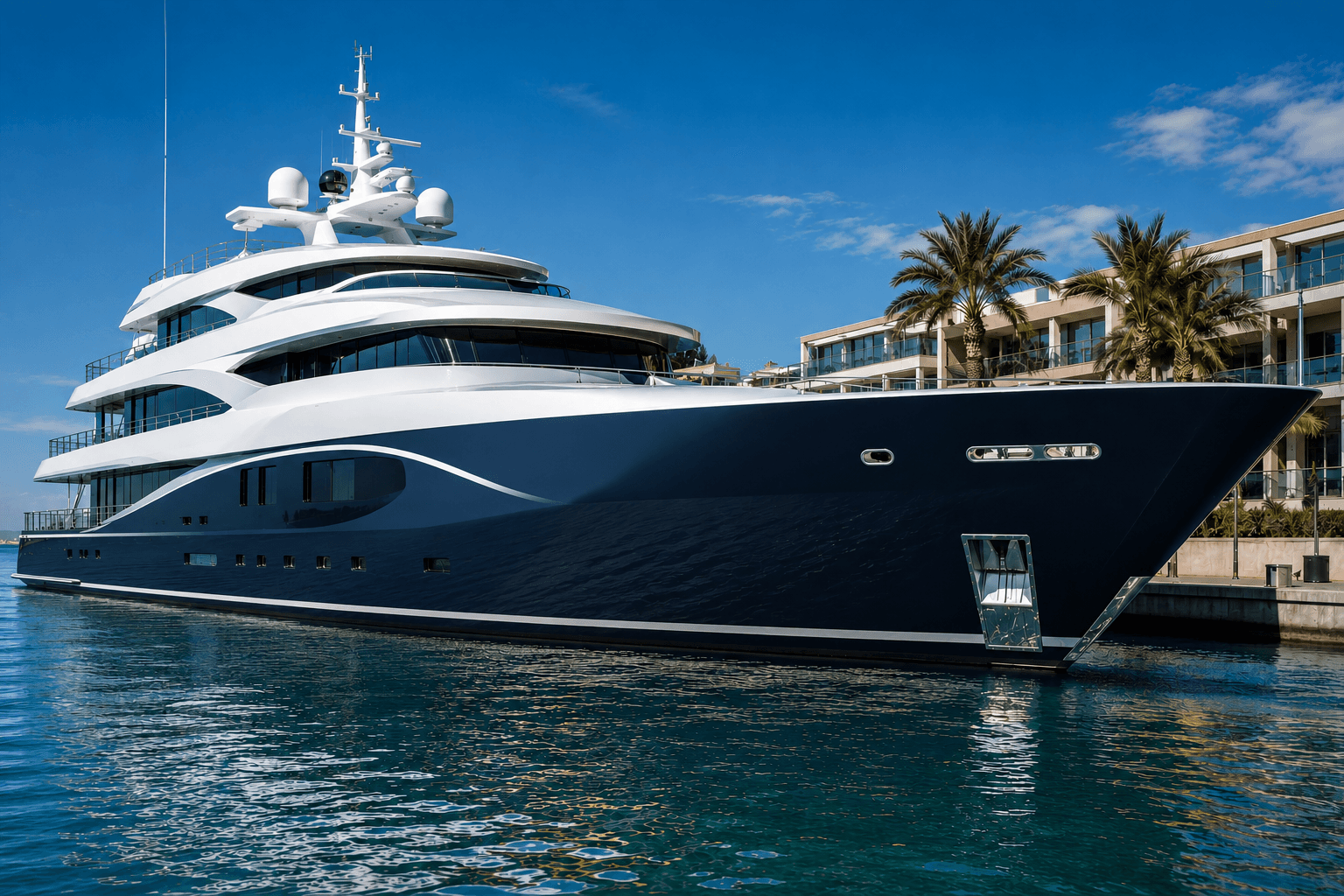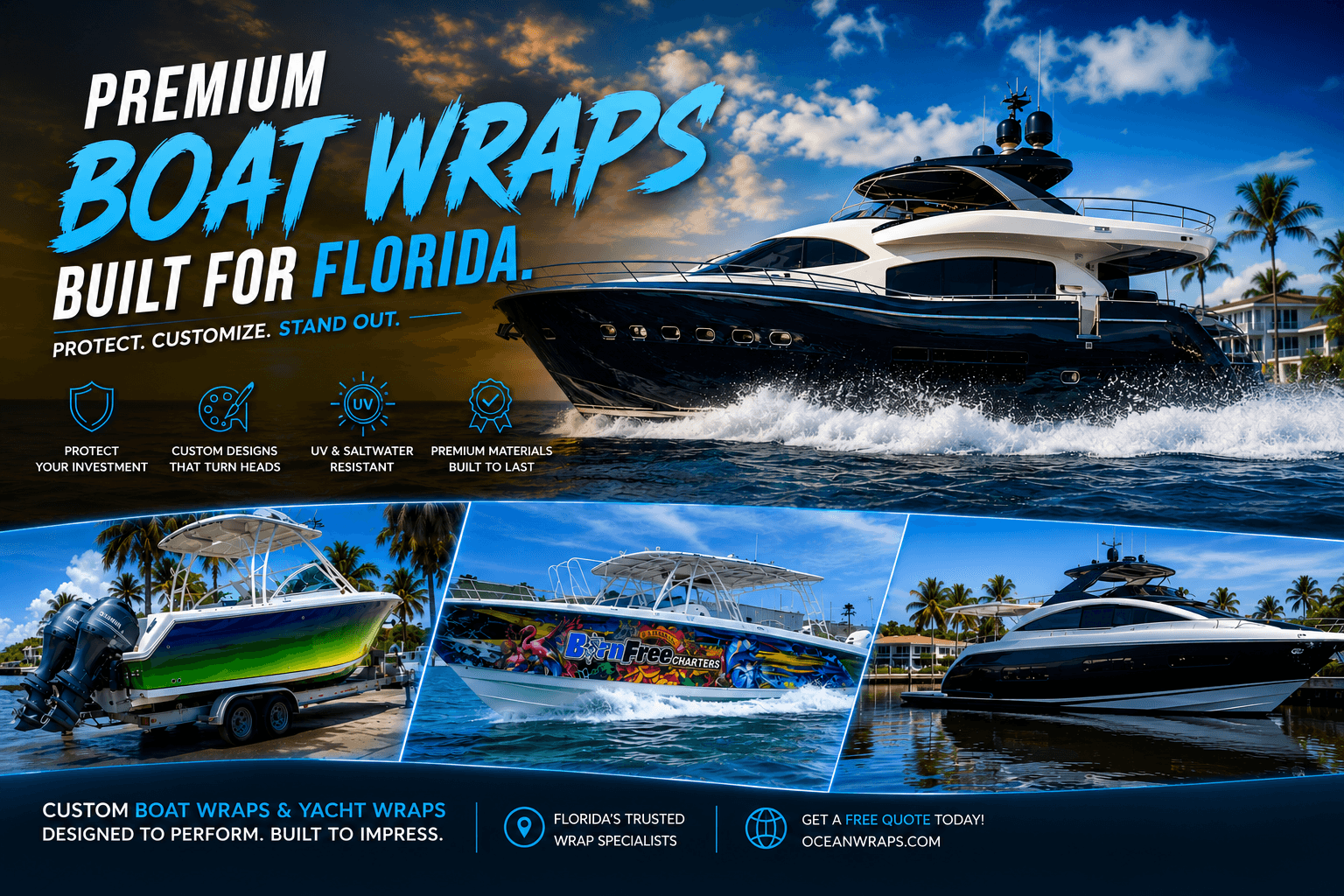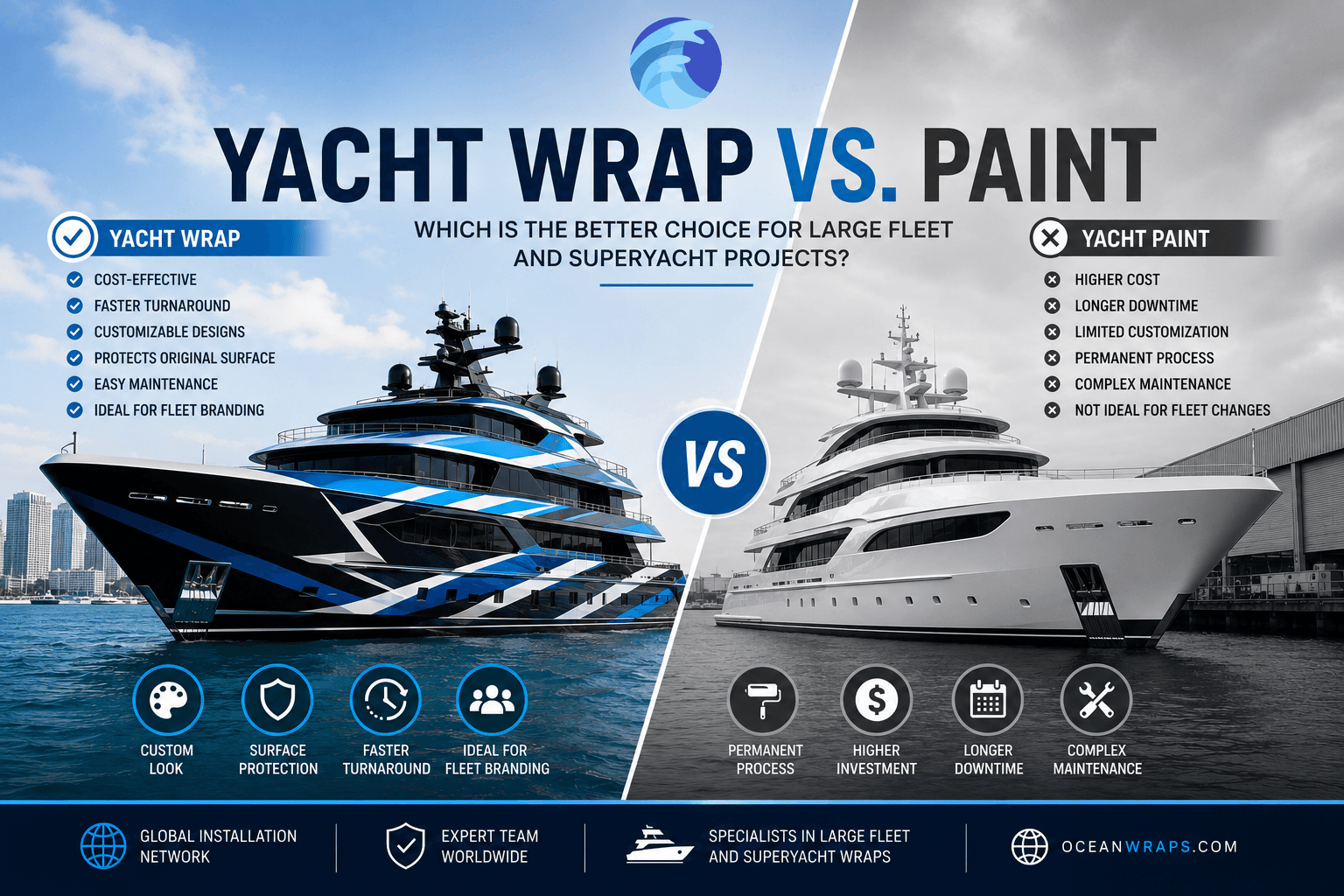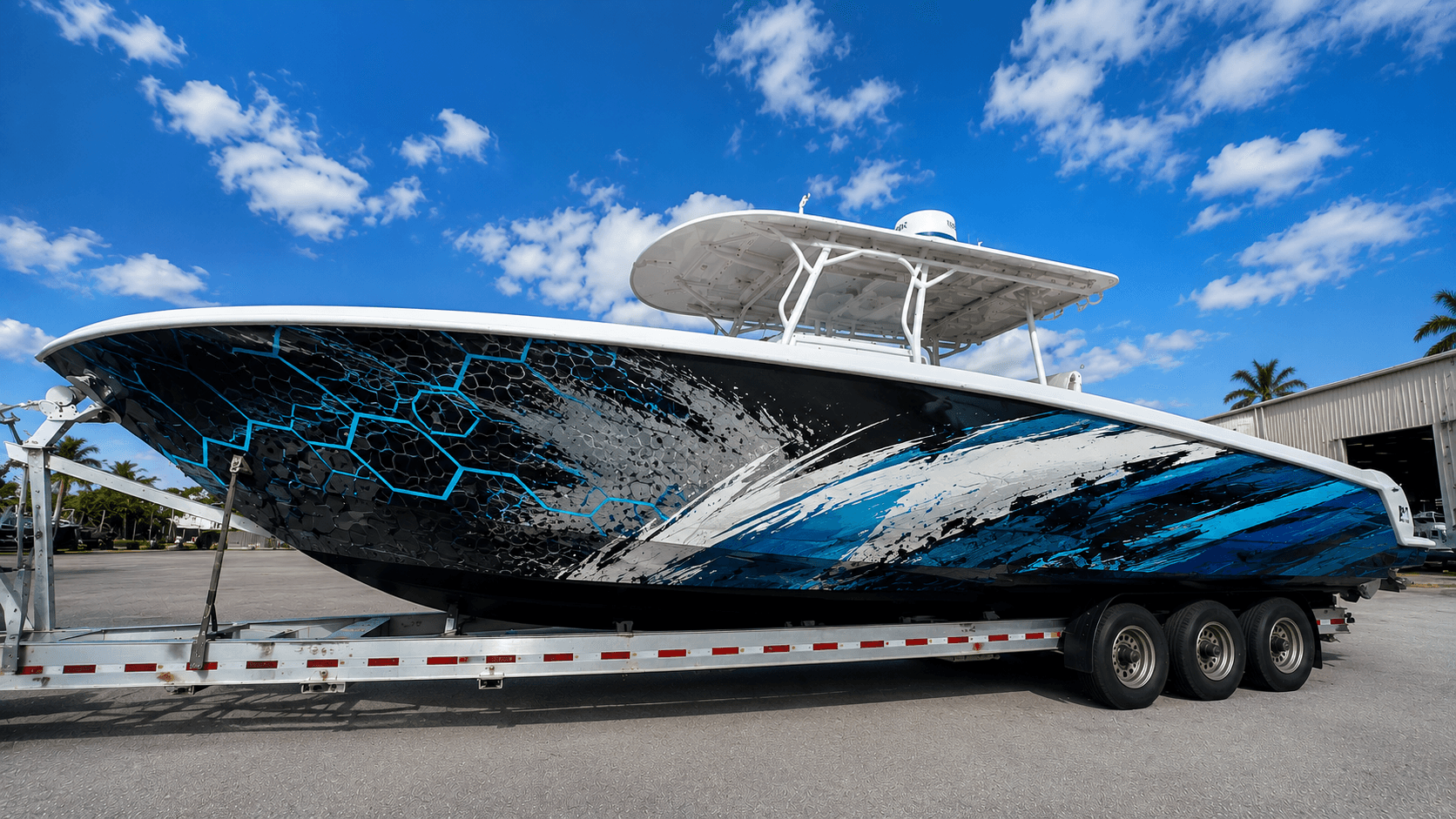

Boat wraps for commercial fishing vessels, patrol boats, tugboats, and other workboats, a custom boat wrap is a functional asset, not just a cosmetic upgrade. It is a durable, protective skin that rebrands your fleet, adds a critical layer of defense against the marine environment, and enhances professional visibility. Unlike generic vehicle wraps, marine applications demand specific materials and installation expertise to withstand constant UV exposure, saltwater immersion, physical abrasion, and harsh cleaning protocols. This page details the technical approach required for effective, long-lasting wraps on commercial hulls and topsides.
Boat Wraps Overview: Custom wraps for commercial fishing vessels and workboats#
Key Takeaways#
- Marine-grade vinyl with UV-resistant laminate is non-negotiable for longevity in sun and saltwater.
- Proper surface prep, including dewaxing and degreasing the gelcoat, is the most critical factor for adhesion.
- Design must account for complex hull curvature, hardware, and access points specific to workboats.

- Professional installation includes precise edge sealing and post-heating to prevent lifting and water ingress.
- A wrap protects the underlying gelcoat from fading and minor abrasion, preserving vessel value.
- Always check marina rules and consider storage or wash-down practices during the design phase.
Process Overview#
- Prep: Hull and topside gelcoat must be thoroughly cleaned, dewaxed, and degreased. Any failing paint or unstable surfaces must be addressed.
- Design: Graphics are engineered from digital templates to follow the boat's specific lines, accounting for rub rails, through-hulls, and hardware.
- Install: A meticulous, multi-person process applies large sections using wet or dry methods, managing tension to conform to compound curves.
- Finish: All edges are trimmed, post-heated to activate adhesive, and sealed to prevent water ingress, especially along the waterline.
Materials & Finish Options#
The marine environment dictates material choice. Cast vinyl is the standard for marine wraps due to its superior conformability and long-term durability; it stretches and contours around complex curves without shrinking back. The vinyl face must be paired with a permanent, aggressive adhesive system designed for varied temperatures.
A protective laminate is mandatory. This clear, UV-resistant top coat shields the printed inks from fading and provides a sacrificial layer against abrasion, fuel spills, and harsh cleaning chemicals. At Ocean Wraps, we select laminate systems rated for extended outdoor marine exposure. Finish options typically include gloss for maximum color pop and easy cleaning, or a matte finish for a non-reflective, specialized look.
FAQ#
How long does a commercial boat wrap last?#
With professional-grade marine materials and installation, expect a service life of 5 to 7 years. Actual longevity depends on sun exposure, water conditions, cleaning practices, and physical wear from fenders or fishing gear.
Can you wrap over old graphics or paint?#
Only if the existing layer is perfectly smooth, firmly adhered, and non-porous. Loose, chalky, or cracked surfaces must be removed. It is often more reliable to remove old graphics and prepare the original gelcoat for the new wrap.
Does the wrap damage the gelcoat?#
Properly installed and removed vinyl does not damage sound gelcoat. In fact, it protects the underlying surface from UV fading and minor scratches. Removal requires professional heat and technique to avoid adhesive residue.
What is the lead time for a full vessel wrap?#
Lead time varies by project scale. After the initial assessment, allow 1-3 weeks for design and template approval, followed by production. Installation for a full hull and topside on a mid-sized workboat typically requires 3-5 days of dedicated, weather-permitting dock time.