Custom Fleet Livery Design: Strategic Boat Wraps for Charter Operators
Ocean Wraps designs durable, high-visibility custom fleet livery for charter boats. Learn about our process, marine-grade materials, and key considerations.
Last updated March 6, 2026
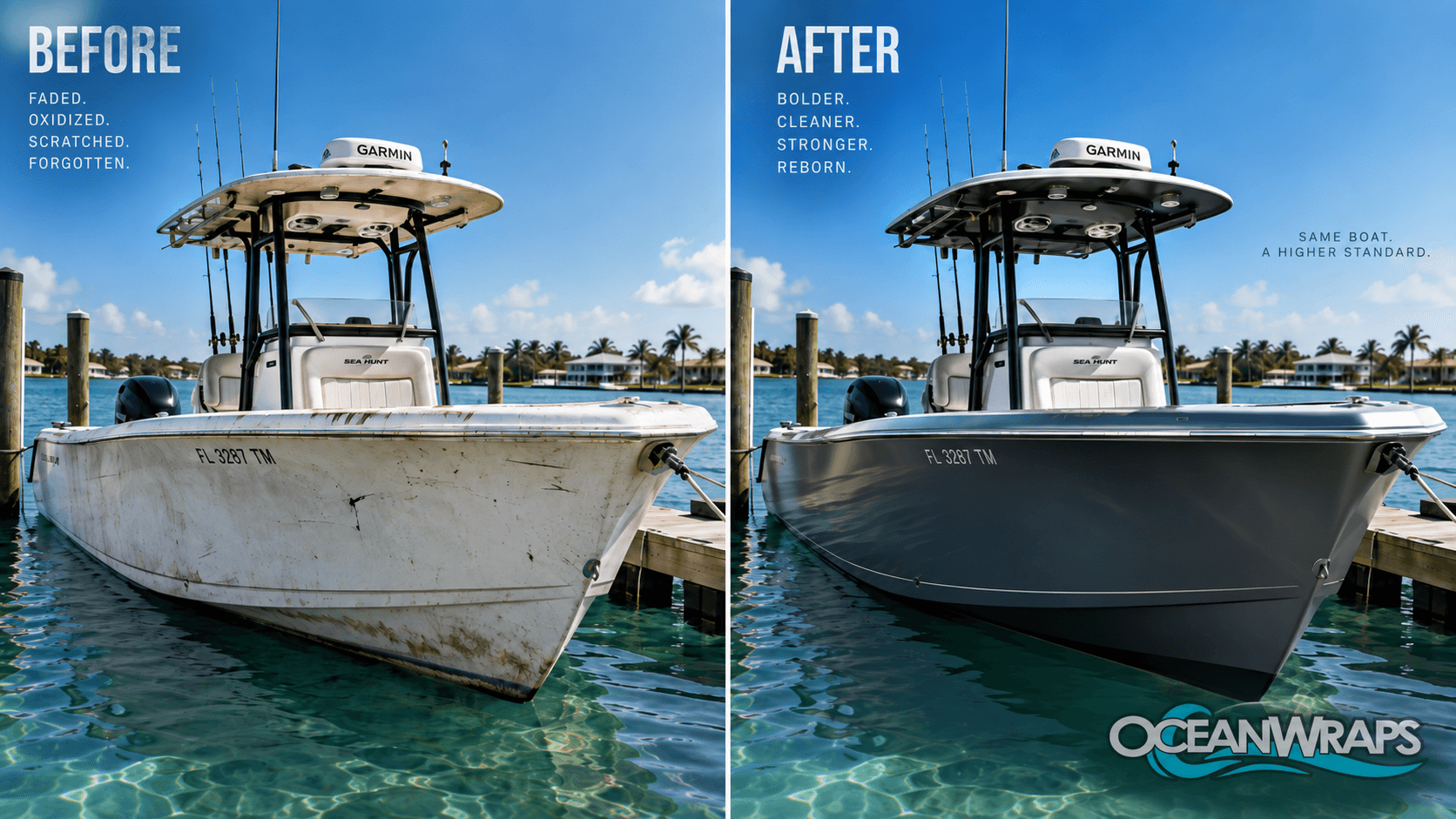
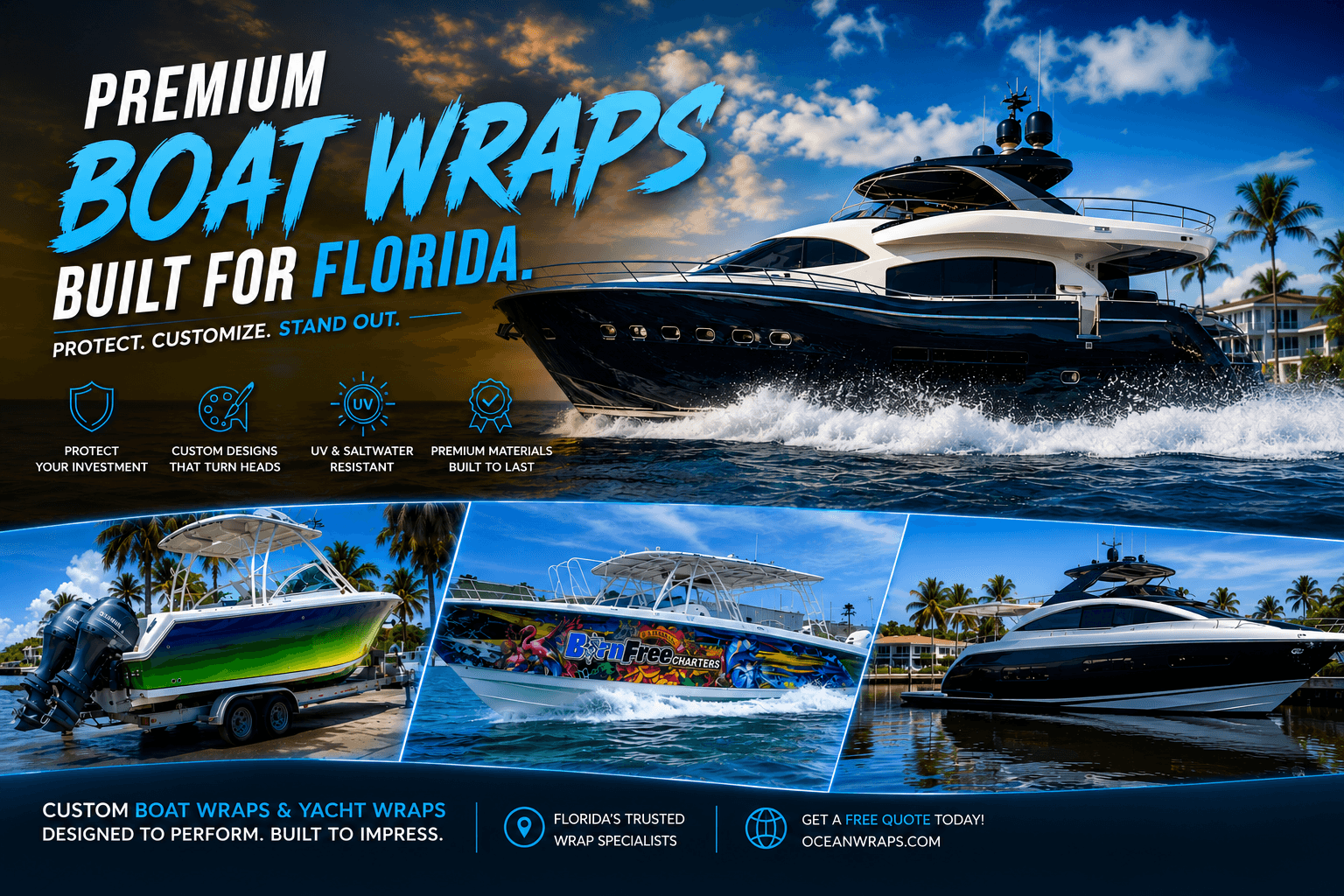
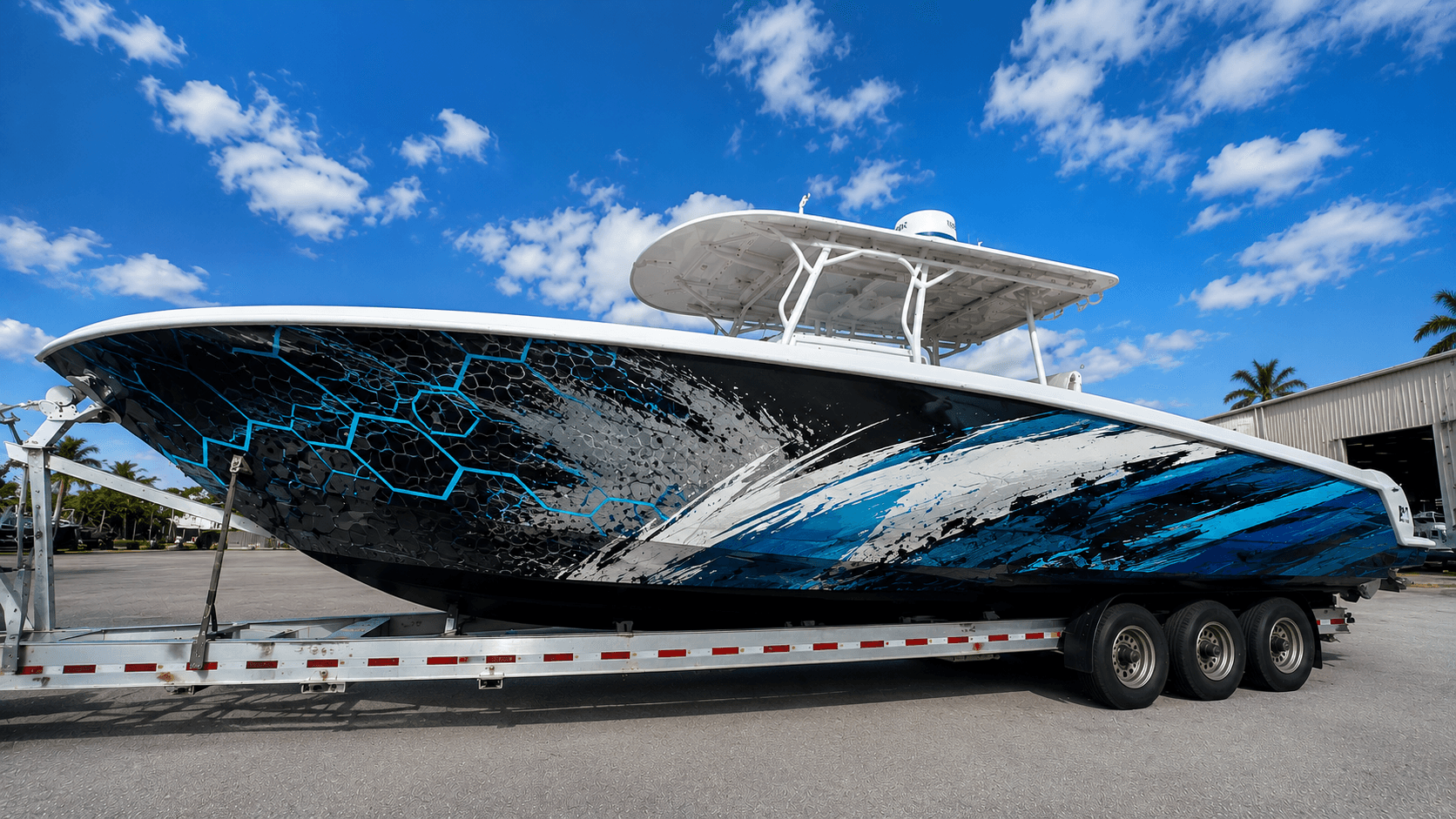
For corporate charter and boat rental operators, your fleet is your most visible marketing platform. A custom, cohesive livery transforms individual vessels into a powerful, mobile brand statement. Unlike generic advertising, a professionally designed and installed vinyl wrap system provides unmatched durability and visual impact on the water. This page details the strategic approach, technical execution, and practical considerations for implementing a fleet-wide branding program with boat wraps.
Boat Wraps Overview: Custom Fleet Livery Design for Corporate Charter Operators#
A consistent visual identity across your charter fleet does more than look professional. It builds trust and credibility with clients, who associate a uniform appearance with operational reliability and scale. It turns every vessel, whether moored at the marina or underway, into a high-impact advertisement. Effective graphics are designed for clarity at a distance, ensuring your company name and contact information are legible from shore and other boats.
Graphics for boats must withstand unique stressors: constant UV exposure, salt spray, temperature swings, and incidental contact. Design choices directly influence longevity. Simplified graphics with solid color fields often outperform complex photographic prints in terms of durability and colorfastness. The design phase must also account for complex boat surfaces, planning seams and panels to follow the natural curves of the hull and topside, avoiding stress points.
The process begins with a detailed assessment of each vessel type in your fleet. The existing gelcoat must be in sound condition. Professional installation includes a thorough degreasing, de-waxing, and light abrasion to create the ideal surface for vinyl adhesion. Any existing damage or failing paint must be addressed beforehand.
Using precise digital templates or on-site measurements, designers create proofs that map graphics to the specific contours of your boat models. This stage ensures logos scale correctly and critical information is positioned for maximum visibility without interfering with operational elements like cleats or windows.
Approved designs are printed on marine-grade vinyl. The printed material is then laminated with a clear protective layer. Graphics are precisely cut and paneled based on the installation plan, with careful attention to managing seams in less visible areas.
Certified installers apply the vinyl using specialized tools and techniques to conform to compound curves and recesses. The final step is meticulous edge sealing and a post-installation inspection to ensure a flawless, durable finish. The team at Ocean Wraps follows a rigorous protocol to meet these standards.
The longevity of your boat wraps depends on material science. The industry standard for long-term marine applications is a cast vinyl film. Cast vinyl has superior conformability and long-term dimensional stability compared to calendared vinyl, which is more prone to shrinking. A high-quality cast vinyl is then paired with a marine-grade overlaminate. This laminate is a transparent, flexible layer that provides the first line of defense against UV fading, abrasion, and chemical exposure. Gloss, matte, and textured finishes are available, each with distinct aesthetic and maintenance characteristics.
How long do marine-grade boat wraps typically last?#
With proper surface preparation and installation using premium cast vinyl and laminate, a marine wrap can last 5 to 7 years. Actual lifespan depends on exposure, maintenance, and storage conditions.
Can a wrap be applied over existing hull graphics or paint?#
Yes, provided the existing surface is firmly adhered, smooth, and free of cracks or peeling. It must be properly cleaned and prepared. Wrapping over heavily textured or failing surfaces is not recommended.
What is the downtime for wrapping a charter vessel?#
For a typical midsize boat, professional installation of a full hull and topside wrap usually requires 2 to 4 days. This includes prep, application, and finishing. A phased fleet schedule can help manage operational impact.
Are the wraps removable without damaging the gelcoat?#
When removed professionally using the correct techniques and within the material's recommended lifespan, high-quality marine vinyl should come off without leaving adhesive residue or damaging the underlying gelcoat. Removal becomes more difficult if the wrap is left on far beyond its service life.
New Boat Prices Are Skyrocketing — Here's the Smarter Move Boat Owners Are Making
New boat prices are at record highs. Here's why more owners are choosing marine vinyl wraps to refresh their boat's look and protect the hull, without the cost of buying new
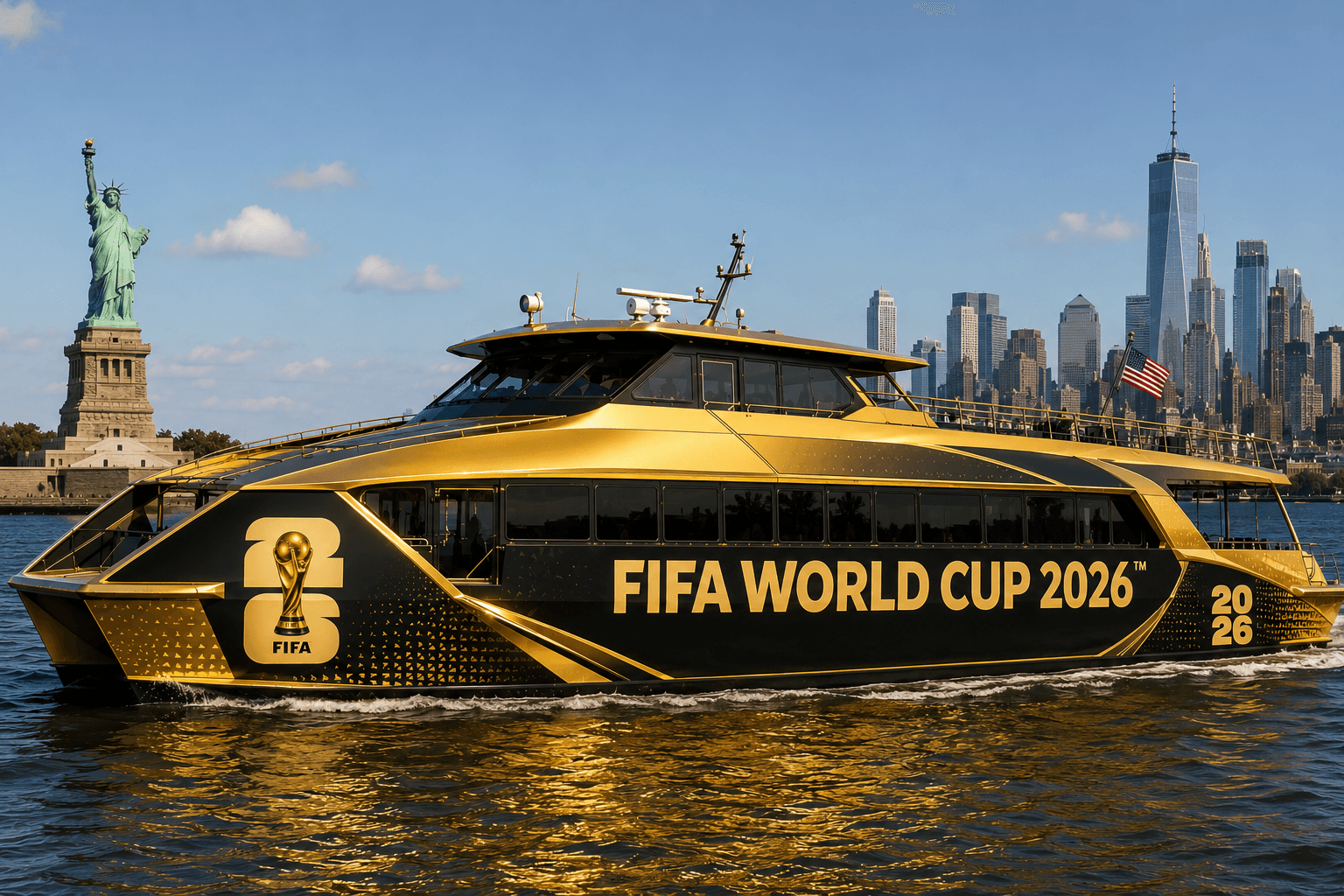
Get your boat ready for FIFA World Cup 2026 with a luxury custom wrap. Stand out on the water with premium marine graphics, gold finishes, and championship-inspired designs.
New Boat Prices Are Skyrocketing — Here's the Smarter Move Boat Owners Are Making
New boat prices are at record highs. Here's why more owners are choosing marine vinyl wraps to refresh their boat's look and protect the hull, without the cost of buying new
Boat Wraps Services
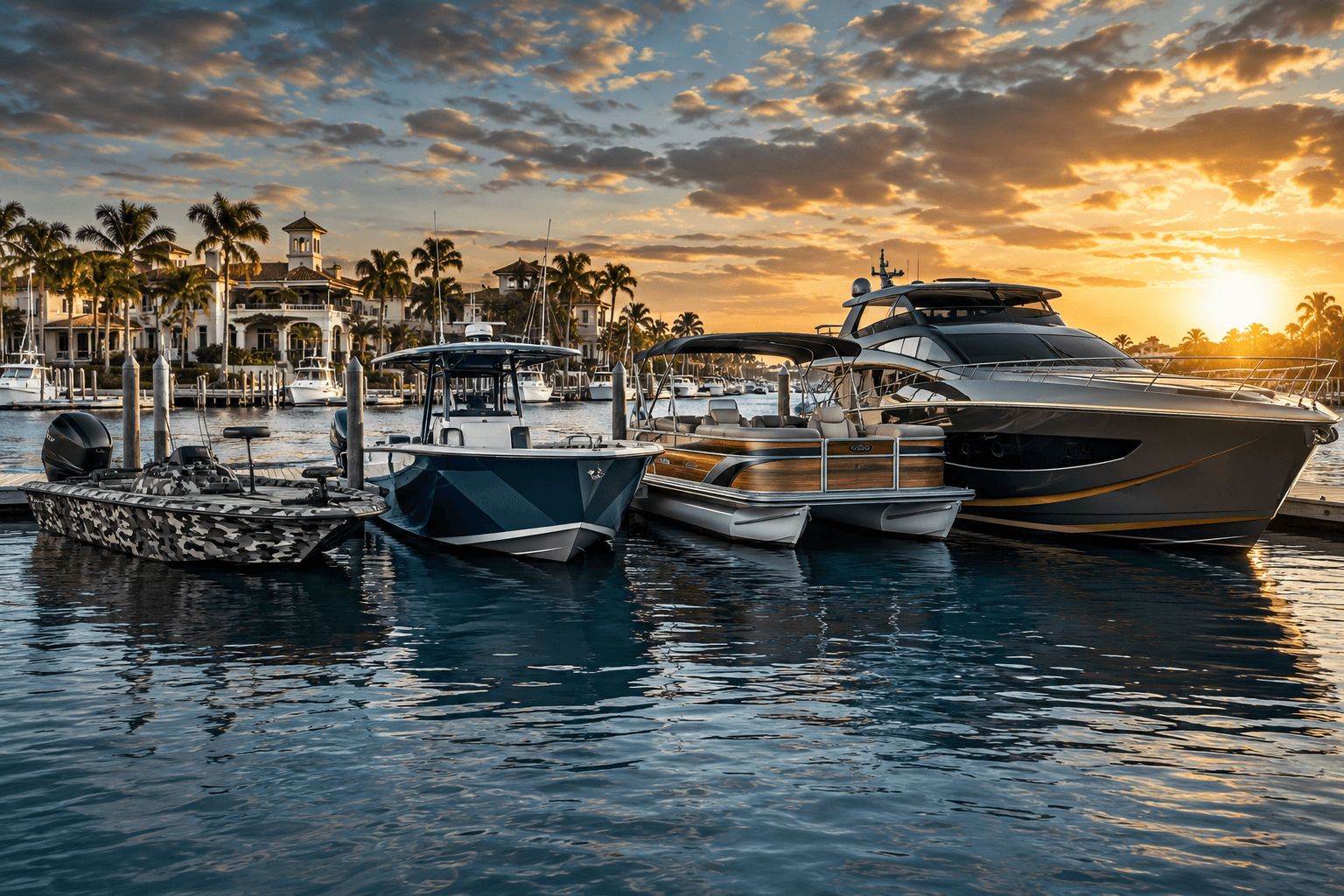
Boat Wrap Designs by Boat Type: What Actually Works on Your Vessel
A wrap that's perfect for a sportfishing boat chasing marlin offshore would look completely out of place on a family pontoon.
Boat Wraps Services
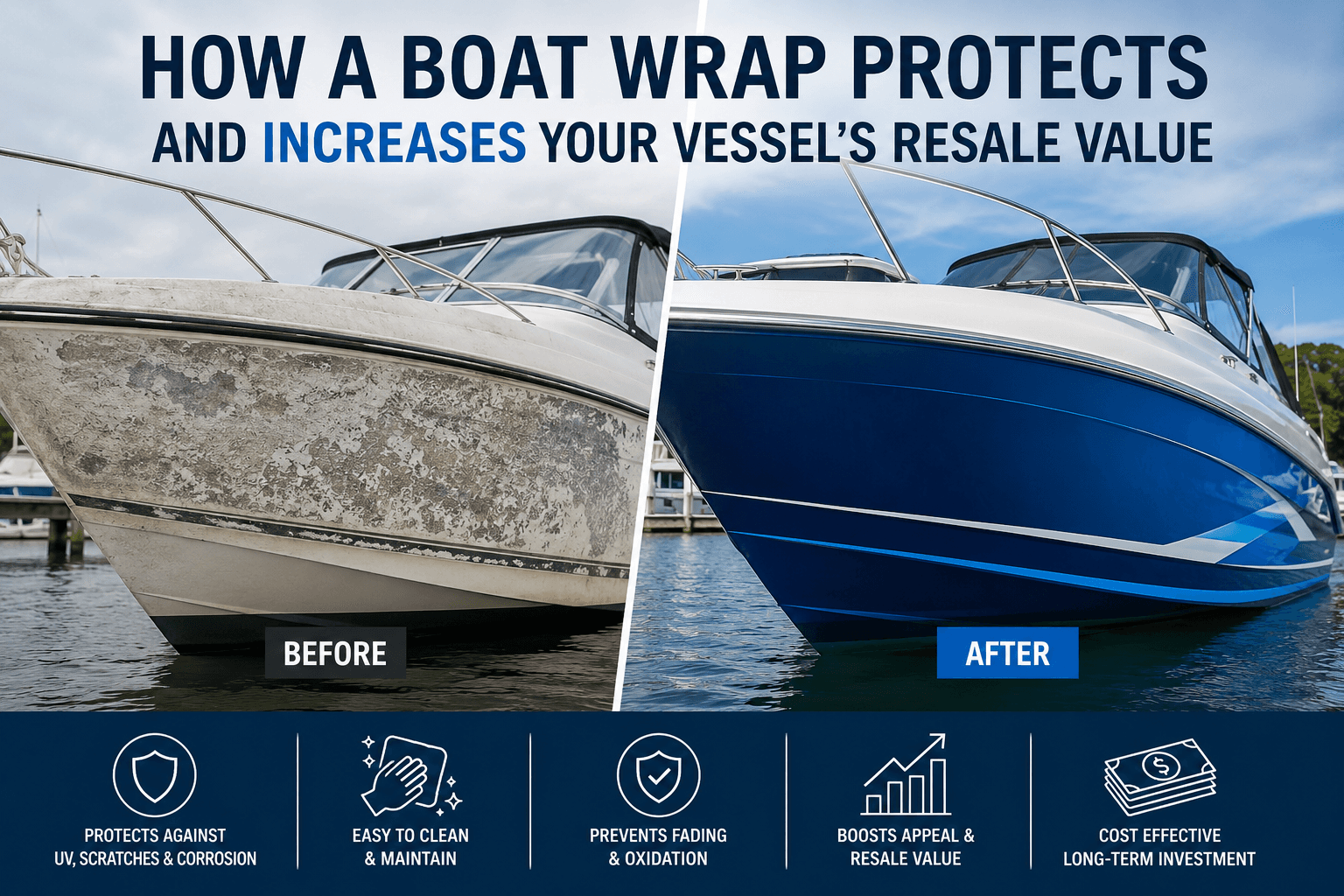
How a Boat Wrap Protects and Increases Your Vessel's Resale Value
How a Boat Wrap Can Protect and Increase Your Vessel's Resale Value
Boat Wraps Services
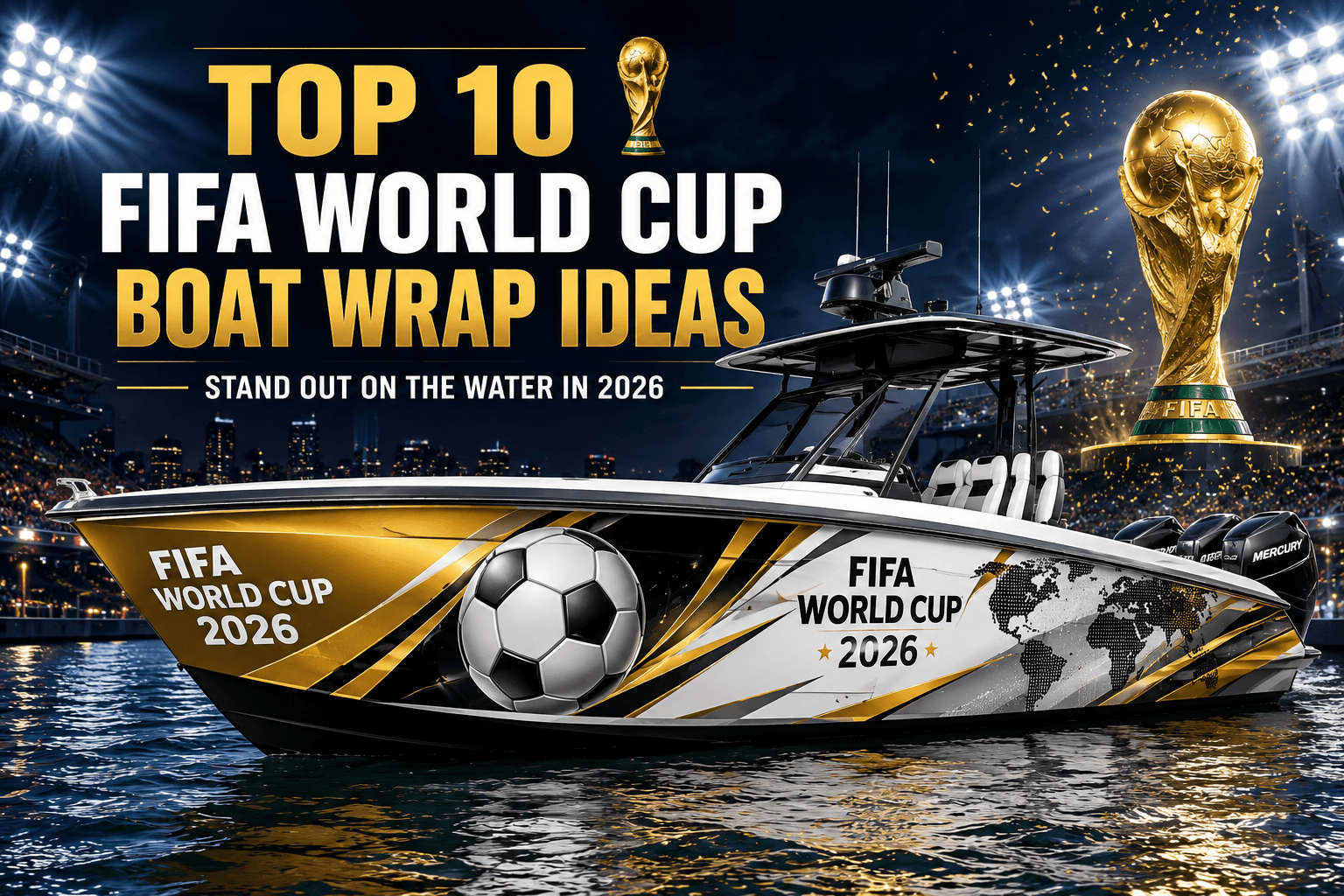
Top 10 FIFA World Cup Boat Wrap Ideas to Try This Season
If you already know you want your boat wrapped for World Cup season, the next question is which design actually fits your vessel.
Boat Wraps Services
Custom Boat Wraps for FIFA World Cup 2026
Get your boat ready for FIFA World Cup 2026 with a luxury custom wrap. Stand out on the water with premium marine graphics, gold finishes, and championship-inspired designs.
Boat Wraps Services
Luxury Yacht Wraps: The Complete Guide to Finishes, Styles, and Custom Marine Vinyl
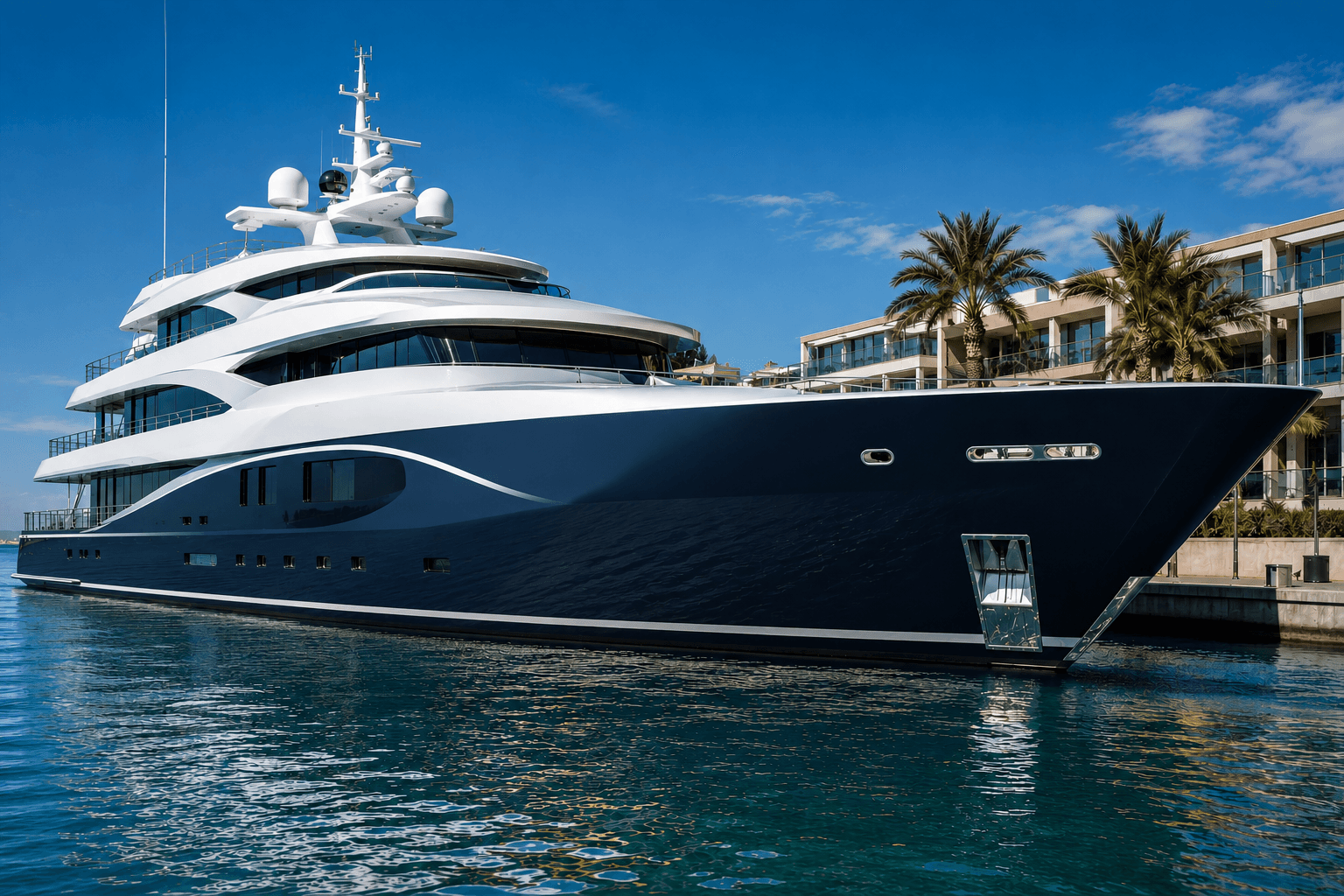
Ocean Wraps works with luxury yacht and cruiser owners who want professional results, durable materials, and a finish that holds up on the water.
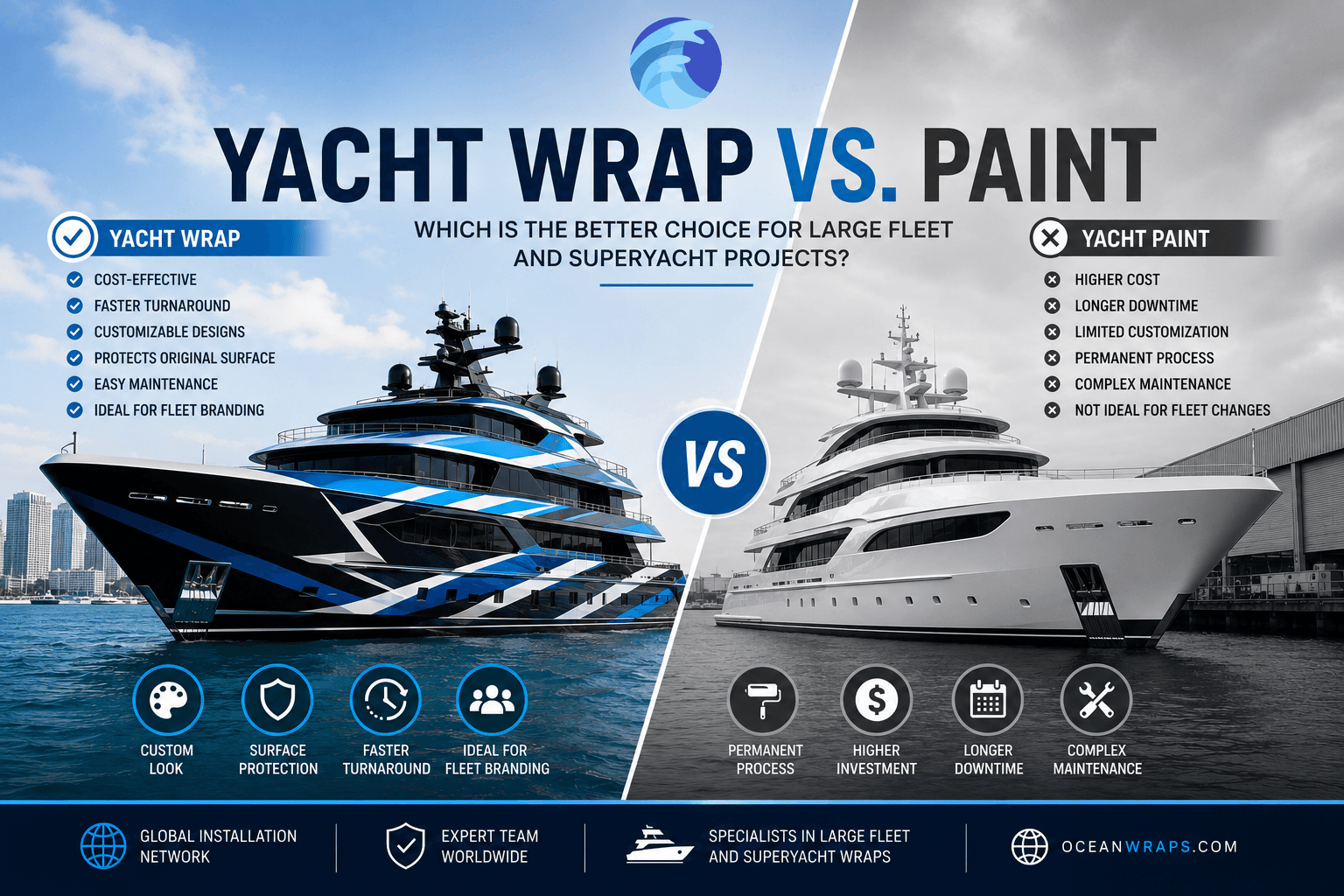
Yacht Wrap vs. Paint for Large Fleet & Superyacht Projects
Deciding between yacht wrap and paint for your fleet or superyacht? We break down real costs, downtime, durability, and which option actually makes sense at scale
How Much Does a Boat Wrap Cost? Complete Pricing Guide for 2026
Boat wrap prices vary widely depending on size, materials, and installer quality. Here's what a professional wrap actually costs in 2026 — and what to watch out for.
Luxury Yacht Wraps: The Complete Guide to Finishes, Styles, and Custom Marine Vinyl
Ocean Wraps works with luxury yacht and cruiser owners who want professional results, durable materials, and a finish that holds up on the water.
Boat Wraps Services
Why Florida Boat Owners Are Choosing Vinyl Boat Wraps in 2026
Discover why Florida boat owners are switching from paint to vinyl boat wraps. Learn the benefits, costs, protection, and customization options.
Guides
Boat Wraps vs Paint: 5 Reasons Why Wraps Win
Boat wraps cost less, install faster, and protect your gel coat better than traditional paint. Here's why so many boat owners are making the switch.
Guides
Yacht Wrap vs. Paint for Large Fleet & Superyacht Projects
Deciding between yacht wrap and paint for your fleet or superyacht? We break down real costs, downtime, durability, and which option actually makes sense at scale
Guides
How Much Does a Boat Wrap Cost? Complete Pricing Guide for 2026
Boat wrap prices vary widely depending on size, materials, and installer quality. Here's what a professional wrap actually costs in 2026 — and what to watch out for.