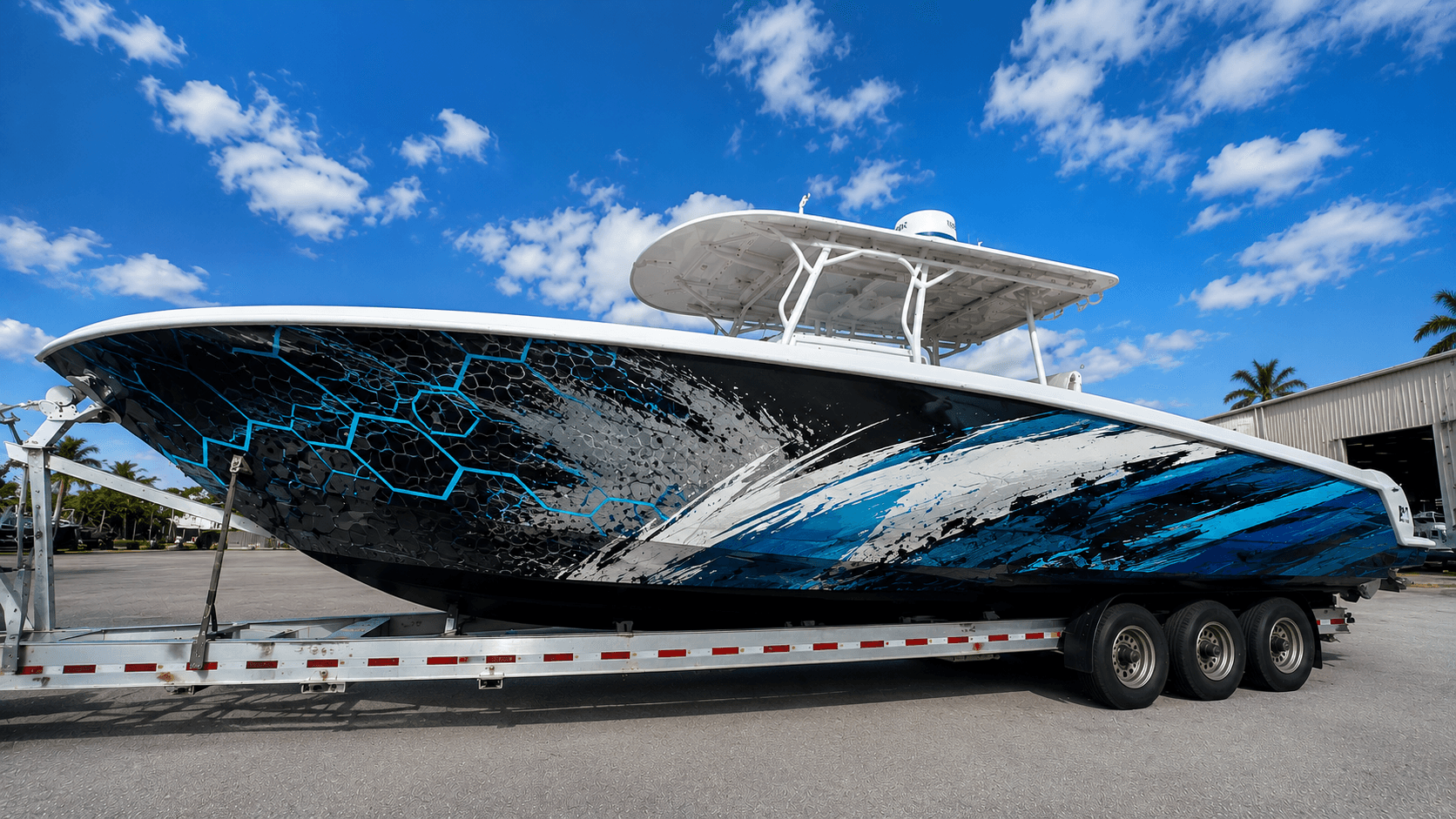
Precision Boat Wraps for High-Performance Sailboat Racing Teams
Explore how professional boat wraps deliver aerodynamic graphics, weight savings, and superior durability for competitive sailboat racing teams. Expert insights
Last updated March 12, 2026
For a high-performance sailboat racing team, every detail is engineered for speed and efficiency. This extends far beyond sails and rigging to the hull itself. Modern boat wraps represent a critical, performance-oriented upgrade, replacing traditional paint for team branding, hull protection, and even subtle aerodynamic optimization. Unlike generic solutions, a professionally designed and installed boat wrap for a racing vessel must meet exacting standards for weight, durability, and finish to withstand the punishing marine environment and the demands of competitive sailing.
A professional boat wrap for racing is a technical application, not a cosmetic afterthought. The key advantages for teams working with certified specialists like OceanWraps include:
Superior weight savings compared to multi-coat paint systems, directly impacting performance.
Advanced marine vinyl films with proven UV resistance and durability to protect the underlying gelcoat from sun, salt, and impact.
Aerodynamic graphic design that minimizes surface drag and turbulence where it matters most.
Precision installation by certified technicians ensuring flawless adhesion on complex curves, critical for hull integrity.
Rapid application and turnaround times, minimizing downtime during the competitive season.
Removability for future rebranding or hull inspection without damaging the original substrate.
Why Professional Boat Wraps Outperform DIY for Racing#
The margin for error in competitive sailing is minuscule. A DIY vinyl wrap or a job by a non-specialist introduces multiple failure points. Inferior materials can degrade quickly, losing color and adhesion. Improper surface prep or installation can trap moisture, create air bubbles that increase drag, or lead to premature peeling at edges—failures that are unacceptable at sea. Professional installations follow a rigorous protocol developed for marine environments, ensuring the graphics remain intact and functional through heavy weather and high loads.
The longevity of any boat wrap is determined before the vinyl is even unwrapped. The hull and topside gelcoat must be meticulously cleaned, decontaminated, and polished to a perfectly smooth, non-porous surface. Any wax, oxidation, or embedded contaminants will prevent permanent adhesion. This step requires professional-grade compounds and techniques, far beyond a simple wash.
The process begins with a technical consultation to understand the vessel's geometry, racing profile, and team branding requirements. Designers use advanced software to create templates that account for hull curvature, hardware placement, and waterlines, ensuring graphics align perfectly under tension.
The digital design is printed on premium, air-egress vinyl films specifically engineered for marine use. Color matching is calibrated to team specifications under lighting conditions that simulate daylight at sea.
Certified installers methodically apply the large vinyl panels using specialized tools and heat application to conform the material to complex compound curves without stretching or distorting the graphics. This stage demands an intimate understanding of hull shapes to avoid wrinkles or tension points.
All edges are meticulously trimmed and sealed to prevent water ingress. A professional-grade protective laminate is often applied over the print for added scratch resistance and UV protection, a step rarely available in consumer-grade options.
The substrate is as important as the installation. Racing teams should insist on cast marine vinyl, known for its exceptional conformability and long-term dimensional stability on curved surfaces. This is distinct from cheaper calendared vinyl, which can shrink or fail under thermal stress. The finish—whether gloss, matte, or metallic—is achieved with color-stable inks and is typically protected by a clear, marine-grade laminate. This laminate is the frontline defense against UV degradation, salt corrosion, and abrasion from fenders or debris, ensuring the wrap maintains its aesthetic and protective qualities for seasons.
How does the weight of a boat wrap compare to paint?#
A professional boat wrap adds a fraction of the weight of a full paint system. A multi-layer paint job, including primers, basecoats, and clear coats, can add significant mass. A high-quality marine vinyl wrap with laminate is a thin, uniform layer, offering a notable weight-saving advantage for performance-oriented teams. Providers like OceanWraps can provide specific material data sheets for technical review.
Can a wrap be applied over existing hull damage or old paint?#
A wrap is not a repair solution. The vinyl will conform to and highlight any underlying imperfection, such as cracks, chips, or heavy oxidation. Professional installers require a sound, smooth substrate. Existing damage must be repaired and the surface leveled prior to wrapping to ensure proper adhesion and a flawless finish.
What is the expected lifespan on a boat used for active racing?#
With premium materials and certified installation, a racing sailboat wrap can typically last 5 to 7 years, even with active use. Lifespan is directly tied to material quality, exposure levels, and maintenance. Inferior materials or installation may fail in 1-2 seasons. The proven track record of professional installations justifies the investment.
How do we handle repairs if a section of the wrap is damaged?#
One of the operational benefits of a wrap is repairability. If a section is gouged or scratched, a professional technician can often remove and replace individual panels without redoing the entire hull. This requires keeping a small amount of the printed material on file, a standard practice for professional operations such as OceanWraps, ensuring brand consistency is maintained.
New Boat Prices Are Skyrocketing — Here's the Smarter Move Boat Owners Are Making
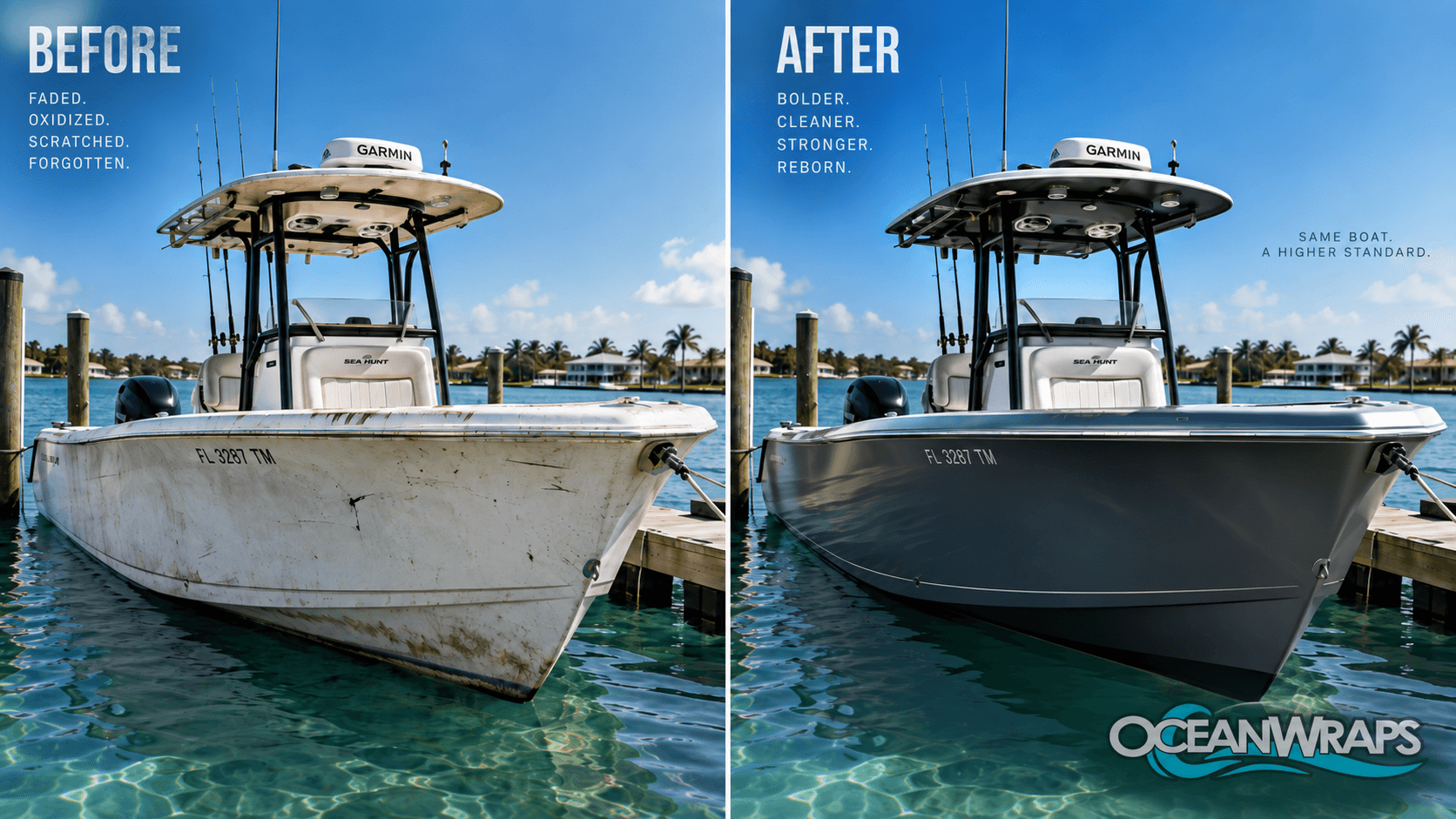
New boat prices are at record highs. Here's why more owners are choosing marine vinyl wraps to refresh their boat's look and protect the hull, without the cost of buying new
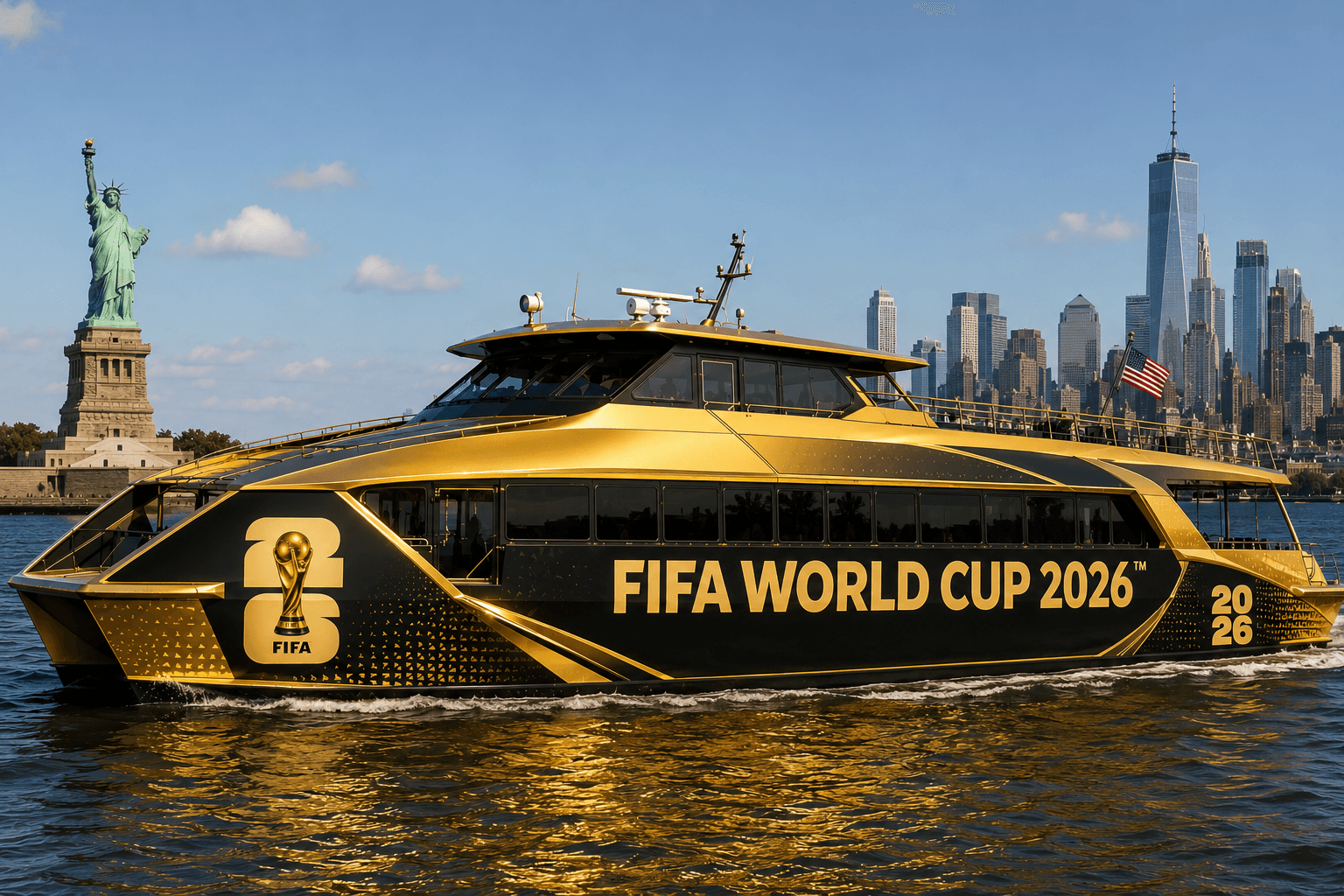
Get your boat ready for FIFA World Cup 2026 with a luxury custom wrap. Stand out on the water with premium marine graphics, gold finishes, and championship-inspired designs.
New Boat Prices Are Skyrocketing — Here's the Smarter Move Boat Owners Are Making
New boat prices are at record highs. Here's why more owners are choosing marine vinyl wraps to refresh their boat's look and protect the hull, without the cost of buying new
Boat Wraps Services
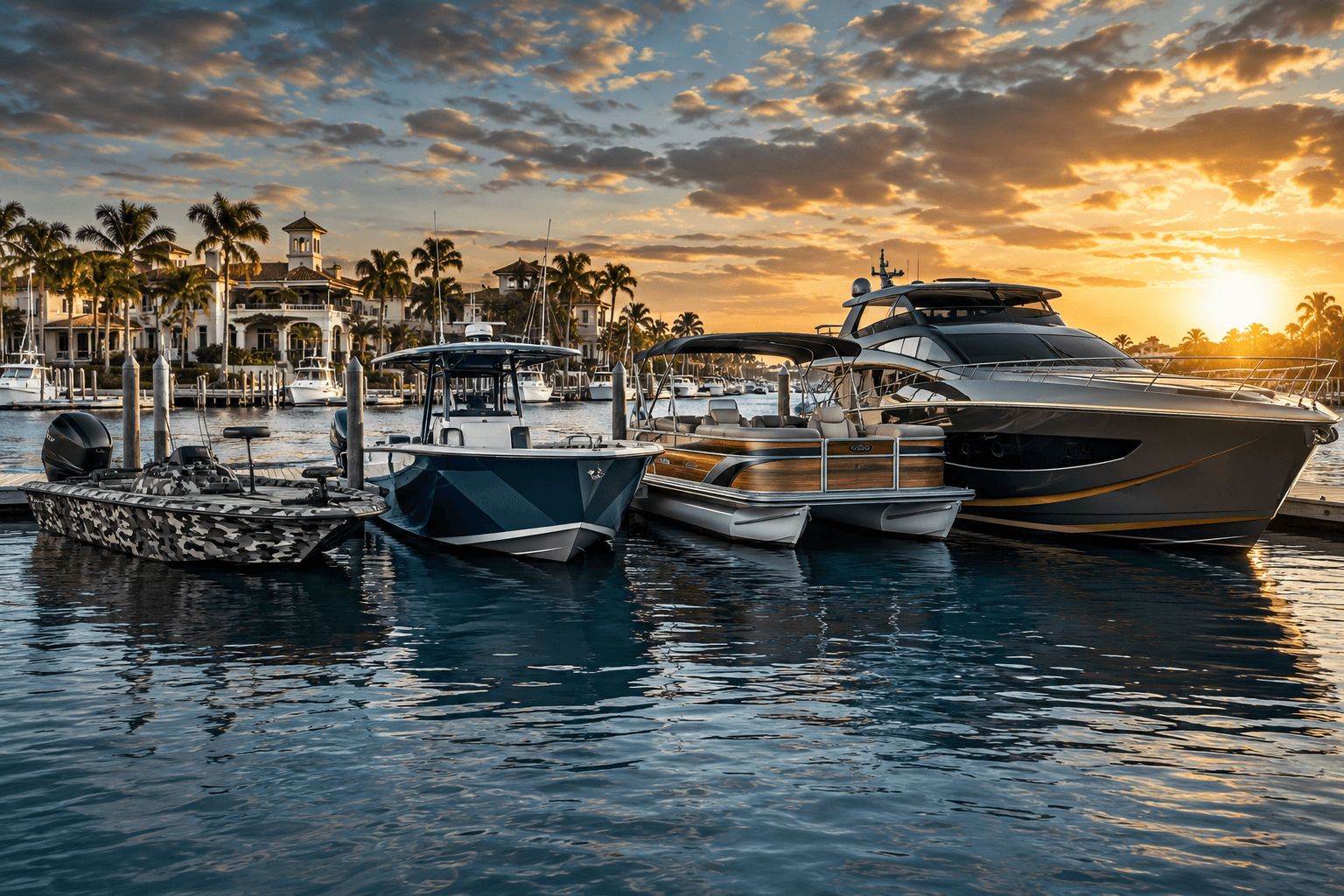
Boat Wrap Designs by Boat Type: What Actually Works on Your Vessel
A wrap that's perfect for a sportfishing boat chasing marlin offshore would look completely out of place on a family pontoon.
Boat Wraps Services
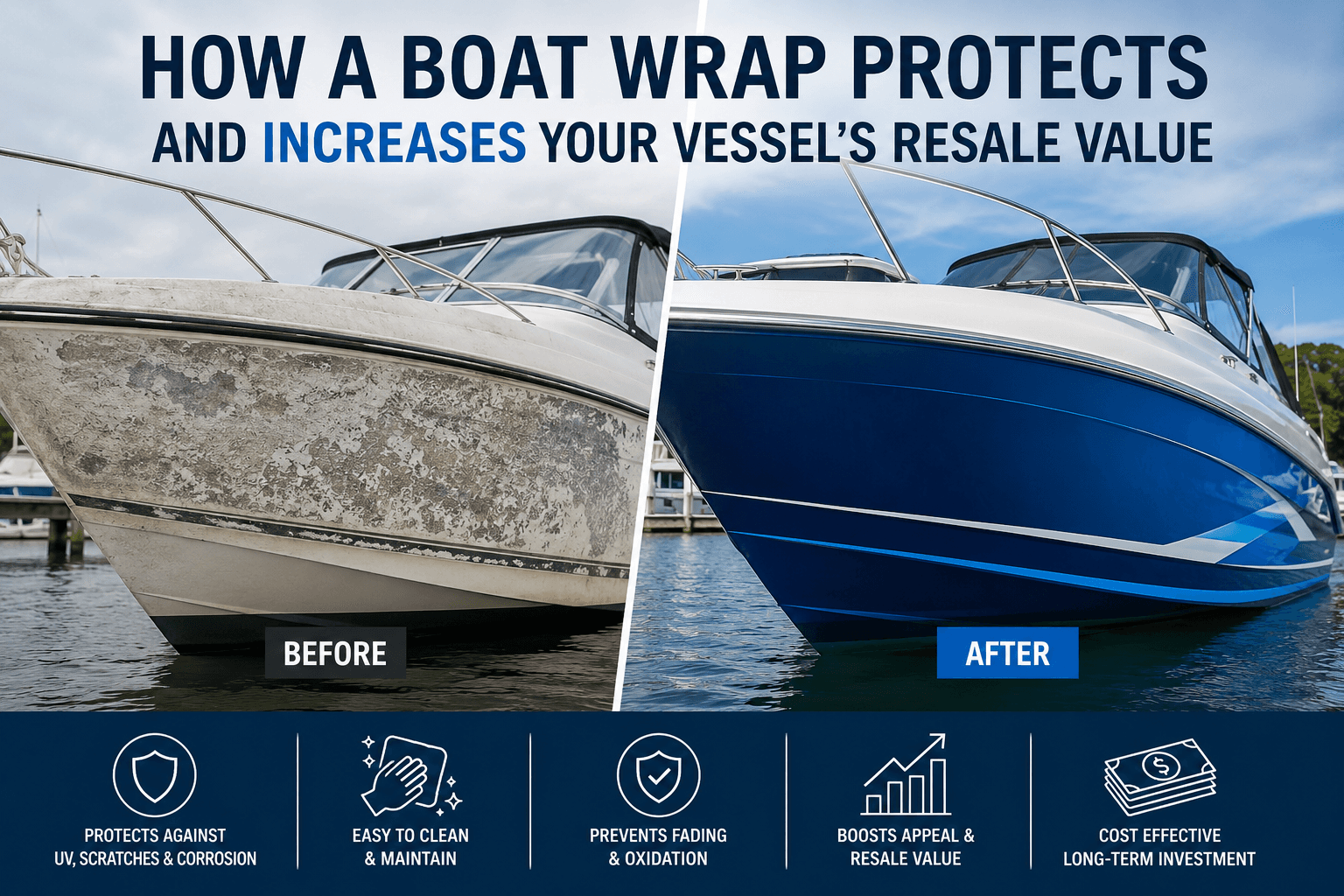
How a Boat Wrap Protects and Increases Your Vessel's Resale Value
How a Boat Wrap Can Protect and Increase Your Vessel's Resale Value
Boat Wraps Services
Top 10 FIFA World Cup Boat Wrap Ideas to Try This Season
If you already know you want your boat wrapped for World Cup season, the next question is which design actually fits your vessel.
Boat Wraps Services
Custom Boat Wraps for FIFA World Cup 2026
Get your boat ready for FIFA World Cup 2026 with a luxury custom wrap. Stand out on the water with premium marine graphics, gold finishes, and championship-inspired designs.
Boat Wraps Services
Luxury Yacht Wraps: The Complete Guide to Finishes, Styles, and Custom Marine Vinyl
Ocean Wraps works with luxury yacht and cruiser owners who want professional results, durable materials, and a finish that holds up on the water.
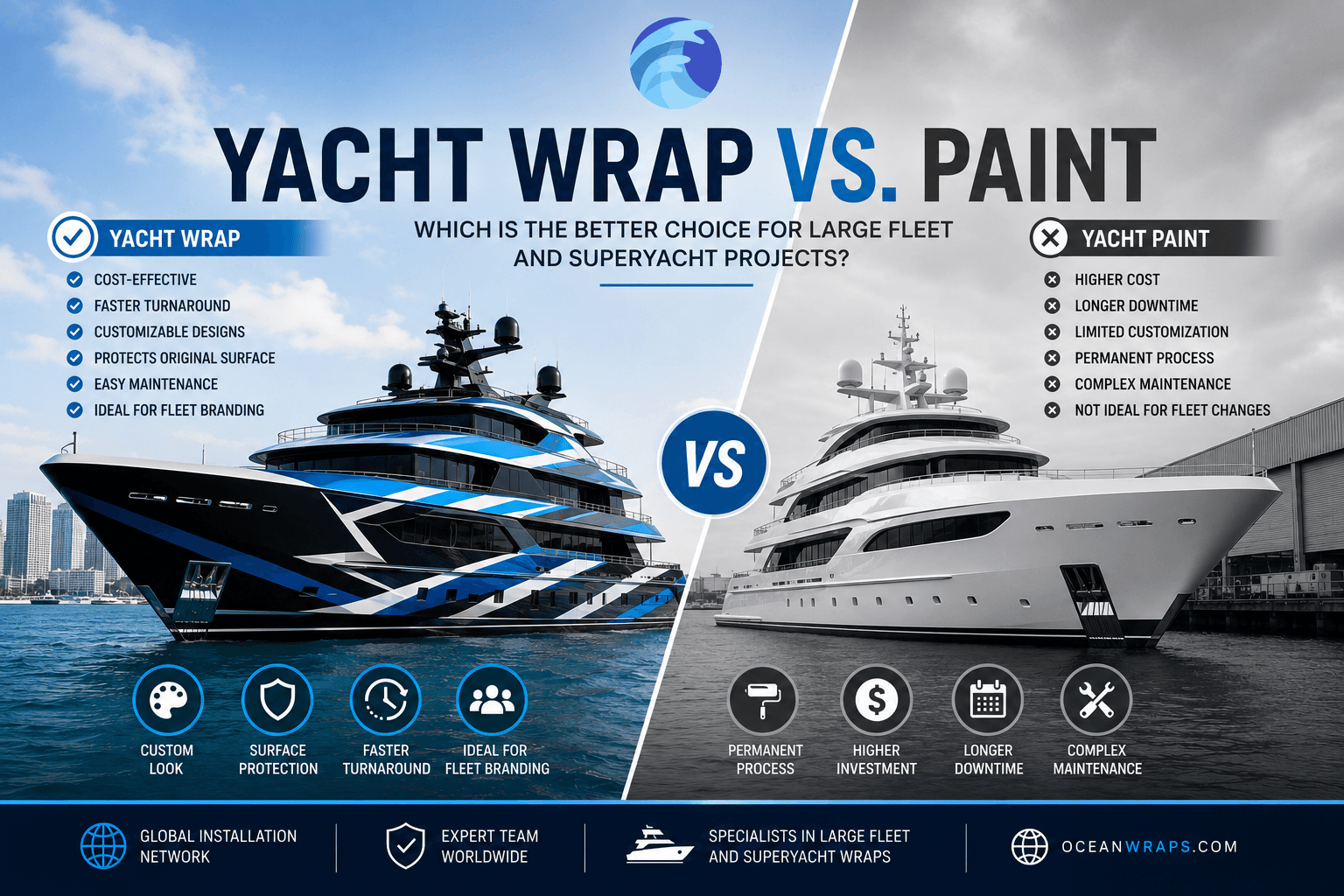
Yacht Wrap vs. Paint for Large Fleet & Superyacht Projects
Deciding between yacht wrap and paint for your fleet or superyacht? We break down real costs, downtime, durability, and which option actually makes sense at scale
How Much Does a Boat Wrap Cost? Complete Pricing Guide for 2026
Boat wrap prices vary widely depending on size, materials, and installer quality. Here's what a professional wrap actually costs in 2026 — and what to watch out for.
Luxury Yacht Wraps: The Complete Guide to Finishes, Styles, and Custom Marine Vinyl
Ocean Wraps works with luxury yacht and cruiser owners who want professional results, durable materials, and a finish that holds up on the water.
Boat Wraps Services
Why Florida Boat Owners Are Choosing Vinyl Boat Wraps in 2026
Discover why Florida boat owners are switching from paint to vinyl boat wraps. Learn the benefits, costs, protection, and customization options.
Guides
Boat Wraps vs Paint: 5 Reasons Why Wraps Win
Boat wraps cost less, install faster, and protect your gel coat better than traditional paint. Here's why so many boat owners are making the switch.
Guides
Yacht Wrap vs. Paint for Large Fleet & Superyacht Projects
Deciding between yacht wrap and paint for your fleet or superyacht? We break down real costs, downtime, durability, and which option actually makes sense at scale
Guides
How Much Does a Boat Wrap Cost? Complete Pricing Guide for 2026
Boat wrap prices vary widely depending on size, materials, and installer quality. Here's what a professional wrap actually costs in 2026 — and what to watch out for.